








Europe's Answer to OpenAI, a Harsh Lesson for ChatGPT's Father
TechFlow Selected TechFlow Selected
Europe's Answer to OpenAI, a Harsh Lesson for ChatGPT's Father
At the heart of negotiating with power and capital lies interest.
 Navigating Web3 tides with focused insights
Text: Eric
Editor: Zuri
At a U.S. congressional hearing in May this year, there was an exchange between Sam Altman, the so-called "father of ChatGPT" and founder of OpenAI, and a member of Congress.
Congressperson: "You must be making a lot of money?"
Sam: "I don't own equity in OpenAI. My income is barely enough to cover insurance."
Congressperson: "Really? Then you need a lawyer or agent."
Sam: "I'm doing this simply because I love it."
The congressperson kept a sly smile, while Sam’s eyes remained clear and bright. The legislator believed that without equity, Sam would inevitably face conflicts of interest down the line, but Sam firmly believed passion alone could sustain him.
Time has proven that experience matters—the lawmaker's prediction came true. Recently, Sam was ousted as CEO by the OpenAI board. Although he eventually returned to OpenAI, the internal power struggle was nothing short of dramatic.
Being expelled from the company he founded is unimaginable and unacceptable to many in China. Behind this upheaval lies the dominant force of power and capital struggles—Sam was caught completely off guard. In contrast, Mistral AI, often dubbed the "European version of OpenAI," has navigated the games of power and capital with greater stability.
01 The Mystery Behind the "Father of ChatGPT" Being Ousted
Let’s first examine the mystery behind Sam’s ousting.
In 2019, OpenAI established a unique equity structure—a capped-profit limited partnership (OpenAI LP). Under this structure, the OpenAI board oversees management and operations of the entire limited partnership, including appointing and dismissing the CEO. Limited partners (LPs), primarily investors, receive returns subject to predefined caps.
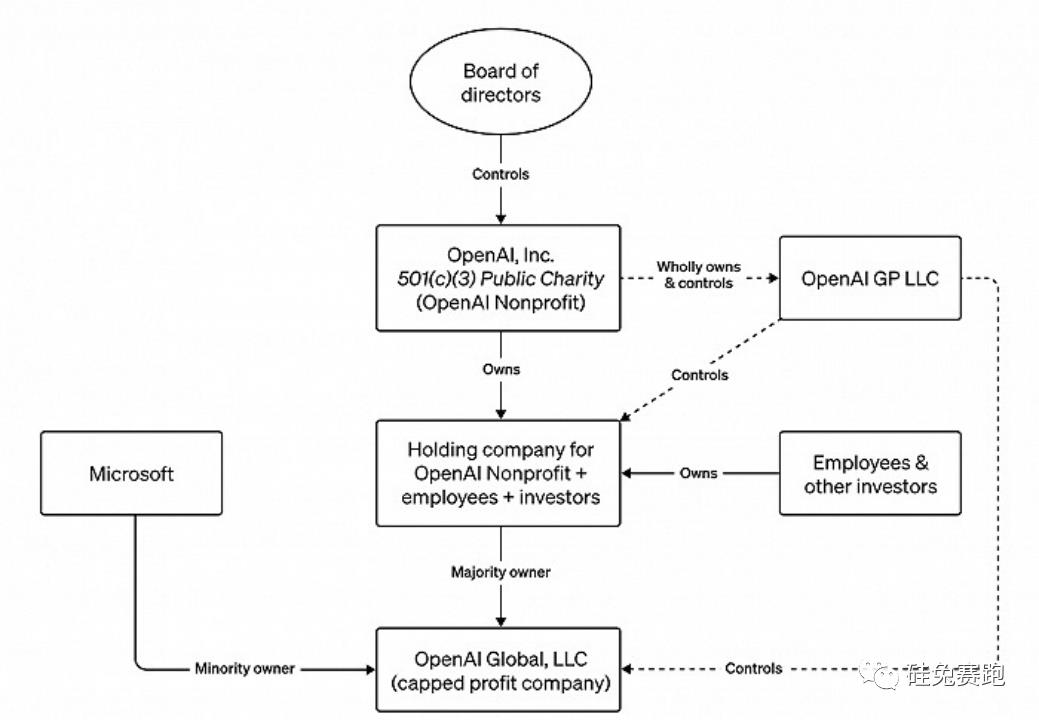
OpenAI Equity Structure
Most corporate boards have an odd number of members to ensure majority rule. What’s puzzling is that OpenAI originally had an even number of board members—just six: Sam Altman, Greg Brockman, Ilya Sutskever, Helen Toner, Adam D’Angelo, and Tasha McCauley.
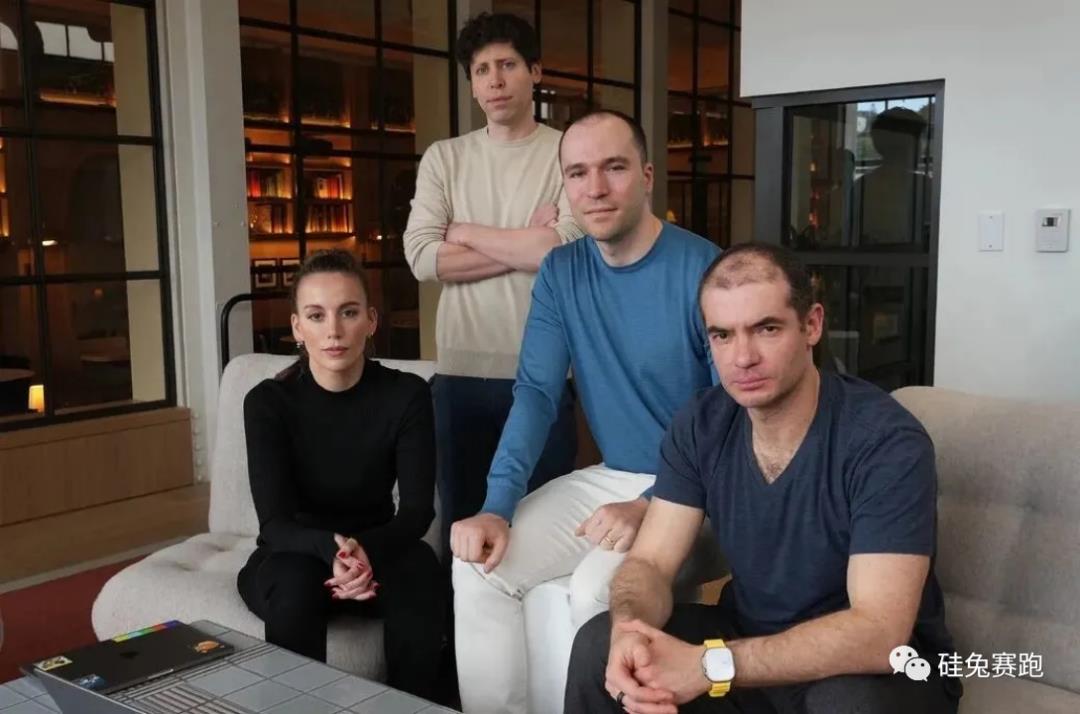
This structure itself is somewhat enigmatic. According to OpenAI’s official explanation, its board comprises mostly independent members from diverse backgrounds who collectively guide the organization’s development. If proposals consistently split votes evenly, decisions become impossible to advance.
Regarding Sam’s departure, Brockman stated that Ilya Sutskever called for an emergency meeting and then informed Sam of his termination, with specific details remaining unknown to the public. OpenAI’s official announcement claimed Sam left because he had been consistently unforthcoming in communications with the board, undermining its ability to fulfill its duties—leading the board to lose confidence in his leadership.
Some media reports suggest Sam’s exit stemmed from tensions with Ilya Sutskever.
Bloomberg reported that Ilya’s responsibilities within the company were reduced, reflecting friction with Sam. Ilya later appealed to the board and gained support from several members. Additionally, Ilya and Sam reportedly disagreed on issues such as AI safety, pace of technological development, and commercialization.
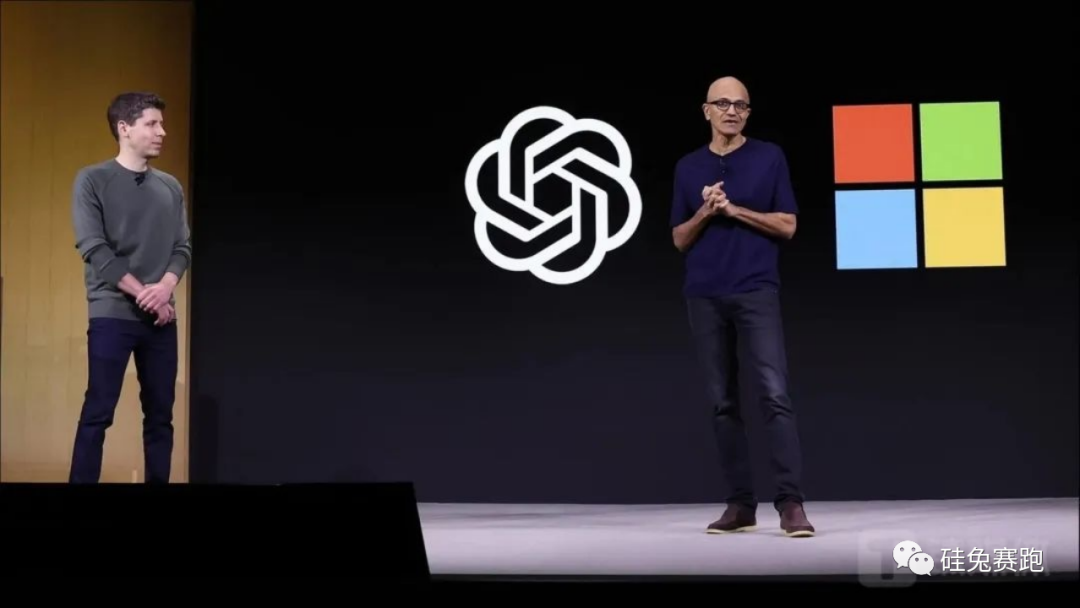
Others suspect Microsoft, the major investor, orchestrated the move. After all, Microsoft has invested $13 billion in OpenAI to date, holding up to 49% of shares as the largest LP.
However, this theory doesn’t hold water.
First, OpenAI clarified that Microsoft’s investment was actually in a subsidiary of OpenAI. The shares Microsoft holds are thus only in that subsidiary. Second, Microsoft does not hold a seat on OpenAI’s main board. This means Microsoft’s actual control over OpenAI is quite limited.
Moreover, after Sam’s dismissal, Microsoft and other OpenAI investors pressured the board to reinstate him as CEO—clearly indicating Microsoft wasn’t the “mastermind” behind the ouster.
In fact, multiple investment firms have already issued warnings about OpenAI’s board structure. Paul Graham, co-founder of Y Combinator, said Sam’s firing revealed the dangers of the current governance model. Even Sam himself has finally “awakened,” calling for significant management reforms, including the resignation of all board members.
This corporate drama recently concluded with Sam Altman officially returning to OpenAI as CEO, while the board prepares for restructuring.
Yet reflections on this conflict continue. Mistral AI, known as the “European version of OpenAI,” appears far more astute in maintaining control and navigating relationships with capital.
02 The Balancing Act of the “European OpenAI”
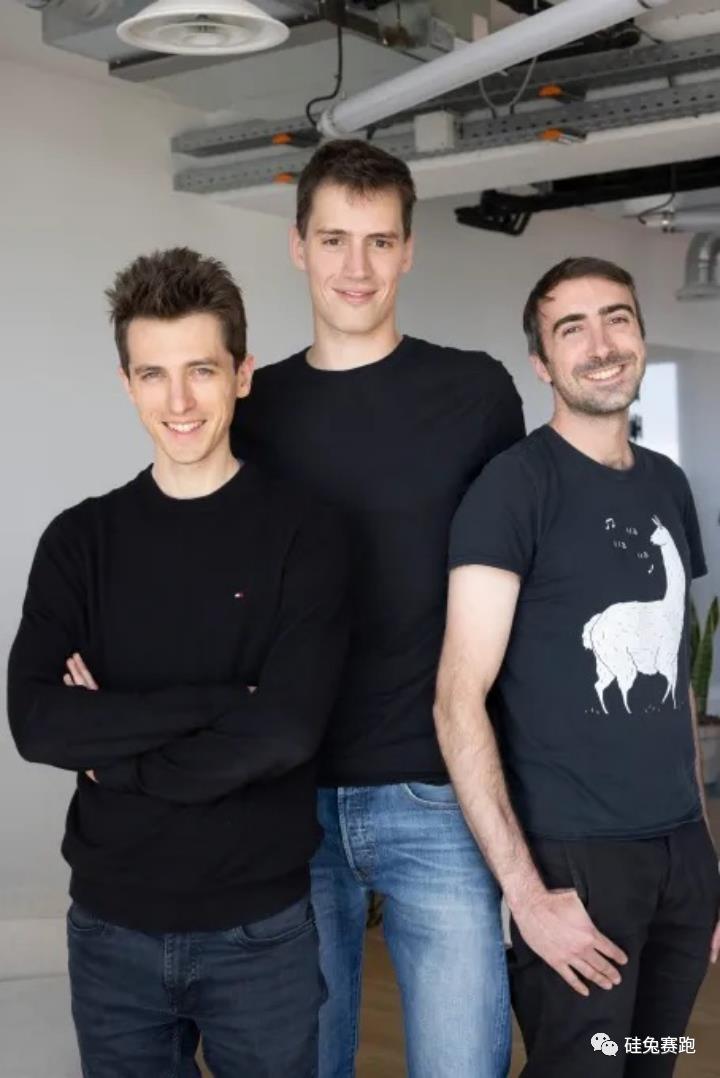
In May this year, three former university classmates—Arthur Mensch, Timothée Lacroix, and Guillaume Lample—reunited once again in France.
Arthur Mensch previously served as a senior research scientist at DeepMind, Google’s AI subsidiary. Guillaume Lample and Timothée Lacroix jointly led the development of Meta’s large language model LLaMa. All three are technical experts.
Inspired by the generative AI boom and OpenAI’s rise, they founded a company named Mistral AI. Arthur Mensch became CEO, Guillaume Lample chief scientist, and Timothée Lacroix CTO.
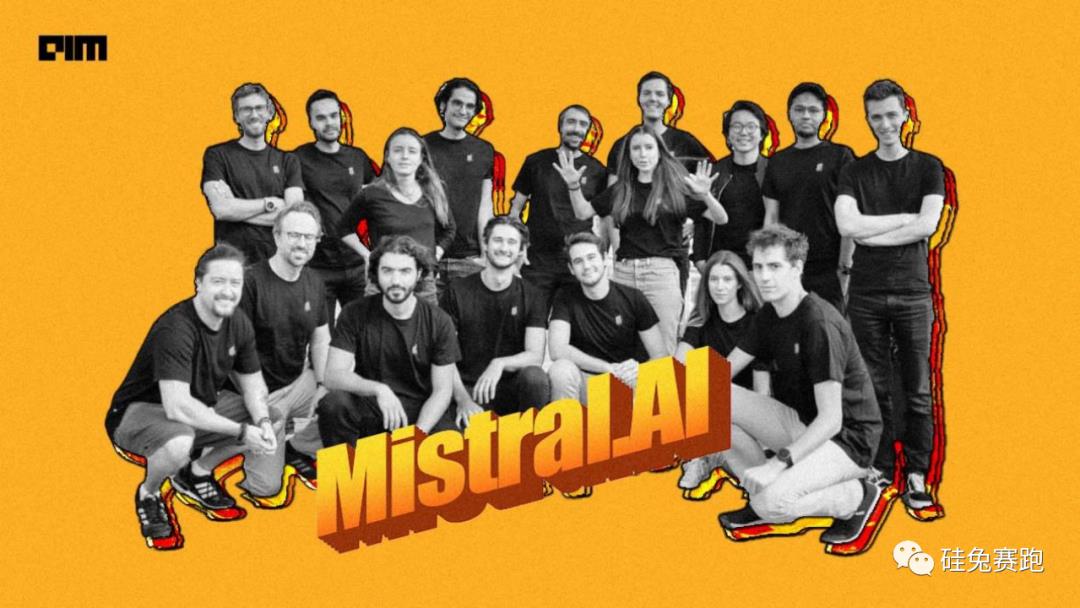
Surprisingly, at launch, Mistral AI had just six team members and no product yet—but secured $113 million in seed funding based solely on a 7-page pitch deck, setting a record for Europe’s largest-ever seed round.
Even more surprisingly, the seed round attracted 14 investors, forming an impressive lineup. It included top-tier U.S. venture capital firms, European VCs from various countries, and high-profile executives such as former Google CEO Eric Schmidt and French telecom billionaire Xavier Niel.
Everyone knows generative AI has sparked a capital frenzy, but this level of enthusiasm is still rare. This phenomenon can be understood from two angles.
On one hand, Europe is accelerating its AI strategy. Data shows that U.S. AI startups raised $27 billion in VC funding this year, compared to just $4 billion in Europe—only one-seventh of the U.S. total. There remains ample room for capital to back promising European contenders.
On the other hand, Mistral AI wanted funding without sacrificing control. One effective method was bringing in numerous investors while keeping individual stakes small and widely dispersed, allowing founders to retain firm control. Data indicates that due to the large number of participating institutions, each contributed between $5 million and $15 million, securing only a few percentage points in equity.
This “decentralized” investment approach represents a far more sophisticated balancing act—securing substantial growth capital while significantly reducing the risk of losing control.
Compared to Sam Altman taking pride in having “no equity, only passion,” Arthur Mensch appears far more pragmatic.
In reality, a sound equity structure for a startup should inherently safeguard the core founders’ control, ensure stability in ownership, predefine equity vesting terms, establish mechanisms for handling founder exits, and properly manage equity distribution with investors.
It’s crucial to recognize that in the midst of capital frenzy, AI does not belong to Silicon Valley—it belongs to Wall Street. Ultimately, it comes down to who steers the ship and who foots the bill. Navigating power and capital is a required course for every leader of a nascent AI company.
03利益至上
What lies beneath the maneuvering with power and capital?
Naturally, it’s interests.
For Ilya Sutskever, who spearheaded Sam’s removal, Sam’s presence threatened his influence in corporate management—ousting Sam served his self-interest.
For investors like Microsoft, pushing for Sam’s return made sense—his departure would not only disrupt OpenAI’s commercialization efforts but also devalue their equity holdings. Reports indicate OpenAI recently pursued new funding at a valuation as high as $86 billion; Sam’s exit could jeopardize that process.
Likewise, why did so many investors choose Mistral AI? Because it positions itself as a European alternative to OpenAI, developing products compliant with stricter European regulations while emphasizing privacy and security—giving it an edge in competing for European enterprise clients and offering investors greater growth potential.
In the business world, there’s nothing wrong with founders being driven by passion—but the mistake lies in underestimating the cutthroat jungle law of survival of the fittest. In this brutal arena of competition, knowing how to protect your position is a profound science.
Join TechFlow official community to stay tuned
Telegram:https://t.me/TechFlowDaily
X (Twitter):https://x.com/TechFlowPost
X (Twitter) EN:https://x.com/BlockFlow_News












