ETHGlobal's fluid developer community, a microcosm of startup life
TechFlow Selected TechFlow Selected
ETHGlobal's fluid developer community, a microcosm of startup life
The skilled warriors of old won where victory was easy.
 Navigating Web3 tides with focused insights
Author: ivyfanshao.eth
After Devconnect, I attended ETHGlobal Istanbul over the weekend—a gateway into the dev world. Thanks to my teammates carrying me, I was lucky enough to win three bounties in my first-ever ETHGlobal. The best part was the insights gained from the hackathon and the overwhelming passion of the developer community:
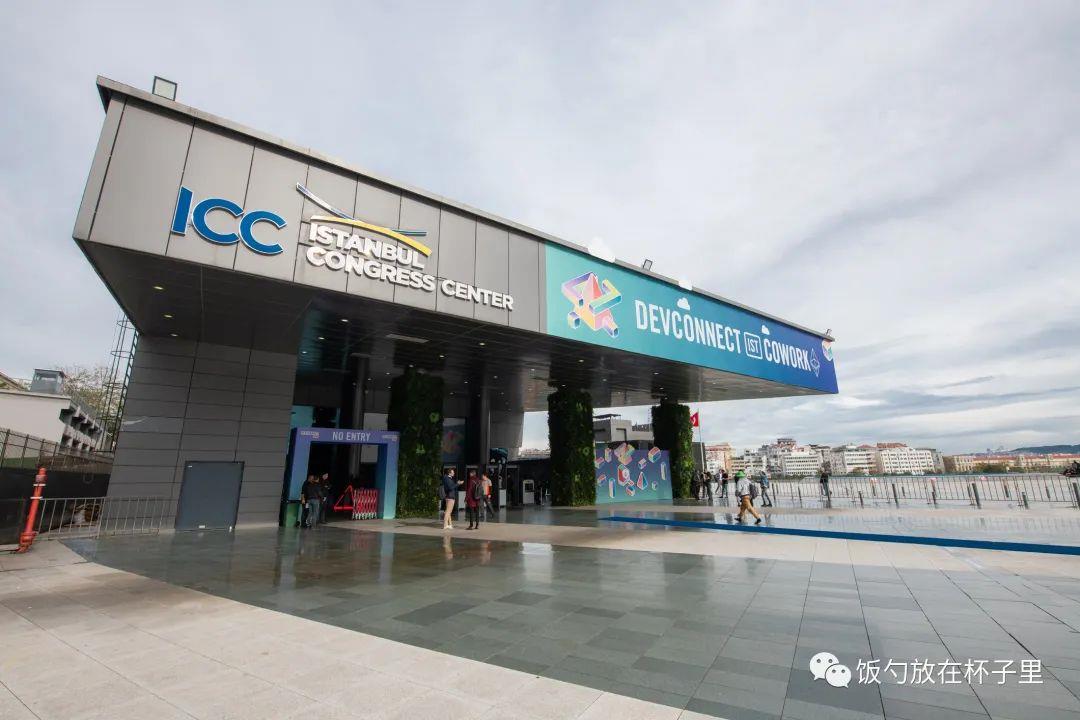
Devconnect & ETHGlobal main venue
Observations
The ETHGlobal crowd is highly concentrated, broadly divided into sponsoring projects and hackers. The bounty booths reflect the health of existing projects. Only well-funded projects can secure a booth in the main hacking area of ETHGlobal—sponsoring costs around $30,000–$50,000, plus additional expenses for bounties and team travel, making it costly. Among Chinese projects, only Scroll and Mask made it into the main hall. As for hackers, only those who pre-registered for ETHGlobal and staked 0.05 ETH could enter with a wristband. With three layers of security checks from the entrance to the hacking chamber, the venue was almost exclusively filled with prepared developers—no clueless onlookers.
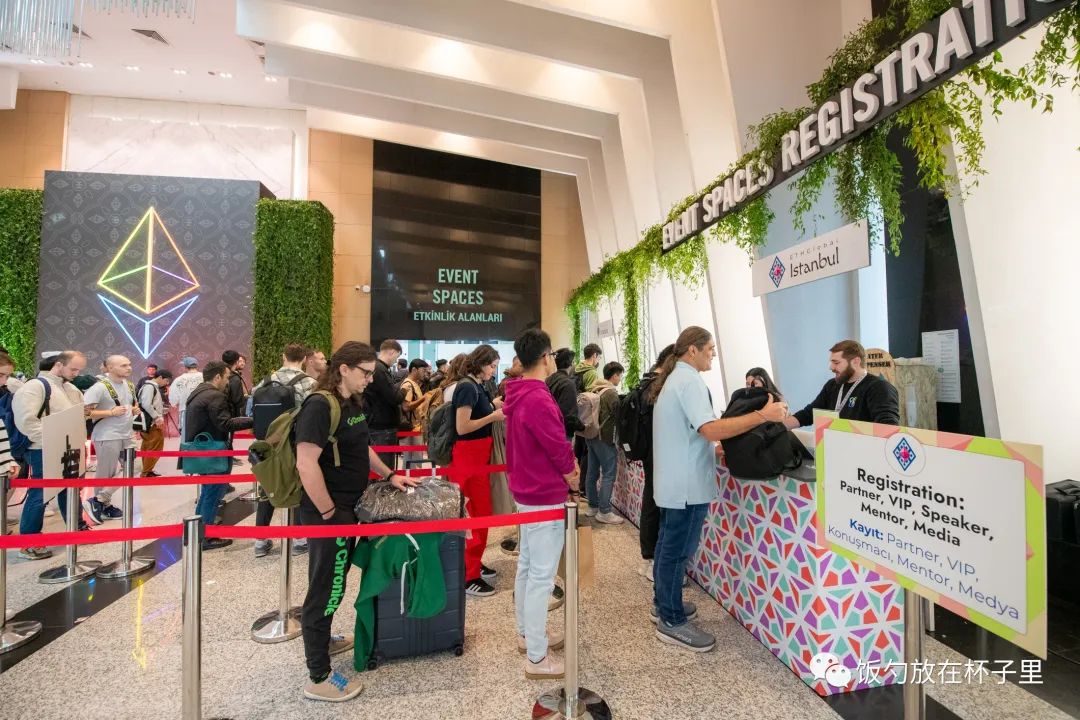
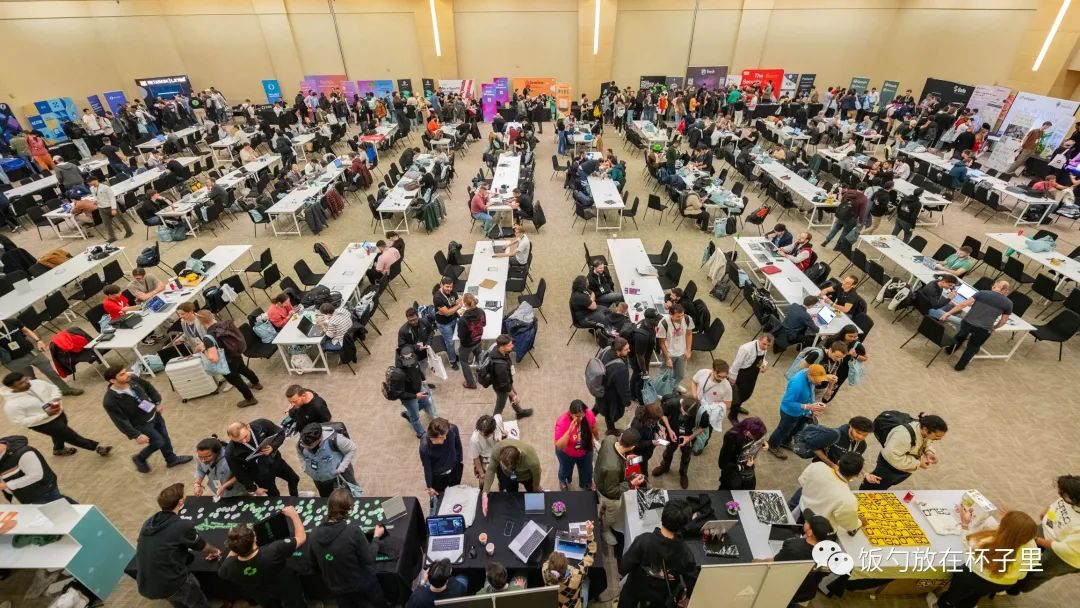
ETHGlobal main venue
The Community Vibe at ETHGlobal
A sense of community, familiarity, feeling like coming home—only a small group regularly attends ETHGlobal. You'll always see the dev rels from major projects, and some professional hackers who travel the globe. My teammate Tim said attending ETHGlobal feels like returning home. Though it was my first time, I completely understood that familiar, warm feeling—it’s just like what I experienced at various pop-up cities. Shanhaiwu, Muchiangmai, Zuconnect, Devconnect & ETHGlobal—the participants often overlap. I keep running into the same faces around the world, more often than I see my own family, naturally creating a sense of belonging. Based on this trust, collaboration becomes effortless. In a way, ETHGlobal is a shorter-lived pop-up city, or even a floating city.

Swag from sponsor projects
Open Source Spirit
Web3 is still early overall—not yet in a zero-sum game phase—so open source remains commercially controversial. But within hackathons, it's not an issue. Ideas are extremely nascent, untested in real business environments, so there's no risk of leaking trade secrets. Most participants are happy to discuss their ongoing projects, collaborate, and exchange suggestions. Initially, I hesitated, fearing idea theft, but in reality, ideas themselves have limited value. Impact comes from execution and shipping products. Once I framed the hackathon project as a public good, concerns vanished—I opened up completely.

427 hackathon projects
A microcosm of startup diversity—teams vary enormously. At ETHGlobal, most people participate part-time over the weekend. Among over 2,000 attendees and 400+ teams, commitment levels vary widely. This leads to massive differences between teams in understanding timelines and rules, preparation, and team cohesion. Some teams have worked together for ages and know exactly what judges like; others form last-minute and split mid-event. Some have clear roles and full skill sets; others blur role boundaries, lacking coders or pitch skills. Some projects have been refined for months; others emerge halfway through the 2–3 day hacking window… This variance might just be a miniature reflection of the real world.
Bounty hunting is about prize money; aiming for finalist status is about industry attention. Bounty prizes from sponsoring projects range from a few hundred to 2,000–5,000 USDT per project. In contrast, finalists receive less monetary reward—but being among the top 10 means gaining ETHGlobal’s spotlight and endorsement, attracting attention across the entire industry.
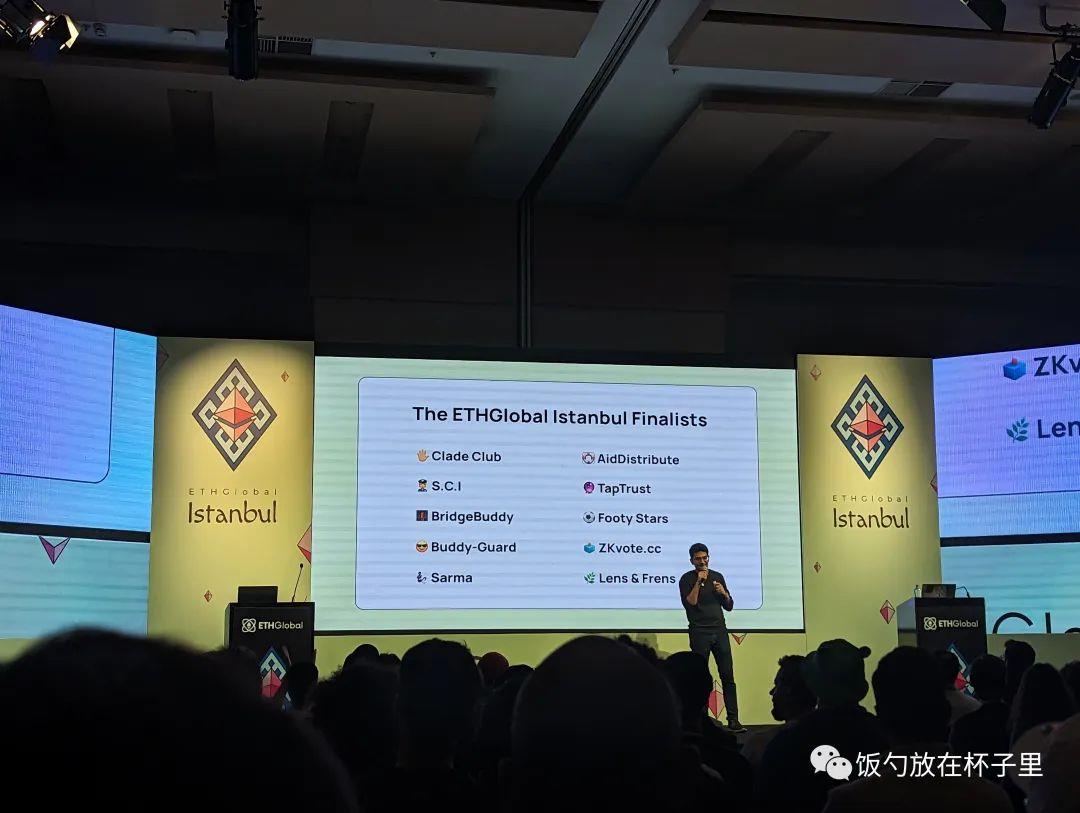
Most of the 10 finalists at each ETHGlobal event aren’t suitable for VC investment. The real value lies in the developers themselves. There are several reasons: First, hackathon projects are typically built in 2–3 days, sometimes just hours. Profitability and sustainability aren’t judged. Ideas haven’t been stress-tested in real markets, and deliverables remain rough.
Second, most hackers have full-time jobs. After the event, they rarely have the motivation to continue developing their gig projects, so the chance of a hackathon project evolving into a sustainable venture is low.
Third, finalist judging involves subjective taste. For example, ETHGlobal Istanbul favored real-world interaction—three of the ten finalists incorporated NFC functionality.
Firsthand Hacker Experience
The key to success is planning. Skilled warriors win where victory is easiest.
Before competing, understand the schedule and rules—know the essential steps. For example: register on time, keep your wristband safe, fill out project details on ethglobal.com early, allow ample time for submission/form-filling. Pitch and demo rounds last only four minutes, and bounty and finalist pitches happen in different locations.
Know what resources are available. Leverage mentorship and SDKs/libraries provided by projects to avoid reinventing the wheel and save time. Major projects have deep insights into specific tracks—just a few words with an insider can help you avoid many pitfalls.
Have a rough project idea ready before the event, and know whose bounty you’re targeting. Scan through all bounty sponsors beforehand. On day one, head straight to their booths, briefly present your idea, gather feedback, identify usable libraries and SDKs, learn potential pitfalls, and try to get familiar with mentors—they’ll provide crucial support when debugging.
Form your team in advance—ideally with people you’ve worked with before—and ensure diverse skill sets. Someone ideates, others handle frontend/backend, someone specializes in browser extensions.
During the event, completion matters more than perfection. Don’t add new members last-minute due to skill gaps. Work with the skill tree you already have. Recruiting newcomers takes time and effort—finding them, convincing them—adding too much overhead.
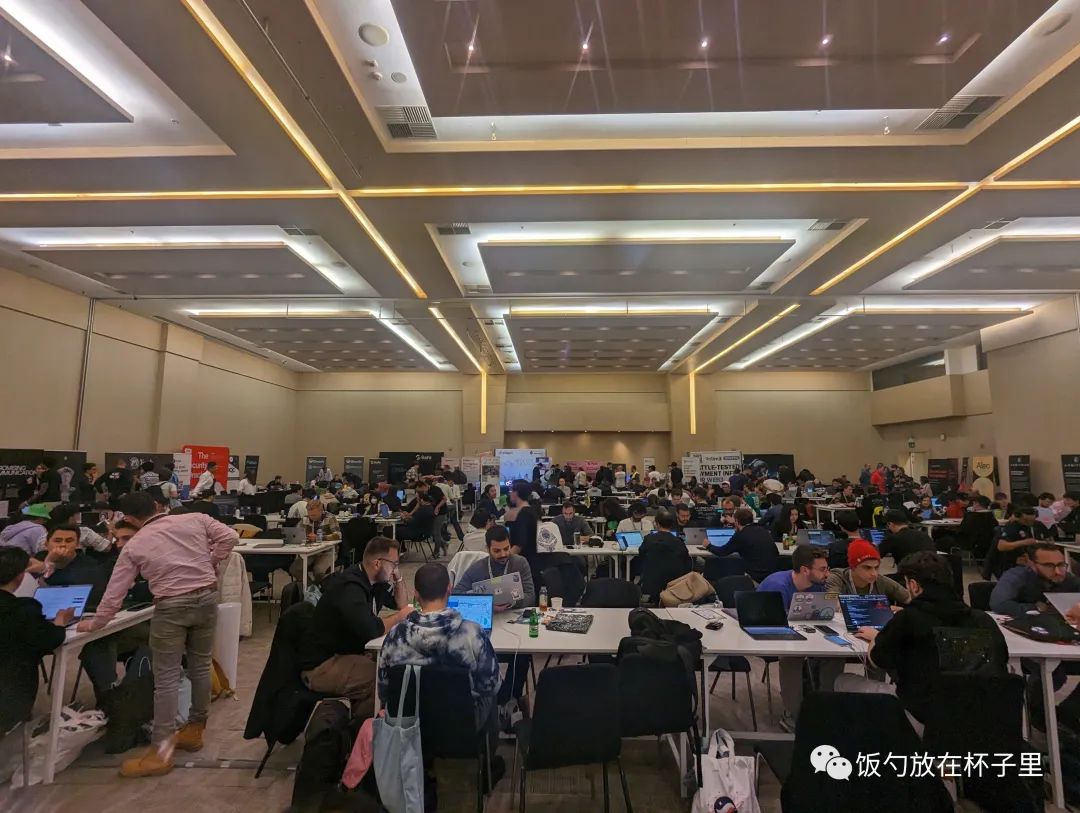
Hacking in progress
Lessons Learned from My Teammates:
Beyond practical competition tips, here are some universally applicable takeaways:
- Having a project gives you a natural entry point to engage with anyone in the space—even your small hackathon project can spark meaningful, efficient, and deep conversations.
- Pitching improves quickly with practice. After five pitches, you’ll know your content cold. By ten, you’ll start refining your narrative—trimming fat, identifying punchlines that grab attention. After fifteen pitches, your delivery will feel natural.
- Actively collect feedback after pitching, refine your story, and enhance your product features. Learning by doing—indeed.
Special Thanks:
- Youbi family: Extremely open-minded, giving me great freedom and space to explore, consistently supporting me in doing what I’m good at and passionate about
- Teammate Tim: Experienced hacker and developer, action-oriented. His rapid growth journey and infectious hacking enthusiasm were deeply inspiring
- Rod @ledger: A true project cheerleader, he helped me realize the power of building in public and reignited my drive for content creation
- Masterdai: This piece gradually took shape through conversations with him. Grateful for his reminder, which led to this compilation of observations.
Join TechFlow official community to stay tuned
Telegram:https://t.me/TechFlowDaily
X (Twitter):https://x.com/TechFlowPost
X (Twitter) EN:https://x.com/BlockFlow_News
 @ivyFanshao