EVM vs Non-EVM: Which Is the Way Forward?
TechFlow Selected TechFlow Selected
EVM vs Non-EVM: Which Is the Way Forward?
EVM compatibility helps developers attract traffic and expand the ecosystem, while non-EVM compatibility will allow developers to experiment and innovate.
 Navigating Web3 tides with focused insights
Author: veDAO Research Institute
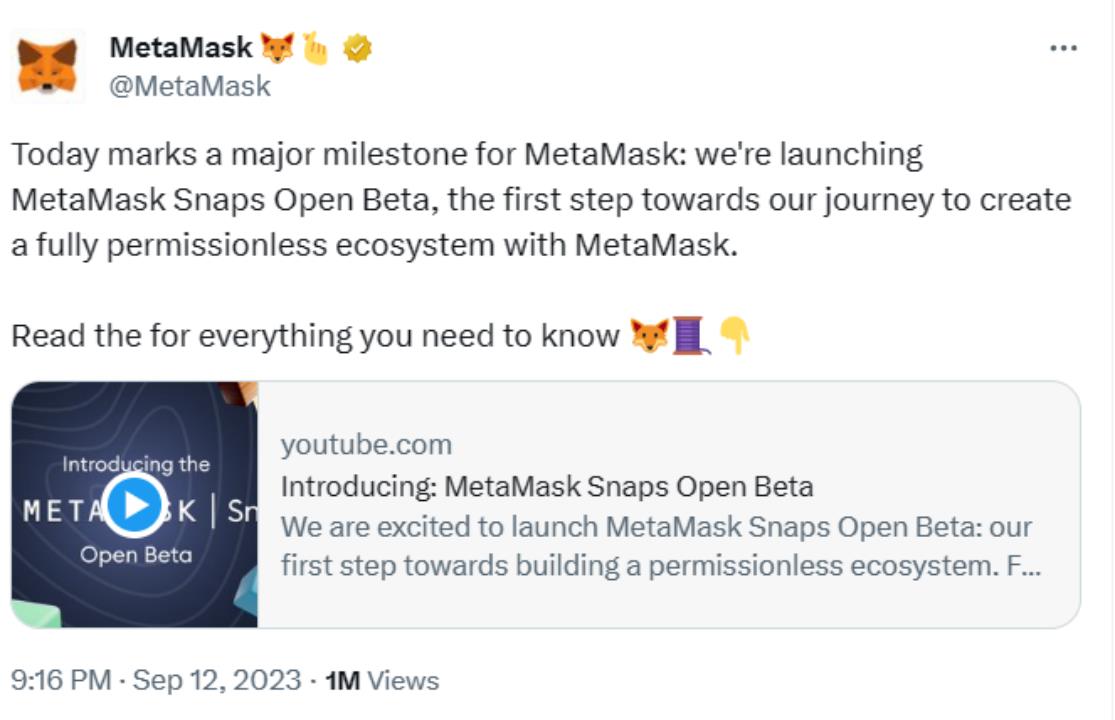
On September 12, blockchain wallet MetaMask launched a beta feature called Snaps, enabling third-party developers to customize wallet functionalities. This allows the MetaMask wallet to seamlessly operate assets on non-EVM (Non-EVM) blockchains. This release marks another step forward for MetaMask toward full permissionlessness and decentralization; notably, MetaMask has also begun supporting non-EVM chains. This article will analyze the differences between EVM and non-EVM systems to further understand their similarities and distinctions.
EVM and Non-EVM
Ethereum Virtual Machine (EVM)
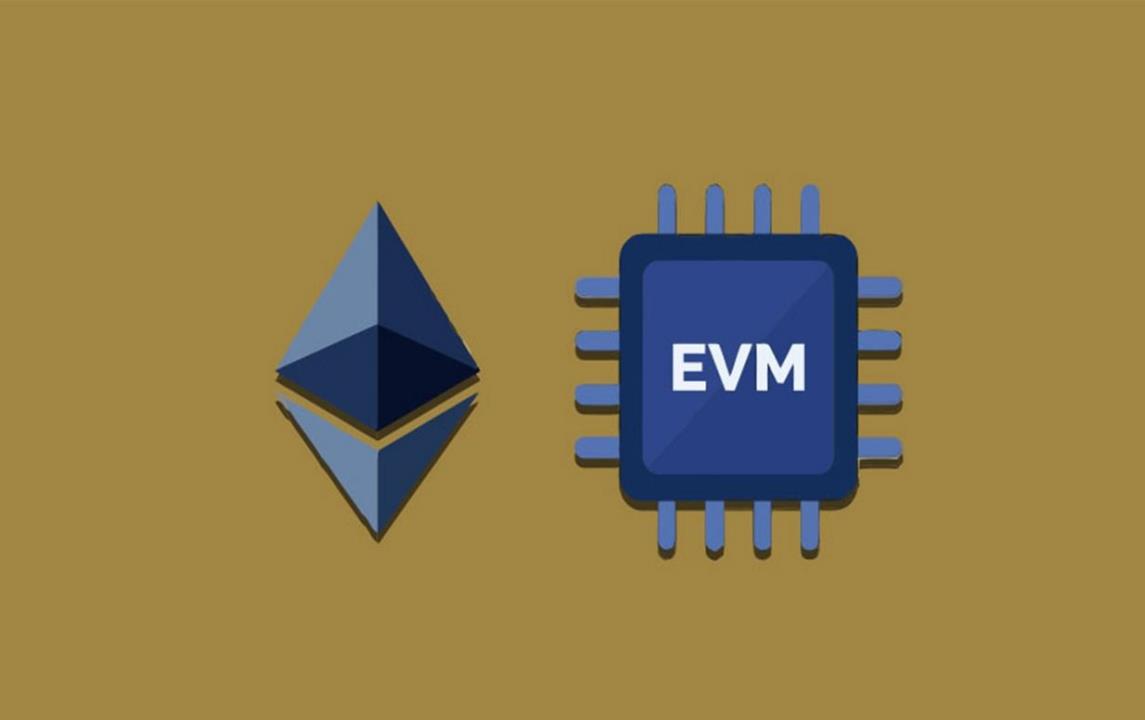
The Ethereum Virtual Machine (EVM) was the first virtual machine created for the blockchain industry. It serves as an abstraction layer between physical machines (nodes) and smart contract code, isolating programs running on it from each other and from Ethereum’s main chain. Simply put, it enables rapid development and iteration by leveraging the Ethereum ecosystem, reducing development workload and avoiding starting from scratch. Every Ethereum node runs an instance of the EVM, collectively forming a network or globally decentralized computer. As Vitalik Buterin once said, Ethereum is even referred to as the “world computer.”
The EVM is the heart and soul of the Ethereum network and the platform where smart contracts are deployed and executed. While its physical instantiation cannot be described like clouds or waves, it does exist as an entity maintained by thousands of interconnected computers running Ethereum clients. The EVM is Turing-complete, meaning it can find solutions to any computable problem. Users can create smart contracts using Ethereum’s programming language Solidity and send them to the EVM for interpretation and execution. In short, the main benefit of EVM is easier interoperability with the Ethereum ecosystem, allowing inheritance of existing dApps on Ethereum. However, the downside is clear: projects are constrained by Ethereum's roadmap and must follow Ethereum’s pace.
Non-EVM Virtual Machines
Other blockchains have chosen paths different from EVM compatibility and are known as non-EVM blockchains. Non-EVM refers to virtual machines built independently of the Ethereum ecosystem—blockchain platforms rebuilt from scratch by developers and project teams. This means non-EVM chains are independent of Ethereum’s roadmap, often offering lower fees and faster speeds than Ethereum. However, they face significant challenges: both developers and users must enter a new ecosystem, resulting in higher entry barriers. Despite this, non-EVM chains clearly offer greater innovation potential, free from Ethereum’s limitations.
Differences Between EVM and Non-EVM
EVM is compatible with Ethereum, while non-EVM is not. To illustrate, think of them as two different smartphone operating systems: if Android represents EVM and iOS represents non-EVM, then all apps developed for Android can run on Android devices—we refer to these collectively as EVM. Apps developed for iOS, however, cannot be installed or used on Android systems and are categorized as non-EVM.
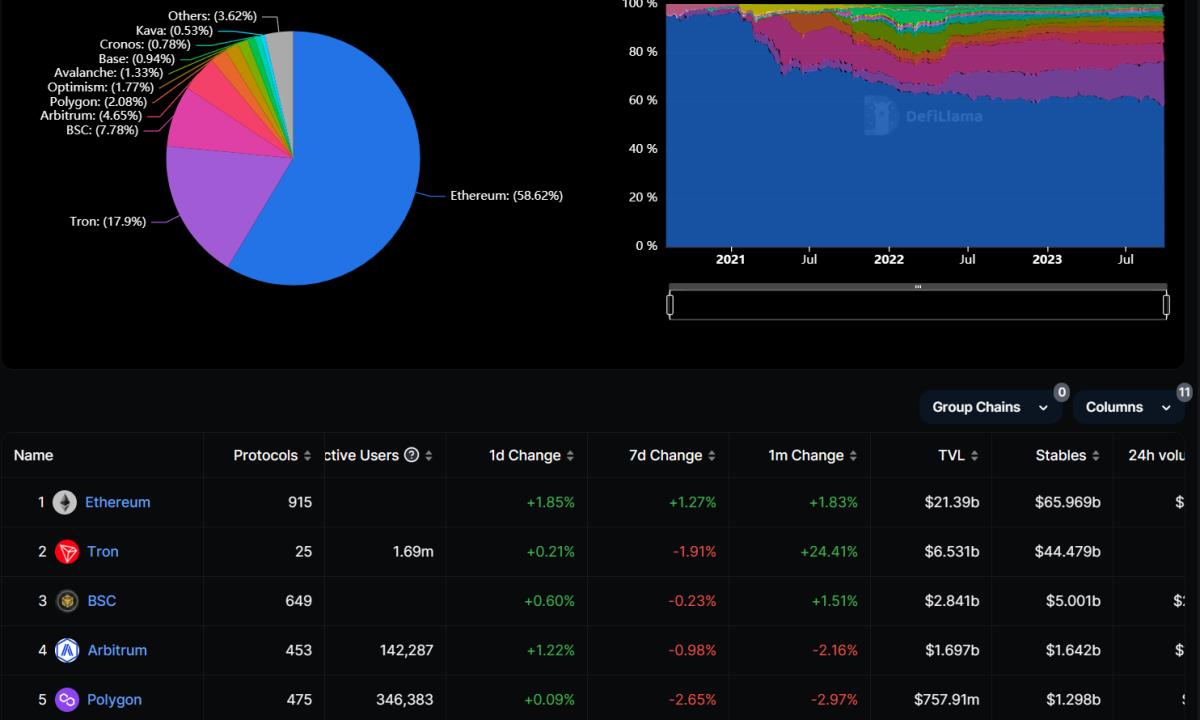
Well-known EVM chains include Ethereum, BSC, Arbitrum, Polygon, Avalanche, etc., while notable non-EVM chains include Solana, Mixin, DeFiChain, Osmosis, EOS, among others.
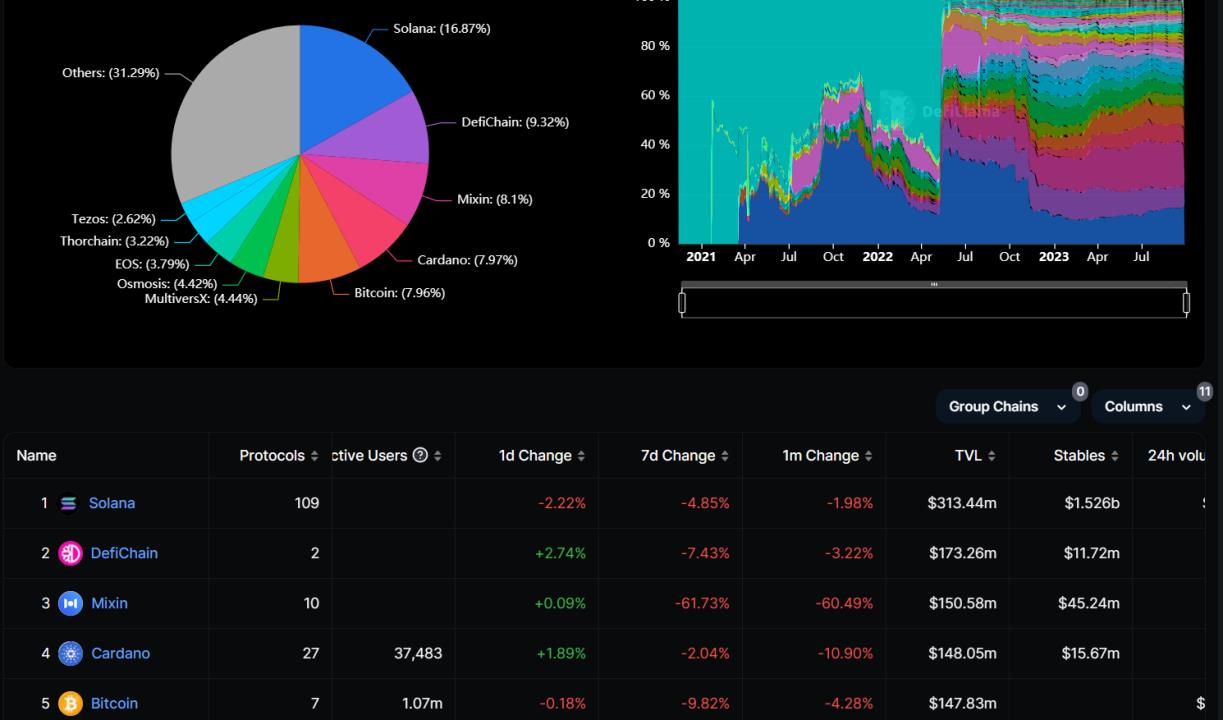
Currently, most of the top ten blockchains are EVM-compatible, making EVM the market leader among public chains. However, emerging non-EVM blockchains are growing rapidly.
Functions of EVM and Non-EVM
EVM and non-EVM (collectively referred to here as blockchain virtual machines) function to determine and track the state of each network block. While this may sound like a monitoring tool, it actually refers to state transitions—the signals or causes of actions within various computing systems. For example, state changes occur when something is turned on or off, activated or deactivated, sent or received, or when files or documents are moved. These state transitions lead to modifications in the data structures of computing systems.
Blockchain virtual machines monitor changes in network and dApp states, enabling the public chain and its dApps to operate in a decentralized manner while addressing issues such as network congestion or transaction prioritization. In this way, blockchain virtual machines allow any developer to run code without relying on third-party trust ecosystems, ensuring that software execution and interactions produce guaranteed and predictable outcomes.
The Debate Between EVM and Non-EVM
There has long been debate between EVM and non-EVM chains. Although EVM appears to be the obvious winner, non-EVM chains like Solana have made the competition noteworthy. EVM compatibility remains a primary criterion when evaluating public chain platforms.
Leveraging Ethereum’s advantages, EVM-compatible public chains can quickly acquire users and grow in their early stages, benefiting from developer-friendliness, user experience, and ecosystem incentives—but they must compete with many other chains within the Ethereum ecosystem. In contrast, non-EVM-compatible chains have more room to grow in emerging trend areas and niche markets. Moreover, diverse public chains can achieve success across fields such as NFTs, GameFi, and payments.
Overall, it is difficult to say definitively whether EVM or non-EVM chains are better. Attracting Ethereum traffic remains the fastest growth path for new chains, and EVM compatibility offers the most convenient solution. Meanwhile, non-EVM chains can choose their own direction based on needs, free from constraints imposed by Ethereum’s main chain.
Let us examine their respective pros and cons to better understand the realities of EVM and non-EVM.
Advantages and Disadvantages of EVM and Non-EVM
EVM
Advantages of EVM
As mentioned earlier, the EVM allows anyone to develop decentralized applications without security barriers or restrictions. Its scalability and relatively simple migration process from the Ethereum ecosystem make projects more accessible to users. Thanks to the convenience of EVM, NFTs have become one of the breakout phenomena in the crypto world.
Disadvantages of EVM
Despite being decentralized, EVM networks are not fully decentralized. The vast majority of Ethereum nodes are hosted on centralized cloud servers like Amazon Web Services. If these providers decide for any reason to oppose Ethereum, nodes could be shut down, harming the network.
During network congestion, gas fees can become very high. This may cause serious inconvenience to Ethereum users—while those sending large transactions may not be affected, users conducting small transactions might face access issues for extended periods. When many users interact with DApp smart contracts and execute numerous transactions, excessively high gas fees can negatively impact projects.
Due to its rigid bytecode language and native functions, the EVM is overly complex and lacks sufficient virtual machine features for robust security design. Additionally, because of Ethereum and EVM rules, designers must implement many critical parts of EVM functionality and execution models themselves.
Non-EVM
Advantages of Non-EVM Blockchains
Non-EVM enables programmers to expand their user base and application scope. For example, Raydium and Serum are projects exclusive to the Solana chain. Terra was once a unique public chain aiming to connect on-chain and off-chain payments. Furthermore, platforms incompatible with EVM can offer end-users faster transaction times and cheaper costs.
These advantages make non-EVM blockchains strong contenders in specific use cases and markets, offering developers and users greater choice and flexibility.
Disadvantages of Non-EVM Blockchains
High development cost: Chains incompatible with EVM may require additional development efforts to adapt to their unique ecosystems and rules, potentially increasing development expenses.
High barrier to entry: Non-EVM compatible chains may present higher entry thresholds for developers and users, who need to adapt to new tools, technologies, and ecosystems.
Difficulty in project migration: Migrating projects from EVM-compatible chains to non-EVM chains may face challenges, including rewriting smart contracts and adapting to new ecosystems.
Due to the clear disadvantage in terms of project quantity, developers tend to favor EVM-compatible chains.
They can quickly copy and deploy onto new chains, helping save time and costs.
Conclusion
So, in the competition between EVM and non-EVM chains, who wins? There is no clear victor, as each case is unique and developers must select the public chain that best aligns with their project's trajectory. Different projects and use cases may suit different chains better, so no single chain can be universally deemed superior. Decisions should be based on specific requirements and project goals. EVM compatibility helps developers attract traffic and expand ecosystems, as Ethereum users can quickly migrate to new chains. At the same time, non-EVM compatibility undoubtedly allows greater experimentation and innovation.
In the blockchain space, no single chain can meet all needs. Therefore, developers and project teams must make choices based on their unique objectives and use cases to achieve optimal results. In the long run, the future will not be dominated by EVM alone—multi-chain coexistence is the direction of blockchain evolution. After all, diversity and continuous evolution are intrinsic characteristics of blockchain ecosystems.
Join TechFlow official community to stay tuned
Telegram:https://t.me/TechFlowDaily
X (Twitter):https://x.com/TechFlowPost
X (Twitter) EN:https://x.com/BlockFlow_News
 @TrendX_official