








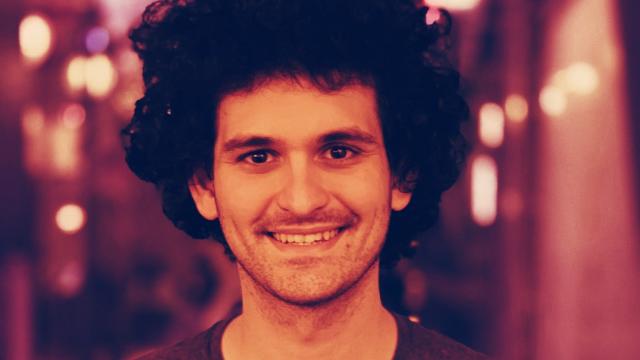
How SBF's Elite Parents Helped Build His Crypto Empire – A 10,000-Word Investigation
TechFlow Selected TechFlow Selected
How SBF's Elite Parents Helped Build His Crypto Empire – A 10,000-Word Investigation
Great heights are built from the ground up; FTX's success was not the achievement of one person alone. SBF's parents, both renowned scholars at Stanford University, opened doors for him and brought a halo effect to the company.
 Navigating Web3 tides with focused insights
By Max Chafkin & Hannah Miller, Bloomberg
Translated by Felix & Joy, PANews
In the Sam Bankman-Fried (SBF) household, Larry David was a favorite. So when SBF’s parents received an email from their son, their excitement was understandable. SBF wrote that his company FTX would air a commercial during the 2022 Super Bowl, starring the famously grumpy comedian.
The irascible comic, known for playing skeptics throughout history, essentially reprised his role from HBO’s “Curb Your Enthusiasm” in Neolithic and Elizabethan eras. In the ad, someone presents an invention—wheels, light bulbs, Walkmans—and finally FTX. David dismisses each one in turn. The message warned viewers they’d miss out on a historic chance to get rich if they didn’t invest in cryptocurrency. The tagline: “Don’t be like Larry.”
SBF’s parents loved it. “Surreal,” Barbara Fried, SBF’s mother, wrote. Joseph Bankman, SBF’s father, gushed about how thrilled and proud he was. A few days later, employees received additional feedback from Sam’s older brother Gabe. He asked whether his father could appear in the ad, saying his dad was too humble to make the request himself. In a way, the ask was strange. Joseph Bankman had no formal position at FTX then, nor did Gabe. Gabe ran a nonprofit backed by FTX focused on preventing pandemics.
Soon after, Joseph Bankman appeared on set for a scene where David strongly opposes the Declaration of Independence. When told “people should have the right to vote,” David incredulously replies, “Even stupid people?” Wearing a powdered wig, Joseph shouts back: “Yes!” FTX spent roughly $20 million producing and airing the 60-second ad. Around the same time, Joseph Bankman officially joined the company as an employee.
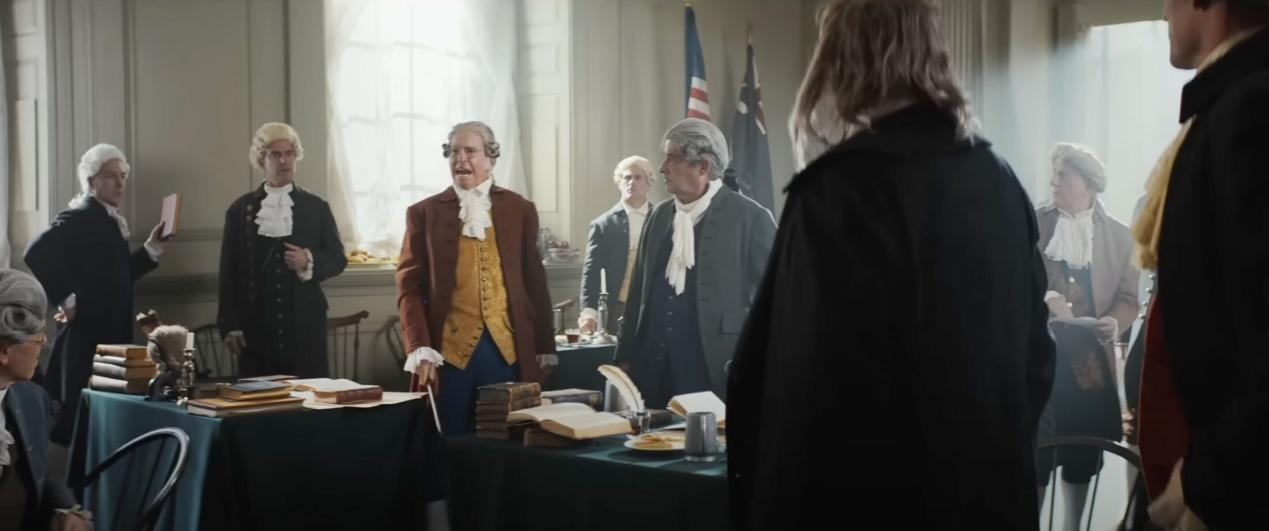
Screenshot from FTX’s Super Bowl ad with Larry David
To someone familiar with the making of the ad, the decision to cast the boss’s father made a certain sense within FTX’s upside-down logic. Like most people interviewed for this story, this person requested anonymity to avoid entanglement with the messy bankruptcy, numerous class-action lawsuits, and several criminal cases. In a way, Joseph Bankman was a founder of the company.
Long before their son was accused of fraud, both parents had distinguished careers. They met at Stanford University in the 1980s and taught law for over three decades, living on campus and raising two sons. Joseph Bankman, a tax expert, was known for advocating reforms to make the U.S. tax code friendlier to low-income citizens. Barbara Fried was an authority on legal ethics and held sway in progressive political circles.
By the time the ad aired, critics were already warning that FTX was luring uninformed investors with highly risky financial instruments mostly banned in the U.S. Then the money vanished—transferred without customers’ knowledge to a hedge fund owned by SBF. FTX collapsed and filed for bankruptcy in November 2022.
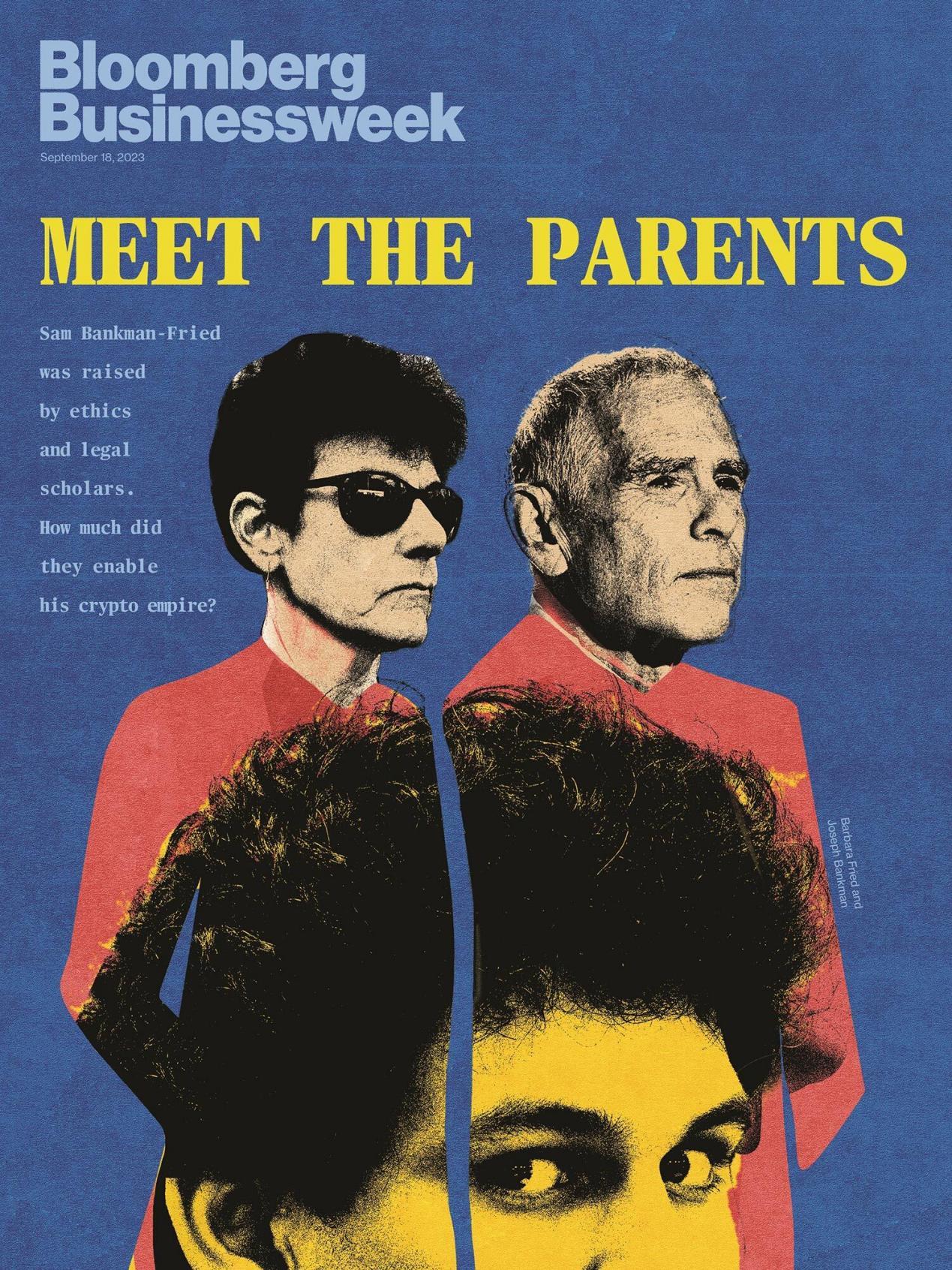
Bloomberg Businessweek cover
John Ray III, who previously oversaw the Enron bankruptcy, now leads FTX’s bankruptcy proceedings—and says this case is worse (note: Enron refers to the 2001 collapse of Enron Corp., once among the world’s largest energy firms. On December 2, 2001, Enron filed for bankruptcy protection amid accounting scandals, marking the second-largest corporate bankruptcy in U.S. history). SBF is accused of using customer funds to enrich himself, family members, and insiders, and Ray is seeking to recover some of those assets. For SBF, even more ominous is the criminal case set to begin October 2 in New York City. Prosecutors haven’t charged his parents with wrongdoing, but they’ve indicted SBF on counts including fraud, money laundering, and bribery. At his peak, SBF’s net worth was estimated at $26 billion. This trial could send him to prison for life. But so far he has pleaded not guilty, blaming mismanagement rather than crime.
Joseph Bankman and Barbara Fried have avoided much of the scrutiny swirling around FTX. That’s partly because they haven’t fully explained their roles in helping their son build a vast business and political influence network. Instead, they’re often portrayed as bystanders, frequently in tears, offering emotional support during their son’s repeated court appearances. Yet their names will almost certainly surface during the trial. The defense team has indicated its strategy may partly hinge on advice SBF received from lawyers—including his parents.
The couple’s spokesperson, Risa Heller, declined interview requests for Joseph Bankman and Barbara Fried. Heller previously stated the pair had little connection to FTX beyond being supportive parents. She said Barbara Fried never worked at the company, while Joseph Bankman’s brief tenure focused primarily on charitable efforts. Last year, SBF told The New York Times his parents weren’t involved in “any relevant part” of his companies.
Former employees and business partners say that wasn’t their impression at the time. Legal documents show Joseph Bankman and Barbara Fried were crucial to their son’s transformation from awkward startup nerd to crypto tycoon. The couple reaped massive profits from FTX, earning $26 million in cash and real estate in 2022 alone. They were frequent visitors to company offices, boosting morale and included in internal communications. Their reputations and networks were vital to FTX’s success.
As one flattering article from Sequoia Capital, one of FTX’s biggest investors, put it, their child seemed “born to be a crypto exchange founder and CEO.” The piece tried to explain why one of Silicon Valley’s most respected venture capital firms gave $150 million to a young man who played video games during investor pitches. It offered two supporting points: First, SBF briefly worked at a Wall Street trading firm. Second, his parents were law professors at Stanford.
In Silicon Valley, no one wants to believe they benefit from privilege. Venture capitalists and entrepreneurs who read Ayn Rand bristle at suggestions their decisions aren’t purely rational. Yet Silicon Valley’s reflexive elitism is so evident it goes unmentioned. Investors overwhelmingly favor white-run companies founded by graduates of a handful of elite universities, dismissing anyone who deviates from their superficial image of what a successful founder should look, sound, or act like. Some openly discriminate against founders over 30, those with accents, or anyone who doesn’t seem already wealthy.
Within this deeply privileged world, Stanford stands supreme—the birthplace of Hewlett-Packard, Sun Microsystems, Cisco, Yahoo, Google, and PayPal. Barbara Fried brought credentials from Harvard, Harvard Law School, the U.S. Court of Appeals for the Second Circuit, and Paul, Weiss law firm. In 1987, she arrived at Stanford as a tenured professor and rented a house on campus. A year later, she met Joseph Bankman. Joseph, a graduate of UC Berkeley and Yale Law School, came to Stanford after working as a tax attorney in Los Angeles. After securing tenure in his second year, Barbara and Joseph (as they were known on campus) went public with their relationship. They moved in together, and when Barbara’s rental sold in 1991, they bought it.

The Bankman and Fried home on Stanford’s campus
The house where SBF grew up—and where he was placed under house arrest in early 2023—sits at the end of Cooksey Lane. Valued at $3.6 million, that figure reflects Palo Alto’s decades-long real estate boom more than any assessment of luxury. It’s a fairly ordinary gray Craftsman-style home with four bedrooms, three bathrooms, a spacious porch, and a pool, nestled on a large lot surrounded by towering trees. Behind the property lies the Lou Henry Hoover House, a modernist building once home to former President Herbert Hoover and now the residence of Stanford’s president.
During SBF’s childhood, the surroundings teemed with young intellectuals—not just law professors and students, but sociologists, engineers, AI researchers, classicists, and social scientists. On Sunday nights, Joseph would order takeout or cook something simple like pasta, then seat 15 guests in the dining room for conversations usually centered on philosophy and politics. SBF and Gabe, even as teenagers, sometimes joined in. Joseph and Barbara were proudly and staunchly philanthropic. They never married, telling friends it felt unfair when same-sex couples couldn’t. “They felt they shouldn’t take advantage of something not available to others,” said Paul Brest, former dean of Stanford Law School. “They were deeply moral people.”
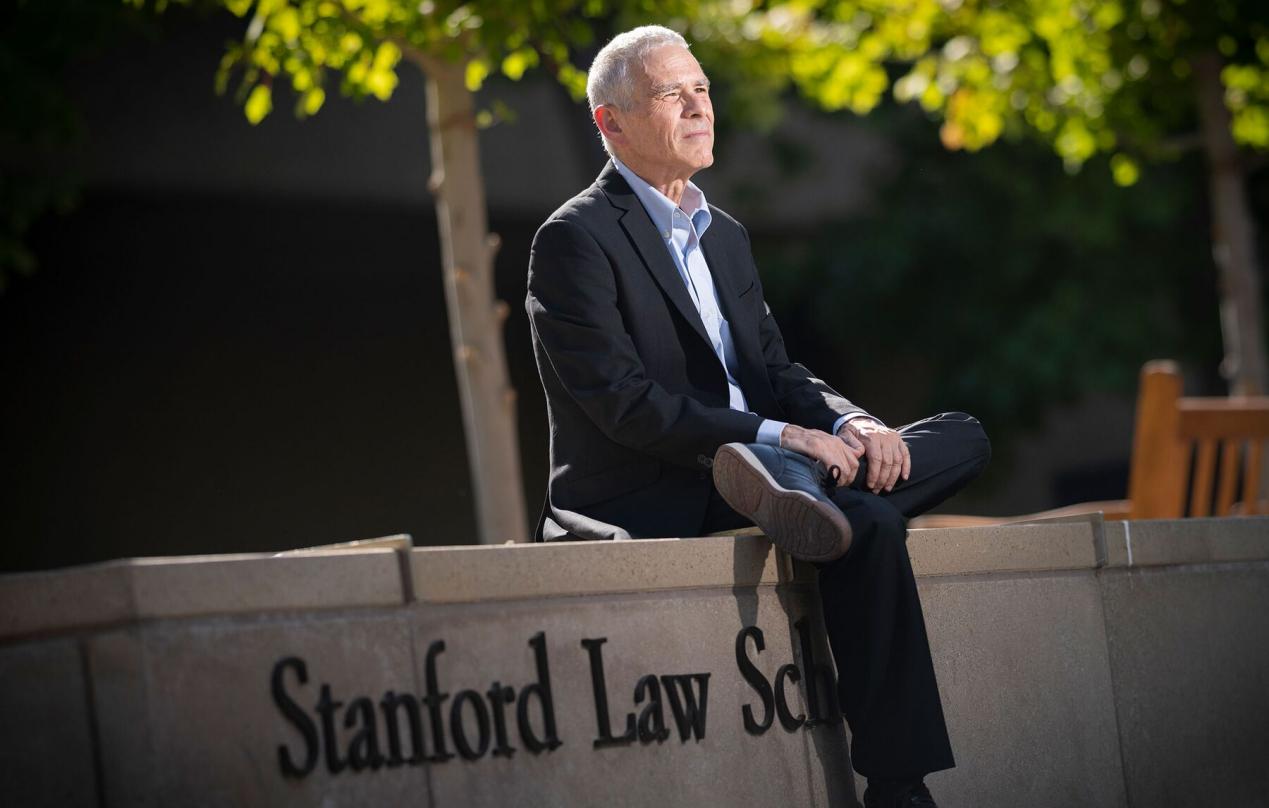
Joseph Bankman at Stanford Law School in 2021
In youth, Joseph had dark curly hair—something his son inherited—along with a warm demeanor his son lacked. The couple sent their children to Crystal Springs Uplands School, a $60,000-a-year prep school filled with kids from Silicon Valley families. By then, Joseph had become one of America’s leading experts on tax policy. He proposed a pilot program urging California to let the state file taxes for residents. The plan drew fierce opposition from tax-prep companies and small-government ideologues, making Joseph a hero to reform-minded liberals.
To fellow academics, Joseph was a compassionate and forgiving mentor. Rutgers professor Jay Soled recalled Joseph comforting him after a failed presentation. “That’s just Joseph,” he said. “There’ll be another chance. You’ll only improve.” In 2009, while still teaching a full course load, Joseph entered medical school to become a clinical psychologist. After interning, he began part-time cognitive behavioral therapy while co-teaching an elective with Barbara designed to help law students manage anxiety.
Barbara Fried was an even sharper intellect than her husband. Though popular on campus, she gained a reputation for provoking student anxiety while helping them manage it. Her academic focus was on consequentialism, an ethical branch holding that outcomes matter more than abstract notions of right and wrong. These ideas became something of a family creed: do good for as many people as possible—but less charitably summarized as “the ends justify the means.”
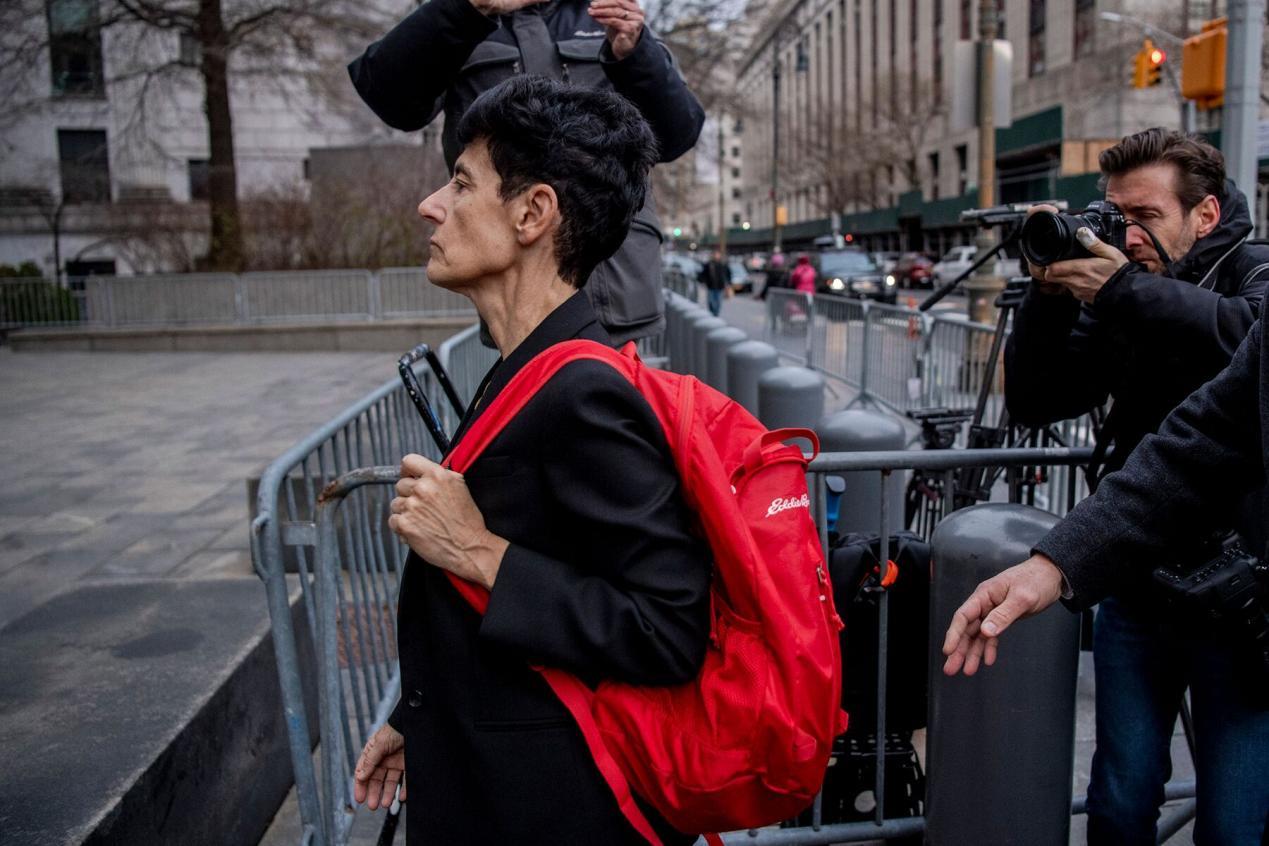
Barbara Fried
Barbara Fried’s most famous paper focused on the “trolley problem,” a well-known thought experiment involving a train destined for tragedy. Philosophers mainly use it to debate moral choices: Should you divert the train and kill one person on the side track, or do nothing and let a group die on the main line? Barbara argued the question was nonsense, distracting from real moral choices policymakers face—like how much aid to give the poor or healthcare to the uninsured. “There are hundreds of thousands of pages on this,” said Paul Brest, former dean of Stanford Law School. “My sense is that once Barbara solved the trolley problem, there was nothing left to say.”
SBF placed his mother’s self-assurance at the center of FTX’s marketing. His company might formally sell cryptocurrency, but that was just a revenue stream for life-saving causes. In a campaign across fashion magazines, SBF and Brazilian supermodel Gisele Bündchen starred in ads quoting the FTX founder: “I’m in crypto because I want to have the greatest global impact forever.” Barbara’s work was repeatedly cited in her son’s biography, often used to suggest SBF was a less cynical billionaire.
Barbara Fried’s second-most famous article is even more relevant to her son’s current situation. Published in 2013 as a cover story in the quarterly Boston Review, it advocated greater leniency toward lawbreakers. “The philosophy of personal responsibility ruined criminal justice,” Barbara wrote. The article’s title: “Beyond Blame.”
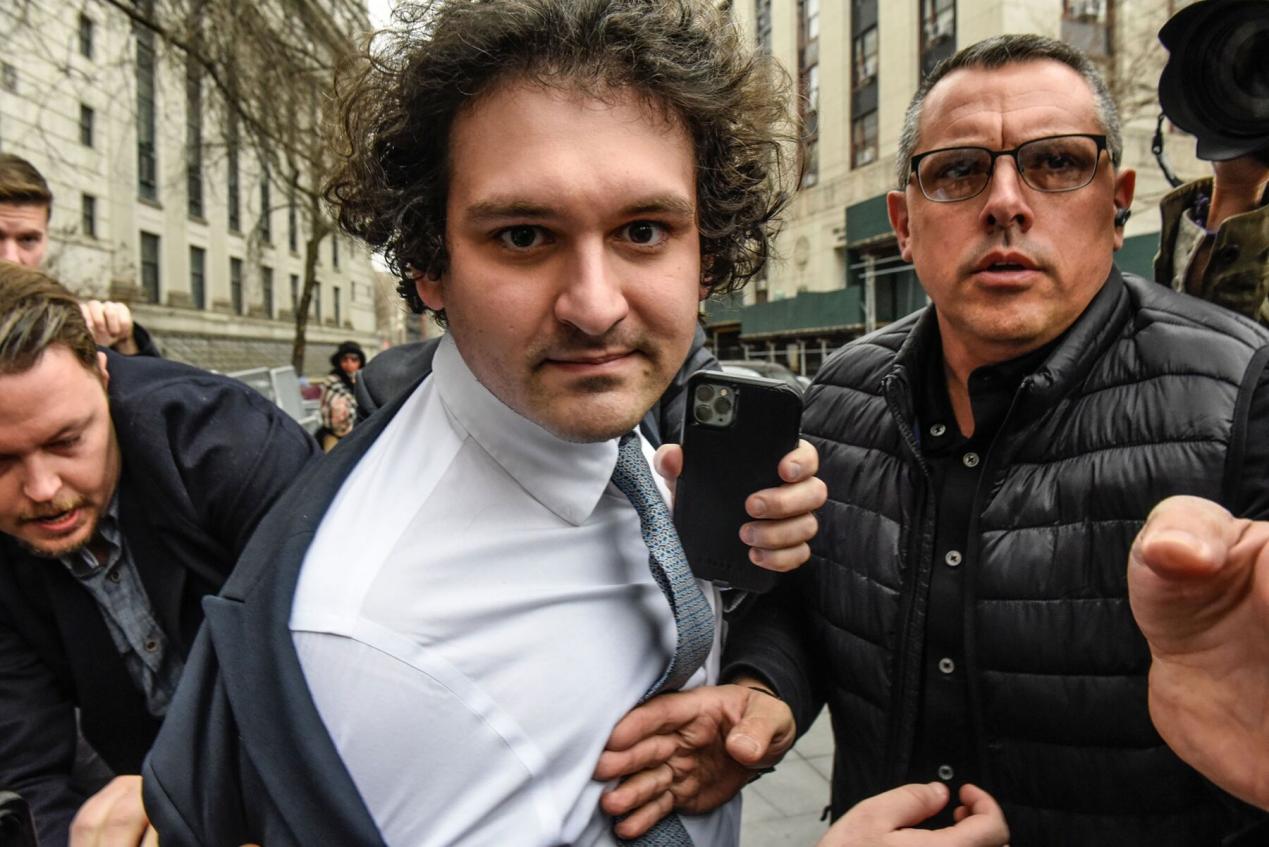
SBF
Beyond promises of doing good, running a crypto business was always legally complicated. SBF founded Alameda Research in 2017, a hedge fund aiming to exploit price differences in cryptocurrencies traded across Asia and the U.S. Soon, the fund was moving huge sums across continents in ways that looked—just as he bragged on podcasts—identical to money laundering. Alameda struggled to open bank accounts.
SBF needed lawyers. Fortunately, one was perfectly suited. In August 2022, Joseph Bankman said on the FTX podcast: “From the beginning, whenever I could be useful, I stepped in.” He added that the company had no lawyer then, “so my role seemed obvious.”
Former Alameda staff said Joseph helped draft early legal documents. Invoices from Alameda’s law firm Fenwick & West list Joseph as attending meetings, suggesting he was involved not just in tax issues but also in developing marketing materials for FTX and FTT.
FTX was headquartered in Hong Kong until 2021, when the government cracked down on crypto. A person familiar with FTX’s operations said Joseph played a key role in deciding to relocate to the Bahamas, which imposed almost no restrictions on digital currencies. Specific arrangements were handled by a lawyer Joseph personally hired—Daniel Friedberg, formerly of Fenwick & West, who later became FTX’s general counsel.
To employees, SBF gave the impression he frequently consulted his father. One former staffer said when legal advice was offered, SBF typically replied it sounded good—but he wanted to “call Joseph Bankman” first. The employee added that nearly every lawyer working for Alameda seemed friendly with Joseph Bankman.
Other former employees said SBF sometimes avoided eye contact and could be blunt, even harsh, whereas his father was socially adept. Training as a therapist made Joseph an excellent listener, and he was also an energetic conversationalist. Joseph asked about employees’ personal lives, attended cricket matches (a sport staff enjoyed), and showed up at company dinners. Barbara Fried also attended FTX dinners but visited the office less often. Both served as intermediaries between staff and their son. If SBF said something cruel or incomprehensible, his father would try to explain—or simply say he understood his son could be difficult. Another employee recalled Joseph was seen as “the lovable old man, capable but non-threatening,” someone who kept his son in check.
But Joseph Bankman and Barbara Fried’s most important role was lending credibility to their son—credibility that might otherwise elude someone seen as a crude upstart. According to two people familiar, in 2021, when SBF approached Sequoia Capital for major investment, the firm was interested in backing a global crypto exchange but worried about potential legal and regulatory risks.
FTX operated overseas on the legal fringe. To put it mildly, founders of many competing firms seemed morally flexible. Zhao Changpeng of Binance is under investigation by U.S. and other authorities. He denies wrongdoing but refuses to disclose his company’s exact headquarters. BitMEX co-founder and then-CEO Arthur Hayes was sued for failing to stop money laundering on the platform. According to a federal indictment, he boasted of locating BitMEX’s base in Seychelles, a tiny East African island chain, because bribing regulators there “only cost a coconut.” He resigned and eventually turned himself in before pleading guilty.
FTX’s core business was identical to Binance and BitMEX, but SBF firmly believed his long-term goal—U.S. regulatory approval—set him apart. Plus, he had something others didn’t: endorsement from a former SEC commissioner. According to sources, a call from a prominent ex-U.S. SEC official convinced Sequoia to invest. This former official, who had informally advised the firm on prior deals, now taught at Stanford. He endorsed FTX’s legal strategy—operating abroad while pursuing U.S. regulator approval—and noted SBF happened to be his friend’s son.
That endorsement was one way “Sam’s parents undoubtedly opened doors,” said someone involved in SBF’s efforts to win acceptance from U.S. political figures.
By then, Barbara Fried had launched a left-wing super PAC called “Mind the Gap,” positioning itself as Silicon Valley’s wing of the “resistance movement.” The group advised prominent tech donors—including Google’s former CEO Eric Schmidt and LinkedIn co-founder Reid Hoffman—on where to direct campaign contributions. The elite donor circle welcomed a new member in 2020: Barbara Fried’s son, who donated over $5.5 million to Democrats and Democratic-aligned groups that year, instantly making him a Washington insider. In 2022, he donated about $40 million.
Barbara Fried directly funded candidates recommended by Mind the Gap. FTX’s former executive Nishad Singh admitted funneling customer funds to political causes supported by Barbara Fried and donated $1 million to Mind the Gap in 2021, making him the PAC’s top donor in the last election cycle. Mind the Gap hasn’t been accused of wrongdoing.
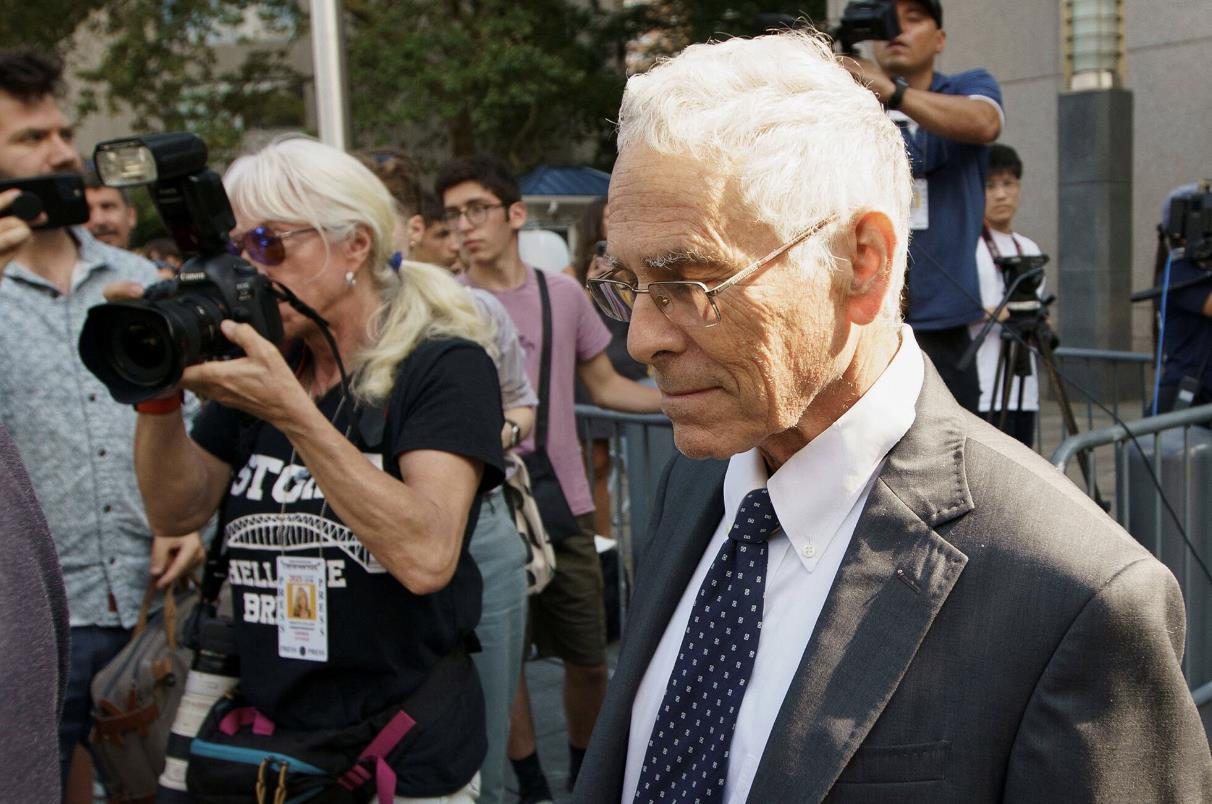
Joseph Bankman
Meanwhile, Joseph Bankman frequently accompanied his son to meetings with regulators and elected officials. He also appeared at FTX events as a spokesperson for the company’s charitable initiatives. Still advocating tax reform, he now sometimes promoted a new interest: cryptocurrency.
On the FTX podcast, Joseph promoted a pilot project he ran in South Florida providing poor people with digital wallets instead of bank accounts. “If you’re not part of the financial system, everything gets harder,” he said. “Cashing checks is expensive. Transferring money is expensive. It’s a national shame.” Joseph pledged FTX would fix this.
In magazine profiles and TV interviews, SBF projected humility. He wore worn sneakers, lived with roommates, drove a Toyota Corolla, and gave all his savings to charity. In early 2022, SBF told Bloomberg: “You quickly run out of effective ways to make yourself happier by spending money. I don’t want a yacht.”
In reality, SBF and his inner circle indulged lavishly. As described by staff working on the Super Bowl ad, the office felt like the Emerald City in The Wizard of Oz. The company bought hundreds of millions in luxury real estate, including a $30 million penthouse suite at the Bahamas’ most exclusive resort, where SBF and his associates lived. They chartered private jets and, since Amazon didn’t reliably serve the island, arranged dedicated package deliveries. And—as bankruptcy filings revealed—they even bought a 52-foot yacht, purchased by Alameda for Sam Trabucco, then co-CEO of the company.
SBF’s parents seemed to share in the spoils. They traveled first class, sometimes on private jets. Upon arriving in the Bahamas, they often stayed in a $16 million beachfront apartment. FTX spent roughly $250 million buying that residence and more than three dozen other properties on the island. SBF’s parents, through their spokesperson, said they viewed the apartment as company property, not theirs.
SBF echoed that view during a New York Times conference. “I knew it wasn’t their long-term property,” he said. “I don’t know how it got written up.”
A sales document obtained via Bahamian public records requests shows SBF’s parents signed as co-owners of the apartment on April 7, 2022, with a Bahamian notary as witness. The document doesn’t mention FTX and calls the property a “vacation home.” “The house was used as temporary housing while Joseph Bankman worked in the Bahamas,” the couple’s spokesperson said in a statement. “Outside counsel confirmed to Joseph Bankman and Barbara Fried that FTX would hold beneficial ownership of the house and agreed to document that in writing.”
Around the same time, Joseph received a $10 million gift from his son. FTX bankruptcy trustee Ray filed a lawsuit claiming SBF obtained the money by borrowing from an account containing customer funds. According to the complaint, he did so after consulting someone who had become a senior advisor on both personal and professional legal matters—his father. The suit alleges the loan was never formalized—no loan agreement, promissory note, “or other indication that SBF took these funds from Alameda for anything other than benefiting his family.” His father transferred nearly $7 million to personal bank accounts; the rest remained on FTX.
Given the constant rise in cryptocurrency prices at the time, keeping some savings on FTX seemed logical for Joseph Bankman—not to mention a chance to live his newly adopted values. But within months, a market-wide selloff caused him to lose $1 million and ultimately threatened FTX itself. As the company neared collapse, SBF publicly claimed everything was fine while turning to his father for help minimizing losses. “FTX’s assets are sufficient to cover all customer assets,” he wrote on Twitter (now called X), later deleted, “We don’t misuse (misappropriate) customer assets.”
Behind the scenes, his father conveyed a very different, ultimately more honest message: FTX was in trouble and needed cash. On November 7, as SBF posted false assurances, the next day he and his father hid with other executives trying to cope with what they called a run on the bank, a person familiar said. Joseph delivered the same message to investors, including Trump-era White House press secretary and financier Anthony Scaramucci, who said he first heard of FTX’s troubles on November 7.
Scaramucci said Joseph described a roughly $1 billion “liquidity mismatch” in an early morning call that day. But in a second call later, Joseph said the figure was actually $4.5 billion. Finally, Scaramucci learned from another FTX employee that the true shortfall was $7 billion. “I think Joseph wanted to help his son, but he got caught up in what happened,” Scaramucci said. “You want to believe the absolute best about your child.”
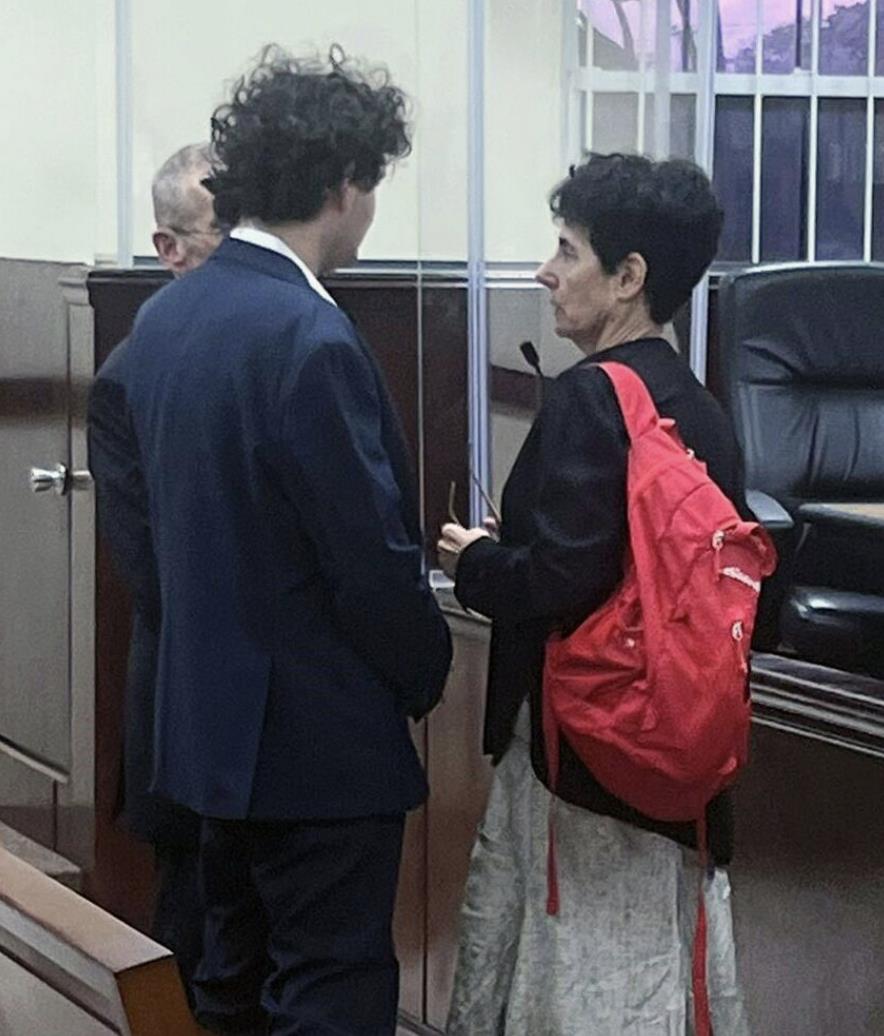
SBF and his mother
In the following days, Bankman appeared in emails sent to the Bahamian attorney general and the country’s top securities regulator, who received word of possible fund misappropriation and sent increasingly frantic messages asking what exactly was happening. SBF copied his father, attempting to delay their travel plans. He mentioned a “liquidity gap” and promised the company was doing everything possible to find investors. In a subsequent email, his father—also copied—offered to repay Bahamian investors ahead of others—a proposal federal prosecutors believe was essentially an attempt to “buy” influence in the country.
Just before filing for bankruptcy, Bankman urged regulators and creditors to avoid hasty judgments. According to sources, his initial stance was that FTX’s managers were merely mistaken children. He explained they would return the money, and everyone could move on.
Yet SBF’s parents made no effort to return the cash. They haven’t explained why, but lawsuits filed by Ray on behalf of FTX creditors suggest a reason: they needed the money to fund their son’s criminal defense.
SBF was arrested in mid-December last year, extradited to the U.S., and released on bail. His $250 million bail was secured by deeds to his parents’ Stanford home and bonds provided by two colleagues of his parents at the university. While awaiting trial, SBF was required to stay at home. This sudden reversal shocked friends and Stanford faculty, who had just grown accustomed to seeing the kid from Joe and Barb’s house as a crypto billionaire. Now he stood accused of masterminding one of the largest frauds in U.S. history. Security barriers went up along the road to their home. Students and media gathered to watch; SBF’s parents told friends they bought a German shepherd due to safety concerns.
“It’s all pathological conspiracy,” said Tim Rosenberger, who graduated from law school earlier this year. “Are they hiring a new professor? Who’s teaching tax law?”
Among former FTX employees’ group chats, debates raged over whether the parents knew about the alleged crimes. Meanwhile, friends of the couple struggled to understand how two people known for integrity could commit such grave ethical lapses. In August, prosecutors accused SBF of leaking damaging information about a former employee to intimidate witnesses. His lawyers denied the claim, but he was sent to Brooklyn’s Metropolitan Detention Center.
When her son was detained, Barbara Fried wept in the courtroom audience, trying to approach him. “That’s my son!” she cried when a U.S. marshal stopped her. She watched SBF remove his jacket, untie his tie, and bend down to unlace his dress shoes per standard procedure. As his mother sobbed, his father wrapped an arm around her shoulders.
Friends say they worry about the couple. Neither parent has taught since SBF’s arrest. Joseph canceled his courses; Barbara retired from the school two months before FTX collapsed and stepped down from her political nonprofit. “For something like this to happen to a family known for intelligence and public service,” said John Donohue III, a Stanford professor and longtime family friend, “it’s devastating.”
“It’s hard to think, ‘How could they not know?’” said another friend who asked not to be named. “The explanation that makes most sense to me is blind faith. They didn’t have the full picture.”
That’s certainly plausible. If prosecutors’ narrative is accurate, SBF’s deception was sociopathic—not just fooling investors, but business partners, even his own employees. It’s fair to say he may have exploited his parents—and their stellar academic credentials—to build an exploitative enterprise. SBF claimed multiple times he was a billionaire. Why wouldn’t he buy his parents a nice house? Why couldn’t his father join Larry David on the Super Bowl shoot?
But critics argue that even if they didn’t know about the alleged fund misuse, the parents still bear some responsibility. Barbara Fried’s moral compass may explain how her son could overlook glaring ethical flaws in service of what he saw as a greater good. By that logic: if the end result is billions flowing to charities saving the world, what’s a little fund misuse?
Meanwhile, Joseph Bankman’s involvement in giving legal advice now seems at least questionable. He participated in key decisions—including FTX’s launch, FTT’s creation, courting politicians, and dealing with Bahamian regulators—all criticized by regulators and prosecutors as potentially illegal. Joseph also helped hire FTX’s general counsel Friedberg, accused of enabling fraud and covering up exposure efforts, including bribing potential whistleblowers. These allegations appear in lawsuits filed on behalf of FTX creditors, including a quote from Joseph to his son urging reliance on Friedberg so “we only have one person responsible for everything.” Friedberg denies wrongdoing and hasn’t been criminally charged, but critics say his background warrants caution—including work at a Canadian online poker site accused of cheating players during his tenure.
Then there’s Stanford itself. Just one month before SBF’s arrest, Elizabeth Holmes was sentenced to 11 years in prison for fraud at Theranos Inc., the medical device company she started as a student, recruiting prominent faculty as employees and directors. Combined with Stanford President Marc Tessier-Lavigne’s resignation over allegations of data manipulation in multiple academic papers, some professors and students began questioning why the school hadn’t detected misconduct sooner.
Defenders like Donohue argue Stanford wasn’t the cause of SBF’s alleged crimes—it was merely a backdrop. But backdrop matters. Coming from a place like Stanford, with accomplished parents, changes how the world views your flaws. Behaviors that might seem unserious—like playing video games during meetings—become clear signs of brilliance.
Over the past 10 months, SBF has tried to shift blame to former employees, lawyers, and business rivals, insisting his mistakes were careless, not malicious. “I messed up” was his exact phrasing in congressional testimony drafted before his arrest. He seems to suggest he was just a kid in way over his head.
Join TechFlow official community to stay tuned
Telegram:https://t.me/TechFlowDaily
X (Twitter):https://x.com/TechFlowPost
X (Twitter) EN:https://x.com/BlockFlow_News
 @Bloomberg






