How did SBF update his Twitter from a U.S. prison where phone use is banned?
TechFlow Selected TechFlow Selected
How did SBF update his Twitter from a U.S. prison where phone use is banned?
Can inmates use cell phones in U.S. federal prisons?
 Navigating Web3 tides with focused insights
By: Alex Liu, Foresight News
SBF Posts on X After Two Years, Sending Related Tokens Soaring
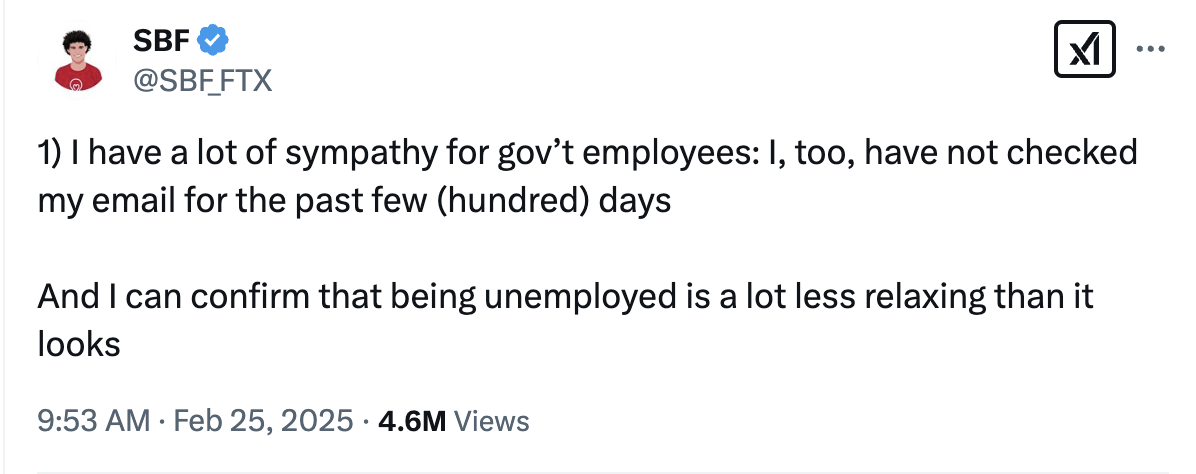
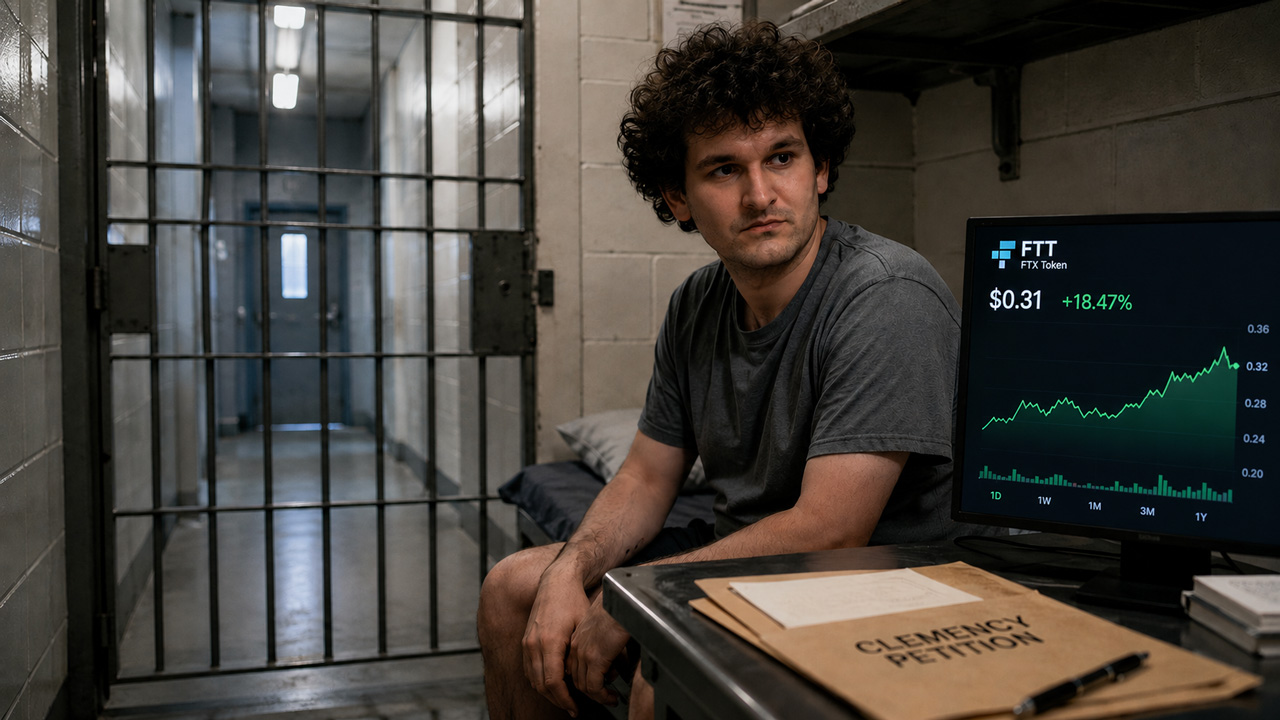
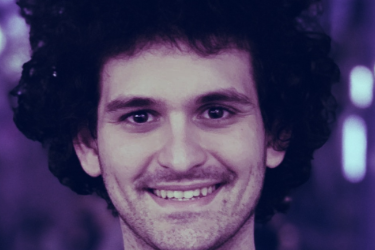
On February 25, Sam Bankman-Fried (SBF), sentenced to 25 years in prison due to the FTX collapse, suddenly posted a new update on his personal X account expressing sympathy for laid-off government workers. This marked the first post from the account on X since January 2023. Despite having nothing to do with cryptocurrency, SBF's activity still triggered a nearly 40% surge in the former FTX platform token FTT (now sharply pulled back) and a rally in related meme coins such as SBF.
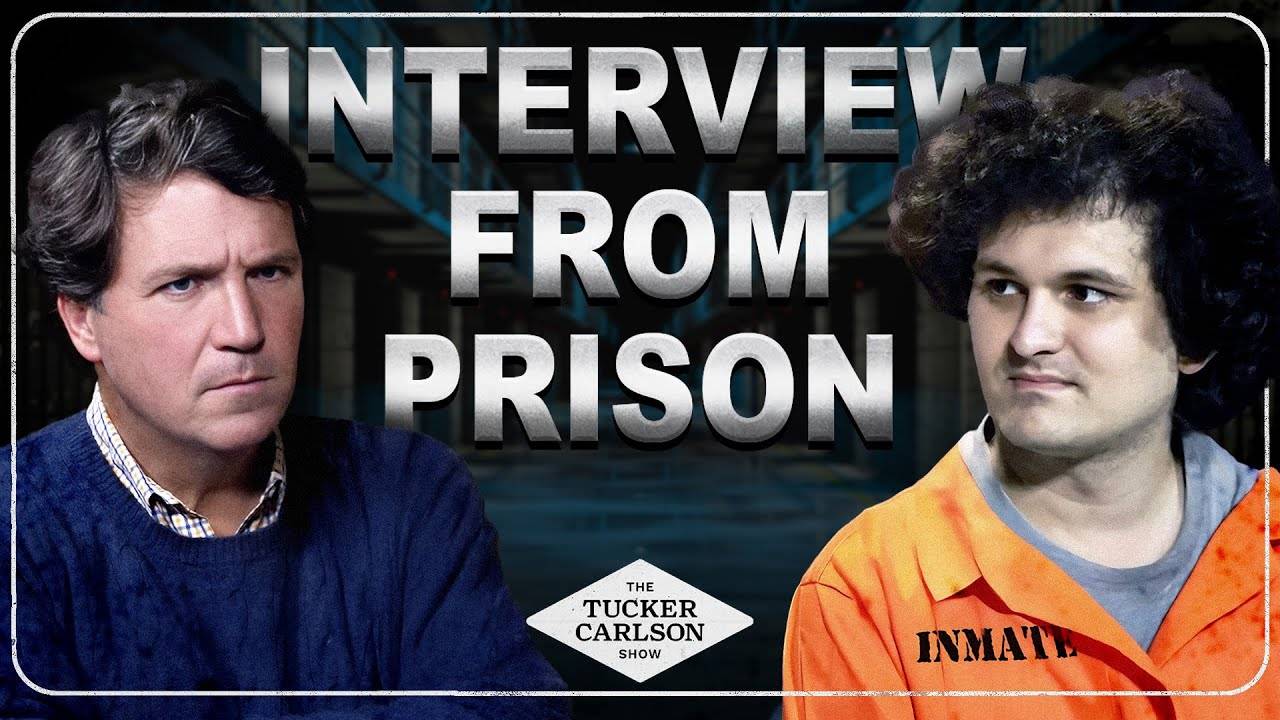
SBF was arrested in the Bahamas in December 2022, extradited to the United States in August 2023, found guilty of fraud in November of the same year, and formally detained at the Metropolitan Detention Center in Brooklyn, New York, in March 2024 (he may have been temporarily held there earlier). On May 22, 2024, it was reported by The Wall Street Journal that he would be transferred from the Brooklyn facility to the Federal Correctional Institution in Mendota, California—just 200 kilometers from his parents’ home.
Was SBF really using a mobile phone from inside prison to send this market-moving tweet? The reality is complicated.
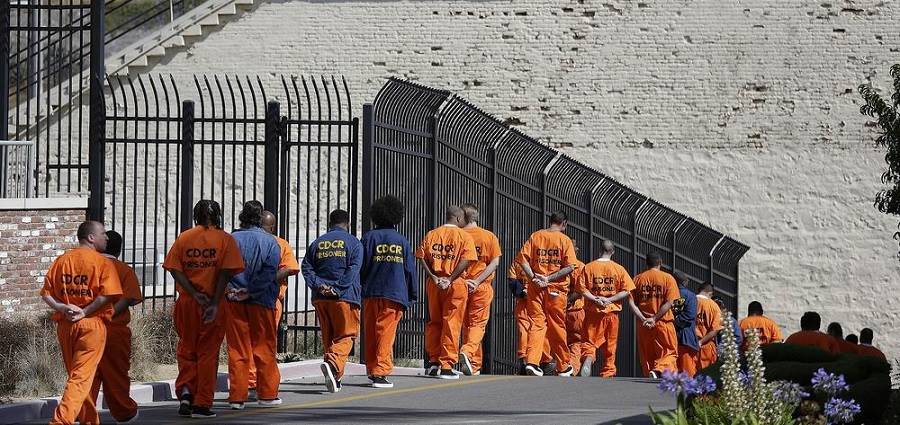
Before discussing individual cases, it’s important to understand the broader context: how long does someone sentenced to 25 years in the U.S. for financial fraud actually serve?
According to former federal prosecutor Mitchell Epner, under normal circumstances, SBF’s minimum time served would be around 12.5 years, achieved through two main forms of sentence reduction. First, inmates in the federal prison system can earn up to 54 days off their sentence per year for good behavior, amounting to roughly a 15% reduction.
More significantly, in 2018, the U.S. Congress passed the First Step Act, a criminal justice reform bill allowing non-violent federal offenders to reduce their sentences by up to 50%. While promoted as aiding minority offenders convicted of non-violent drug offenses, it has also become a benefit for white-collar criminals.
Finally, the U.S. judicial system allows courts to release prisoners early for extraordinary reasons—typically health issues. Since the pandemic, U.S. courts have become more willing to apply this provision to release inmates who have already served substantial time.
Yet SBF is certainly still in prison.
Federal Prison Cellphone Ban: Rules vs. Reality
Under Bureau of Prisons (BOP) Regulation No. 5265.11, inmates are prohibited from possessing cellphones or other electronic devices, and may only make monitored calls through the prison’s paid telephone system.
But reality is far more complex. Smuggling and black markets thrive: According to the BOP’s 2023 annual report, 24,000 cellphones were seized from inmates that year—an average of 67 devices per federal prison per month. Some inmates reportedly pay as much as $100 per minute to use smuggled phones via "special channels." Privilege loopholes exist: Former correctional officers told the New York Post that high-profile inmates often bribe staff for "special treatment," with one gang leader allegedly paying $200,000 for a phone. Attorney messaging channels: Lawyers may theoretically relay messages, though under strict scrutiny. In 2021, Mexican drug lord "El Chapo" Guzmán used notes smuggled by his lawyers to direct his cartel operations.
Two Possible Explanations for SBF’s Tweet
The current incident could be explained in the following ways:
Third-party account management: SBF may have handed over control of his account to someone else before incarceration—possibly a team member or family member.
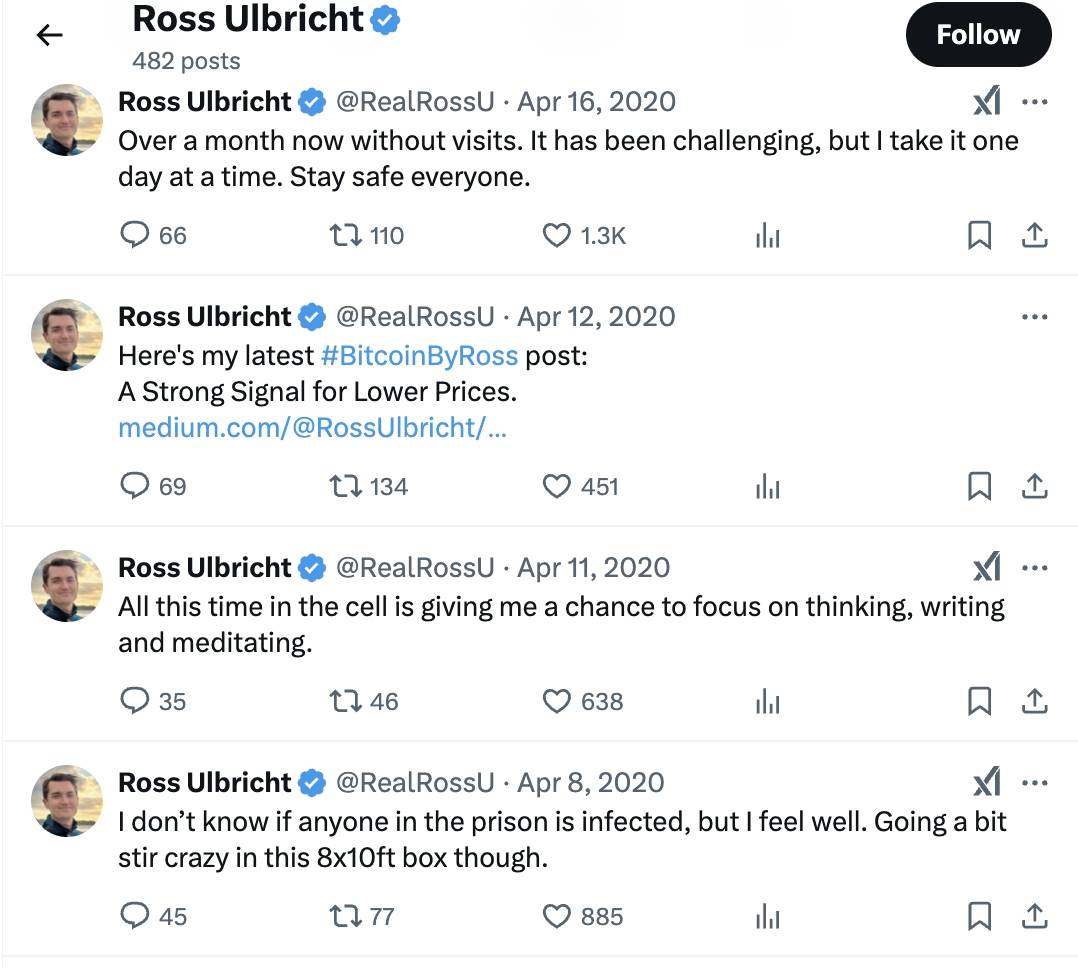
Ross, founder of the Silk Road dark web marketplace, was sentenced to life imprisonment after his arrest in 2013 but continued updating his Twitter account during incarceration—even after being pardoned by Trump.
Ross had no direct internet access in prison; instead, he communicated his thoughts and messages by handwriting notes.
His relatives or friends would then post the content to his Twitter account, enabling communication with the outside world.
For example, on August 10, 2018, he tweeted “Thank you all, you’re amazing” via this method, attaching a handwritten reply. Additionally, on April 8, 2020, he shared updates from prison via Twitter, stating although he couldn’t confirm if anyone in the facility had contracted COVID-19, he himself was feeling well.
Prison mismanagement: The Federal Correctional Institution in Mendota, California (FCI Mendota), where SBF is currently held, is classified as a “low-security facility,” housing only 931 inmates last year. Compared to the notorious detention conditions at the Metropolitan Detention Center in Brooklyn, New York, where he previously served time, this may offer SBF relatively lenient conditions. Given that FTX was previously a major donor to the Democratic Party, and SBF’s parents are both university professors belonging to the upper echelons of society, it’s possible SBF has become one of those “privileged inmates” capable of obtaining a cellphone inside prison.
A Cryptic Parable of the Crypto World
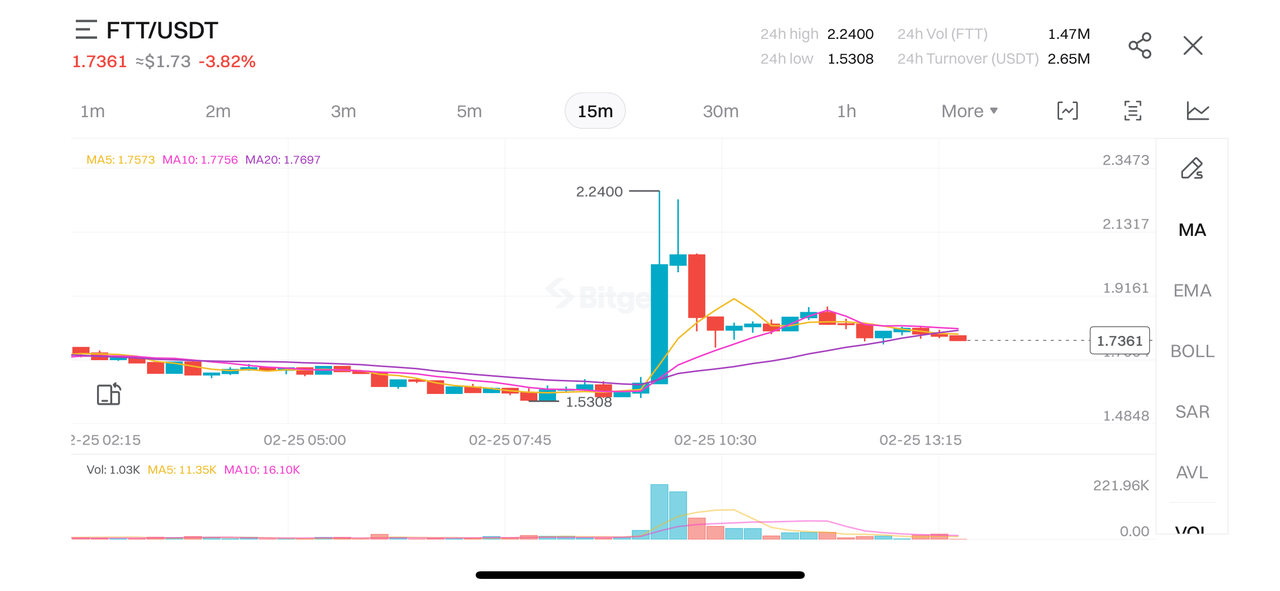
The market volatility triggered by SBF’s tweet once again confirms the crypto industry’s sensitive dependence on symbolic narratives. Even behind bars, the former “golden boy of crypto” can still shake financial markets. More alarmingly, when digital signals can still resonate across prison walls, it raises not only questions about prison administration, but also presents a dark irony against the vision of decentralization—where exactly does technological empowerment truly lie?
Join TechFlow official community to stay tuned
Telegram:https://t.me/TechFlowDaily
X (Twitter):https://x.com/TechFlowPost
X (Twitter) EN:https://x.com/BlockFlow_News
 Foresight News