Paradigm's "Favorite Child": Can the Card-Based Blockchain Game Parallel Ride Base's Momentum to Rise?
TechFlow Selected TechFlow Selected
Paradigm's "Favorite Child": Can the Card-Based Blockchain Game Parallel Ride Base's Momentum to Rise?
Participating in Beta testing + engaging with Base chain's momentum + leveraging Paradigm's investment—actively participating and staying involved may be a smarter strategy to qualify for future airdrop rewards.
 Navigating Web3 tides with focused insights
Aside from SocialFi and DeFi, GameFi has been largely absent from recent market highlights.
Too many games launched between 2021 and 2023 have gradually faded into obscurity—both their tokens and the games themselves are now nearly forgotten at rock bottom.
Some of these projects died a natural death through a downward spiral; others, however, may simply be in "hibernation."
During the last bull cycle, certain games raised large sums at high valuations. When market conditions turned unfavorable, they might choose to stay low-key or quietly continue building, waiting for renewed sentiment and new catalysts.
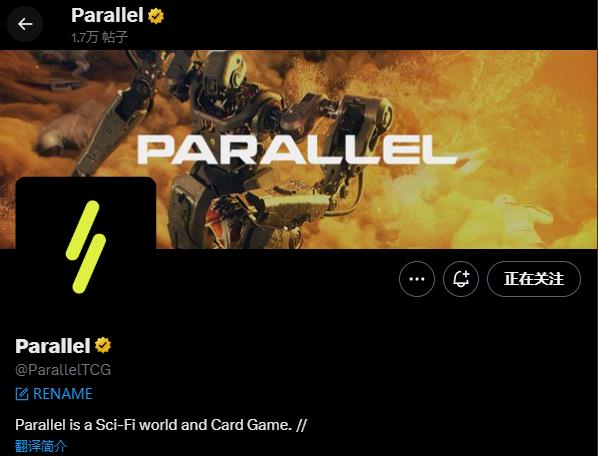
Take Parallel, for example—a collectible card game that raised $50 million from Paradigm back in 2021, achieving a peak valuation of $500 million at the time.

After the funding round, Parallel seemed to go quiet. Partly due to poor market conditions, but also possibly because the team was focusing on refining the game itself.
Two years of silence passed until late July this year, when the game’s beta test finally launched. Riding on the current momentum of the Base chain and its rising TVL, Parallel minted its NFT cards on Base and aligned with a series of Base marketing campaigns, aiming to catch the wind and soar.
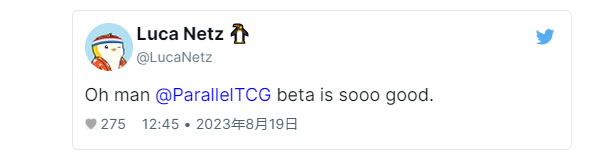
Recently, Luca, CEO of Penguin NFT, tweeted positively about his experience playing Parallel, and other influencers have also begun discussing the game.
Is this just mutual promotion, or is there real substance? Recently, blockchain gaming has been widely seen as a potential driver of the next narrative wave. Out of curiosity and anticipation, I decided to try the game myself and provide a detailed walkthrough and analysis of how to participate.
Old Model, New Packaging
Let’s first examine the game itself.
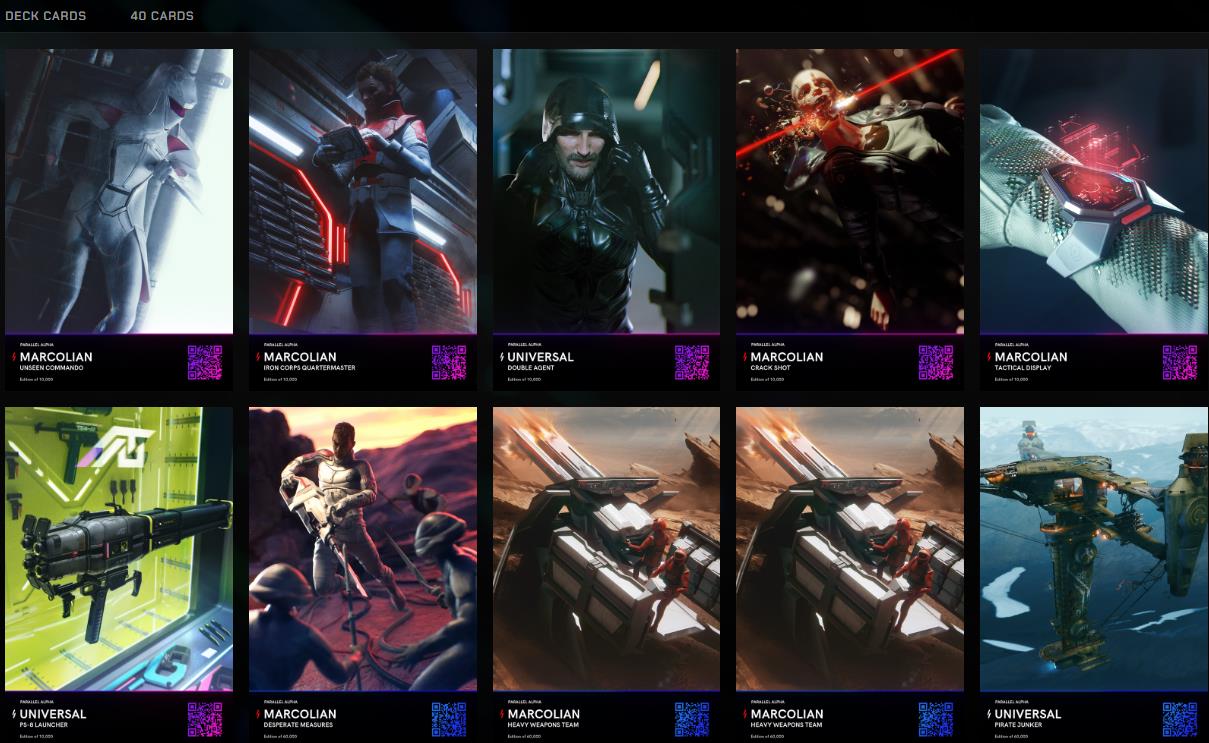
Parallel doesn’t bring significant innovation in gameplay—it essentially follows traditional collectible card game mechanics:
-
Build and complete a deck by combining different cards with complementary functions;
-
Engage in 1v1 duels, using strategy and rules to win;
-
Cards can be traded on the market to assemble an optimal deck.
The integration with Web3 is straightforward:
-
Cards exist in both NFT and non-NFT versions, functionally identical, but only NFT holders can earn tokens;
-
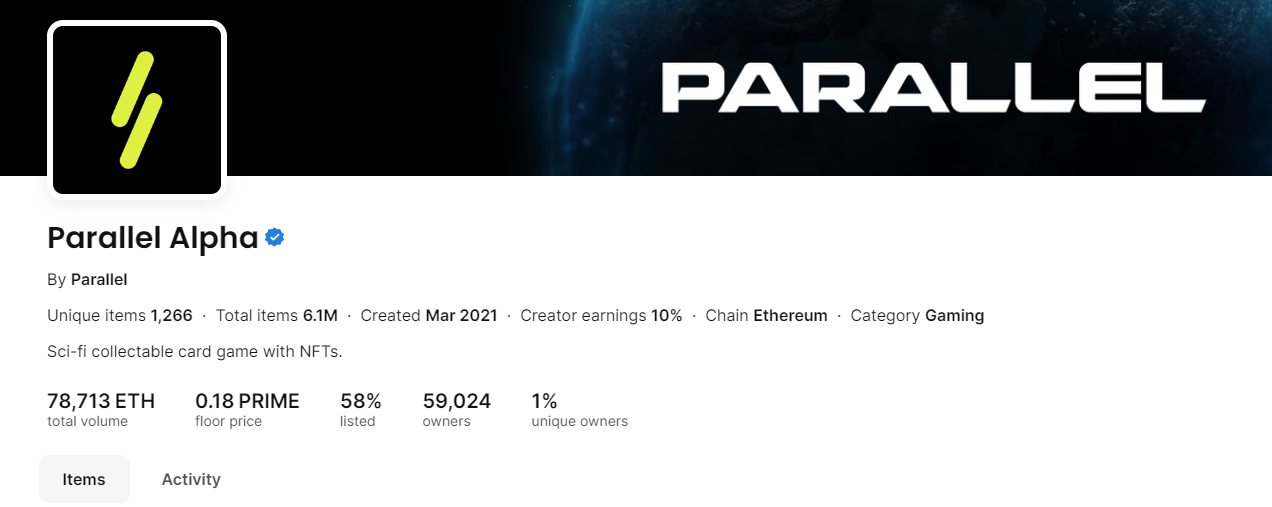
Card NFTs are listed on marketplaces like OpenSea and traded based on supply and demand;
-
Assets come before the game. The full version hasn’t been released yet, but various pre-sale NFT card sets are already available. There appears to have been an earlier Alpha test, so the existing card series are referred to as "Alpha."
We’ll cover token utility, pricing, and earning mechanics in the next section.
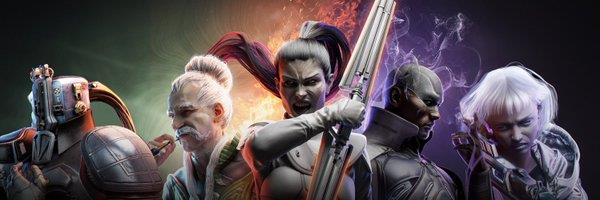
At first glance, Parallel’s gameplay and asset design don’t break away from the classic card game formula. However, it does offer a unique thematic packaging—science fiction.
Most card games rely on fantasy or medieval settings, filled with swords and magic. Parallel, by contrast, leans heavily into futuristic sci-fi, featuring characters, races, and items from different planets—an aesthetic that stands out in the current market.
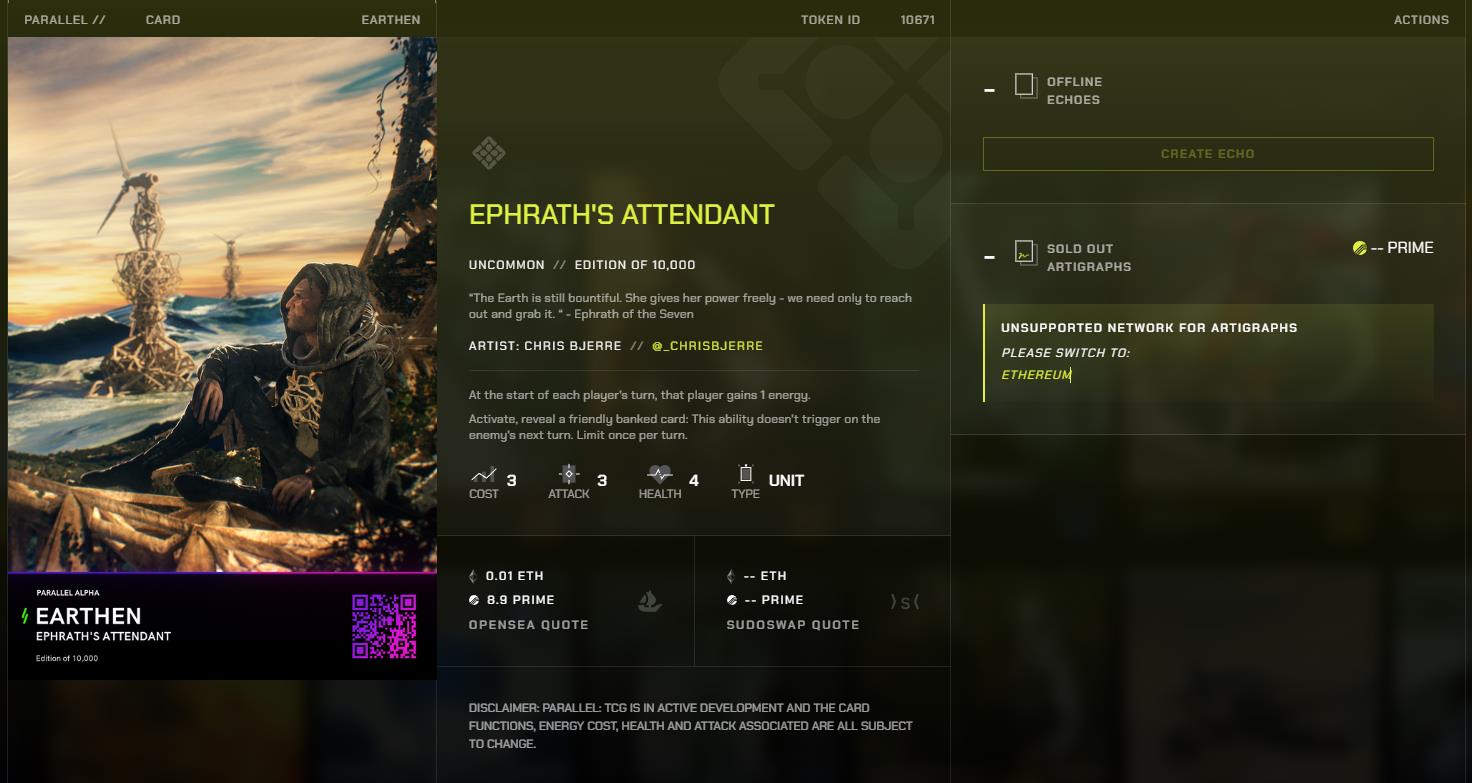
Additionally, each card’s detail page credits the illustrator, suggesting possible support for creator economies and royalty mechanisms. Overall, the presentation feels less like a card database and more like an art collection.
For a card game, radical rule innovation is rare. But a fresh art style and compelling worldbuilding can create strong first impressions, which is advantageous for attracting players.
In actual gameplay, it doesn’t feel like a typical Web3 game. The UX—deck management, resources, timers—is above average compared to most Web3 titles. However, compared to polished projects like Illuvium, it still lags behind in board design, card animations, and model quality.
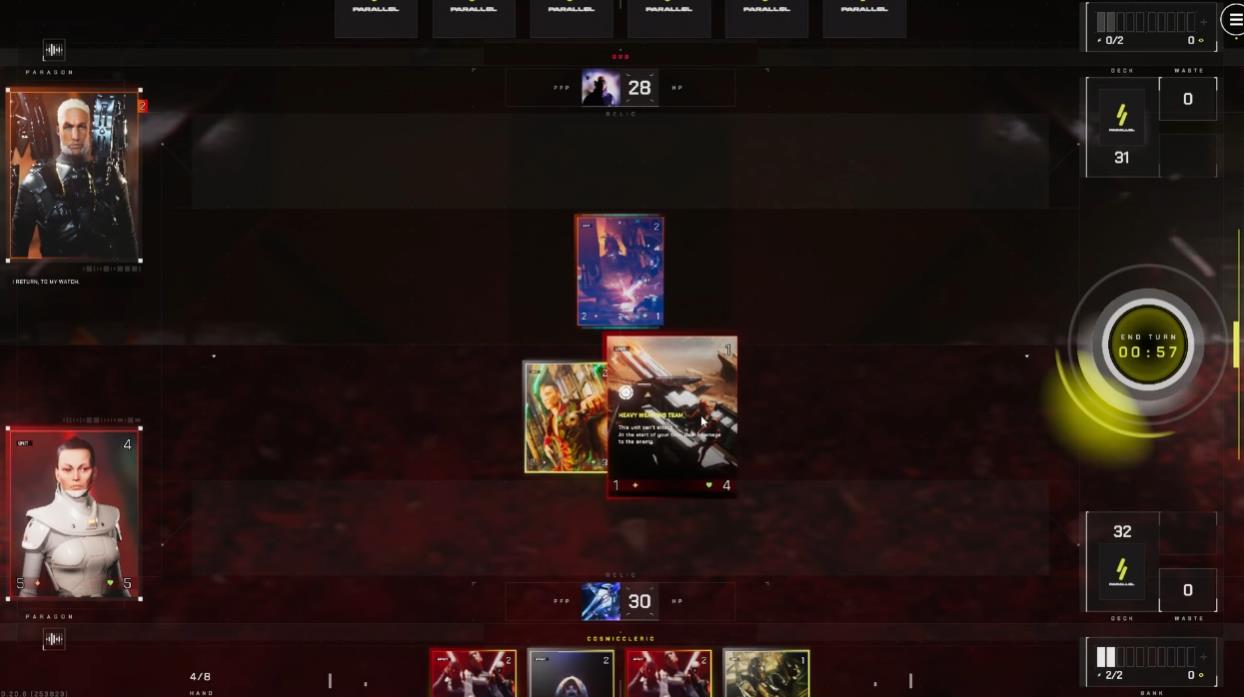
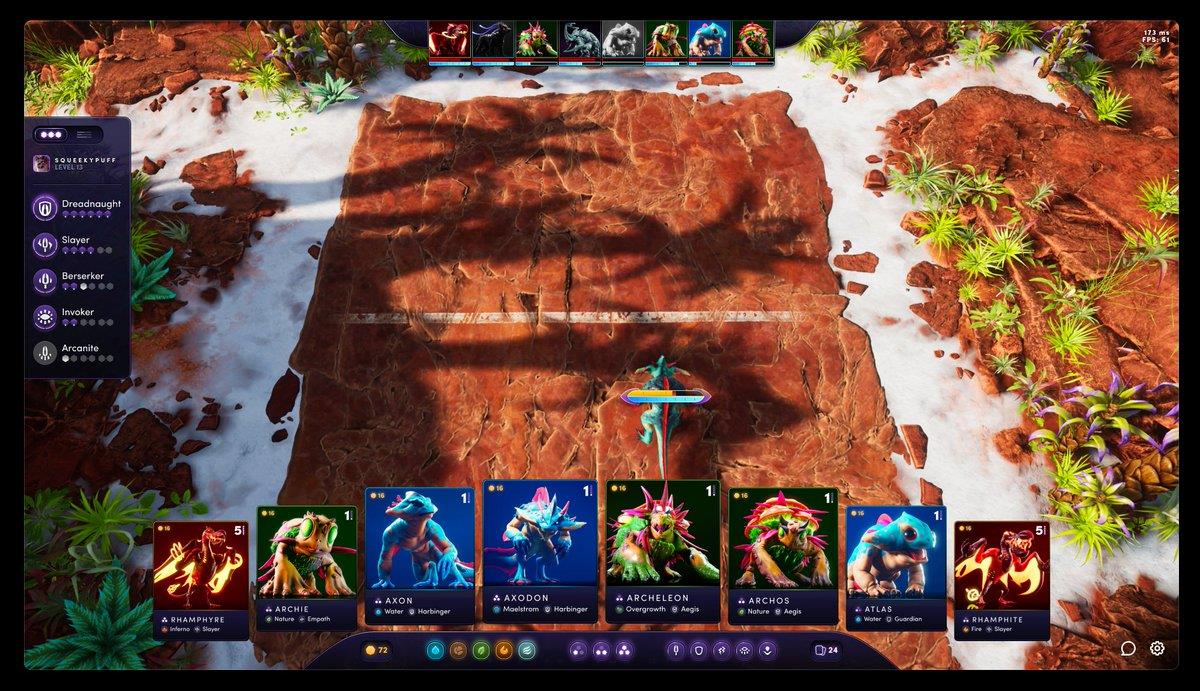
While these two games aren't strictly comparable, the difference in UI and visual polish reflects varying levels of resource investment and attention to detail.
If we consider Parallel’s 2021 funding as the start of development, then after two years of silence, the current beta release barely passes the minimum bar when judged as part of the “next wave of Web3 games.”
A more realistic interpretation might be that Parallel never followed the traditional game studio approach—instead of building the entire game in secret, it’s testing the waters incrementally, releasing parts to gauge market response and iterating accordingly.
Beta Access and Token Economics
The beta test was officially announced on July 31.
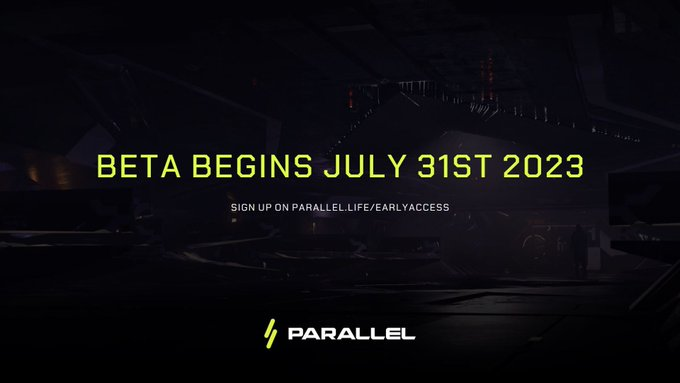
Simply registering on the official website now gives you only a slim chance of receiving beta access. According to the team, more players will be invited weekly.
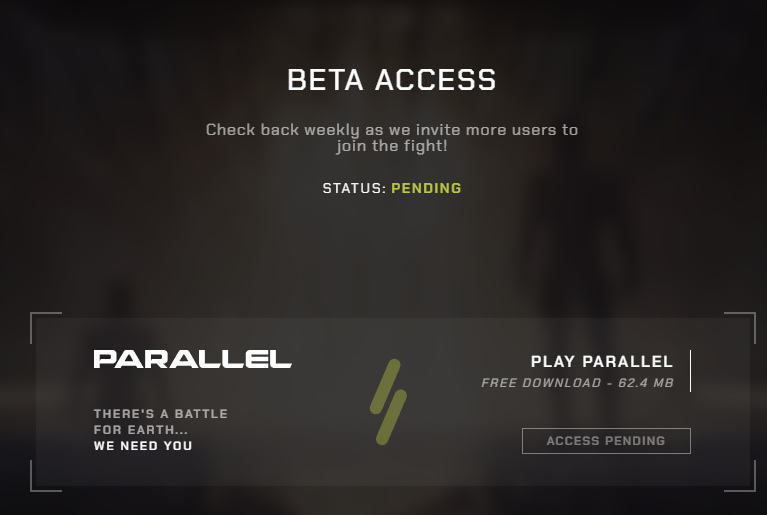
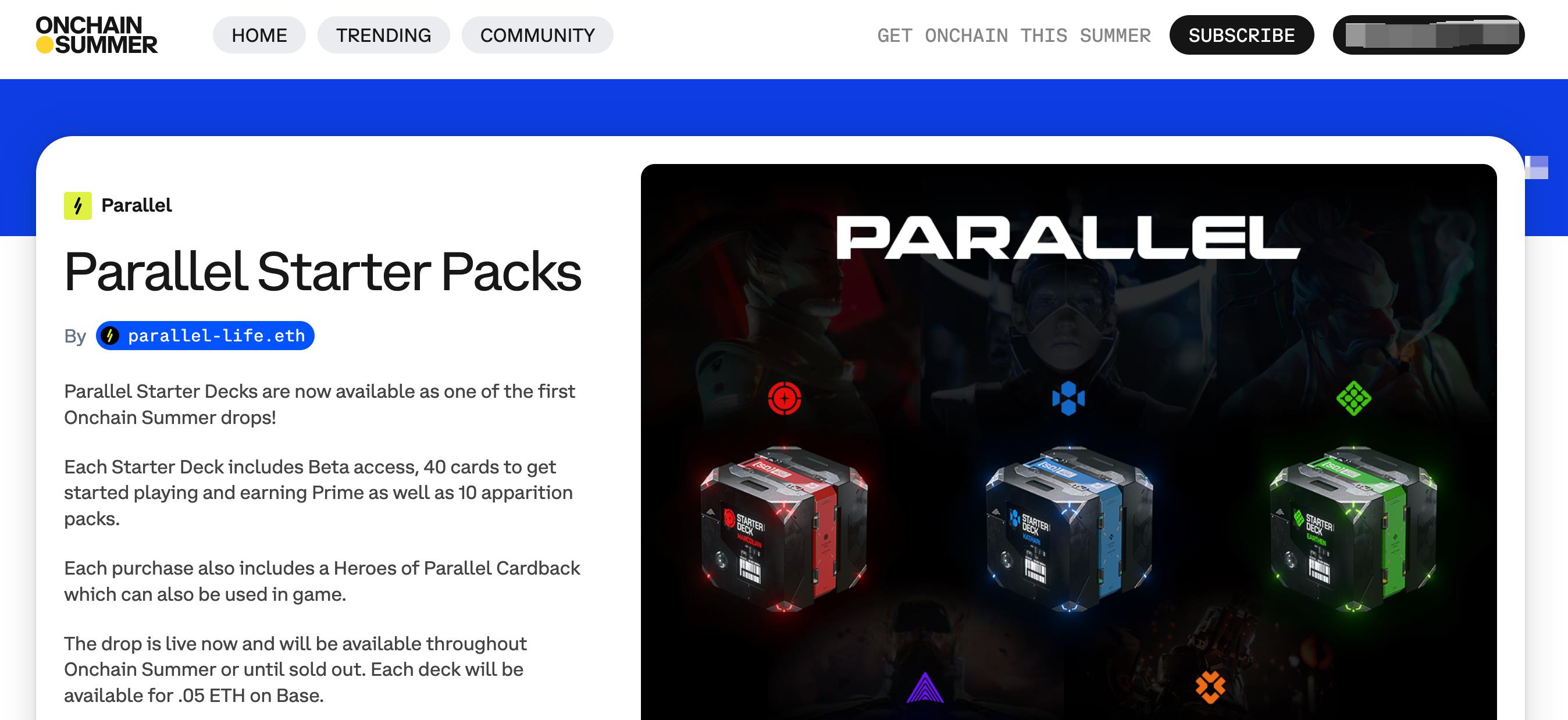
Alternatively, you can gain immediate access by purchasing a starter pack. Each pack currently costs 0.05 ETH, and users must switch to the Base network and reserve sufficient gas fees to complete the purchase.
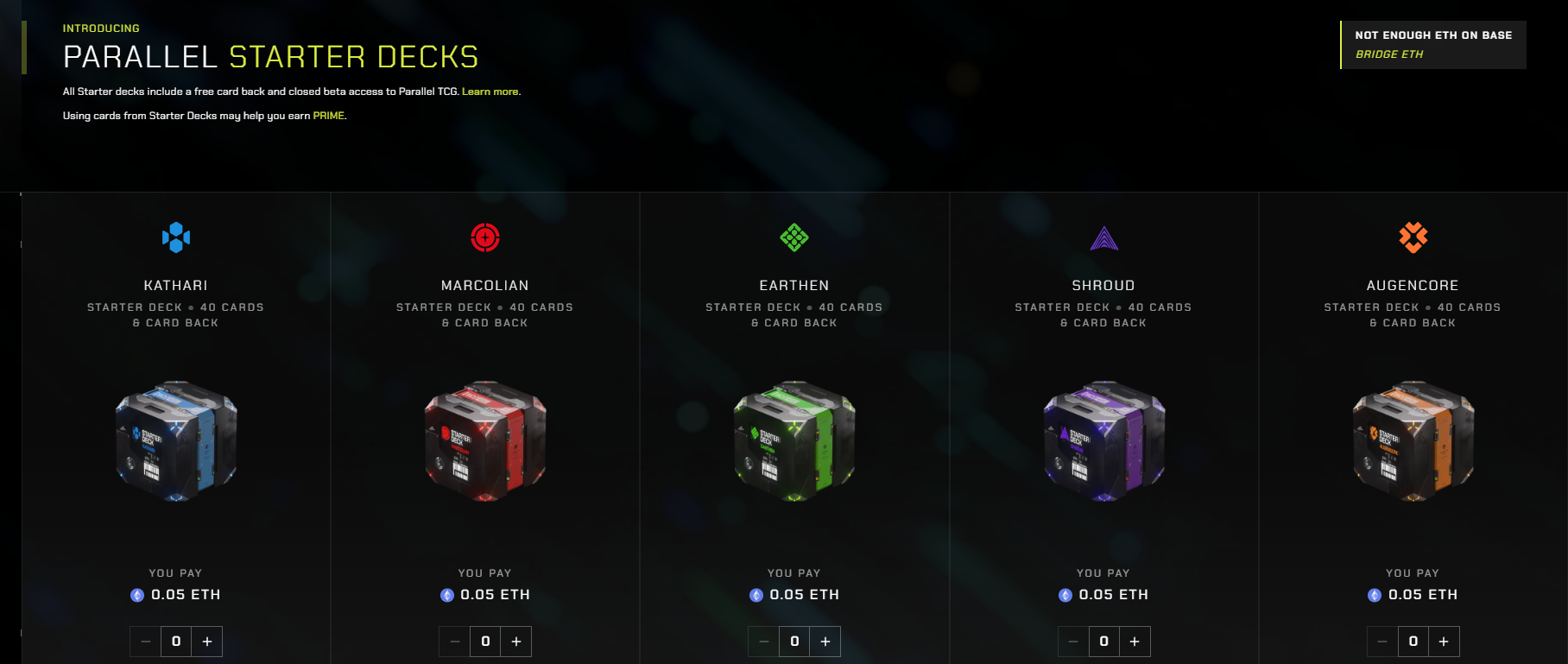
Each starter pack corresponds to a different in-universe race and contains 40 cards of varying rarities and functions, allowing players to build an entry-level deck. Once assembled, players can begin dueling.
This design resembles Web2 card games like *Gwent*, where different factions lead to distinct playstyles. However, note that all cards are currently in English, requiring some learning effort and gameplay experience to fully grasp their effects and synergies.
From a purely economic perspective, the minimum entry cost is 0.05 ETH. So what about returns?
Winning matches rewards players with the game’s native token, $PRIME. The exact reward amount depends on several factors:
-
Ranking tier: Based on player skill, a matchmaking rating determines rewards—the higher the rank, the more PRIME earned.
-
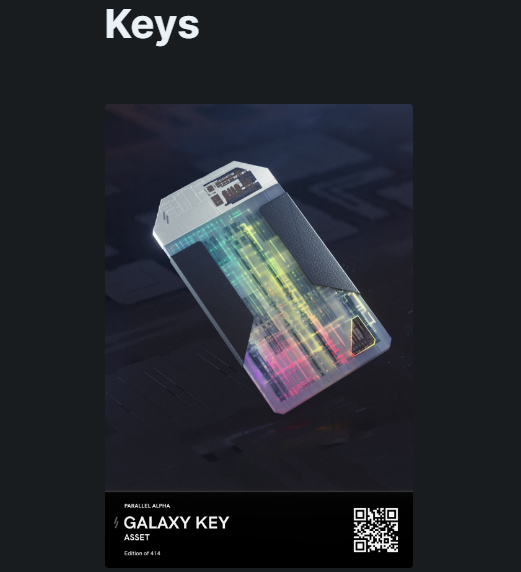
Asset bonuses: Holding special in-game key items accelerates PRIME earnings, similar to experience boosters.
-
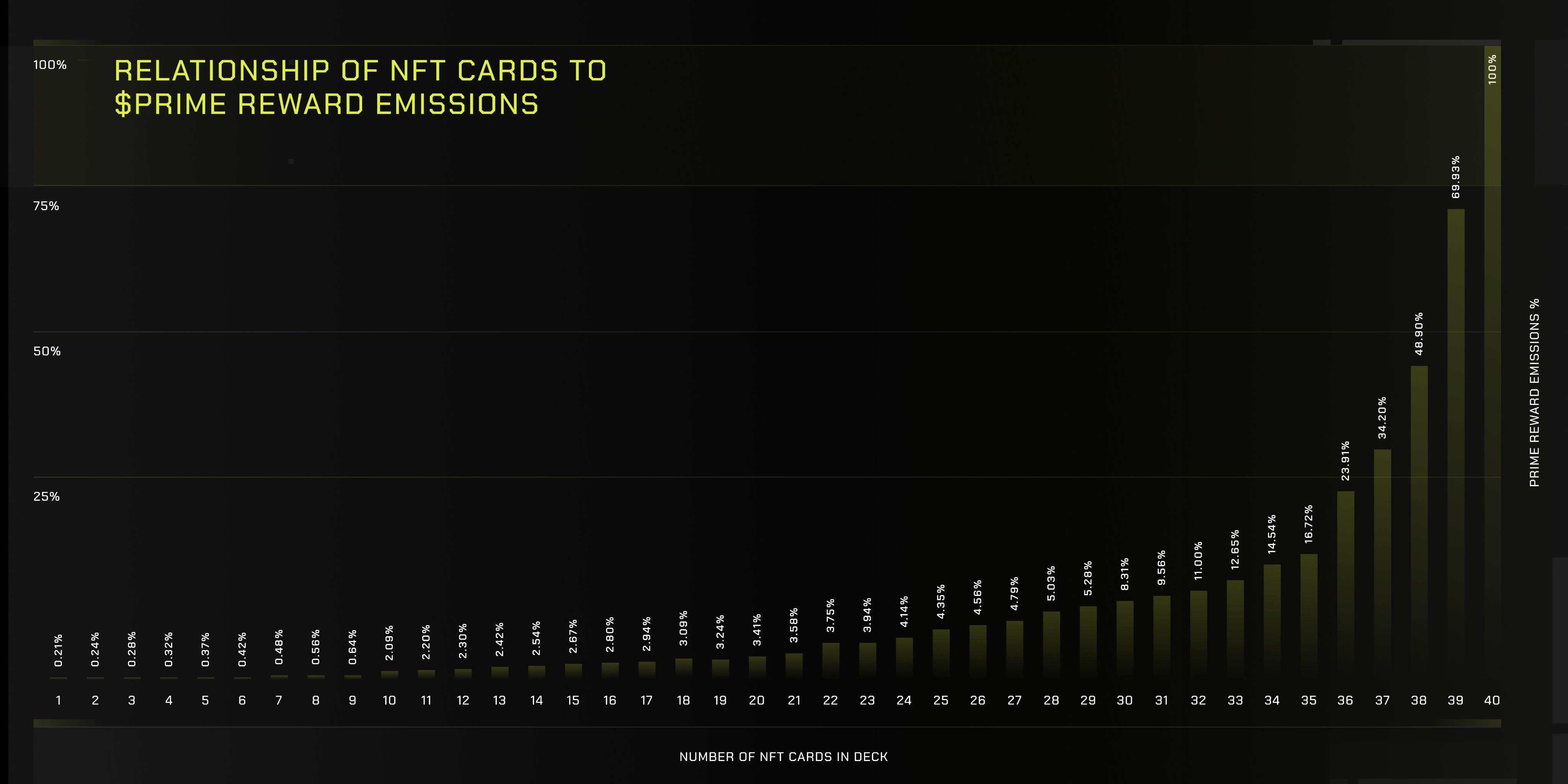
NFT count in deck: More NFT cards = more PRIME.
-
Win streaks: Longer winning streaks = more PRIME.
Daily PRIME emissions are capped—officially limited to rewards from up to 5 victories per day. Beyond that, no additional PRIME is granted, functioning as a fatigue system.
I didn’t grind for maximum rewards—partly due to the language barrier, but also because optimizing earnings would require significant upfront investment (e.g., buying all NFT cards, keys, and boosters).
It's important to remember that the game is still in beta.
Participating in the beta + riding Base’s momentum + having backing from Paradigm—engaging actively could position players well for future airdrops, making this a smarter long-term strategy.
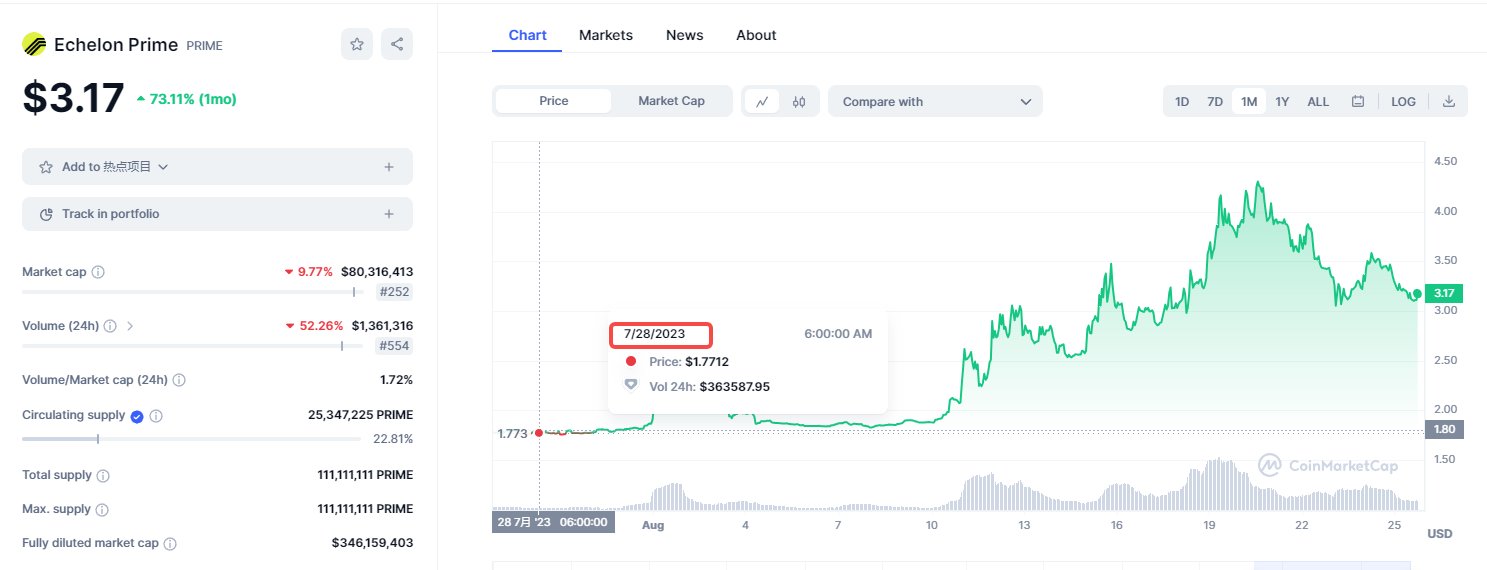
Therefore, casual players can enter with a 0.05 ETH starter pack just to explore. Grinding isn’t necessary. Also, since the beta announcement, PRIME’s value has nearly doubled—so jumping into the secondary market now may not be wise.
Backed by Base and Paradigm: Riding the Wave?
Without the support of Base and Paradigm, I might have considered Parallel just another average blockchain card game.
But in crypto, sometimes we’re not really playing the game—we’re chasing proximity to resources, hype, and expectations. A little-known fact: Coinbase’s co-founder is also a co-founder of Paradigm. The two firms are closely linked and often jointly invest in the same projects.
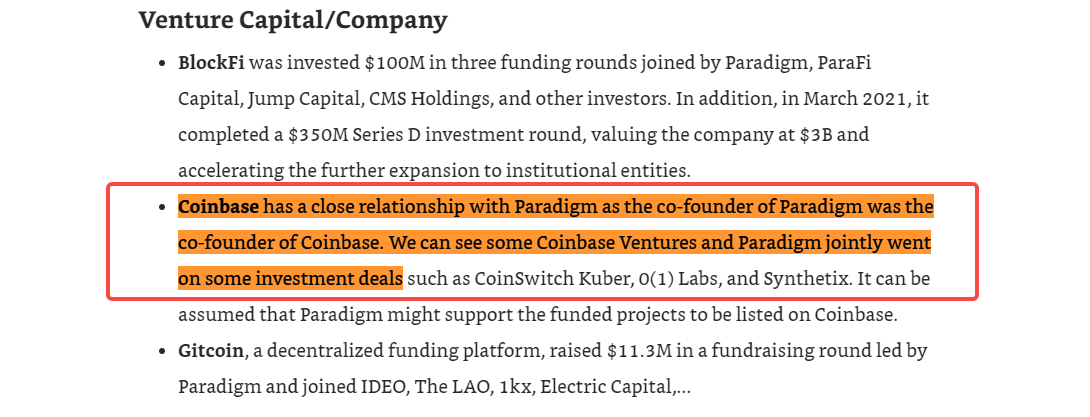
Given that Paradigm previously invested in Parallel, and that the game chose to launch its beta on Base L2 during a period of rising attention—minting starter packs directly on Base—the implications are clear.
With capital and a new chain providing tailwinds, surviving blockchain games from the winter aim to rise again. The project team clearly understands this, and savvy, alert Web3 players will follow the heat.
In practice, if you’ve used Coinbase Wallet, you may have noticed it includes promotional content that directly guides users to NFT-related activities—including links to Parallel’s card packs.
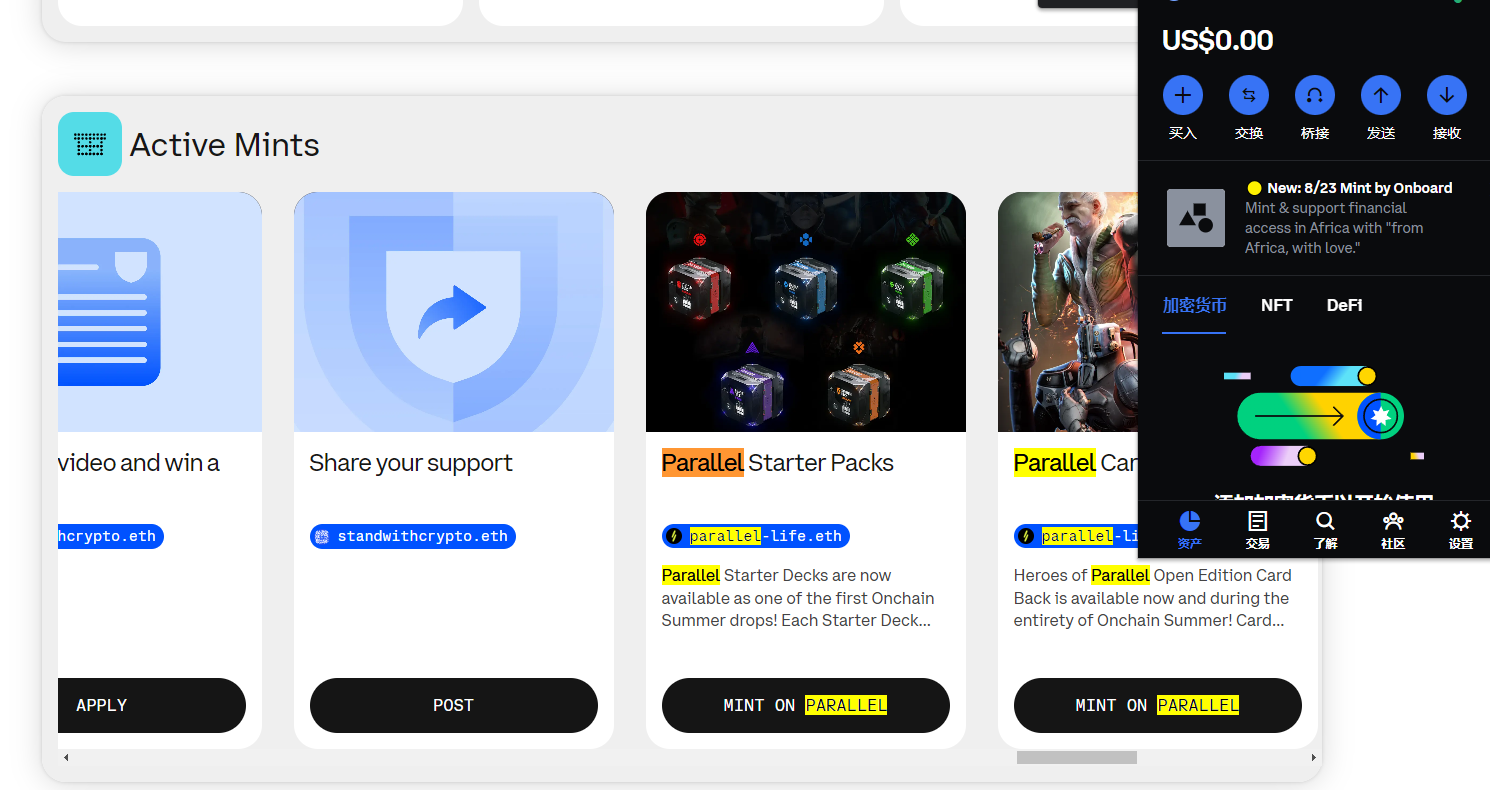
L2 chains need ecosystems, and ecosystems thrive on visibility—these elements reinforce each other. If the user experience is smooth and convenient, speculation and airdrop farming will naturally draw participation.
Currently, Base is running a major campaign called "Onchain Summer." Alongside Parallel, new NFT events are launched daily. By joining smaller activities within this broader push, players gain exposure, projects gain traffic, and Base strengthens its influence.
As summer draws to a close, can blockchain gaming make a comeback? We look forward to more stories of strategic alignment—and more truly outstanding products.
Join TechFlow official community to stay tuned
Telegram:https://t.me/TechFlowDaily
X (Twitter):https://x.com/TechFlowPost
X (Twitter) EN:https://x.com/BlockFlow_News
 深潮TechFlow