Conversation with Solv Co-founder Meng Yan: Innovation is a Form of Value Investing
TechFlow Selected TechFlow Selected
Conversation with Solv Co-founder Meng Yan: Innovation is a Form of Value Investing
Responsible innovation is important, and we must consider its contribution to society and the economy.
 Navigating Web3 tides with focused insights
Can you briefly introduce yourself?
Hello everyone, I'm Meng Yan. Co-founder of Solv Protocol and co-author of the ERC-3525 token standard. I’m currently focused on developing the ERC-3525 ecosystem, with research interests including on-chain structured finance, programmable payment networks, digital certificates, and account abstraction.
Since entering the blockchain field in 2015, I’ve been engaged in knowledge dissemination, training, and consulting until founding Solv in 2020. In 2019, I was honored as one of China’s top ten blockchain education influencers. At that time, I focused on promoting, evangelizing, and researching token economics, achieving modest success.
I am widely recognized within China's blockchain community for proposing the translation of the English word "token" as “tongzheng” (通证) and advocating in-depth research into token economics. Early on, I established a theoretical framework for token economics, giving me a certain level of influence in the industry. I've also been invited to renowned universities such as Tsinghua and Peking University to share knowledge and exchange ideas with students.
Can you share your journey into the blockchain space?
I believe I’ve had three entries into this space. The first was in 2015 when I was working at IBM. That year, IBM underwent significant changes—Indian-American technologist Arvind Krishna replaced the respected John Kelly III as head of technology and research. Shortly after taking office, he announced that blockchain would be integrated into IBM’s global technology strategy, which greatly impacted me. Such a bold strategic shift could be seen as criticism of the previous leadership’s direction. Why make such an urgent change? This decision sparked my curiosity, so I began studying blockchain deeply and became fascinated by it. Originally one of China’s earliest smartphone software developers, I later transitioned into corporate strategic communications, while studying politics, economics, and finance. Combining my technical background with these disciplines, I found blockchain and cryptocurrencies highly aligned with my interests—even if initially just a hobby or professional interest. Wanting to work in blockchain, I took online courses during my spare time from Stanford and the University of Maryland on cryptography, and Princeton’s course on Bitcoin and cryptocurrency technologies.
In April 2017, I entered the space for the second time, leaving IBM to focus professionally on blockchain and AI. Initially involved in both fields, by August 2017, I decided to fully commit to blockchain. In the early years, I primarily worked on outreach, evangelism, training, and consulting—achieving solid results that lasted until 2020.
During the pandemic, I had rare breathing room to reflect on my next steps. Previously, I traveled constantly for business, attending meetings nearly every week, leaving little time for deep thinking. But in 2020, I reflected and realized I should create something new. So in October 2020, I co-founded a new project called Solv. This marked my third entry into the blockchain world—previously focused on advocacy, now fully immersing myself in building real products. This shift required extra courage and determination. Our initial goal was to create a new type of financial application NFT, which we named “financial NFT.” We quickly realized existing token standards like ERC-20 and ERC-721 couldn’t meet our needs for financial NFTs. So we decided to build a new token standard. Starting in October 2020, after 23 months of effort, our token standard was finally approved by the Ethereum community and core developers, becoming an industry standard known as ERC-3525.
Core Summary: My first entry began in 2015 at IBM, where the company made blockchain part of its strategic vision. Intrigued, I studied the subject deeply and wanted to switch careers. In 2017, I left IBM to fully focus on blockchain—my second entry. Then in October 2020, I co-launched Solv, aiming to create a new kind of financial NFT and developed the ERC-3525 token standard, approved by the Ethereum community. This marked my third and most committed entry into blockchain.
Can you explain ERC-3525 and Solv in detail?
ERC-3525 is a novel token standard. Tokens built under this standard are known as semi-fungible tokens (SFTs), contrasting with NFTs. We originally aimed to build financial NFTs, but during development, we identified many areas for improvement, gradually shaping what became the SFT standard. After four major revisions, the fourth version was accepted and became an official standard.
So what does ERC-3525 do? In simple terms, ERC-3525 is designed to represent digital notes—a concept common in Chinese but without a direct English equivalent. Digital notes are ubiquitous in daily life and commerce: invoices, receipts, bills, IOUs, rental contracts, and non-financial instruments like gift cards, coupons, discount vouchers, and membership cards. In finance and business, they include commercial acceptances, bank acceptances, bills of lading, warehouse receipts, delivery orders, letters of credit—and even cash and stocks can be considered forms of notes. More complex structured assets like options, futures, asset-backed securities, CDOs, and MBS also fall into this category.
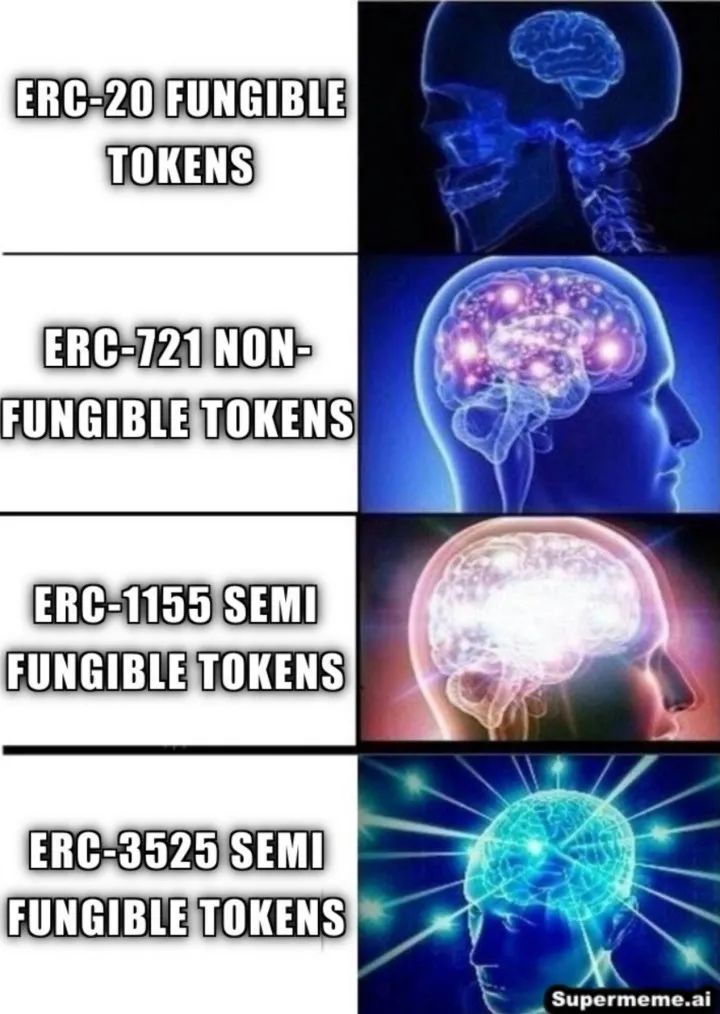
By the end of 2020, we realized there was no blockchain standard for representing digital notes. So we decided to build one ourselves: ERC-3525, also known as SFT. This standard has several key features: First, unlike ERC-20, it is visual—like NFTs, it can have a "face" displaying rich information. ERC-3525 better expresses complex financial note data such as maturity dates, interest rates, and payment schedules, making them more intuitive and visually engaging. Second, it supports splitting, merging, and calculation. Like NFTs, it can display detailed information, but unlike NFTs, ERC-3525 tokens can be freely split. For example, a $1,000 bond can be divided into two notes worth $700 and $300 respectively—useful for financial calculations and trading. Third, it acts as a container capable of bundling multiple asset types. You can pack Bitcoin, Ethereum, BNB, or other assets into a single ERC-3525 token, enhancing inclusivity and packaging capability. As a container, it can independently receive and manage asset transfers without relying on wallets or smart contracts. Finally, it offers composability: multiple ERC-3525 tokens can be combined into larger structures, increasing flexibility and diversity. ERC-3525 is a highly flexible token standard that can bundle other assets and combine with other ERC-3525s to form sophisticated structured financial instruments. It has become a powerful, industry-grade token protocol particularly adept at expressing and managing complex financial assets like digital notes.
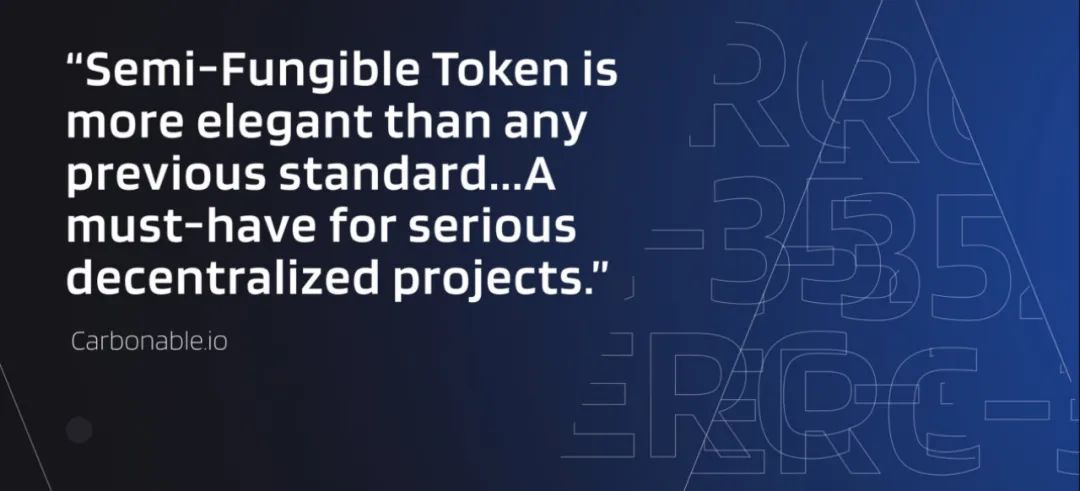
As the technical inventor behind Solv, we see nearly limitless applications for this protocol. However, we can't build everything at once. We need to choose clear directions and deliver one or two exemplary products that showcase the advantages and capabilities of ERC-3525. By leading through demonstration, we aim to attract more partners and developers to adopt ERC-3525 across gaming, finance, social apps, and beyond. We want our products to go beyond being mere showcases—they must solve real problems and create tangible value. Our goal is to deliver genuinely valuable applications to the market and contribute meaningfully to the broader blockchain ecosystem.
Within the Solv team, we've developed three products, with the first two being exploratory. We’re now primarily focused on an active fund management platform. An active fund is managed by a fund manager—whether human, bot, or algorithm—where investors (including institutions and retail users) purchase shares to invest in the fund. Once funded, the manager actively invests and manages the portfolio, distributing returns to investors—similar to traditional funds familiar to most people.
However, in blockchain, active funds face security risks—for instance, misbehavior by fund managers may lead to investor losses. To address this, we’ve built a robust risk control system ensuring that fund managers operate within defined risk parameters, safeguarding investor safety and interests.
In traditional finance, funds typically fall into two categories: decentralized passive funds and active funds. In blockchain, decentralized passive funds are algorithmically managed—users deposit assets (e.g., Bitcoin, Ether, USDC) into protocols like Compound, and predefined rules automatically calculate and distribute yields. These funds usually offer low returns—often just fractions of a percent. Recently, inverted U.S. Treasury yields have further reduced their profitability. Active funds, on the other hand, involve live traders or quantitative algorithms actively rebalancing positions to achieve higher returns. But these come with risks: fund manager misconduct, rug pulls, or irregular trading could result in investor losses. Addressing these issues requires a comprehensive risk and security framework—one that allows managers to pursue high-return strategies while maintaining capital safety and risk discipline. Transparency, monitoring, and emergency response mechanisms like redemption or liquidation are crucial.
The product launched by the Solv team is an active fund that went live on March 20, 2023. Thanks to our strong risk control infrastructure, we enable quant teams, market makers, and skilled investment managers to launch funds on our platform and raise capital from institutional and retail investors. These managers employ active strategies to generate higher returns, while we enforce strict risk controls and oversight to protect capital and investor interests. Due to the success of our risk management system, our product achieved notable performance among DeFi protocols during a severe bear market, ranking within the top ten.
Core Summary: We developed a new token standard, ERC-3525 (SFT), designed to represent digital notes. Key features include visual representation, splittability, mergeability, calculability, containerization, and composability. Currently, we're focused on an "active fund" product, protected by a robust risk control system. Our product has achieved significant results in the blockchain industry, ranking among the top ten DeFi protocols.
What is your most unforgettable experience in Web3?
My views on blockchain and digital assets stem directly from personal experiences. I prioritize innovation, treating it and entrepreneurship as forms of value investing, while remaining highly cautious about speculation. This mindset emerged from two key experiences.
First, after joining the blockchain industry, I experienced a boom-and-bust cycle. I invested in Ethereum and caught a major rally in early 2017. I thought, if it rose that much again, I’d achieve financial freedom.
But the ICO explosion of 2017 left me overconfident. I invested in numerous projects—from startups founded by graduates of elite schools, ex-Google or Tencent engineers, mysterious hacker teams, to projects endorsed by well-known figures in the industry. Like many others, I blindly followed the hype. Out of five or six investments, I lost all the money I had earned from Bitcoin and Ethereum. This taught me that during bear markets, diversification doesn’t guarantee profits. Even resilient assets like Bitcoin and Ethereum go through cycles, and individuals with impressive backgrounds aren’t necessarily more knowledgeable about or committed to blockchain. While some may have deeper technical expertise or prior success in Web2, high-quality blockchain and Web3 projects possess unique characteristics: strong community building, openness, and decentralization. Backgrounds—especially educational ones—shouldn’t be overvalued. Instead, one must carefully assess how speculative someone truly is. Upon reflection, I realized many such founders lacked stronger conviction or dedication than I did. They entered during the hype to make quick gains, then abandoned the space due to lack of perseverance and deep understanding—essentially speculators posing as entrepreneurs. Conversely, many successful project teams lacked prestigious pedigrees but demonstrated strong execution skills, profound insights, and firm belief in decentralization—the true source of value creation.
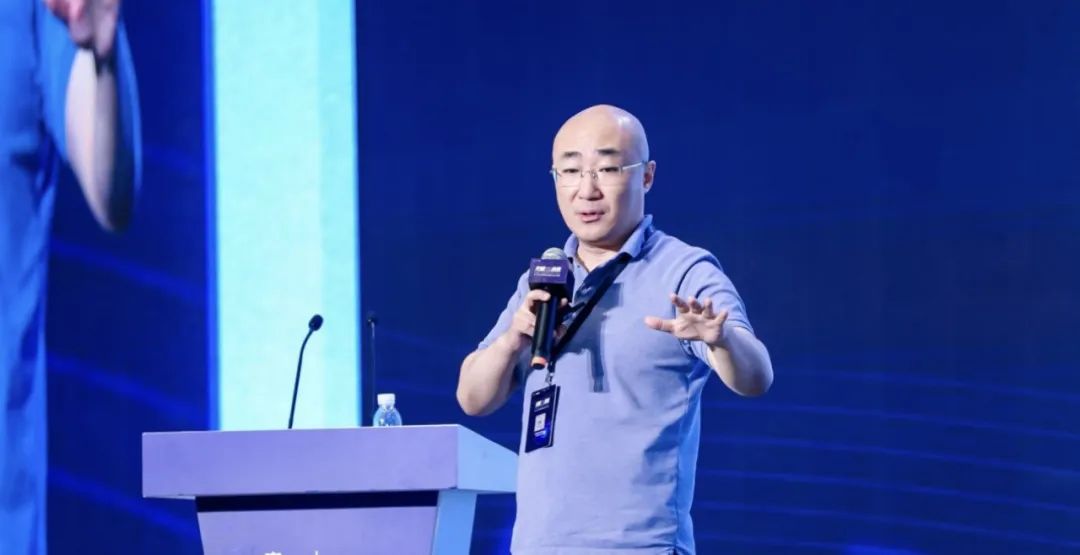
Second, over the years, I’ve met a wide range of people in the crypto space and observed their journeys. Without naming names or citing specific events, long-term observation has given me a deep insight: very few people walk away unscathed from gambling, or consistently profit in trading markets. Some may earn huge sums short-term—riding meme coins or leveraged trades—and boast loudly about their philosophies, often shockingly shallow or destructive to values. At their peak, they appear glamorous and influential, distorting others’ perceptions. Yet in the long run, most don’t emerge as winners. Many go bankrupt amid market volatility, end up in prison, flee the country, or simply lose all their money and fade away. I once envied those who made windfall profits, but eight years of observation have shown me that speculation—especially unethical manipulation—is like a蛊 (gu) pit: most participants eventually lose their mental balance, eroding rationality and ethics, falling into mutually destructive games. This is not the kind of endeavor I wish to be part of.
This shifted my perspective on wealth and investing. Around this time, I read classic books on value investing, which deeply influenced me. Buffett’s concept of the “circle of competence” resonated strongly—he argues that within this circle, one can outperform the market. But building such a circle requires prolonged learning, accumulation of knowledge, and conviction.
So I moved away from speculation and turned toward innovation and entrepreneurship. I believe innovation creates value for the industry and community, while simultaneously expanding my own circle of competence. Only on this foundation can luck play a meaningful role. Through persistent effort and deep understanding, I believe I can achieve greater success in this field. Today, I dedicate most of my energy to innovation and building—treating it as my form of value investing—and trust it to be a reliable path to wealth growth.
Now I truly believe: you reap what you sow. Luck brings fleeting wealth; real wealth comes from hard work and sweat. In fact, contrary to prevailing views in this industry, I hold fast to my beliefs. Many think blockchain is about gambling and speculation, mocking me as a bookish academic. But I don’t care much about such comments. I’ve chosen a path suited to my temperament and values—creating genuinely useful, valuable things for the industry and community through innovation and diligent work, steadily expanding my circle of competence and investing only within it. People like me may be rare in this space, but I firmly believe in my approach and live it through action.
Core Summary: My worldview is shaped by personal experience. After going through ups and downs, I’ve become more cautious and no longer blindly follow investment trends. I believe wealth stems from one’s circle of competence—rooted in knowledge and ability, not luck. Innovation and practice are how I build my circle. I only invest within it.
Which Web3 sectors do you see as having future potential?
DeFi and public blockchain layers are areas I’m highly bullish on—particularly Layer 2 and ZK technologies. I believe they hold immense promise at the infrastructure level. ZK enables optional, controllable privacy protection while unlocking near-unlimited scalability, a critical technological leap for blockchain to enter mainstream adoption.
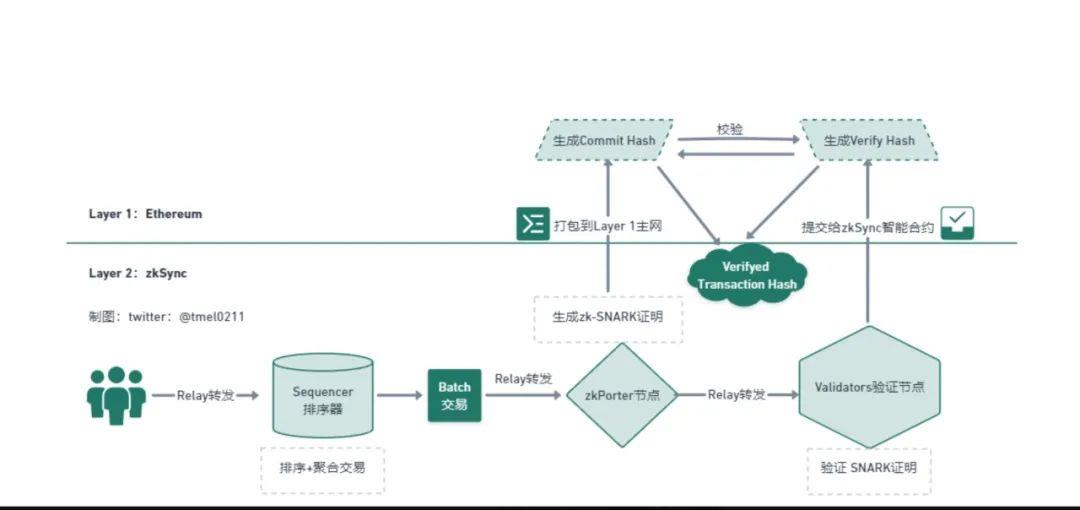
The second promising area I see is account abstraction, i.e., smart contract wallets. This technology will allow future use of digital assets and Web3 applications to feel as simple, convenient, and enjoyable as using regular mobile apps, drastically lowering the barrier for ordinary users. This could bring billions of new users into the blockchain revolution—a sector I find extremely promising.
The third area I’m optimistic about is RWA—Real World Assets. This involves mapping physical-world assets onto blockchains, turning them into programmable digital assets with regulatory compliance and liquidity. Blockchain makes these traditional off-chain assets easier to collateralize and circulate. I believe trillions of dollars worth of real-world assets will exist in digital form in the future. This will become the largest, most sustainable, and most impactful direction in the industry.
As for Web3 social, while I see vast potential, I haven’t yet seen an ideal solution. I hope someone will present a compelling architectural design that redefines internet identity systems, traffic models, information sharing, and privacy protection. Though this sector may evolve in the future, I don’t expect rapid breakthroughs. Theoretical and academic research in this area remains scarce—it will take more time and effort to mature.
Core Summary: I’m highly optimistic about DeFi and public chains, especially L2 and ZK technologies, which offer great infrastructure potential for privacy and scalability. Account abstraction and RWA also show strong promise—lowering barriers to blockchain use and bringing real-world assets on-chain with regulation and liquidity. While Web3 social holds imagination, it currently lacks ideal solutions and requires more time and research.
What are your future plans?
My current focus is on the RWA sector, because our ERC-3525, as a digital note standard, has rich applications not only in crypto and digital assets, but also in Web3-native domains and even gaming. Particularly in RWA, we’ve incubated a company dedicated to issuing digital invoice solutions for central bank digital currencies (CBDCs) and programmable stablecoins tied to real-world assets. This company was selected as one of the 14 most outstanding projects in Australia’s CBDC pilot program, receiving high praise. I’m also closely following tokenized government bond initiatives, exploring compliant ways to tokenize national debt—such as integrating bonds with stablecoins to enhance efficiency via ERC-3525 technology.
Second is digital certificates and programmable money. I’ve long believed payments are blockchain’s #1 use case. As Musk once said, if blockchain can solve payments, it’s already super useful. Blockchain payments have two main advantages: borderless real-time settlement, and programmability. The former is already widely adopted, though integration with CBDCs and RWAs will help it penetrate real economies and daily transactions. The latter—programmability—is blockchain’s most powerful weapon. We’re also researching how to use ERC-3525 to represent various credentials: tickets, business licenses, permits, qualification certificates, etc. Even invoices, as digital assets, are essentially a form of certificate. I believe combining ERC-3525 with digital certificates can become one of the best paths toward secure, open, programmable monetary systems.
Third is account abstraction. We’re exploring how to integrate ERC-3525 with ERC-6551 to develop next-generation smart contract wallets with richer functionality and enhanced capabilities.
Fourth is environmental sustainability—carbon emissions tracking, waste plastic management, and垃圾分类 recycling. These are real-economy sectors needing robust support, and blockchain along with ERC-3525 provides suitable solutions. These directions allow us to apply ERC-3525 in representing and managing real-world assets—an impactful and meaningful frontier.
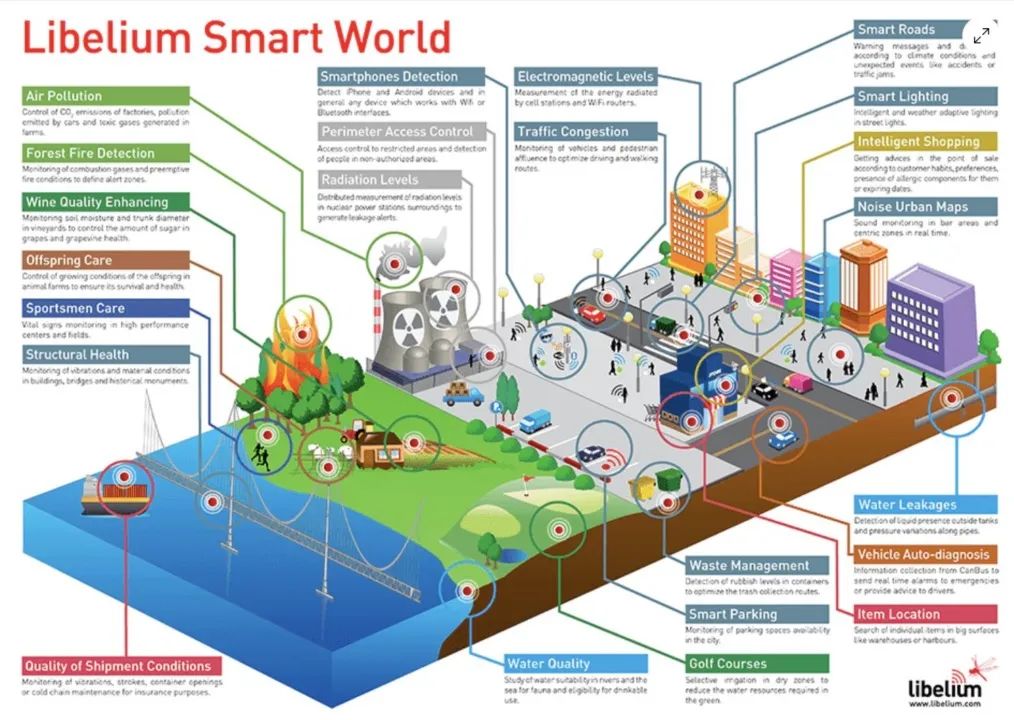
Core Summary: I’m currently focusing on the RWA sector, having incubated a company providing digital invoice solutions for CBDCs and programmable stablecoins linked to real-world assets. I’m also exploring applications in digital certificates, programmable money, account abstraction, and environmental sustainability—all leveraging ERC-3525 to represent and manage real-world assets, offering strong future potential.
What are your thoughts on attracting newcomers?
Regarding onboarding new users, I’m particularly focused on bringing high-quality users, capital, and assets into the industry. From my perspective, this breaks down into two aspects. One is responsibility. Some people—including regulators—advocate for responsible innovation in blockchain. This phrase might sound unpleasant or unwelcome to many, but I believe it’s fundamentally correct. Innovation must be responsible: ask yourself what purpose your work serves. Are you exploiting human greed and weaknesses, or are you amplifying human strengths to contribute to society and the economy—or even to organizations? I know this sounds very idealistic, but it reflects my genuine belief.
If you’d asked me three years ago, I wouldn’t have said this—I hadn’t reached this level of understanding. But today, I truly believe it. There are many loud, aggressive figures telling you how to make money fast, appearing “real” and anti-establishment, rejecting lofty ideals. Many sell this persona, mocking those who talk about values as hypocrites. They say, “I’m just straightforward—I’ll show you how to make money.” Many inexperienced people perceive such individuals as honest and instinctively trust them. But after years of observation, I’ve found these people are almost always scammers. I rarely see them end up well because they first lose themselves.
Returning to the topic, I believe we need to attract higher-quality users, institutions, and capital. From this angle, Web3’s value proposition—returning ownership of accounts, data, and social relationships to individuals—is a just cause. Our work in RWA aims to enhance asset liquidity so SMEs and individuals can access financial rights without relying on intermediaries like banks. These are noble and positive goals. We should strive to fulfill them, drawing in quality participants and capital to foster healthy, sustainable industry growth.
Let me emphasize again: those flashy, seemingly rebellious figures often end poorly. I’ve met many, once admired them, even considered following their path—but ultimately realized their outcomes were bleak. Some end up impoverished and hiding, others imprisoned. I don’t envy such lives. That’s why I chose a more responsible, healthy, and sustainable path—not due to superior morality, but based on my industry observations. It’s the right direction—one with hope and long-term viability.
Ultimately, our goal is to enhance asset liquidity, drive social and economic progress, and empower SMEs and individuals with greater financial opportunities—ensuring everyone gets the financial rights they deserve. We hope to attract more responsible, visionary users and capital to jointly advance the industry’s development.
Core Summary: I deeply care about bringing high-quality users, institutions, and capital into the industry. Responsible innovation matters—consider contributions to society and the economy. I believe Web3’s just vision can attract more people, enhance liquidity, and expand financial access for SMEs and individuals. Choosing a responsible, sustainable path is wise. Ultimately, our goal is to make a positive contribution to societal development.
Join TechFlow official community to stay tuned
Telegram:https://t.me/TechFlowDaily
X (Twitter):https://x.com/TechFlowPost
X (Twitter) EN:https://x.com/BlockFlow_News