









HMX: A perpetual DEX supporting cryptocurrencies, forex, stocks, and commodities
TechFlow Selected TechFlow Selected
HMX: A perpetual DEX supporting cryptocurrencies, forex, stocks, and commodities
As demand for decentralized exchanges continues to grow, HMX is poised to become a key player leading industry development in the future.
 Navigating Web3 tides with focused insights
Written by: Viktor Defi
Compiled by: TechFlow
Getting in early on a Perp DEX (decentralized perpetual exchange) is like using cheat codes. We can look back at the massive returns early adopters of $GMS, $GNS, $LVL, and $DYDX enjoyed. In this article, crypto analyst Viktor Defi introduces another promising emerging perpetual exchange.

Recently, due to increased regulatory crackdowns on CEXs, DEX trading volume surged by 444%. As the SEC continues targeting centralized exchanges, users will shift toward DEXs and Perp DEXs for trading. This trend positions innovative Perp DEXs to become goldmines in the coming months.
Now let’s introduce HMX, the next-generation decentralized perpetual exchange.
Previously known as Perp88, HMX aims to lead derivatives innovation by offering unique cross-margin trading and multi-asset collateral support on Arbitrum.
Users can trade:
• Cryptocurrencies with up to 100x leverage,
• Stocks and commodities with up to 50x leverage,
• Forex with up to 1,000x leverage.
Sounds impressive, right? But the best parts are yet to come.
HMX stands out from competitors with two key innovations:
-
Leveraged liquidity provision (HLP Vault);
-
Cross-margin with multi-collateral management.
1. Leveraged Liquidity Provision (HLP Vault)
As the name suggests, the HLP Vault is a liquidity pool that provides market-making liquidity for traders. Similar to other pool-based DEXs, depositors earn 65% of protocol fees in $USDC, along with additional rewards.
The HLP Vault is built on top of GMX's GLP token. This means depositors benefit from dual revenue streams: 100% of GMX earnings plus additional HMX rewards. Traders also gain access to deeper liquidity.
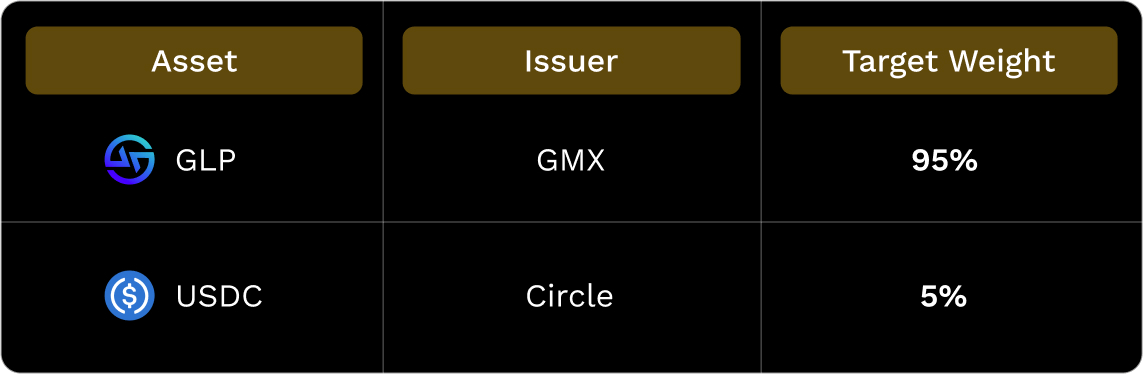
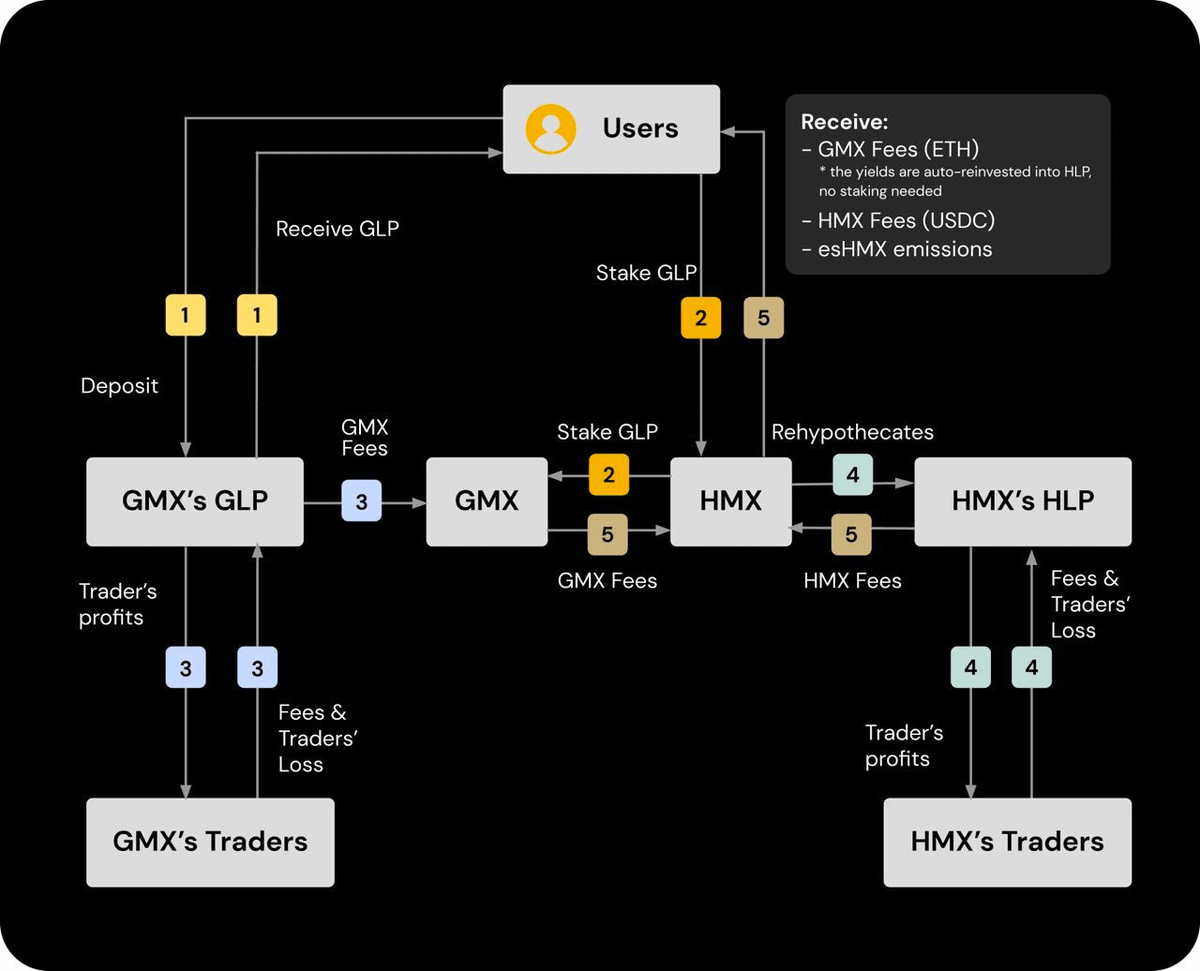
Here’s how HMX works:
HMX reuses staked GLP liquidity to facilitate trades for HMX users, generating profits and losses through fees and offsetting trades against USDC. Ultimately, fees collected from both traders and GMX revenues are distributed to users, including rewards from esHMX emissions.
2. Cross-Margin with Multi-Collateral Management
HMX has made waves as the only pool-based decentralized perpetual exchange offering cross-margin functionality. This allows users to share margin balances across multiple positions, significantly improving capital efficiency.
Additionally, multi-asset collateral support enables users to use various assets as collateral. This is powerful because users don’t need to convert their holdings into a specific asset before trading and can execute diverse strategies at any time!
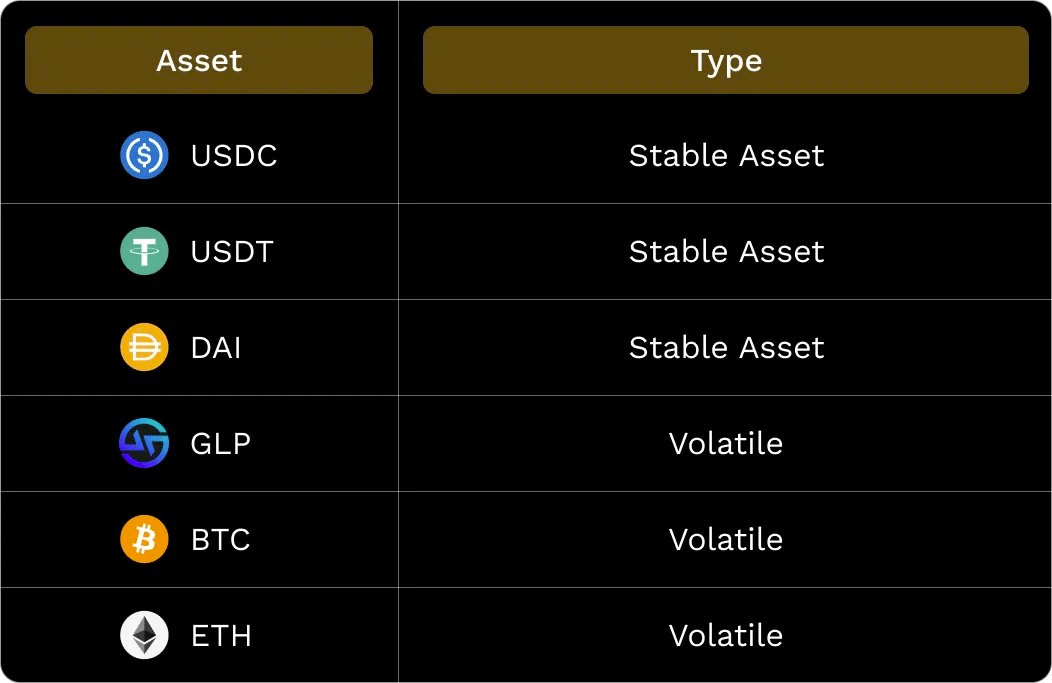
The platform leverages Pyth's cross-chain data sources to efficiently implement cross-margin and multi-collateral features while reducing gas consumption by up to 10x.
Account Abstraction
HMX seamlessly integrates into the account abstraction narrative, enabling one-click trading via AA (account abstraction).
With this feature, users no longer need to constantly approve transactions on their wallet. They can simply enter a 4-digit PIN to execute trades easily.
LP Protection
HMX implements several systems and strategies to protect both traders and liquidity providers (LPs).
These measures primarily aim to prevent LPs and traders from losing liquidity while safeguarding the platform against technical failures and errors.
Fees
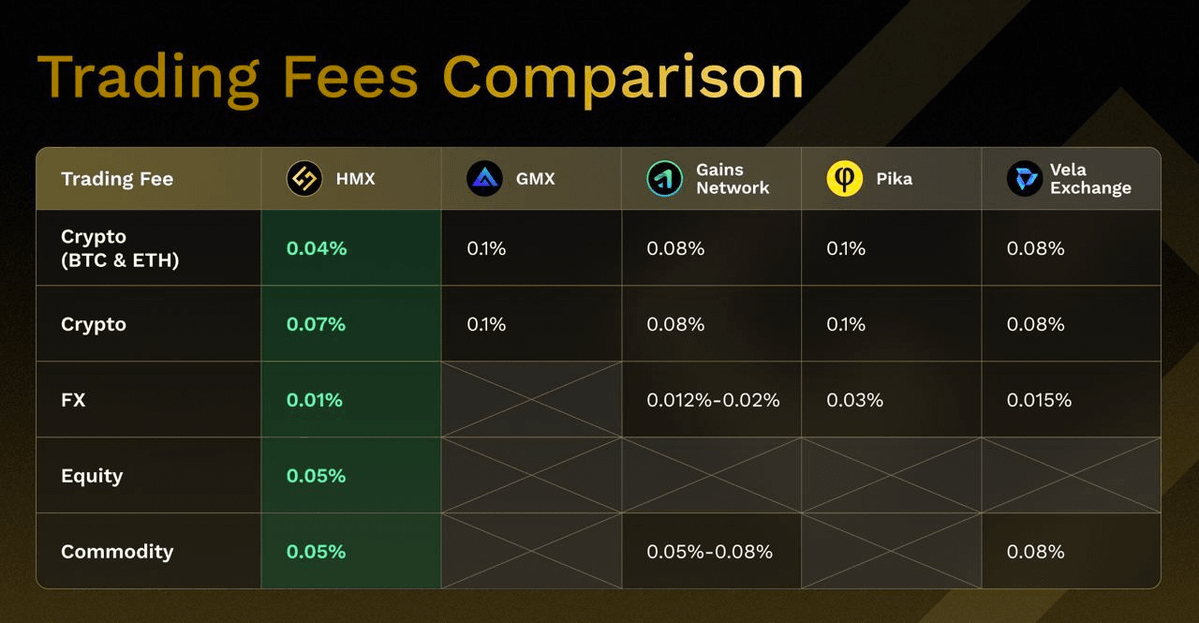
Regarding fees, HMX claims to offer the lowest trading fees in the market. As shown in the chart below, its fees are significantly lower than those of GMX and Gains Network.
Tokenomics
$HMX is the governance token of the HMX perpetual exchange, with a total supply of 10 million tokens. Of these, 40% is allocated to community incentives, 15% to the team, and 6.4% to private sales, among others.
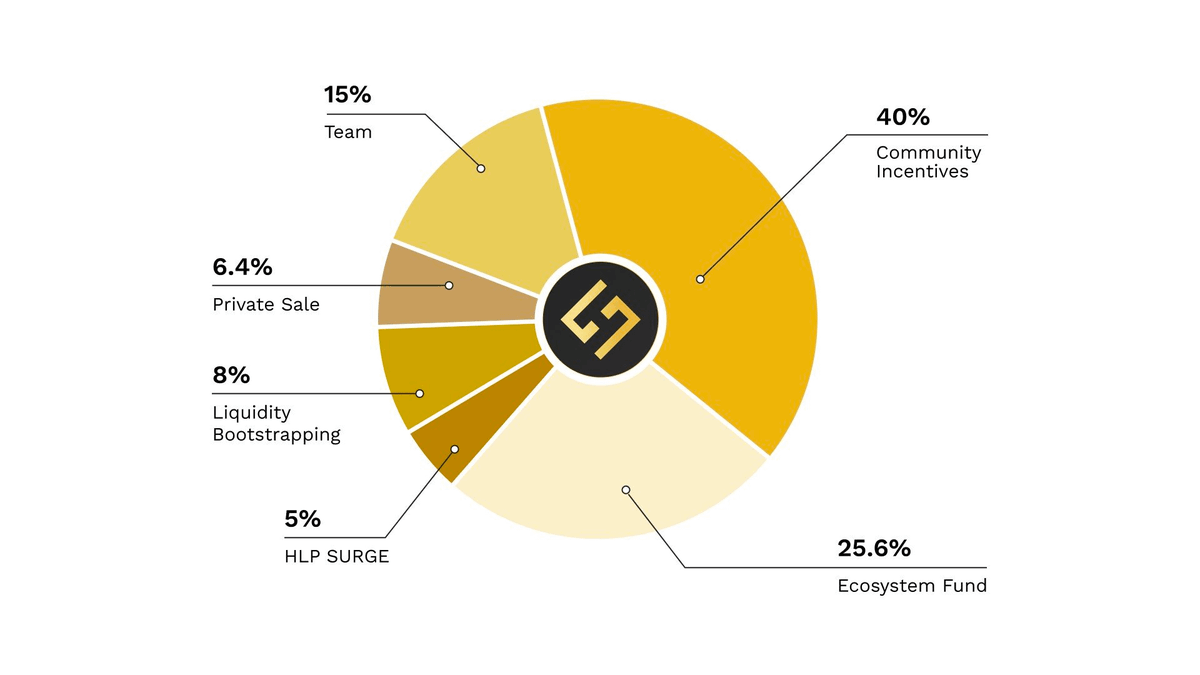
In addition to the $HMX token, the platform features several utility tokens such as $esHMX, $HLP, $DP, and $TLC. These tokens provide users with layered utilities and enhanced returns.
Overall, HMX, as a next-generation decentralized perpetual exchange, boasts numerous innovative features and advantages. By leveraging dual-sided liquidity provision, cross-margin with multi-collateral support, and integration with Pyth, it delivers an efficient trading experience.
Account abstraction, LP protection mechanisms, and low transaction fees further enhance the platform's appeal. Moreover, the $HMX token and other utility tokens offer users greater earning potential and incentive structures.
As demand for decentralized exchanges continues to grow, HMX is well-positioned to become a leading player shaping the future of the industry.
Join TechFlow official community to stay tuned
Telegram:https://t.me/TechFlowDaily
X (Twitter):https://x.com/TechFlowPost
X (Twitter) EN:https://x.com/BlockFlow_News
 Viktor DeFi






