The AI Revolution in Blockchain Gaming (4): How Is AI Actually Applied in Games?
TechFlow Selected TechFlow Selected
The AI Revolution in Blockchain Gaming (4): How Is AI Actually Applied in Games?
How is AI actually applied in games?
 Navigating Web3 tides with focused insights
[Editor's Note] This article was actually written quite some time ago, primarily authored by Jia Ran. We chose to publish it today because... today is a special day! The highly anticipated Justice of Chivalry: Origin mobile game officially launched on June 30, 2023! Yesterday, I tried the preview version—just character customization alone could keep you entertained for hours. The visuals and video quality are truly impressive! Even more exciting: several years ago, AI from NetEase Fuxi Studio had already been applied in multiple PC games such as Justice of Chivalry, mainly enabling NPC-player interactions. Now, with full support from all across NetEase, what breakthroughs might this newly developed Justice of Chivalry: Origin mobile game bring in terms of AI integration?
(All links mentioned in this article are provided at the end; feel free to access them as needed.)
At the Global Game Developers Conference (GDC 2023) held in March 2023, "AI technology applications in gaming" became one of the most discussed topics, drawing attention from nearly everyone present. Sam Altman, co-founder of OpenAI, recently stated in an interview: "AI is one of the rare things that, despite being heavily hyped, is still severely underestimated." This sentiment resonates particularly well within the gaming industry. Indeed, the rapid advancement of AIGC (Artificial Intelligence Generated Content) technologies has profoundly impacted the gaming sector first and foremost, inevitably driving a wave of transformation across the entire industry.
This is a revolution in productivity.
1. AI+ Global Trends
In fact, applying AI in the gaming industry is no longer just theoretical—games have long served as a key driver for AI development. From intelligent combat systems to virtual worlds, customer service bots to cheating detection algorithms, AI has found widespread use in games.
Now, propelled by the current wave of AIGC innovation, the gaming industry stands at another pivotal moment of AI-driven transformation. These emerging trends can be summarized in four words:
Cost Reduction & Efficiency Improvement
Various new tools powered by AIGC technologies that reduce game development costs while improving production and operational efficiency are exploding onto the scene. Let’s take a look at some of these cutting-edge AI innovations!
1.1 AI-Created High-Quality 3A-Level Animations
At GDC 2023, Epic Games unveiled its latest Metahuman Animator technology. This tool allows developers to create high-quality animations in minutes—using only three frames of footage to generate facial bone structures, or even generating animations directly from video or audio input. No prior animation experience required—all you need is an iPhone to quickly map real human facial expressions onto MetaHuman digital avatars, producing highly realistic animated results. During the live demo, performers recreated detailed facial expressions in digital space within just two minutes.
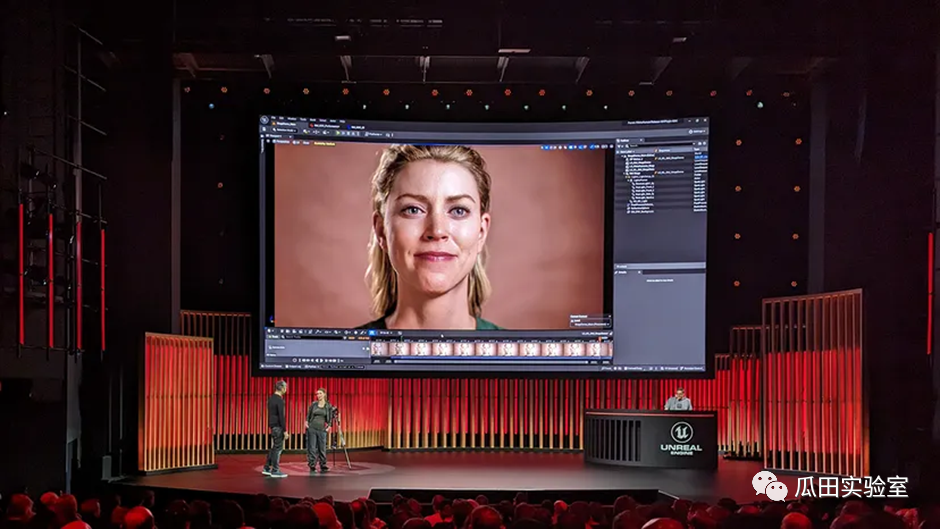
Image source: Screenshot from GDC 2023 live demonstration
1.2 Automatically Generate 3D Game Scenes via Text Descriptions
Opus.ai has developed a novel text-driven method for generating 3D worlds. Their tool enables users to create dynamic lighting, camera controls, terrain, trees, animals, buildings, roads, and animated humanoid characters simply by typing text prompts. In short, users type descriptions, and AI generates full 3D scenes—including environmental effects like leaves gently swaying in the wind.
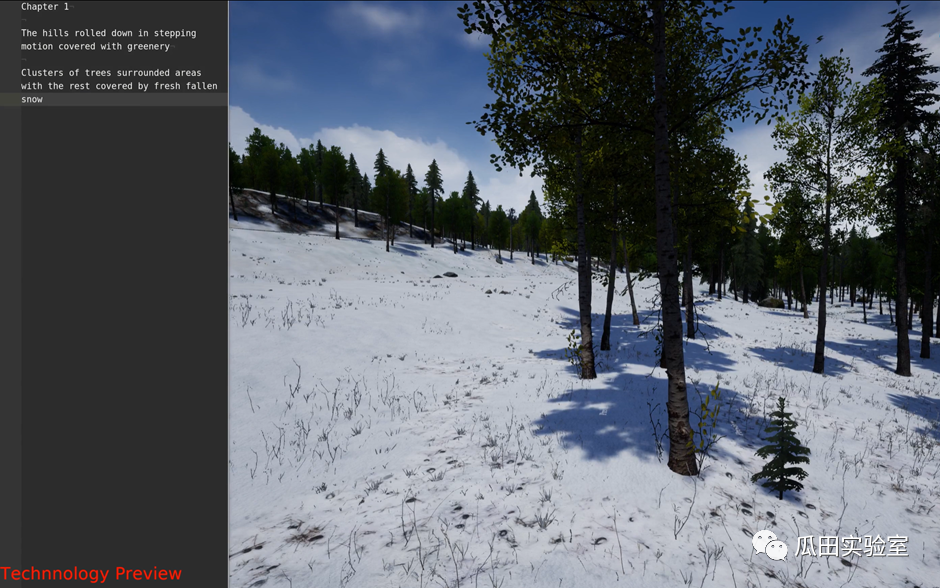
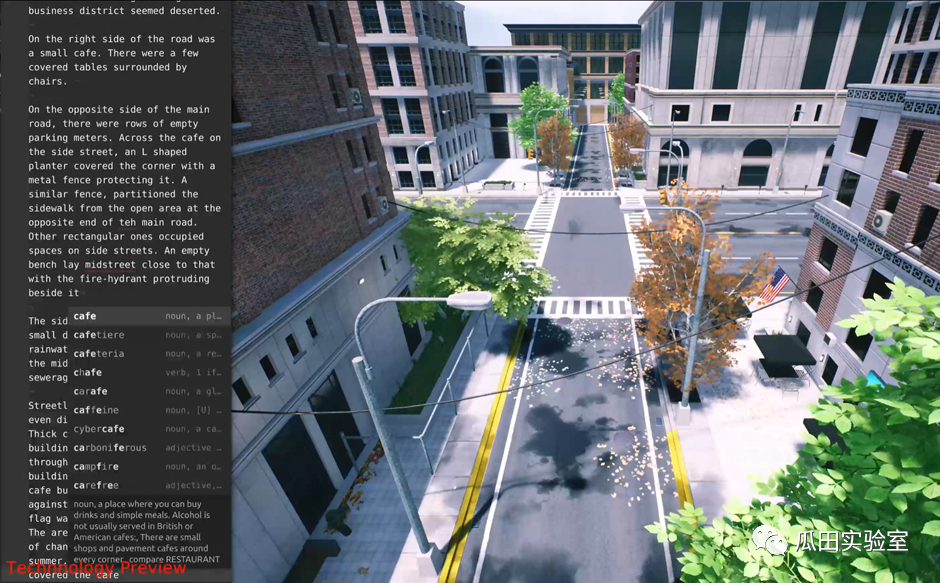
Image source: Demo screenshots from Opus.ai official website
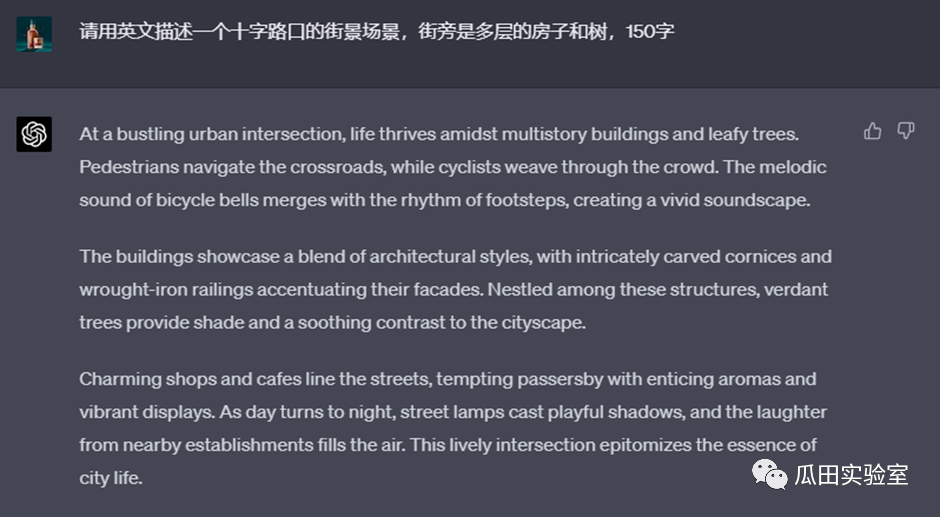
The software is currently in closed beta testing—you can register on their site for Early Access. It currently supports English only—but don’t worry if your English isn't strong. You can leverage powerful tools like ChatGPT to help describe complex scenes precisely:
1.3 AI NPCs Building a “Westworld” Inside Games
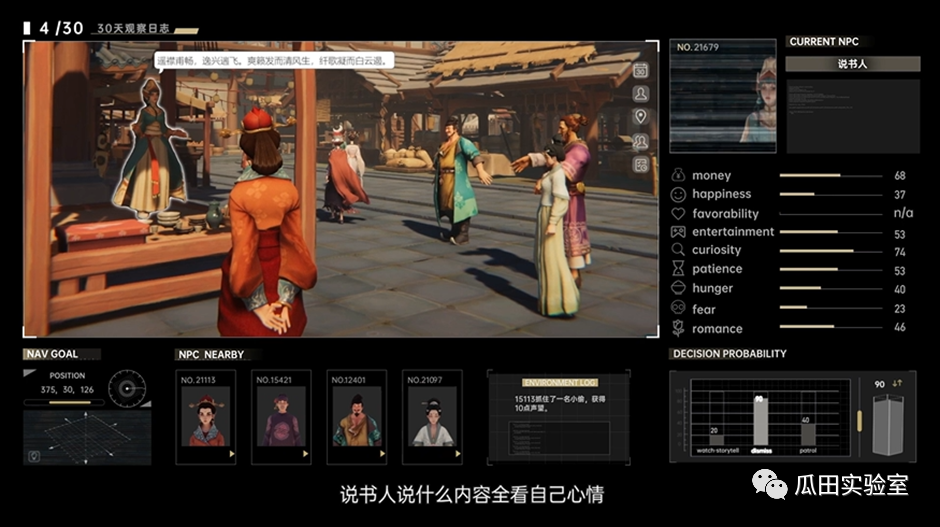
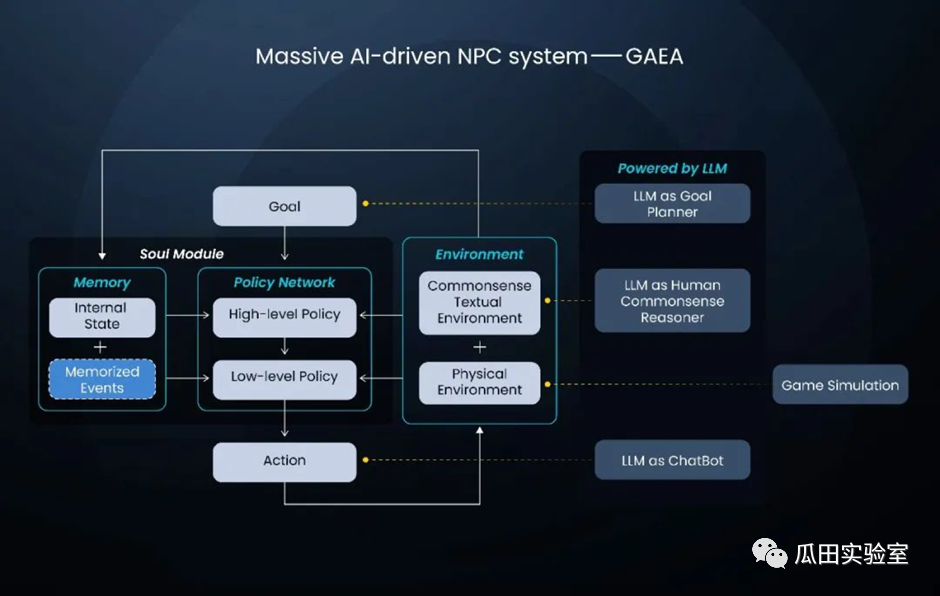
GAEA is a technical system capable of constructing an entire NPC ecosystem. While most teams are still exploring how to use AI to boost R&D efficiency, GAEA may represent one of the earliest solutions deeply integrating gameplay mechanics and transforming content ecosystems—potentially paving the way for next-generation game formats. Recently, China-based Super Parameters Technology used the GAEA system to build a tech demo called “Living Chang’an City,” where NPCs operate without pre-written scripts—all controlled by AI. They interact with each other, possess memory, remember events they’ve witnessed or actions they’ve taken, influencing future behaviors. Each AI NPC has personal goals and motivations, collectively forming an evolving micro-society. Sounds familiar? That’s right—it echoes the world of *Westworld*.
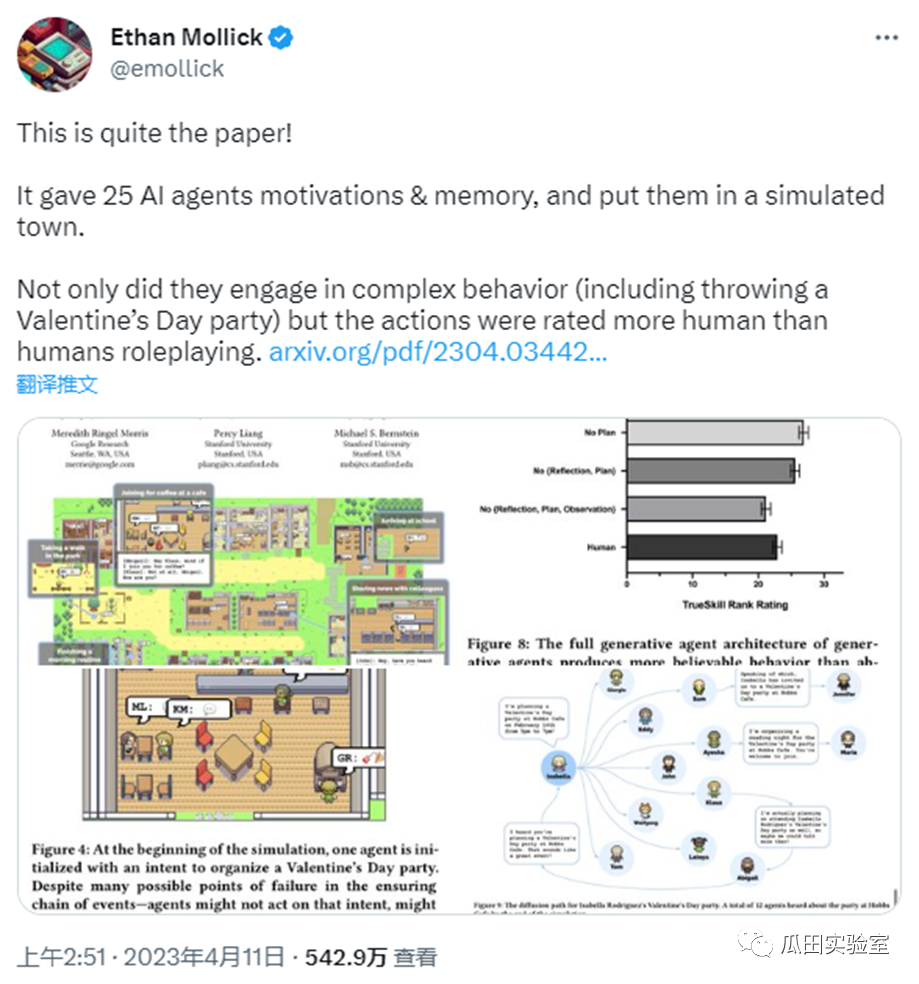
Coincidentally, a recent experiment by Stanford and Google involving AI NPCs also made headlines—they created 25 AI agents placed in a simulated town. These NPCs not only converse naturally but also engage in complex social activities, such as hosting Valentine’s Day parties.
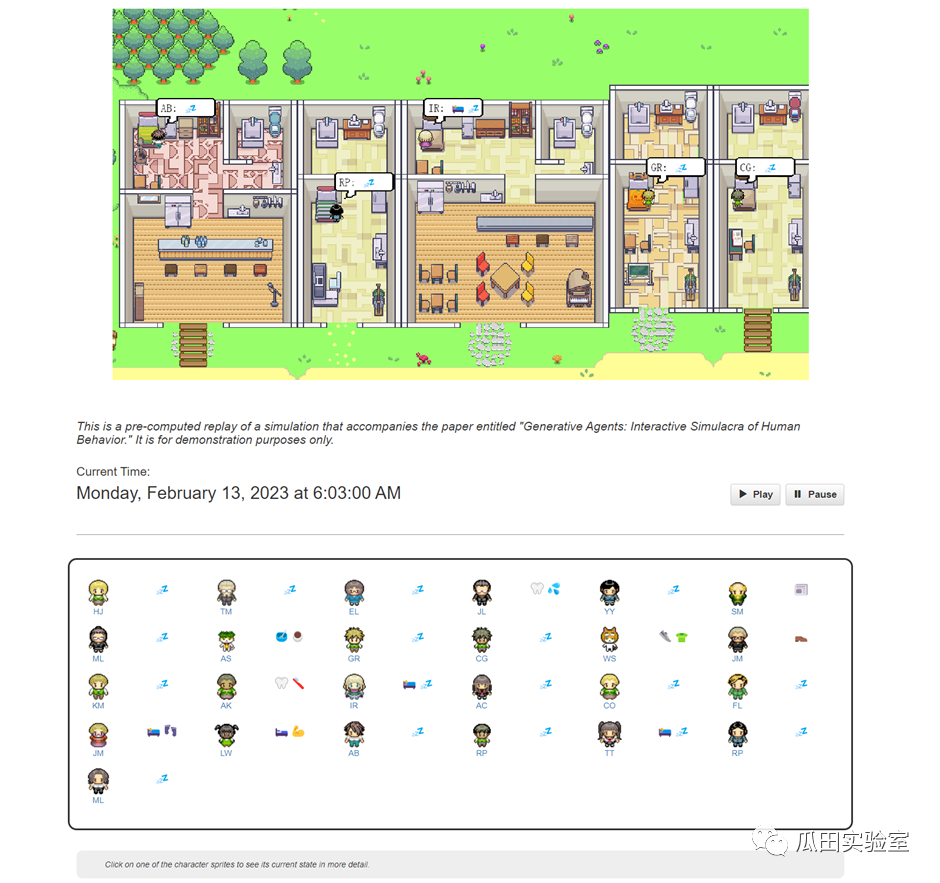
Some social media comments noted that these NPCs behaved more authentically than human role-players:
One can’t help but wonder: Could a truly open, living game world finally become reality? Might Guy from the movie *Free Guy*, who awakens to realize he's an AI NPC inside a virtual game world, someday become possible?

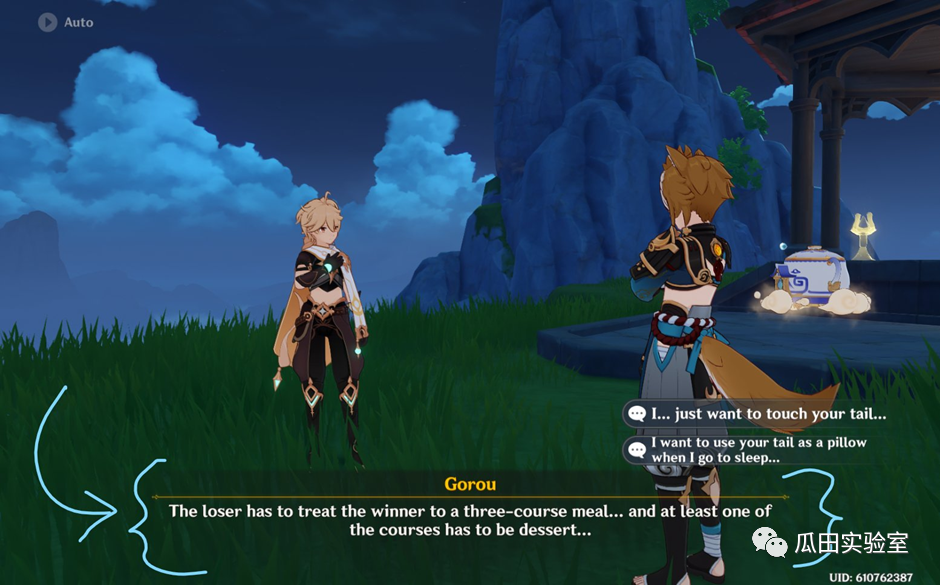
1.4 AI-Generated NPC Dialogue
As games grow larger in scale, writers face increasing challenges in making NPCs distinct and lifelike. With hundreds of NPCs, how do you ensure every interaction feels unique? This is exactly what Ghostwriter—an internal AI tool developed by Ubisoft’s La Forge R&D division—is designed to solve.
Ghostwriter helps game writers generate initial drafts of NPC dialogue triggered by specific events—such as conversations between NPCs, enemy lines during combat, or lines activated when players enter certain areas. These tasks traditionally require massive amounts of manual scripting. With Ghostwriter, AI automatically generates editable draft dialogues based on NPC profiles, saving enormous time so writers can focus on core narrative elements.
1.5 Rapid AI Generation of Game Assets
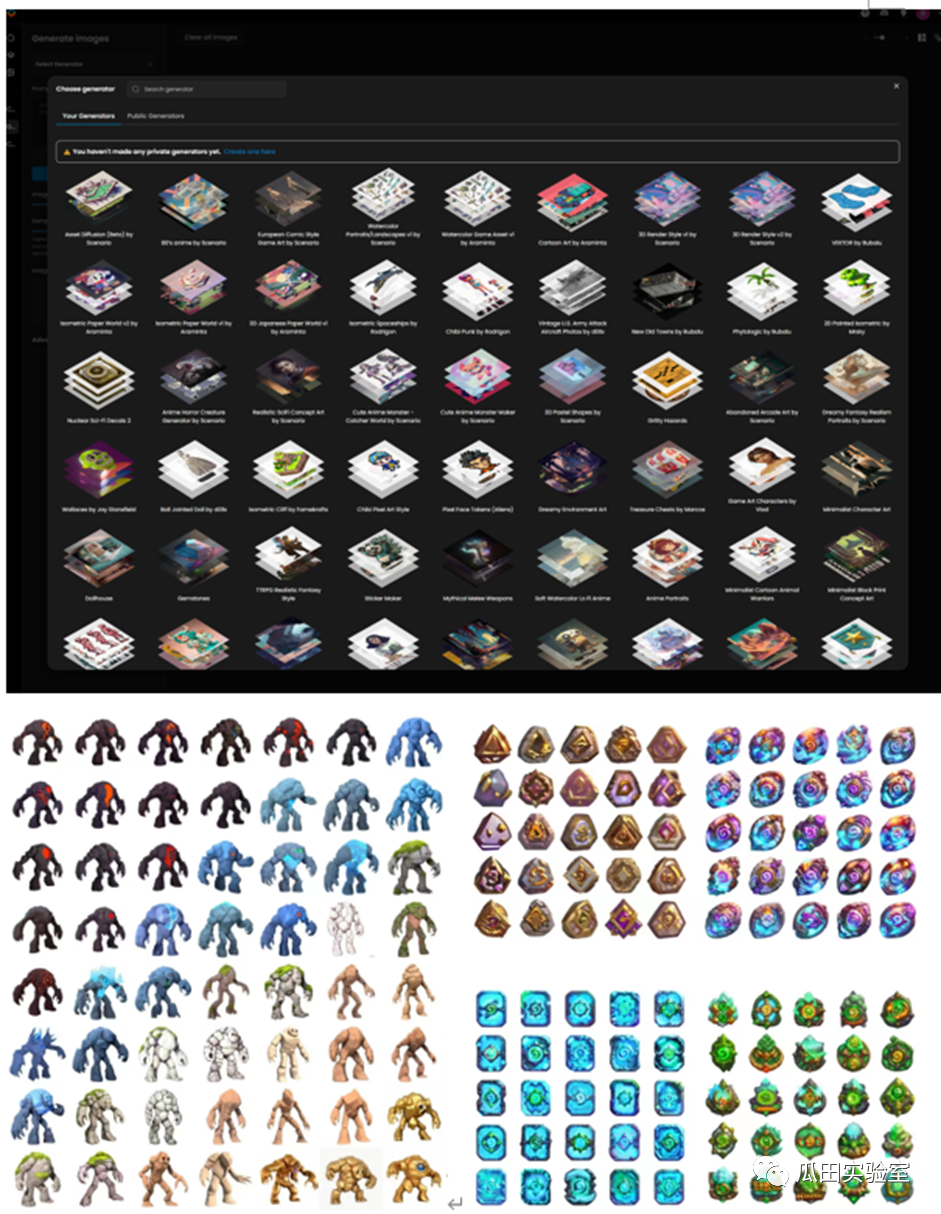
Scenario is a startup company that built a platform using AI to rapidly create game assets. On this platform, users select visual references, upload custom training data—including characters, props, vehicles, weapons, skins, buildings, concept art, pixel art, and sketches—and then create a personalized generative AI engine in just a few clicks, requiring no additional technical skills. Finally, users turn ideas into reality using just a few keywords—asset creation has never been easier.
2. Breakthroughs by Major Game Studios
The productivity revolution brought by AIGC has swept through consumer domains. As I mentioned earlier, major Chinese game studios have already taken action.
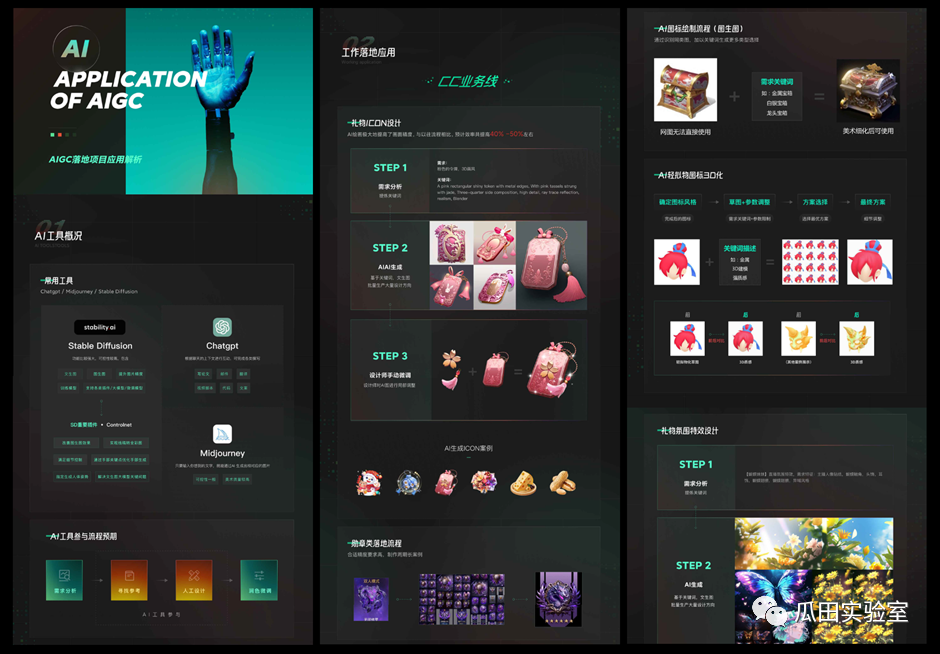
Screenshot from Netease Cfun Design Center’s “AIGC Implementation Project Analysis” report
2.1 Development Phase
During development, nearly every notable domestic studio is actively exploring AI integration into game production workflows—assisting in character design, generating various game assets (icons, effects, maps, models, etc.). Rumor has it that one major studio even requires employees in certain departments to master common AI tools—or risk layoffs.

Image source: Internet
2.2 Operations Phase
During operations, publishers can use AIGC to produce promotional materials—including images, copy, videos—and simultaneously lower barriers for UGC (user-generated content), allowing players to easily create high-quality derivative works and encouraging organic sharing.
Here are a few examples:
<Justice of Chivalry>
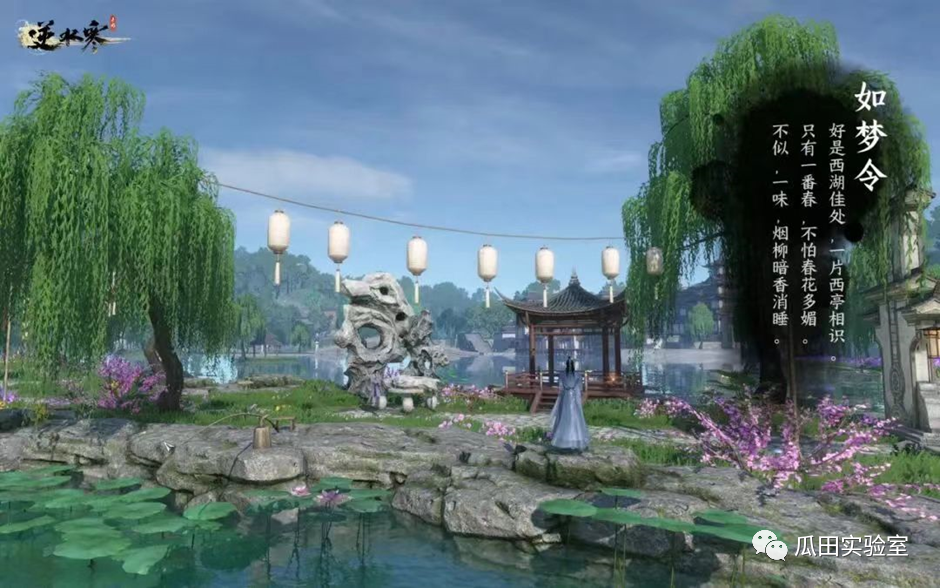
In its latest update, the PC version of Justice of Chivalry introduced AI-generated poetic verses synchronized with in-game screenshots—a stunning UGC feature. The team set up over 40 popular scenic spots as AI poetry checkpoints. Enter a keyword, and the system generates elegant Song-style poems matching the scenery, aligned with the theme, complete with player attribution. One-click sharing to Moments—expect plenty of likes!
<Genshin Impact>
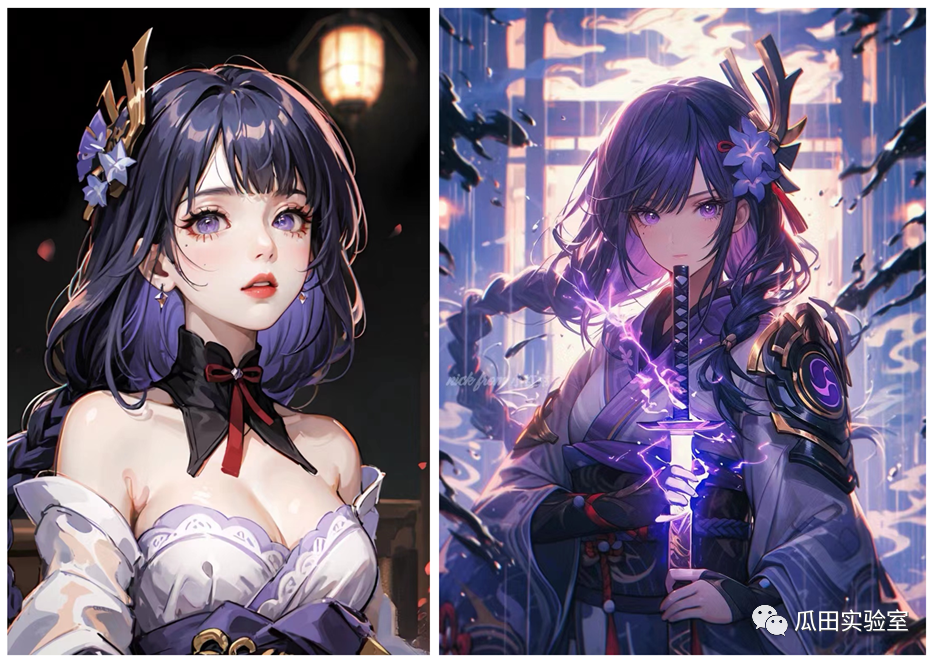
High-quality, photorealistic cosplayer photos created using Stable Diffusion + LoRA—can any human cosplayer match this level of efficiency and quality? Following the “if you can’t beat them, join them” principle, some cosplayers have trained their own LoRA models. With ControlNet assistance, they can quickly generate high-quality images featuring their faces on various characters and poses.

Creating beautiful derivative artwork of anime characters is even easier:
<An overseas-focused game company>
Using ChatGPT for translation enables fast, natural multilingual versions—at a fraction of the cost of hiring professional translators. Midjourney rapidly generates hundreds of promotional visuals, paired with English copy written by ChatGPT—significantly reducing overseas marketing costs. Even more striking: songs that previously required tens of thousands of dollars to compose, write lyrics, and perform—now, after minimal training, AI tools can produce decent-quality folk-style tracks complete with vocals and accompaniment...
Overall, existing AIGC tools have already reshaped workflows at many large studios, increasingly embedding themselves into every stage of game development, operation, and marketing. Outsourcing budgets are being slashed, while internal efficiencies soar. Recall the release of Red Dead Redemption 2, which reportedly cost a staggering 5.6 billion RMB and took 8.5 years to develop—most of the budget went toward labor-intensive efforts like crafting individual backstories, narratives, and dialogues for every NPC. If we were to develop a similar open-world game today using modern AI tools, how much shorter could the timeline be? How much could costs be reduced?

Internal email from a company mandating a halt to all external spending on creative design, planning, and copywriting
3. Significance of AI for Small Teams
For big companies, AIGC tools mainly serve to "boost efficiency," whereas for small teams, they mean "cost reduction"—lowering development barriers and significantly cutting initial funding requirements.
-
3.1 Lowering Game Development Barriers
Rapid generation of game assets—see below. Independent developers are already using Stable Diffusion + ControlNet to generate 2D character animations via AI scripts. Previously, creating such 2D animations required manually drawing each frame. Now, AI dramatically improves efficiency. You no longer need artistic skills or to hire artists or outsource work—if you have taste, leave character creation to AI.
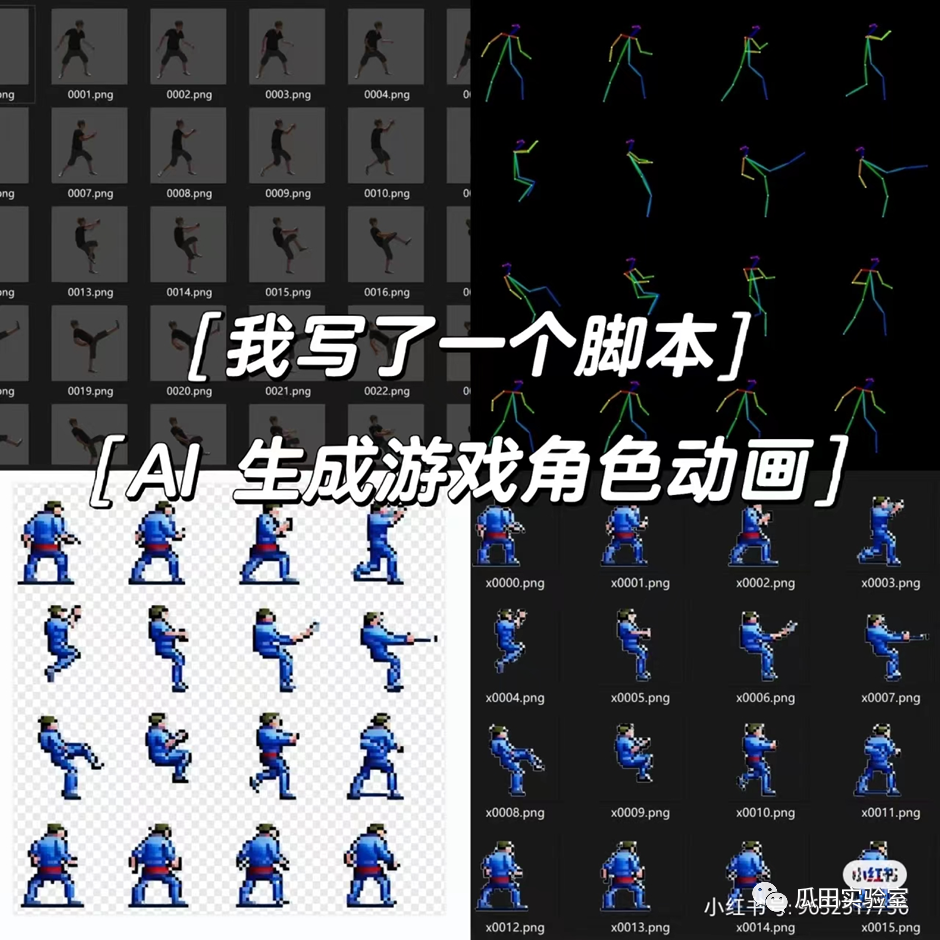
Image from Xiaohongshu, author: Mango and Cat
-
3.2 Reducing Content Costs: Rapid AI Output of 2D/2.5D Assets
Currently, AI-stable outputs used in games are mostly 2D/2.5D assets—including background tiles for 2D platformers, gacha card illustrations for anime games, 2.5D game models, and textures for 3D models.
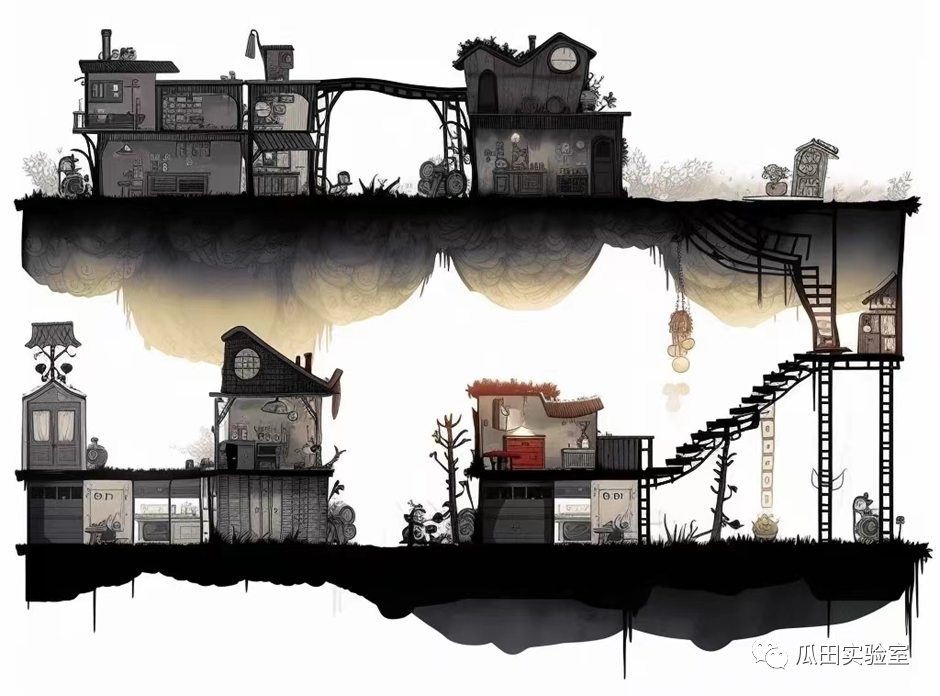
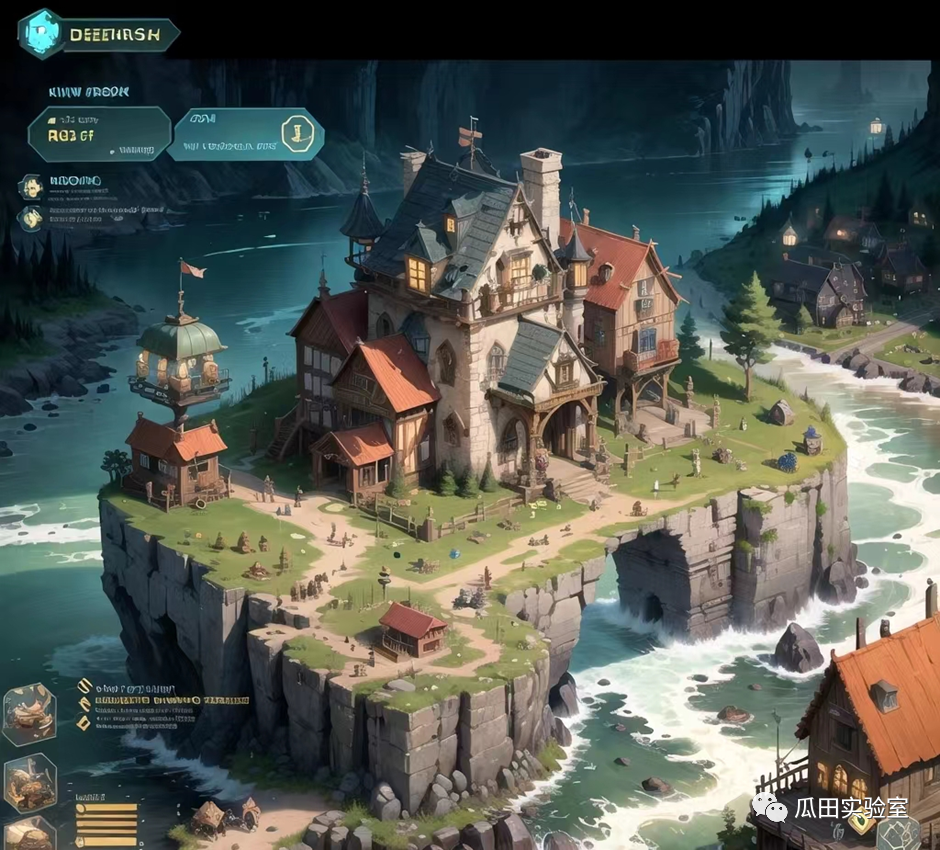
Author’s note: When writing this article in April, only 2D/2.5D assets were viable—but just three months later, we’re already seeing stable 3D asset generation...
-
3.3 Creating Unique Game Concepts Using AI
China-based game AI studio City From Naught collaborated with Web3 creator community Magipop DAO to develop a detective RPG game powered by LLM and generative AI, codenamed "DetectiveGPT." Players explore layered truths through deep, free-form interactions with AI NPCs. It is expected to launch on Steam this April. All 3D model textures in the game were generated using City From Naught’s proprietary 3D texture auto-generation tool. Unlike traditional mystery games where NPC dialogues are pre-scripted and players select questions from options to gather clues, this AI-powered game allows players to freely ask witnesses via voice or text, receiving context-aware responses—an immersive detective experience with enhanced engagement!
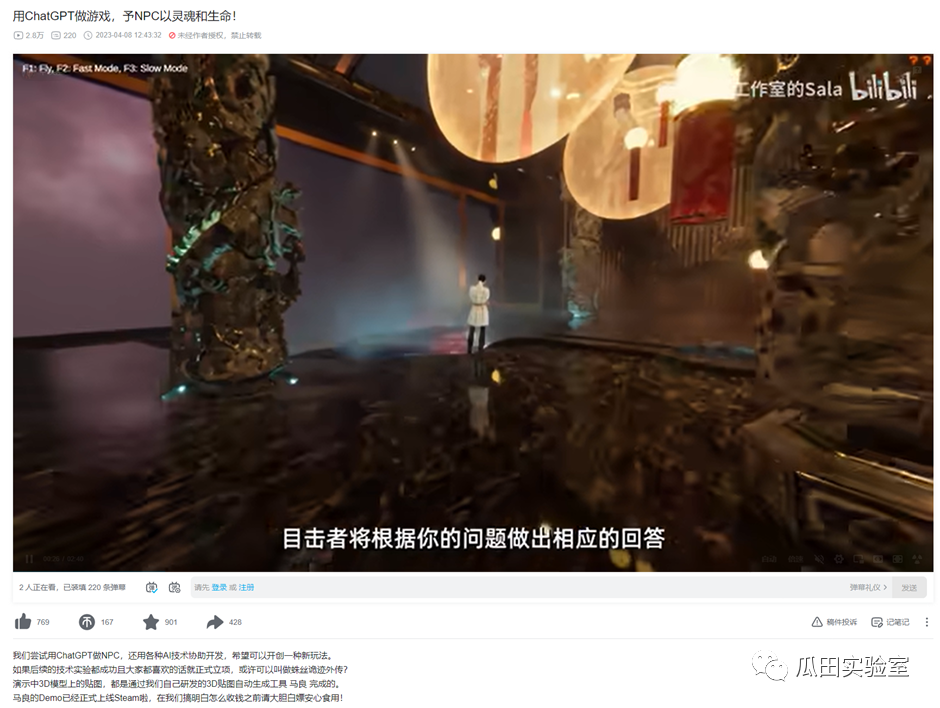
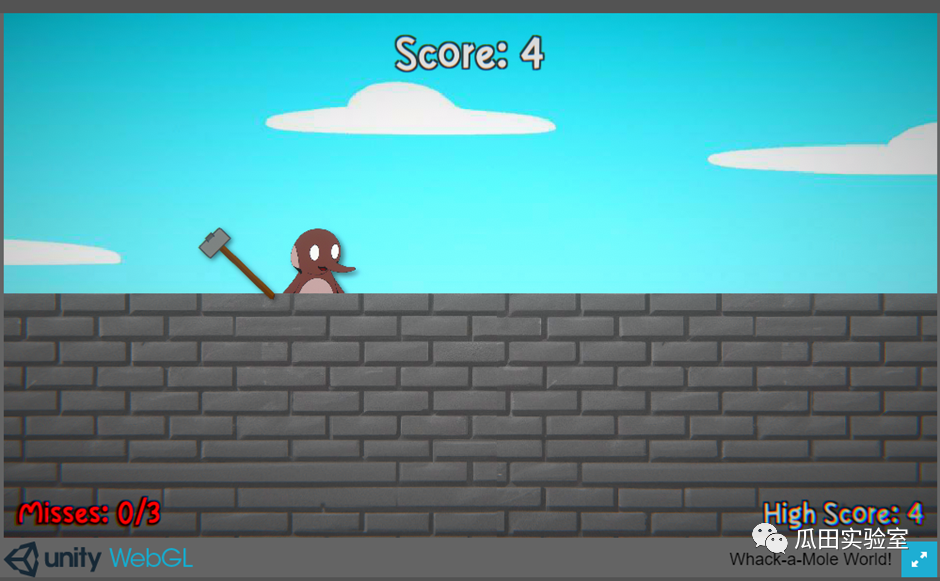
A developer named DevBanana created a Whack-a-Mole game ("Whack-a-Mole World!") entirely using AI tools including New Bing and ChatGPT—code, art, sound effects, and BGM were all AI-generated. You can find his full development process on YouTube.
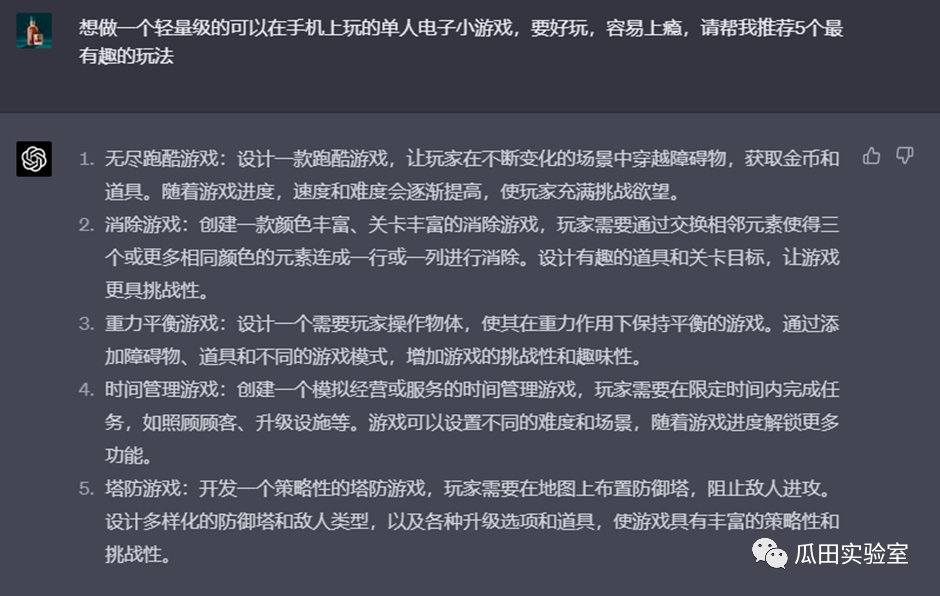
The advancement of AIGC technology brings boundless possibilities to indie developers—don’t know coding? ChatGPT can help. Can’t draw? Choose between Midjourney and Stable Diffusion. Bad at writing? Let ChatGPT generate copy. UI, voiceovers, sound effects—AI handles those too. What remains for you is just creativity—and the ability to clearly describe your vision to AI.
(Psst—when inspiration runs dry, just ask ChatGPT to spark ideas!)
As game industrialization matures, development costs continue to rise, leaving well-funded studios with talent and standardized processes dominating the market. But now, I see a new possibility—perhaps soon, we’ll witness more surprising creations from small, innovative teams or even solo developers.
4. Final Thoughts
When the AIGC revolution began, many questioned, hesitated, or resisted—afraid of replacement, unwilling to leave their comfort zones. Yet, the wheels of technology roll forward relentlessly—
Back then people said: AI can’t draw hands properly. Soon after, MidJourney V5 launched—hand rendering was fixed.
Back then people said: AI-generated Asian women always looked ugly. Not long after, LoRAs trained on Korean and Japanese beauty standards emerged—generating gorgeous网红-style girls effortlessly.
Back then people said: AI art only inspires, can’t control character poses, not practical. Then came ControlNet plugins for Stable Diffusion—now pose control is possible.
Back then people said: AI-generated icons/logos aren’t vector files, hard to use. Then VectorizerAI arrived—one-click conversion of JPG/PNG bitmaps into SVG vectors.
Back then people said: AI can’t render specified text—garbled text gives it away instantly! Now, newer SD versions support text embedding.
…
AIGC advances too fast—who knows what AI will achieve a month from now? It’s unimaginable… But one thing is clear: It’s time to let go of biases and embrace AI with an open mind.
End of article. Next: AI + Web3 Gaming
30-day experiment viewing link:
https://www.chaocanshu.cn/new.html?291
Live stream link for town evolution simulation:
https://reverie.herokuapp.com/arXiv_Demo/
Paper link:
https://arxiv.org/pdf/2304.03442.pdf
AI detective game video demo:
https://www.bilibili.com/video/BV1pL411273h/?share_source=copy_web
To request AIGC implementation documents from 'Pig Farm' and 'Goose Factory', reply with keyword “AIGC” after following us.
Join TechFlow official community to stay tuned
Telegram:https://t.me/TechFlowDaily
X (Twitter):https://x.com/TechFlowPost
X (Twitter) EN:https://x.com/BlockFlow_News
 瓜田实验室W Labs