








With opBNB now launched, where will the BNB Chain ecosystem go in the L2 era?
TechFlow Selected TechFlow Selected
With opBNB now launched, where will the BNB Chain ecosystem go in the L2 era?
What does a BSC L2 developed on the OP Stack mean for BNB Chain and Optimism respectively?
 Navigating Web3 tides with focused insights
By: CapitalismLab
opBNB is live!
What does this OP Stack-based BSC L2 mean for BNB Chain and Optimism respectively?
And what are its advantages and disadvantages compared to Optimism?
Where will the BNB Chain ecosystem head in the era of L2s?
opBNB has already provided fairly comprehensive documentation. Judging by its parameters, opBNB is essentially an enhanced version of Optimism—faster, with greater transaction capacity.
This likely benefits from being a BSC L2; BSC offers higher throughput and faster speeds than Ethereum, so it's understandable that a BSC-based OP would outperform its Ethereum counterpart.
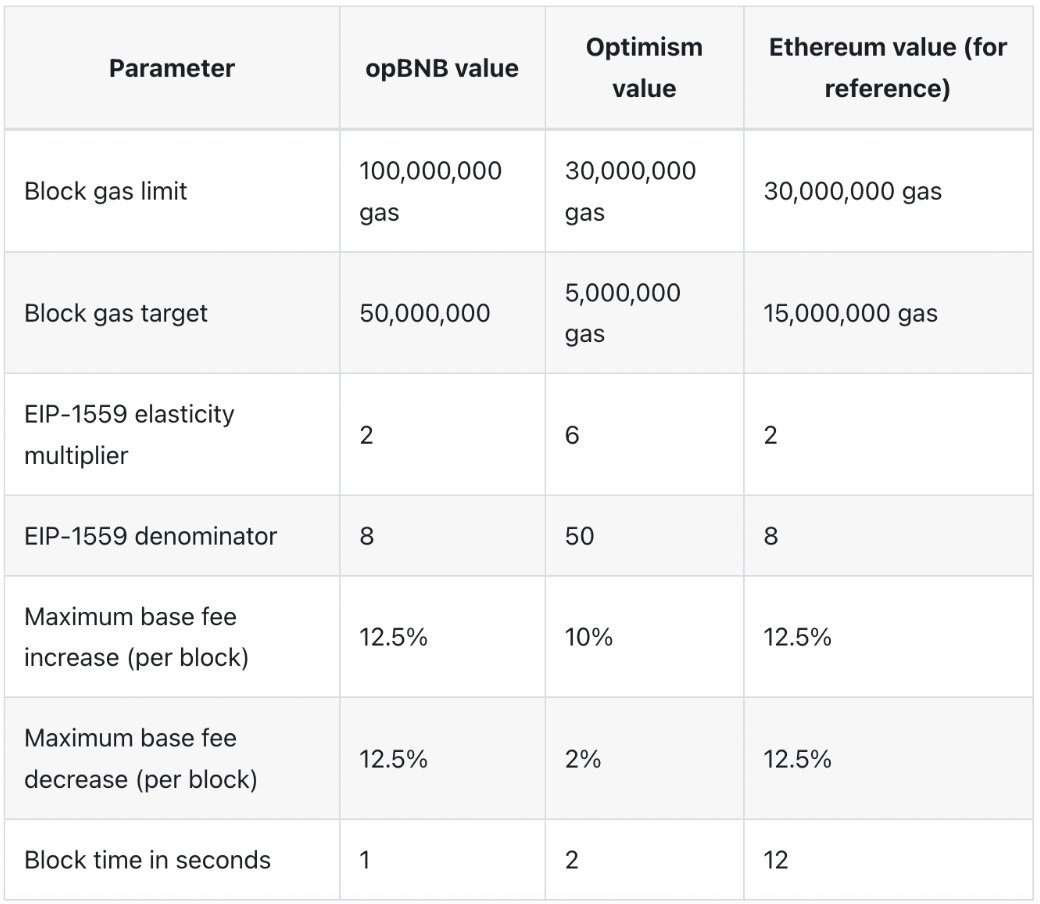
opBNB claims that optimizations on the OP Stack enable it to achieve over 4,000 TPS, one-second block times, and transfer fees under $0.005. Compared horizontally with current Ethereum L2s, these figures are roughly one-tenth of the cost.
As mentioned above, this mainly stems from BSC’s differentiated advantages over Ethereum. In essence, no matter how much Ethereum L2s evolve, a BSC fork can always deliver differentiation.
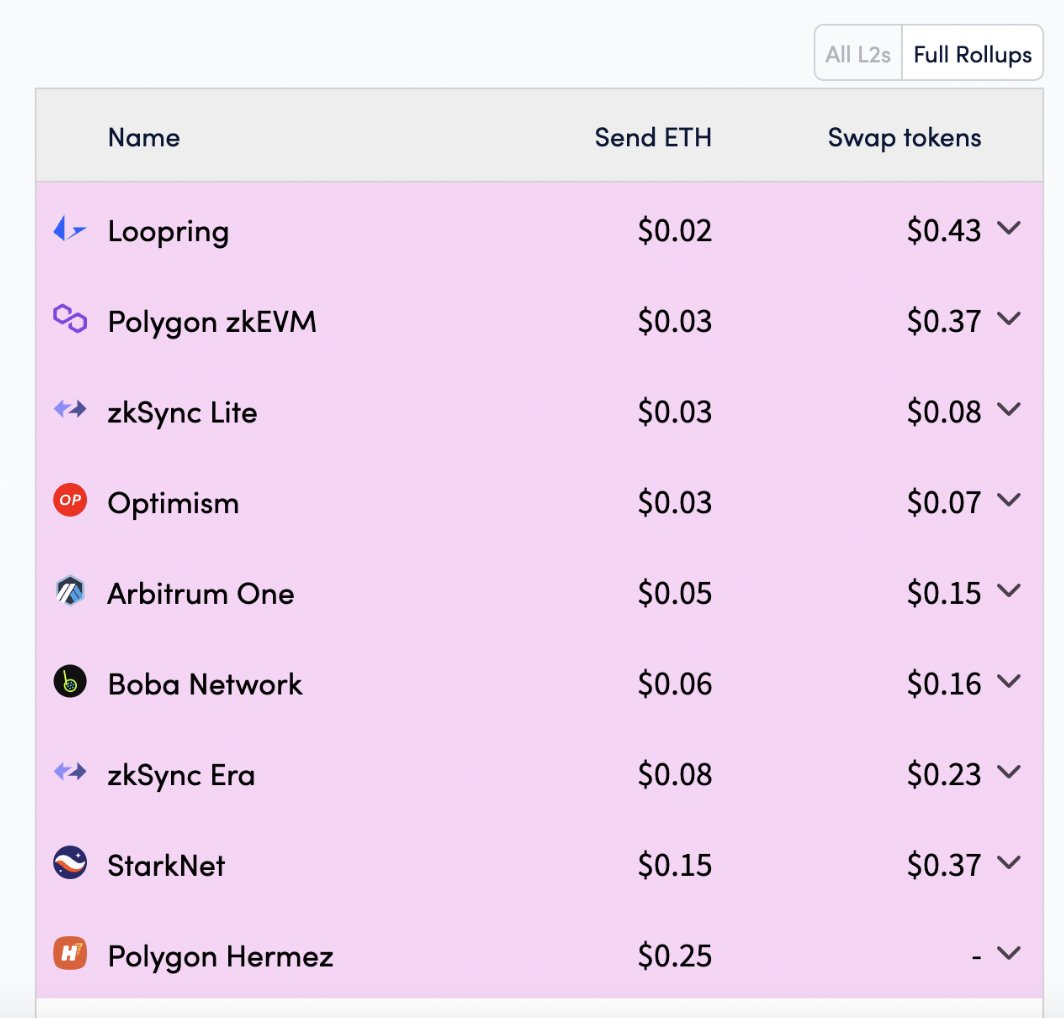
This is a unique advantage exclusive to BSC L2s.
Coinbase, OKX, and Bybit have all announced plans to build Ethereum L2s, but they’re unlikely to offer significant differentiation—after all, they're all built atop Ethereum, while independent projects enjoy first-mover advantages.
If Coinbase still holds the promise of compliant fiat gateways, the other two currently face fierce homogenized competition.
Inheriting strengths also means inheriting weaknesses. While BSC is faster and cheaper than Ethereum, its use of DPoS and strong backing from centralized exchanges naturally results in lower decentralization compared to Ethereum.
However, at the L2 level, the gap between opBNB and BSC is actually smaller than that between Optimism and Ethereum. After all, having the BSC team operate the sequencer doesn't seem to introduce additional risks, and since Optimism’s fraud proofs don’t fully resolve this issue either, it may not be a major concern for opBNB either.
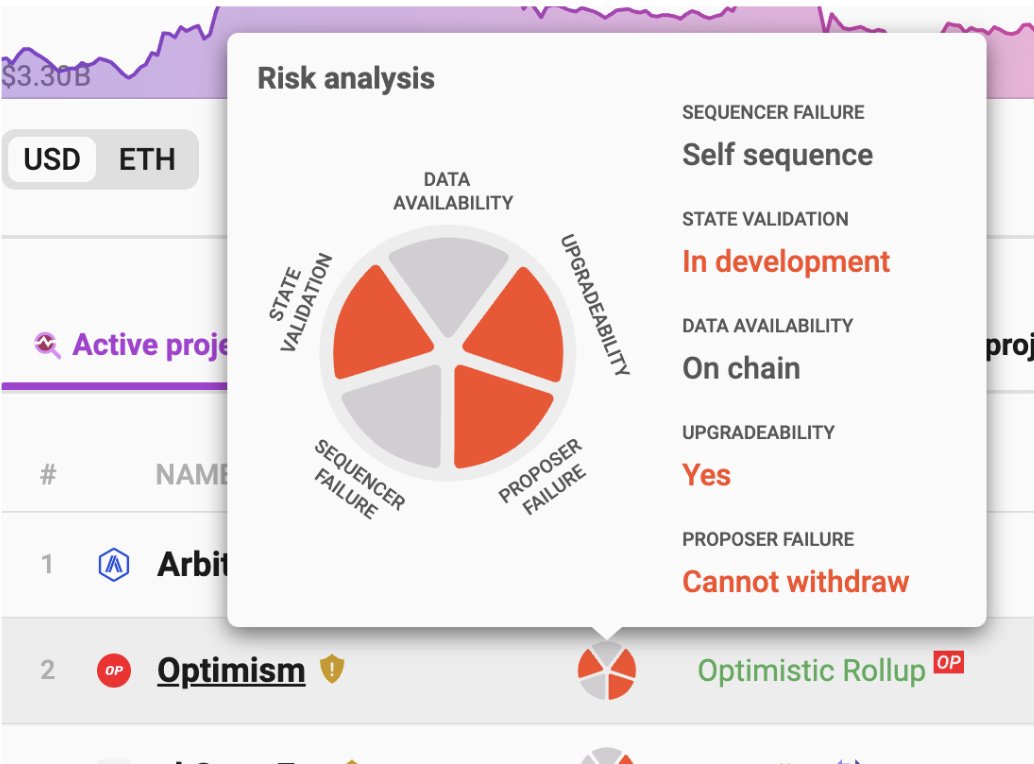
On the other hand, assets on opBNB will primarily come via bridges from BSC, and most assets on BSC itself are bridged rather than natively issued—thus relying on CEX security. That said, BSC is actively working with USDT and USDC to launch native versions.
If this issue is resolved, asset security won’t be a significant disadvantage. After all, major assets are BTC, ETH, USDT, and USDC. BTCB, Binance’s bridged Bitcoin asset, might even hold an edge in trust and security over wBTC, which is similarly bridged by the centralized entity BitGo.
Next, building the opBNB ecosystem remains a significant challenge. Although BSC is currently the most active non-Ethereum L1, the gap with Ethereum’s ecosystem continues to widen rather than narrow.
The improved user experience brought by opBNB could help the BNB Chain ecosystem attract projects sensitive to speed and fees, such as Perp DEXs.
During its early stages, opBNB likely already has several projects developing on it—for example, some have already deployed zkBridge (an amusing name alongside opBNB). Going forward, the extent of Binance’s support will likely be key.
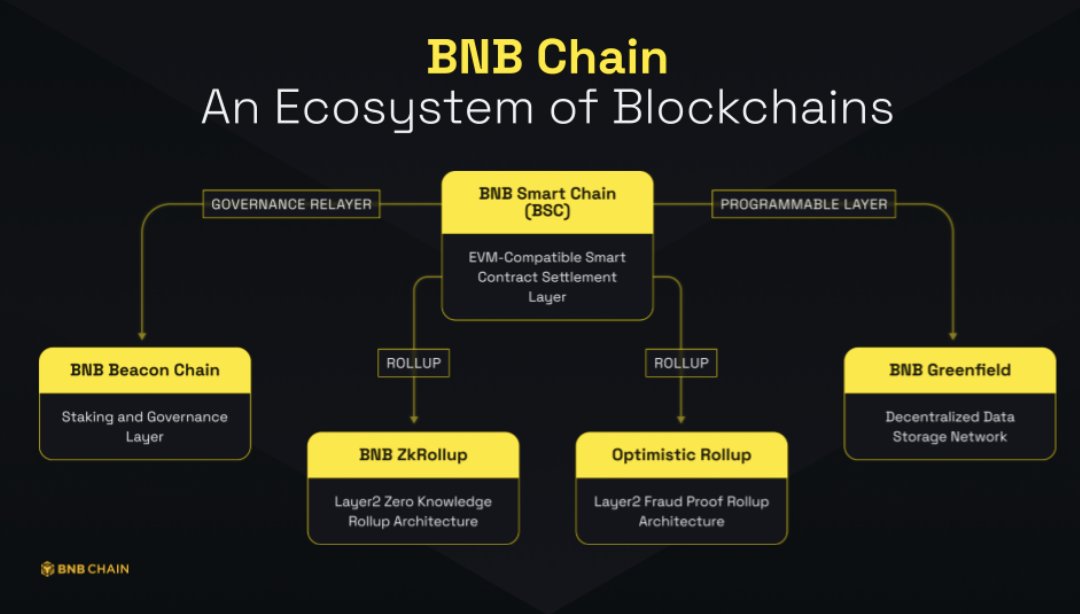
Additionally, according to BNB Chain’s overall "One Chain" strategy, GreenField is highly likely to serve as opBNB’s future data availability layer. BNB Chain appears to be constructing a self-contained internal ecosystem [a familiar flavor].
What does opBNB mean for $OP? After all, opBNB runs on the OP Stack. To put the OP Stack documentation in plain English: OP Stack is the open-source software behind Optimism—a toolkit developed by OP to make it easy for others to fork their system. Frankly, the current situation isn’t too different from when Sushi forked Uniswap years ago.
Of course, chains using OP Stack benefit from better cross-chain compatibility and communication, and OP has painted an ambitious vision called SuperChain. However, just as $ATOM hasn’t fully captured the growth value of the Cosmos ecosystem, there’s similar concern that $OP might not fully benefit either.
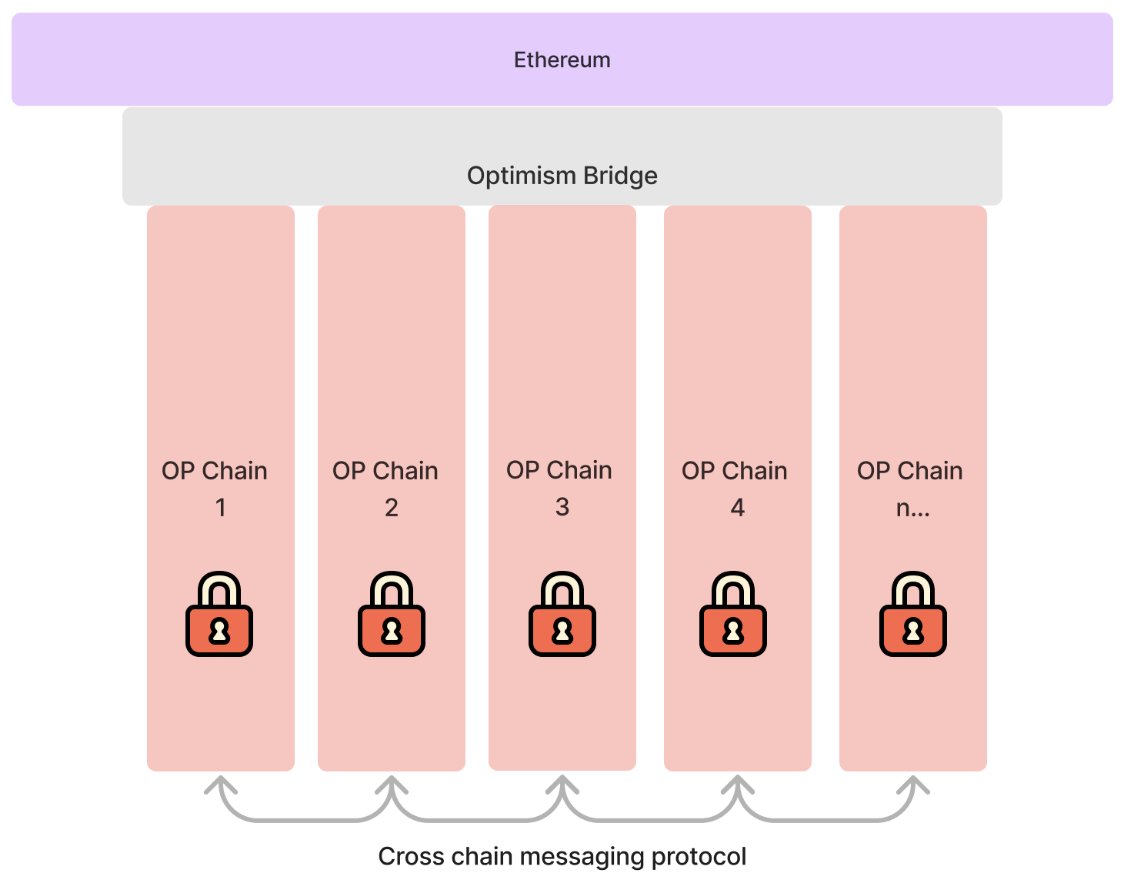
Still, for OP developers looking to start new ventures, this is quite beneficial—it expands OP’s reach and makes it easier for them to launch new tokens or lead other projects.
Moreover, $OP gains at least a speculative narrative—something often more important than fundamentals in this industry.
Summary
opBNB is a faster, cheaper, higher-capacity version of Optimism built on BSC, whose advantages largely stem from inheriting BSC’s differentiated strengths over Ethereum. Asset security and ecosystem development remain opBNB’s main challenges—though the former is being addressed, the latter remains difficult. In the L2 era, “differentiated advantages” will persist thanks to BSC’s existing edge over Ethereum.
For $OP, there’s no immediate benefit, but the long-term SuperChain narrative offers market participants something to chew on.
Join TechFlow official community to stay tuned
Telegram:https://t.me/TechFlowDaily
X (Twitter):https://x.com/TechFlowPost
X (Twitter) EN:https://x.com/BlockFlow_News
 CapitalismLab










