








Will tightened cryptocurrency regulation become the new normal as SEC's regulatory wave continues?
TechFlow Selected TechFlow Selected
Will tightened cryptocurrency regulation become the new normal as SEC's regulatory wave continues?
Is the SEC's regulation of Binance and Coinbase justified? What is its purpose? And what impact will such aggressive regulatory actions have on the crypto industry?
 Navigating Web3 tides with focused insights
The past few days have seen one storm after another in the crypto world. The U.S. Securities and Exchange Commission (SEC) has launched regulatory lawsuits against Binance and Coinbase, two major cryptocurrency exchanges. It has also requested courts to freeze Binance’s Binance.US assets and impose restraining orders on Binance founder Changpeng Zhao (CZ), with at least one court already issuing a subpoena.
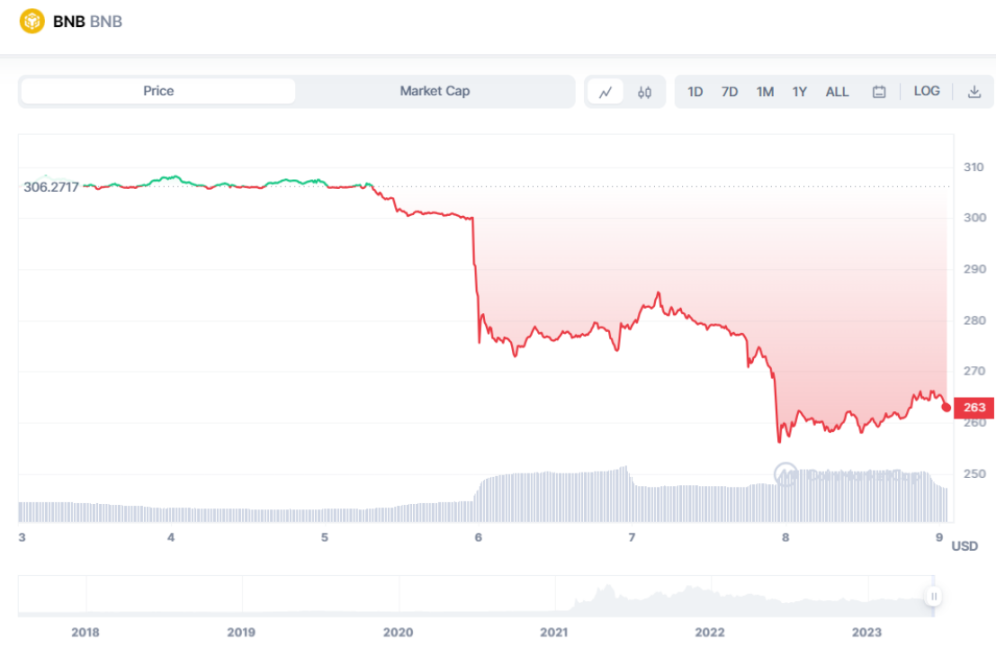
These consecutive actions by the SEC have triggered massive turmoil across the crypto market. Prices plunged sharply, prompting many investors to seek safety by converting major cryptocurrencies into stablecoins. Since the incident began, BNB has dropped nearly 15%, approaching its lowest level in about a year. Worse still, unconfirmed reports suggest that the SEC may target another giant—Robinhood, the crypto custody platform—in regulatory litigation as early as next week.
Are the SEC's regulatory actions against Binance and Coinbase justified? What are their objectives? And what long-term impact will this aggressive wave of regulation have on the crypto industry? This article will analyze and answer these questions one by one.
Specific Allegations in the Regulatory Charges
1. Regulatory Lawsuit Against Binance
-
Allegations by the SEC: Binance and CZ are accused of 13 alleged violations including misappropriating customer funds, deceiving consumers, and operating a fraudulent network.
-
The SEC complaint includes claims that the following 10 tokens are unregistered crypto asset securities: SOL, ADA, MATIC, FIL, ATOM, SAND, MANA, ALGO, AXS, and COTI. It further alleges that both BNB and BUSD are illegally registered assets issued by Binance.
-
The SEC also accuses Binance of deliberately evading U.S. oversight.
2. Regulatory Lawsuit Against Coinbase
-
Allegations by the SEC: Coinbase is accused of illegally operating since 2019 as an unregistered securities exchange, effectively monetizing investor assets. The SEC defines several cryptocurrencies—including SOL, ADA, and MATIC—as securities, and charges Coinbase with offering unregistered securities trading.
-
Over ten U.S. state regulators have charged Coinbase’s staking program with violating state securities laws, resulting in a $5 million penalty for offering and selling unregistered securities.
Binance and Coinbase Responses and Current Exchange Status
Response from Binance and Changpeng Zhao:
1. Expressed disappointment over the SEC’s actions, stating that they had previously engaged in sincere negotiations and cooperation with the SEC to address concerns, but the SEC chose to act unilaterally and file a lawsuit.
2. Emphasized that Binance is not a U.S.-based exchange and that the SEC’s jurisdiction is limited. Reaffirmed that user assets remain secure and protected.
3. CZ stated that the SEC’s actions deal significant harm to the crypto industry and clarified that any asset freeze order applies only to Binance.US, not Binance.com.
4. CZ tweeted that Binance is fully prepared for deposits and withdrawals and will ensure the stability and smooth operation of its systems.
5. Binance.US announced the removal of over 40 cryptocurrency trading pairs and suspended its OTC trading services, although key tokens like BNB, SOL, and MATIC were not delisted.
Coinbase Response:
1. Coinbase CEO Brian Armstrong stated that Coinbase continues normal operations with no risk of customer run-offs, and emphasized that the staking business under scrutiny will not be abandoned.
2. Chief Legal Officer and General Counsel Paul Grewal responded that the SEC’s actions damage companies like Coinbase that are committed to compliance. He argued that when there are uncertainties or regulatory gaps, the solution should be legislative—to establish fair rules transparently—not through litigation.
Immediate Market Impact
Stocks and Crypto Prices Plummet
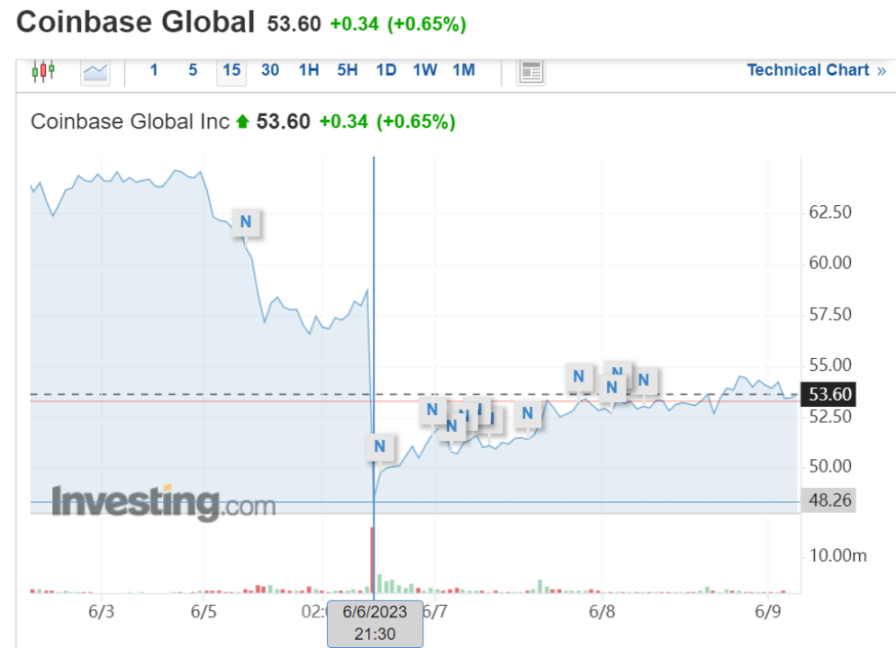
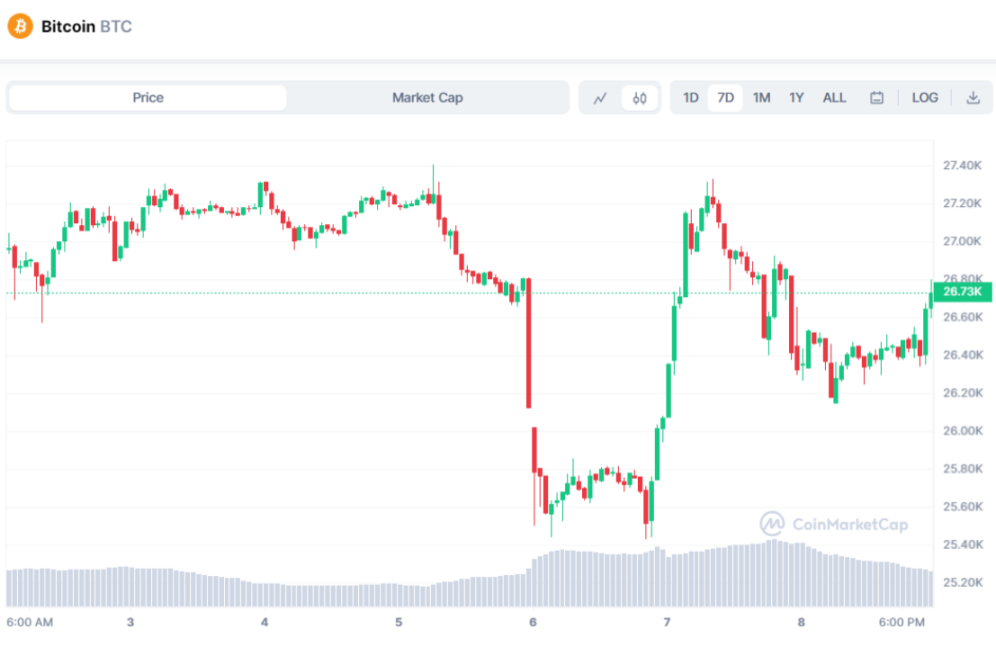
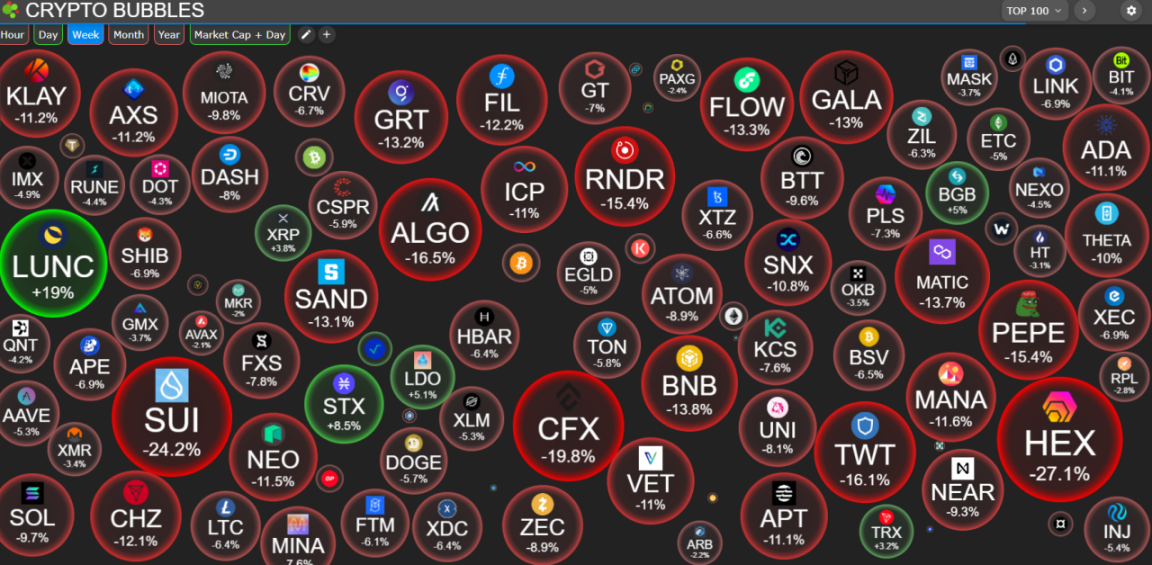
Following the SEC allegations, Binance’s share price immediately dropped nearly 8%. Coinbase, already listed on Nasdaq, fell nearly 17% during morning trading. Bitcoin dropped below $26,000—the lowest level in three months. Numerous other smaller cryptocurrencies were also affected, with weekly declines ranging from 5% to 25%.
Loss of Confidence and Capital Outflows
Due to the sudden regulatory charges—and given that both Binance and Coinbase are central pillars in the crypto ecosystem—investor sensitivity to risk has heightened, echoing fears from the FTX collapse. The SEC’s request to freeze Binance.US funds and its direct naming of ten major cryptocurrencies inevitably triggered partial sell-offs, with users exchanging holdings into stablecoins like USDC and USDT. Data shows a slight increase in DEX trading volume on June 6th and 7th, reflecting capital outflows as investors moved to mitigate risk, paused mining and staking activities, and adopted a wait-and-see stance amid market volatility.
Media Support and Backlash Against the SEC
Many international media outlets and prominent industry figures have voiced support for Binance and Coinbase, expressing trust and confidence in them. The market chaos and price swings sparked widespread dissatisfaction. Blockworks, a leading financial news outlet, published a scathing critique of SEC Chair Gary Gensler, accusing him of harming national and public interests due to his inadequate understanding of crypto regulation and his use of aggressive policies to stifle innovation. Influencers and media argue that digital assets represent an inevitable trend, and if the SEC continues using a “I suspect you’re guilty, so I’ll charge you first without presenting direct evidence” approach, it will effectively drive the Web3 revolution out of the United States.
Anxiety Spreads: Who’s Next?
After filing a 136-page lawsuit against Binance and CZ, while attention was focused there, the SEC swiftly turned its attention to Coinbase. Two consecutive lawsuits with similar justifications have left other crypto platforms anxious. For example, on June 7, Robinhood announced it might delist certain cryptocurrencies that the SEC identified as securities in its lawsuits against Binance and Coinbase. Despite holding a brokerage license for securities trading, Robinhood stated that insufficient disclosure standards for these projects prevent them from relisting.
Root Cause Analysis
First, following the FTX collapse, demand for regulating centralized exchanges has increased. The SEC aims to expand its authority and establish dominance in crypto regulation. Indeed, the legal filings show the SEC strategically targeting the gray area of “classifying certain cryptocurrencies as unregistered securities,” specifically naming top-tier mainstream tokens. Clearly, post-FTX, the SEC has deepened its determination, research, and policy development in this domain.
On the positive side, appropriate regulation benefits investors and platform users by standardizing exchange practices, protecting fund security, and preventing catastrophic failures like FTX from destabilizing the financial system. A credible, authoritative regulator is needed—and the SEC wants to assume that role, gaining greater influence over the crypto world.
Second, both Binance and Coinbase mentioned prior cooperation and negotiations with the SEC. Additionally, the $5 million fine imposed on Coinbase suggests the SEC seeks substantial penalties. From last year’s bear market to today’s still-recovering market, Binance saw a tenfold revenue increase over the past two years, reaching $12 billion in 2022. Coinbase, publicly traded, earns billions annually. Given their scale, the SEC could impose enormous fines—demonstrating regulatory strength, setting precedents for future enforcement, and generating significant direct revenue.
Another suspicious motive may be undermining Binance’s brand. After FTX’s collapse, no U.S.-based exchange can compete with Binance. With vast amounts of capital held on non-U.S. platforms, this reality makes American authorities uneasy. While Coinbase—a domestic platform—was also targeted, many observers noted that compared to Binance’s 136-page lawsuit, the action against Coinbase felt relatively mild—leading some to comment, “the favorite child gets a light punishment.”
Potential Long-Term Impacts
1. Delayed bull market, reduced market vitality, and declining investor confidence. After the 2022 bear market, the first half of 2023 showed signs of recovery, with small surges around BRC20, meme coins, and new blockchain launches. Investor sentiment was improving. But the regulatory crackdown on exchange giants has revived memories of the FTX nightmare, pushing markets back toward risk aversion and conservative investment strategies.
2. If the SEC succeeds in these lawsuits, it will likely continue expanding its regulatory reach across the crypto space. Platform behaviors may become more standardized, fund oversight stricter, and user assets better protected.
3. However, tighter regulation may restrict capital flows, reduce capital efficiency, and dampen protocol-level innovation. We can expect fewer funds flowing into new project incubation and fewer innovative models receiving compliance approval—reducing overall market dynamism.
4. If future SEC regulations become overly aggressive, they could severely damage the U.S. Web3 industry. The current lawsuits target clear gray areas—issues regulators could previously choose to overlook. The SEC’s abrupt shift from private negotiation to public litigation based solely on suspicion alarms major projects. While giants like Binance and Coinbase may survive by complying or paying fines, smaller U.S. Web3 startups may not withstand such blows.
5. In response to the SEC charges, CZ tweeted, “We must unite.” Though unspecified, the call clearly targets the entire crypto community—every individual member. CZ emphasized that the SEC’s actions represent a serious blow to the crypto industry and urged collective resilience and confidence. Data shows that despite initial large-scale withdrawals following the allegations, major figures soon began depositing significant capital back into Binance, restoring previous asset levels. Such leadership from Binance and CZ helps rebuild market confidence and strengthens unity within the crypto space.
Conclusion
Judging by the intensity of the SEC’s statements on social media, this regulatory battle won’t end quickly—and the tension is escalating. We can expect it to be prolonged, far-reaching, and accompanied by continuous market disruptions. Investors are advised to closely monitor developments in the crypto space and follow the ongoing SEC regulatory saga with veDAO. At the same time, we urge everyone to manage risks within their tolerance and invest cautiously.
Join TechFlow official community to stay tuned
Telegram:https://t.me/TechFlowDaily
X (Twitter):https://x.com/TechFlowPost
X (Twitter) EN:https://x.com/BlockFlow_News
 @TrendX_official






