New Nodes in the Bitcoin Ecosystem: The New Opportunities Brought by BRC20
TechFlow Selected TechFlow Selected
New Nodes in the Bitcoin Ecosystem: The New Opportunities Brought by BRC20
The rapid development of the BRC20 standard has made BRC20 a new narrative story in the crypto market.
 Navigating Web3 tides with focused insights
"$Ordi price breaks through $23, market cap surpasses $500 million"
"Binance announces its NFT marketplace will support the Bitcoin NFT protocol Ordinals by late May"
"Bitget to list Ordinals (ORDI) soon"
"Gate launched Ordinals (ORDI) today at 10:00"
...
The crypto world is captivated by "$ORDI" in terms of attention and capital. During this period, even star-layer-1 blockchains like Sui and Sei have been overshadowed. Compared to airdrop farming, $ORDI relies more on foresight: it was launched on March 9 with an initially free issuance—users only needed to pay the on-chain minting gas fee to obtain large amounts of ORDI tokens. For example, if a user had minted 1,000 ORDI tokens at launch, they would now be worth nearly $10 million.
With soaring prices and the rapid development of the BRC20 standard, BRC20 has become a new narrative in the cryptocurrency market, gaining popularity among users, projects, and centralized exchanges (CEX). So, what exactly is BRC20? As ordinary users, how can we participate in this new wealth opportunity?
1. What is BRC20?
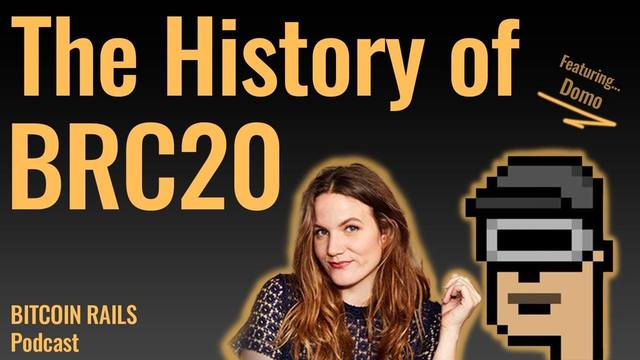
The BRC-20 token standard is an experimental fungible token standard for Bitcoin, created by Twitter user @domodata on March 8, 2023.
BRC20 is a new token standard built on Bitcoin's native Ordinals protocol. The Ordinals protocol assigns unique serial numbers to the smallest unit of Bitcoin—the "satoshi"—making each satoshi non-fungible. A "satoshi" is the fundamental unit of Bitcoin, where 1 satoshi always equals one hundred millionth of a Bitcoin.
The Ordinals protocol assigns a unique sequence number to each satoshi based on its mining order, giving it non-fungible characteristics. When transferring satoshis, the protocol follows a first-in-first-out rule. Because both numbering and transfer mechanisms rely on sequence, the protocol is named "Ordinals."
The Ordinals protocol runs on Bitcoin’s core full nodes. Users can bind any data—text, images, videos—onto individual satoshis via the Ordinals protocol and embed them into Bitcoin transactions as inscriptions. Within the Ordinals system, these satoshis become traceable. Since these inscriptions are unique, immutable, traceable, and transferable, they form Bitcoin-based NFTs. The Ordinals protocol operates without requiring sidechains or additional tokens outside Bitcoin and functions without modifying the Bitcoin network itself.
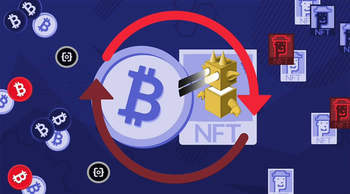
Essentially, BRC20 is also a type of Bitcoin NFT—a set of fixed-format data inscribed onto satoshis, transforming them into digital assets with custom attributes and rules. By following standardized formats for deploying, minting, and transferring tokens, users can use the Ordinals protocol to inscribe data onto satoshis in predefined formats, enabling token deployment, minting, and transfers. Combined with appropriate indexing tools, this enables the full lifecycle of token issuance and circulation on the Bitcoin network.
2. How to Mint BRC20 Tokens?
BRC20 provides three main standards for issuing tokens on the Bitcoin network: deploy, mint, and transfer. Developers following these standards can create and issue BRC20 tokens.
Taking the creation of the ORDI token as an example, users only need to input the code shown below to create the token.
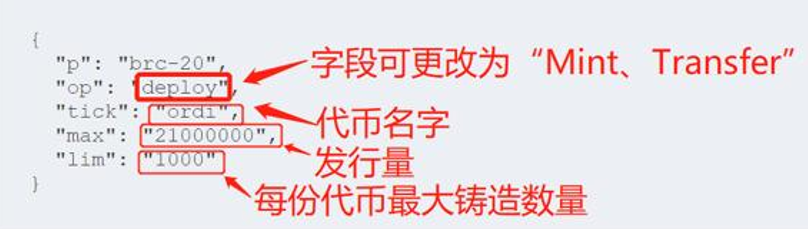
This image shows the JSON data text entered to deploy the ORDI token, with a total supply of 21 million and a maximum limit of 1,000 tokens per mint. Users can modify the field after "op" to indicate the operation: "Deploy" means token deployment, "Mint" means token minting, and "Transfer" means token transfer. "Tick" specifies the name of the token being operated; users can enter the desired token name here.
3. How to Trade BRC20 Tokens?
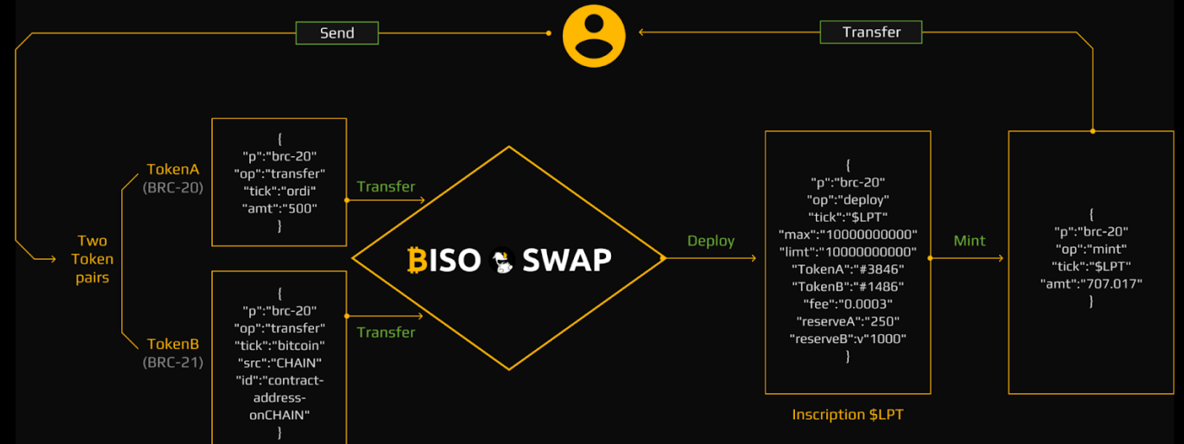
Bisoswap is the first swap platform based on BRC-20, a swap protocol developed on the Ordinal protocol that provides liquidity for the BRC-20 ecosystem.
Step 1: Add liquidity
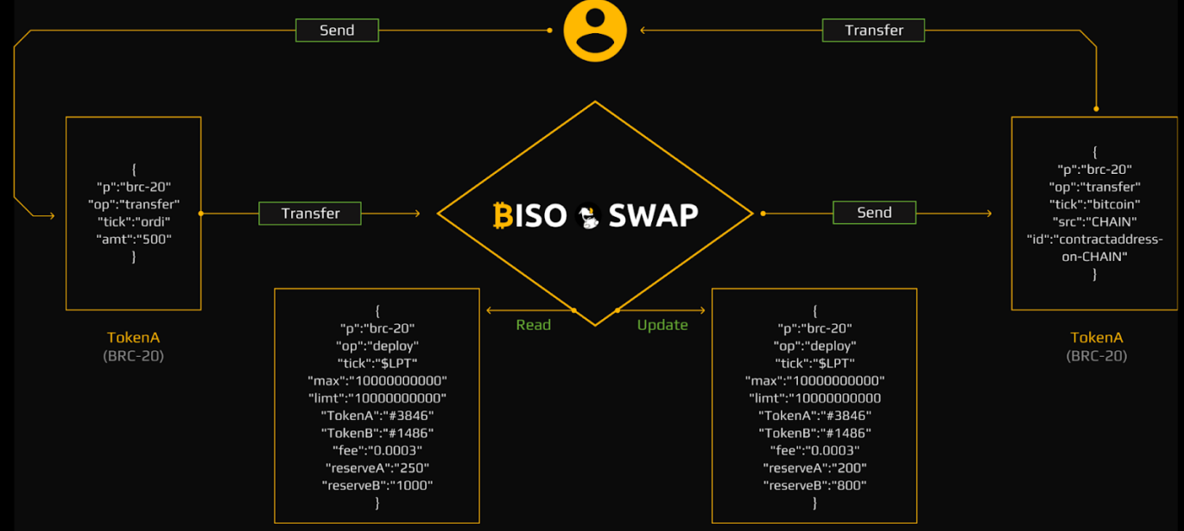
Step 2: Swap
Step 3: Remove liquidity
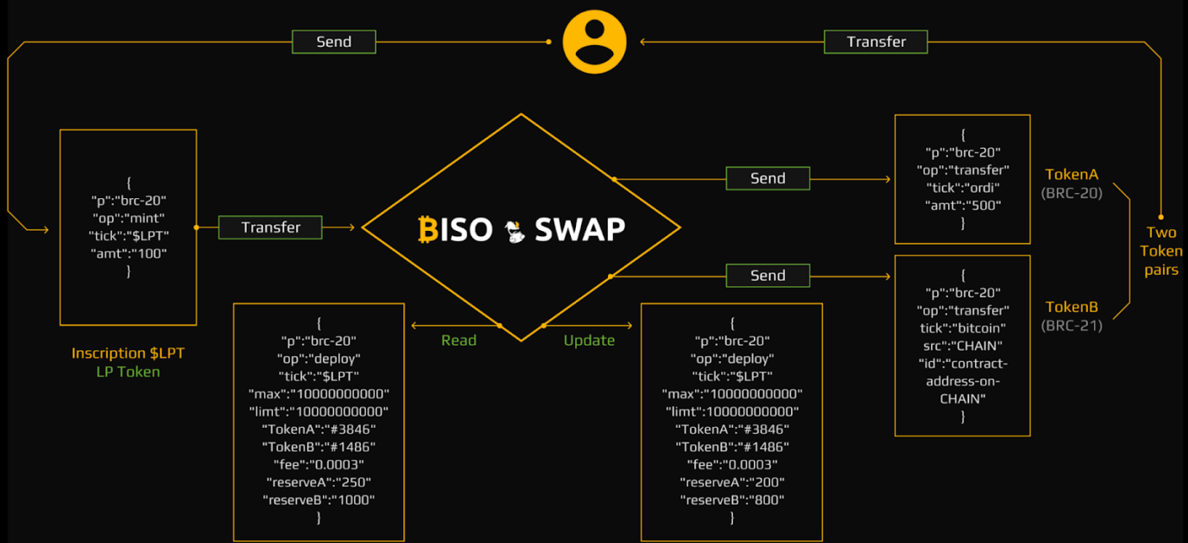
Bisoswap addresses the insufficient liquidity of BRC20 by adding LP liquidity pools and enabling real-time trading.
Using an AMM mechanism, Bisoswap is the first DEX under the BRC20 protocol. Users can add liquidity via tokens to earn transaction fees. According to official information, it will provide node services to all users in the future, offering lower GAS fees and more convenient trading experiences.
4. Representative BRC20 Tokens
$ORDI
- First BRC20 token
- Launch date: 2023/3/8
- Price: $23.66
- MC: $505 million
$OMNI
- First token in BTC history, the Genesis protocol
- Launch date: 2013/9/1
- Price: $0.05
- MC: $1.2096 million
$PIZA
- First commercial consensus transaction in BTC history
- Launch date: 2010/5/22
- Price: $0.53
- MC: $11.188 million
$WZRD
- Wizard culture within the BTC community
- Originated in 2019 and ongoing
- Price: $0.13
- MC: $2.782 million
5. BRC20 Tools
BRC-20 minting websites:
- Unisat: https://unisat.io/inscribe
- iDclub: https://vip.idclub.xyz/brc 20
- LooksOrdinal: https://looksordinal.com
Ordinals inscription cost calculator:
- CryptoCell Labs: https://hub.cryptocell.guru/ordinalsturbo/
BRC-20 token price lookup:
- OrdSpace: https://ordspace.org/brc 20
- BRC-20.io: https://brc-20.io
Check account balance:
- BRC-20.io: https://scan.brc-20.io/index?address=
View BTC block production and gas conditions:
- Mempool: https://mempool.space/zh/
BRC-20 trading markets:
- bisoswap: www.bisoswap.com
- Unisat: https://unisat.io/market
- Ordinals Wallet: https://ordinalswallet.com/brc 20
Overall, the BRC20 standard has attracted significant attention across the cryptocurrency industry. By leveraging Ordinal theory, this standard offers new solutions for digital asset trading and management. However, as time and technology evolve, the future of BRC20 remains uncertain. Regardless, the BRC20 standard will remain a key component of the Bitcoin ecosystem and continue to drive innovation in the crypto industry.
*Note: This content is sponsored by the brand. The content is independently created by the brand and does not represent the position of TechFlow.
Join TechFlow official community to stay tuned
Telegram:https://t.me/TechFlowDaily
X (Twitter):https://x.com/TechFlowPost
X (Twitter) EN:https://x.com/BlockFlow_News