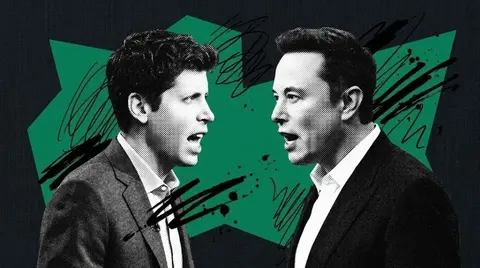
Elon Musk's Crypto Wars
TechFlow Selected TechFlow Selected
Elon Musk's Crypto Wars
On May 6, 2019, a tweet was forever pinned to the pillar of shame of China's stock market.
 Navigating Web3 tides with focused insights
On May 6, 2019, a single tweet was permanently nailed to the pillar of shame in China's stock market history.
Then-U.S. President Donald Trump tweeted: "The 10% tariff imposed on $200 billion worth of Chinese imports over the past 10 months will be raised to 25% this Friday."
The next day, both China's Shanghai and Shenzhen stock markets opened sharply lower, with the Shanghai Composite Index losing its 3,000-point level. By the close, the index had plunged 5.58%, the Shenzhen Component Index dropped 7.56%, and nearly 900 stocks hit their daily trading limits.
Chinese investors experienced for the first time the fear of being dominated by Trump’s “governing by tweet.” Today, that same fear has descended upon Bitcoin investors.
On May 13, Twitter's new self-appointed king, Elon Musk, declared: "Tesla has suspended using Bitcoin to purchase vehicles, though we do not intend to sell any Bitcoin," citing:
Concerns about rapidly increasing use of fossil fuels in Bitcoin mining and transactions.
Bitcoin’s electricity pollutes the environment; Tesla’s electricity is pure—something even Yang Yongxin would laugh at.
Despite the fact that Cambridge University’s 2020 Global Crypto Asset Benchmark Study showed that 76% of cryptocurrency miners use renewable energy sources for mining.
Despite the fact that in April, Twitter CEO Jack Dorsey shared a paper titled “Bitcoin Incentivizes Renewable Energy Development” on Twitter, which Musk praised and endorsed.
Immediately after Musk changed his stance, Bitcoin plummeted, dropping as much as 16% within 24 hours and falling below $46,000 per coin.
In February, Musk suddenly added “Bitcoin” to his Twitter bio. Tesla announced it had purchased $1.5 billion worth of Bitcoin and began accepting Bitcoin as payment.
Three months later, Sichuan opera master Musk flipped his face again—tweeting his way into manipulating cryptocurrencies and playing hot believers like puppets.
Split
“Sell Tesla stock, cancel orders, sell the car (Tesla)”
After Musk attacked Bitcoin for being insufficiently “green,” multiple Bitcoin enthusiasts posted screenshots of canceled Tesla Cybertruck reservations and raged against Musk as a traitor in investment communities, calling for Tesla stock to be sold off.

American internet celebrity investor and Barstool Sports founder David Portnoy released a video lambasting Musk for suppressing Bitcoin while boosting Dogecoin.
“This guy pulls levers like the Wizard of Oz—everyone tracks his every move. He sends Dogecoin soaring and Bitcoin crashing. Bullshit!”
Within just a few months, Musk transformed from a “Bitcoin evangelist” into an industry enemy. What exactly happened?
In a February interview, Musk said he had known about Bitcoin since 2013 and regretted not buying it when prices were under $1,000. That same month, Tesla announced it had bought $1.5 billion worth of Bitcoin.
But now, with Bitcoin’s market cap reaching trillions of dollars, even though Musk once ranked among the world’s richest, in the Bitcoin world he remains a latecomer—an unwitting bagholder for early Bitcoin hodlers.
Musk, accustomed to being the protagonist, naturally resented merely carrying Bitcoin’s load. Fortunately, he had another identity—former CEO of DOGE (Dogecoin).
A meme coin created to mock Bitcoin, abandoned by its creators as a joke.
Musk first encountered Dogecoin in 2019.
On April 1, 2019—April Fools’ Day—the official Dogecoin Twitter account ran a poll asking who should be Dogecoin’s next CEO? (a joke, as Dogecoin was already highly decentralized).
Musk won with 54% of the vote.
After being informed via Twitter, Musk happily accepted the “position,” changing his Twitter bio to “CEO of Dogecoin,” though later feeling uneasy and switching it to “Former CEO of Dogecoin.”
From then on, Musk seemed to fall in love with Dogecoin: “It’s too cool. Probably my favorite cryptocurrency.”
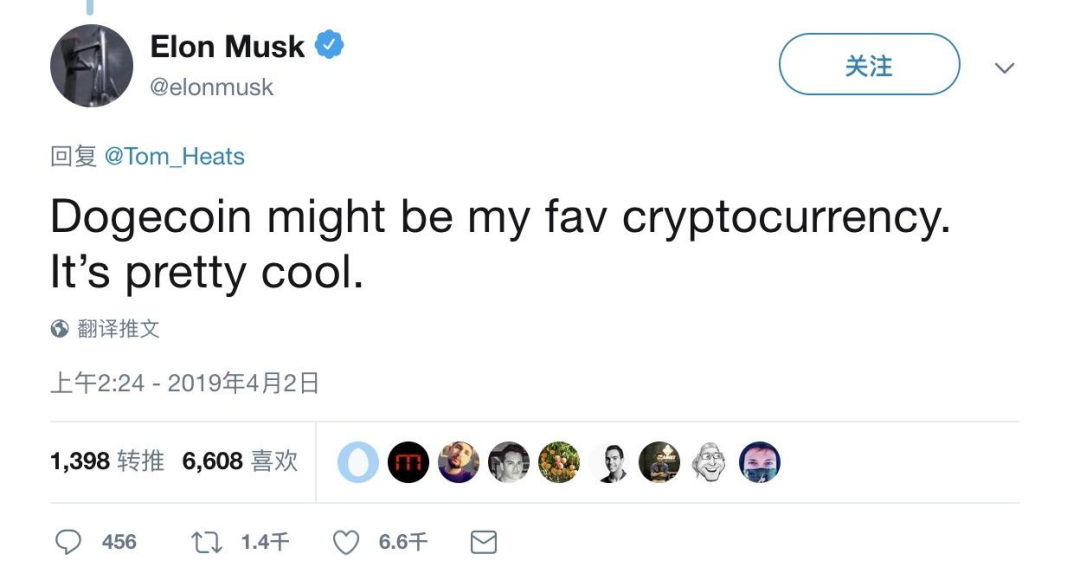
Dogecoin developer Nickle recently revealed in an interview that they’ve been collaborating with Musk since 2019. Musk provided “extensive advice and insights” and shared his vast network, but the development team declined his financial support.
In other words, starting in 2019, Musk began positioning himself within Dogecoin, only stepping fully into the spotlight in 2021—transitioning from “former CEO” to Dogecoin’s godfather.
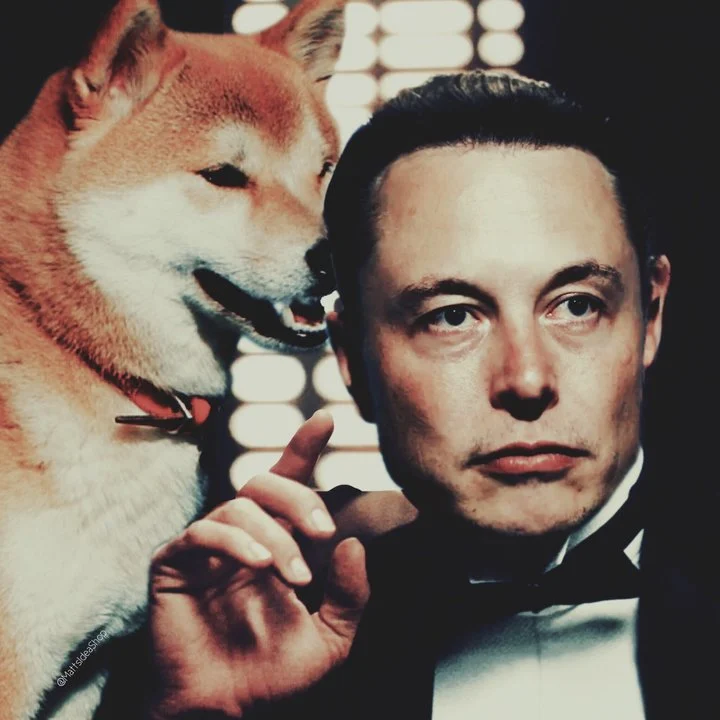
In February 2021, Musk posted three consecutive tweets hailing Dogecoin as “the people’s currency” and “the cryptocurrency of the future.” Later, he even claimed SpaceX would send a Dogecoin to the moon.
Fueled by Musk’s rallying cries, this anti-establishment meme token quickly evolved from niche humor into mainstream popularity—and skyrocketed in price.
With annual gains exceeding 200x and market cap briefly surpassing $80 billion, Dogecoin’s social media热度 even eclipsed Bitcoin’s.
Musk ignited Dogecoin, and Dogecoin became Musk’s entry ticket into the crypto world.
Suddenly, Dogecoin’s surge sparked mass enthusiasm for cryptocurrency investing—from China to the U.S., from Robinhood to TikTok, yellow dog heads were everywhere. But behind the dog-head carnival lay another group’s disappointment.
Opposition
Compared to Bitcoin’s $50,000-plus price tag, younger investors and new entrants seemed to favor this yellow dog head more.
Dogecoin surged over 200x in one year, while Bitcoin gained only 4x. Riding Dogecoin’s wave, Shiba Inu, Corgi, and Husky-themed meme coins became speculative darlings, and vaporware tokens flourished.
Bitcoin, meanwhile, struggled to rise. Its share of the total crypto market cap fell from 70% to below 40% within a year. Prominent Bitcoin figures grew restless.
On May 2, Bitcoin billionaire and Galaxy Digital founder Mike Novogratz advised investors not to buy Dogecoin and urged selling existing holdings. Galaxy Digital even published a 22-page report attacking Dogecoin.
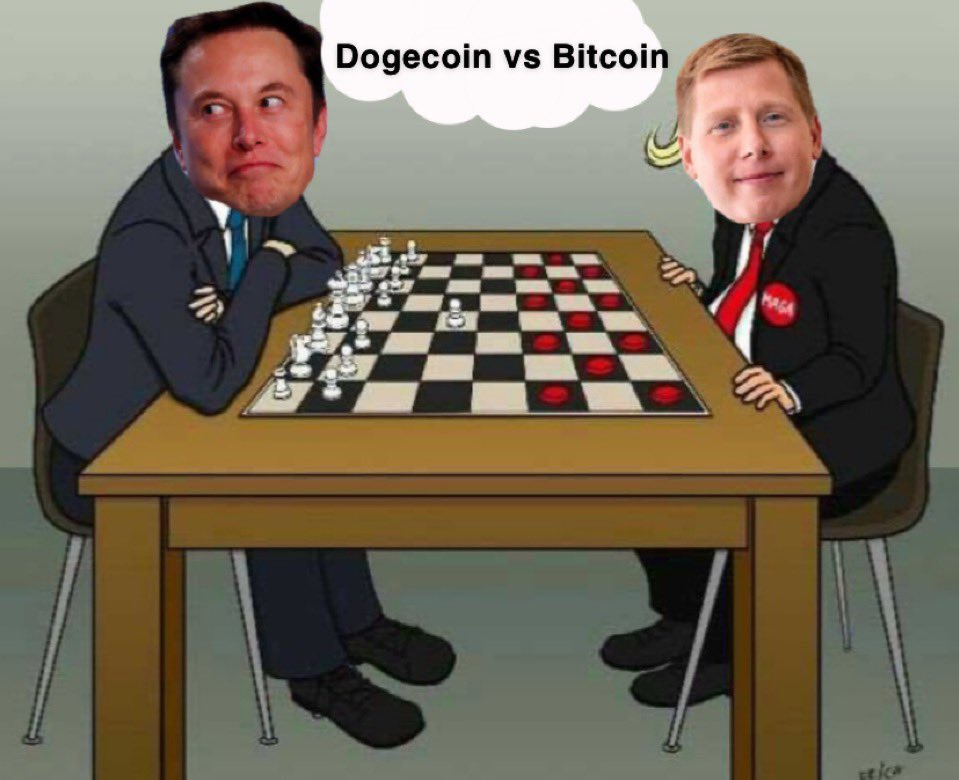
On May 8, Grayscale Investments founder Barry Silbert could no longer stay silent. He tweeted: “Alright, DOGE guys, fun’s over. Welcome to crypto! But now it’s time to convert your Dogecoin into Bitcoin.”
Barry also stated he had begun shorting Dogecoin.
Grayscale Investments, the “open-book house” of Bitcoin, manages a Bitcoin Trust holding over 650,000 BTC—worth more than $32.2 billion—but lately hasn’t had an easy time.
Since March, Grayscale’s Bitcoin holdings have decreased by over 50,000 BTC, and its GBTC product has traded at persistent negative premiums—once exceeding 20%—indicating weak demand and heavy selling pressure.
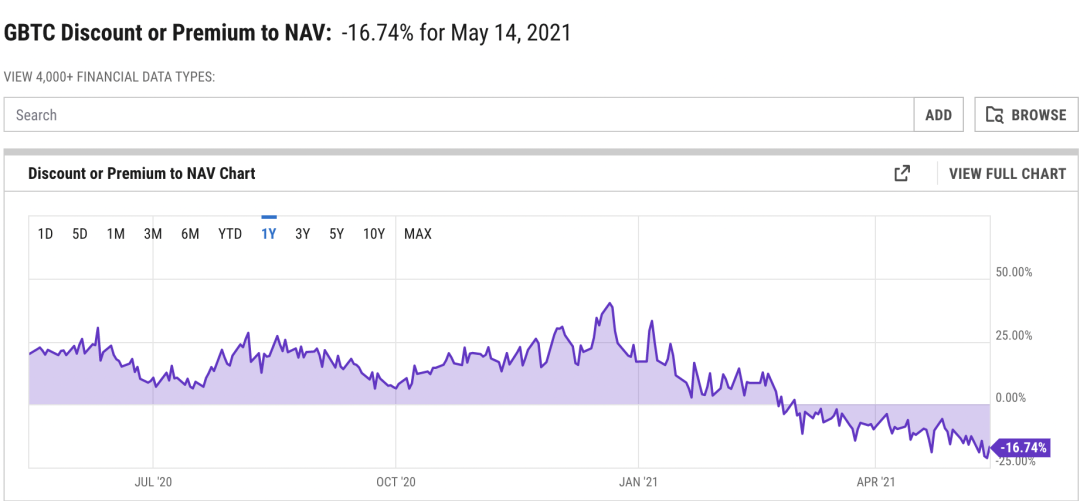
Calling on investors to sell Dogecoin and restore Bitcoin’s glory aligns perfectly with their position and interests.
Yet “shorting Dogecoin” may be precisely what Musk hates most hearing.
Tesla has previously faced massive short attacks, making Musk deeply resentful of short-sellers.
As early as 2018, Musk sent hedge fund legend David Einhorn a box full of shorts—the “bear box”—because Einhorn had heavily shorted Tesla stock.
During the GME short squeeze battle earlier this year, Musk stood with retail investors, supporting the squeeze and dubbing himself “MEME, destroyer of air forces.”
Now, when Dogecoin—his “adopted son”—faces shorting by Bitcoin elites, Musk, as Dogecoin’s godfather, stepped forward decisively, switched sides, and launched an attack on Bitcoin.
On Tuesday this week, Musk asked his Twitter followers whether Tesla should start accepting Dogecoin as payment. The poll closed with nearly 4 million participants, 78.2% voting yes—clearly signaling intent to replace Bitcoin and elevate Dogecoin.
On May 16, Musk tweeted: “Ideally, Dogecoin could speed up block times tenfold, increase block size tenfold, and reduce fees a hundredfold—then it would easily win.”
Musk’s “ambition” is obvious. Who does Dogecoin want to beat? Everyone knows.
Ever since Musk chose Dogecoin in 2019, this split and opposition was inevitable—Barry simply lit the fuse earlier.
This is a war between ambitious Musk and Wall Street veteran Barry Silbert—a civil war within the crypto community between Bitcoin and Dogecoin factions—centered on positions and interests.
Playing Stocks
Long before governing crypto via tweet, Musk had mastered influencing stock prices through Twitter—Tesla and other companies’ shares were all prey beneath his keyboard.
On April 1, 2018—April Fools’ Day—Musk tweeted “Tesla is bankrupt. Completely, totally bankrupt.” Tesla stock immediately plunged 7%.
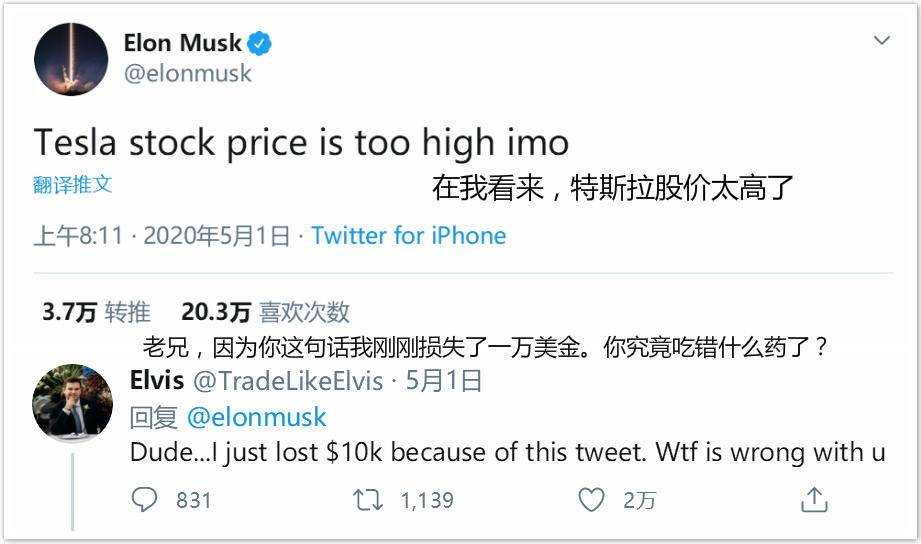
On May 1, 2020, history repeated: Musk tweeted “Tesla stock price is too high in my opinion.” Moments later, Tesla shares dropped over 11%, wiping out $14 billion in market value.
Others aren’t allowed to short Tesla—but Musk can.
In 2021, the Federal Reserve’s liquidity surge turned Musk into a “Twitter stock god.”
At least six companies—including e-commerce platform Shopify and game developer CD Projekt—benefited directly from Musk’s tweets.
On January 7 this year, Musk tweeted two simple words: “Use Signal.”
Unbelievably, Texas-based medical device company Signal Advance surged, rising 1,500% within 24 hours. From January 7 to 11, across three trading days, it climbed 6,350%, jumping from a $7 million to a $480 million market cap.
Although Musk clearly meant to recommend the messaging app “Signal.”
Under the fervor of Musk worship, who can stop him from continuing to “play stocks via Twitter”?
On March 12, a Tesla shareholder sued Musk, accusing him of violating his agreement with the U.S. Securities and Exchange Commission (SEC) regarding Twitter posts.
The plaintiff alleged that due to Musk’s misleading tweets and Tesla’s board failing to supervise him as required by the SEC, Tesla investors suffered billions of dollars in losses.
Since then, Musk has increasingly focused on cryptocurrencies—where, in the relatively unregulated crypto space, he thrives.
A single word or emoji can ignite investor frenzy. Shib (Shiba Inu coin) and other zoo-themed vapor coins soared hundreds of times on rumors like “I’m looking for a Shiba Inu.” Musk governs crypto by tweet—flipping markets at will—becoming the emperor of crypto on Twitter.
Renowned legal scholar Luo Xiang said: If freedom isn’t constrained, it inevitably leads to exploitation of the weak by the strong.
Musk now seems intoxicated with becoming the religious leader of the Dogecoin community, basking in the cheers of thousands responding to his call.
Religion
In 2016, Bob Lutz, former GM vice president, described Musk and his followers as “a cult-like religious group” during a news interview.
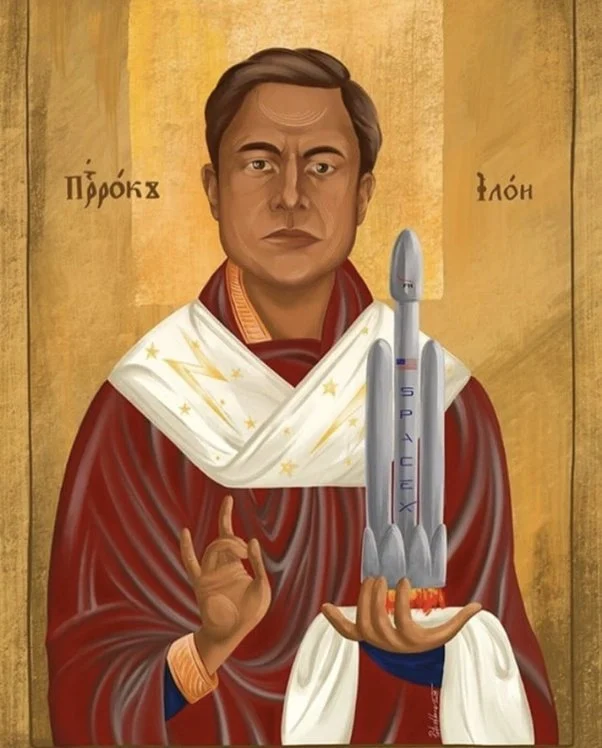
On LinkedIn, there’s a fan-organized group called Musketeer, where members exchange all news related to Musk and Tesla. For some Musketeers, no criticism of Musk is tolerable—any questioning of Musk or his companies’ finances triggers immediate collective backlash.
Since Steve Jobs’ passing, no one fits better as tech’s next religious figurehead than Musk—because everything Musk does seems reducible to a grand religious vision: For humanity’s future, embrace Mars.
-
Why build SpaceX?—Reduce space transport costs, send humans to Mars;
-
Why build Tesla?—Solve transportation issues after settling Mars;
-
Why create SolarCity?—Address energy needs on Mars;
-
Why launch The Boring Company?—Solve Martian transport infrastructure;
-
Why build Starlink?—Ensure communication for Mars colonists;
-
Why found Neuralink?—Counter threats from superintelligent AI;
So why promote Dogecoin? What value does Dogecoin hold?
“Make Dogecoin the currency of Mars” becomes a noble and imaginative answer. On May 10, SpaceX announced it would accept Dogecoin as the exclusive payment method for launching the lunar satellite DOGE-1.
Interestingly, Musk previously declared Mars would operate beyond Earth’s laws.
Starlink’s beta consumer terms state: “For services provided on Mars, or en route to Mars via Starship or other colonial spacecraft, both parties acknowledge Mars as a free planet, and no Earth-based government holds authority or sovereignty over activities on Mars.”
Theoretically, Musk could indeed colonize Mars and establish Dogecoin as its currency—arguably crypto’s most epic narrative.
But what if it fails?
Today, Dogecoin remains purely speculative, subject to price cycles—it can soar 100x or crash 99%. When the bull market ends and Dogecoin collapses, where will injured investors place their damaged wallets and anger?
By tying himself to Dogecoin and branding himself its spokesperson, Musk risks a backlash if he cannot defend its price. After a crash, the downfall following such deification could be brutal: The higher they lift you, the harder you fall.
In ignorant eras, people create gods out of ignorance and fear; in civilized eras, gods are made to serve specific group interests and needs.
People always love building idols—then tearing them down. Human history repeats this pattern endlessly.
Join TechFlow official community to stay tuned
Telegram:https://t.me/TechFlowDaily
X (Twitter):https://x.com/TechFlowPost
X (Twitter) EN:https://x.com/BlockFlow_News
 深潮TechFlow