








Aptos Surge: The Rally Party Fueled by "Korean Power"
TechFlow Selected TechFlow Selected
Aptos Surge: The Rally Party Fueled by "Korean Power"
The Korean Pumping Power: What Exactly Has Aptos Done in the Korean Market?
 Navigating Web3 tides with focused insights
By TechFlow
Undoubtedly, Aptos has been the brightest star in the crypto world this winter, skyrocketing from $4 to $20 within just 20 days—waking up every day only to be amazed by another APT surge.
In hindsight, we naturally seek explanations: why has Aptos remained so strong even after losing crucial backing from FTX?
I’d argue the answer is clear: this is a rally powered by “Korean strength.”
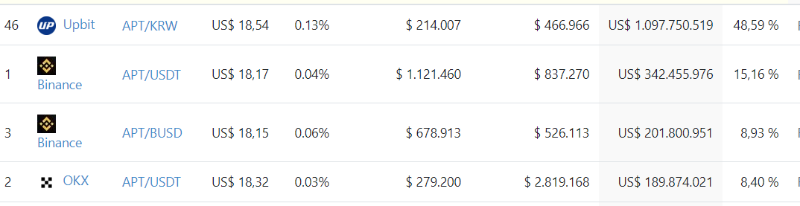
On January 26, APT trading volume on South Korea’s Upbit surpassed $1 billion—four times Binance’s spot volume—and the Korean won (KRW) trading pair showed clear premium pricing.
So what exactly has Aptos done in the Korean market?
From the price chart, we can identify a clear starting point for APT’s rally: January 9. That day marked the opening of the Xangle Blockchain Foundation Week in Korea, where Aptos was the undisputed highlight and central theme.
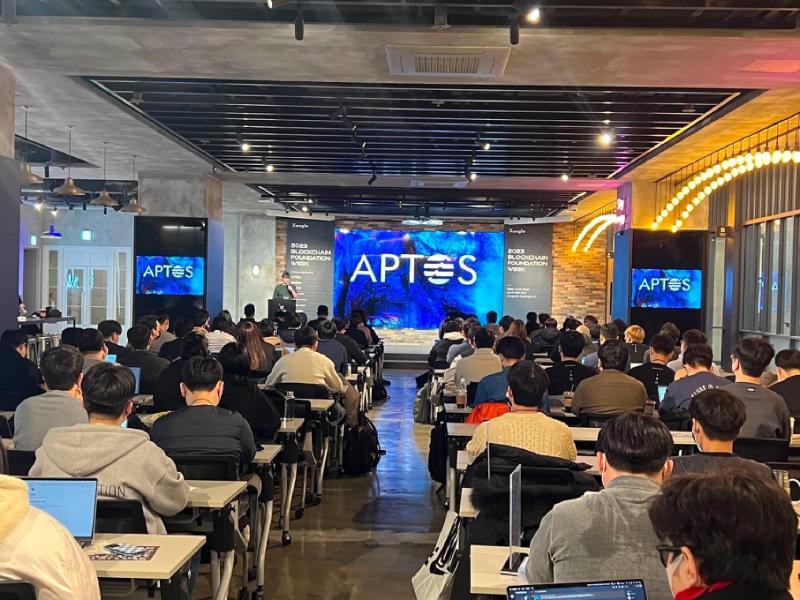
According to attendees, Aptos staff received highly positive feedback during their presentation, and explicitly stated, “We are very interested in the Korean market.”
After Terra’s collapse, a vacuum emerged in Korea’s domestic crypto scene—one that needed a new leading project. Aptos seized the opportunity to enter the Korean market.
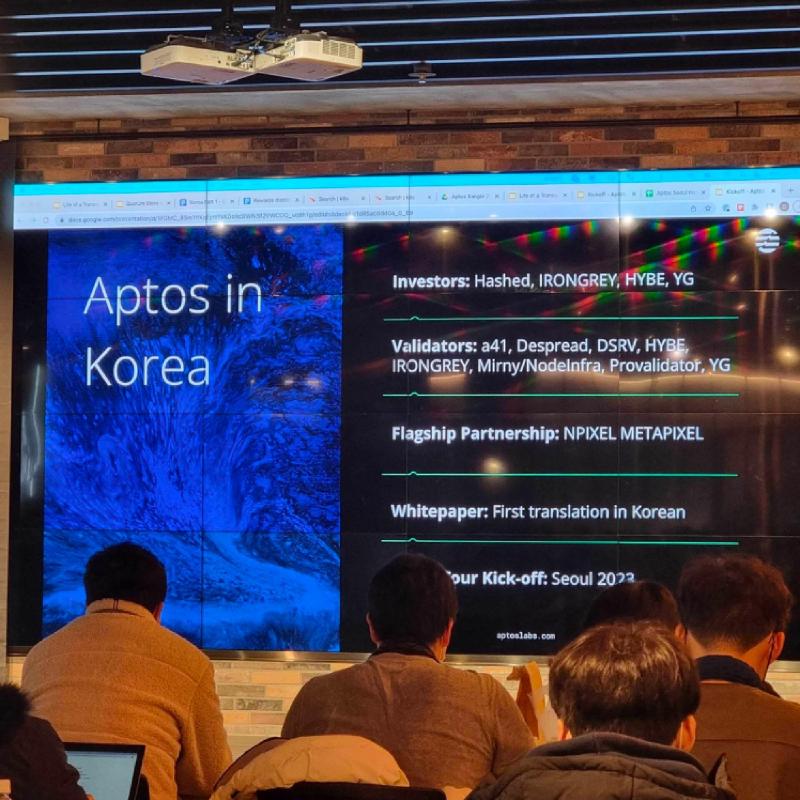
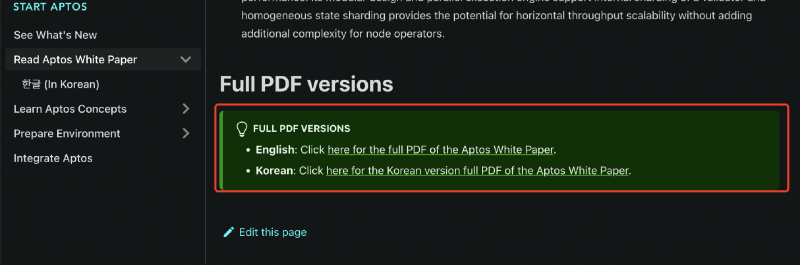
One small detail highlights Aptos’ commitment: while overseas projects typically release whitepapers only in English—with other languages like Chinese translated by communities—Aptos published an official Korean version of its whitepaper on its website, the only non-English language offered, signaling genuine intent toward Korea.
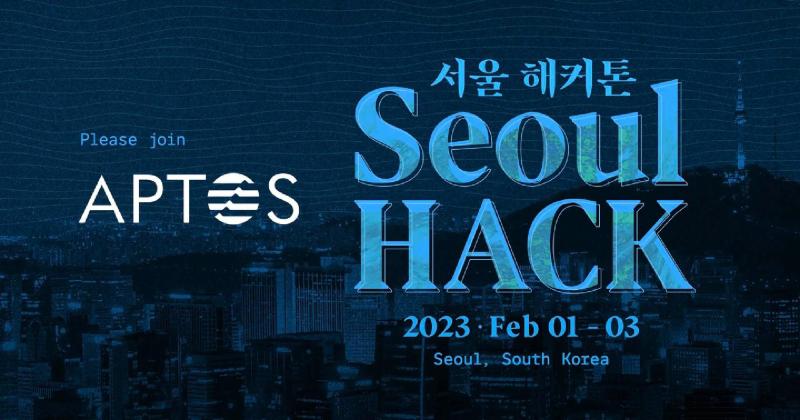
Moreover, Aptos plans to launch its global hackathon tour, Aptos World Tour Hackathon, in 2023, with four cities selected—the first being Seoul, running from February 1 to February 3.
For a foreign blockchain to gain traction in Korea, local support is essential. To that end, Aptos has built solid partnerships within Korea.
For example, the Seoul hackathon is co-hosted by prominent Korean crypto VCs and companies including Hashed, HYBE, IRONGREY, and NPIXEL.
South Korean firms such as Hashed, Hive, and YG are investors in Aptos, while Korean blockchain companies like a41, Despread, and DSRV serve as network validators.
In November last year, Aptos partnered with Korean gaming company Npixel to jointly develop a Web3 game called METAPIXEL.
Gaming is one of the key reasons Aptos chose Korea. The country hosts numerous experienced game developers, and a single hit game could significantly boost activity on the Aptos network.
Additionally, Korea offers the developer talent Aptos needs.
Historically, Korea’s homegrown blockchain Terra used Rust, as does Solana. Move, Aptos’ programming language, shares enough similarities to make it a natural fit for developers experienced with Terra, Solana, or Cosmos-based DApps. In particular, many former Terra Core developers now see Aptos as a compelling new option.
Following crises at FTX and DCG, Western crypto markets have suffered major setbacks. As a result, Asia-Pacific markets are once again emerging as key growth engines. Among them, Korea stands out due to its high purchasing power, intense speculative culture, abundant developer talent, relatively favorable regulations, and a strong entertainment and gaming industry—making it a central hub in the region’s crypto landscape.
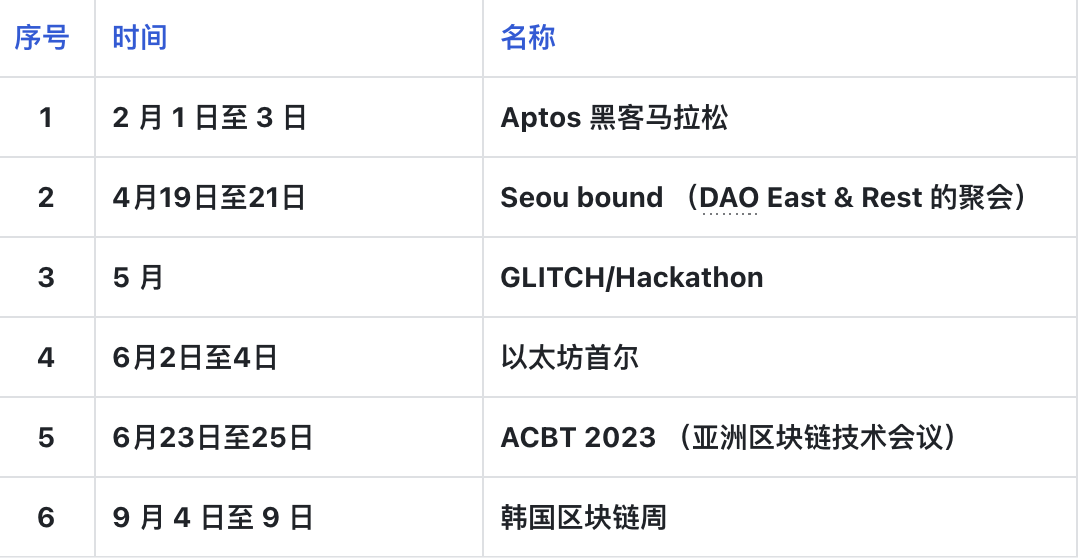
What other major offline events will take place in Korea in 2023?
Based on currently available information, TechFlow provides a brief overview.
In 2023, TechFlow will continue covering and analyzing developments, marketing strategies, and trends in Korea and other crypto markets—feel free to join us in the conversation.
Join TechFlow official community to stay tuned
Telegram:https://t.me/TechFlowDaily
X (Twitter):https://x.com/TechFlowPost
X (Twitter) EN:https://x.com/BlockFlow_News






