








9 Web3 Trends to Watch in 2023
TechFlow Selected TechFlow Selected
9 Web3 Trends to Watch in 2023
Crypto and DeFi plunged into a bear market in 2022, but demand around Web3 has only just begun to gain attention.
 Navigating Web3 tides with focused insights
Written by: Max Yampolsky
Compiled by: TechFlow
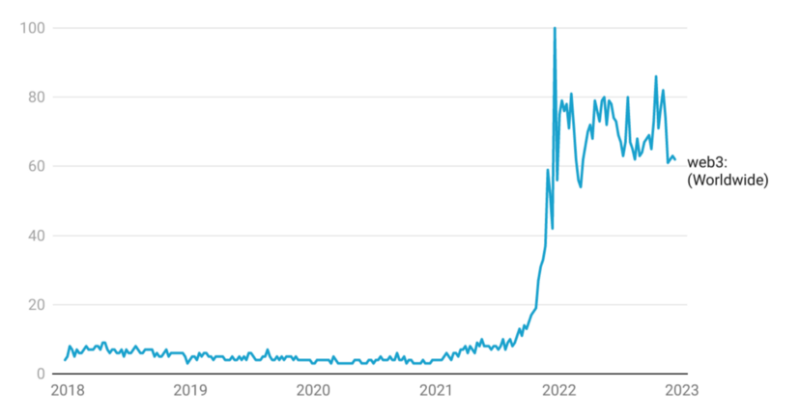
Crypto and DeFi plunged into a bear market in 2022, but demand for Web3 is just beginning to gain traction. Over the past 12 months, searches related to Web3 have remained within 30% of their peak at the end of 2021, suggesting that the next upward trend may be on the horizon.
Below are nine rapidly growing Web3 trends poised to drive industry growth in 2023.
1. Social DeFi
At its core, cryptocurrency is anonymous—but that doesn’t mean it has to be antisocial. Since the early days of the internet, people have used nicknames to identify themselves online. Similarly, in Web3, 0x... addresses are used to identify crypto wallets.

However, these addresses are often long, complex strings of letters and numbers that are difficult for humans to remember or associate with specific individuals or companies.
This lack of social connection between raw 0x... addresses and a person’s online identity has led to the emergence of a new branch of decentralized finance (DeFi) known as “Social DeFi.”
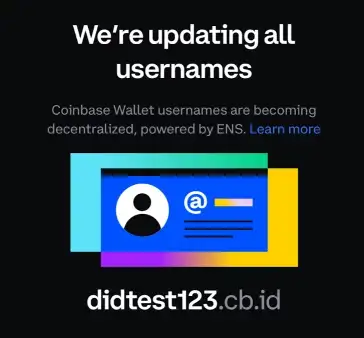
Social DeFi refers to a range of applications and platforms designed to make it easier for people to connect and interact using cryptocurrency.
Key features of Social DeFi include:
-
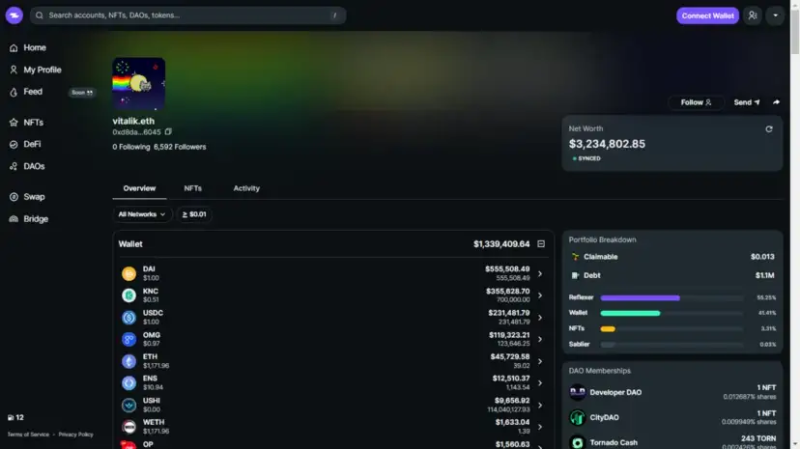
Personalized 0x addresses: Applications like DeBank and ENS allow users to personalize their 0x addresses into human-readable formats such as usernames, making it easier to identify and remember each other’s wallets.
-
Messaging wallet owners + Wallet following: Platforms like DeBank allow users to send messages to wallet holders or follow specific wallets and receive notifications about their activities. In my view, this is a killer feature that could unlock an entirely new world of social trading.
-
Dapp Notifications: B2B solutions like Notifi have also emerged, enabling crypto projects to send notifications to users of their DApps.
-
Social Feeds and Communities: Platforms like DeBank offer social feedback and community engagement around specific wallets or projects, allowing users to stay updated on developments in the DeFi space and connect with like-minded individuals.
-
DAO Aggregators: Apps like Zapper make it easier for users to discover and participate in decentralized autonomous organizations (DAOs)—decentralized, blockchain-based groups where members collectively make decisions about fund or resource allocation.
Usernames = NFTs?
Telegram recently launched Fragment—a marketplace for buying and selling Telegram usernames and virtual phone numbers.
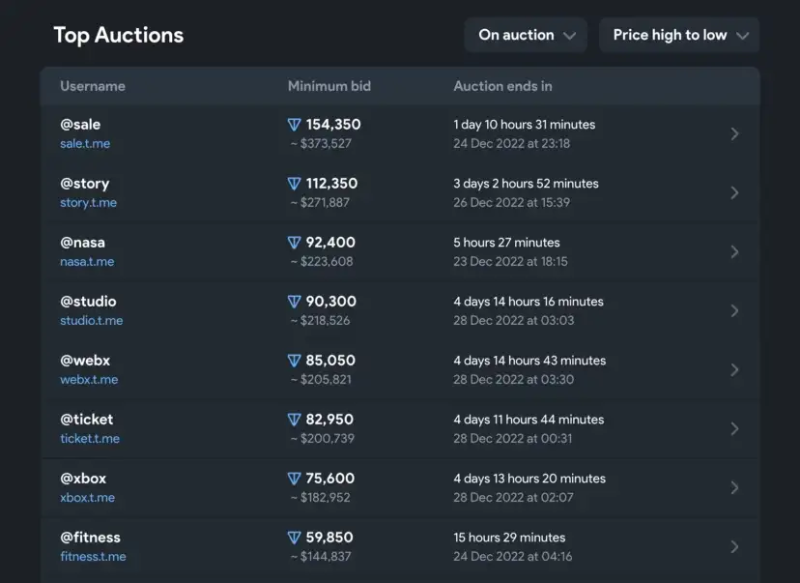
This creates an entirely new market for all social media account holders. Your username is no longer a relatively meaningless thing you set and forget, but becomes a valuable asset—unique, much like an NFT. While still relatively illiquid, platforms like Fragment make it easy to cash out.
Currently, Fragment only offers Telegram usernames, but looking ahead, you can already envision various items being traded there—from Twitter/Instagram/Snapchat accounts to character nicknames on World of Warcraft servers, or even license plate numbers.
Elon Musk recently announced that Twitter plans to delete 1.5 billion inactive accounts to free up usernames. This "cleanup" will release a large number of valuable “NFT-like” assets on the platform, creating opportunities to grab desirable usernames with the hope of reselling them later for significant profit.
Other Web2 Social Apps Adopting Web3
Twitter was one of the first major social media platforms to integrate NFT-focused Web3 features. In early 2022, they enabled Twitter Blue subscribers to set NFTs as profile pictures. In a recent October 2022 update, developers added the ability for users to trade NFTs directly from tweets.
As early as November 2021, Twitter established an internal Web3 development team. With Binance’s recent $500 million investment in Twitter, more Web3 integrations into the app are expected.
Instagram is expected to follow suit, given that it belongs to Meta, which has recently shifted focus toward building products for the metaverse. Instagram already allows users to mint and sell NFTs directly through the app, with more features rolling out in 2023.
Will Social DeFi Go Global in 2023?
Overall, Social DeFi has the potential to bring people together in unprecedented ways and create new opportunities for collaboration and innovation in the crypto space.
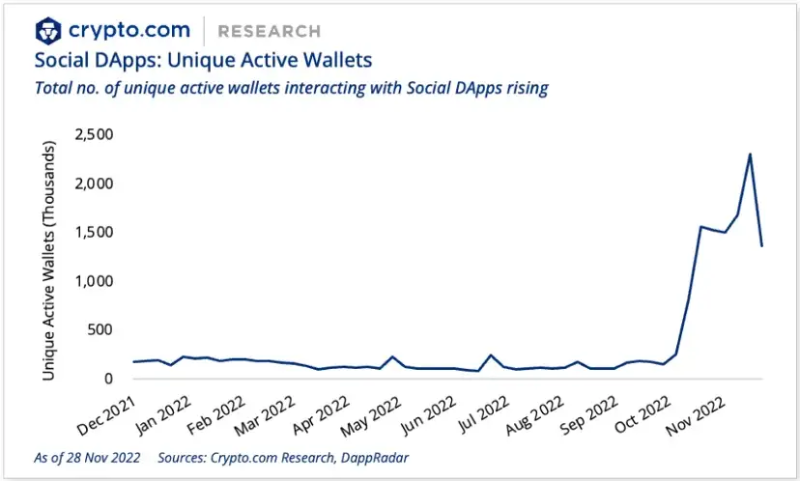
In 2022, the number of unique active wallets interacting with social dApps increased by over 1250%, and this trend is expected to continue into 2023 as demand for Web3 identities grows.
2. DeFi/Crypto Risk Insurance
Investing in DeFi and cryptocurrencies can yield outsized returns, but it also comes with inherent risks such as hacks, vulnerabilities, rug pulls, and scams. Many investors are turning to insurance to mitigate these risks and protect their assets—especially after the LUNA and FTX incidents in 2022.
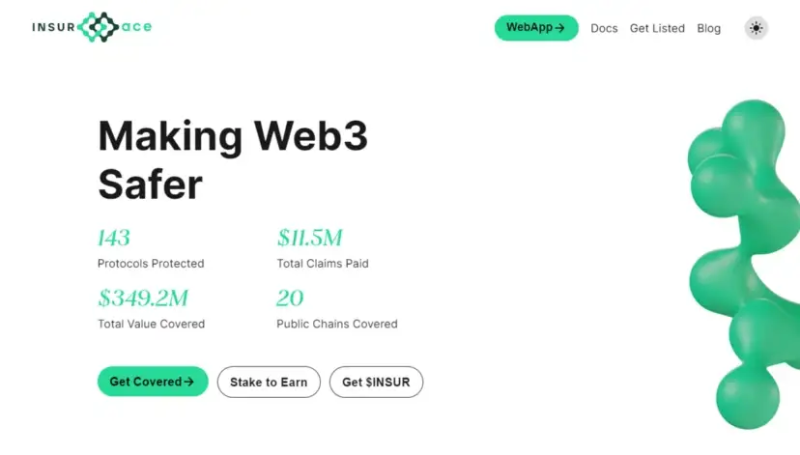
On platforms like Insurace.io, Nexusmutual.io, or Neptunemutual, you can insure your wallet against hacks from specific protocols, stablecoin de-pegging, or CEX bankruptcies, at premiums ranging from approximately 0.2–0.9% per month depending on the product type.
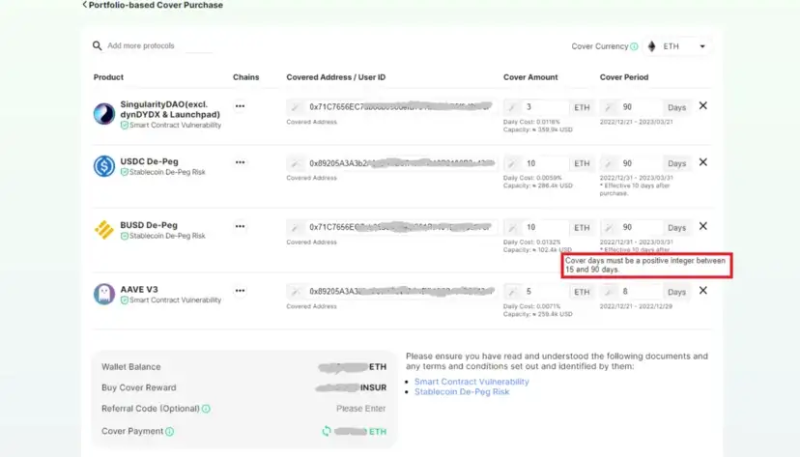
Key facts:
-
DeFi and crypto risk insurance provides protection against risks such as protocol-specific hacks, stablecoin de-pegging, and CEX insolvency.
-
Premiums for these insurance products range from 0.2% to 0.9% per month, depending on the product type.
-
Coverage periods currently range from 10 to 90 days.
-
Coverage remains limited, with many products already sold out.
From the above, we can see that the crypto insurance niche is still in its infancy, with room for improvement in liquidity, capital efficiency, product availability, and cost—all areas likely to see progress in 2023.
DeFi/Crypto Insurance Outlook for 2023
In 2023, we can expect increased liquidity flowing into DeFi and crypto risk insurance products as traditional investors seek additional protection for their assets.
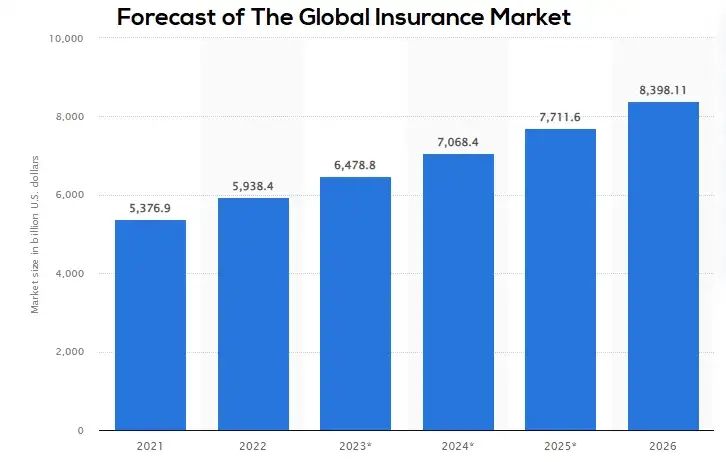
Web3 insurance can provide protection against the inherent risks of investing in decentralized finance (DeFi) and cryptocurrencies. As traditional investors continue embracing DeFi and crypto, demand for risk insurance products is expected to grow.
3. NFT Liquidity Tools
NFT liquidity has been a long-standing issue in the Web3 world. These assets are notoriously illiquid, making it difficult for owners to convert them into cash.
However, some protocols like Sudoswap are attempting to solve this by creating pools where NFTs can be instantly bought and sold. This would allow users to easily swap their NFTs for something more liquid when needed.
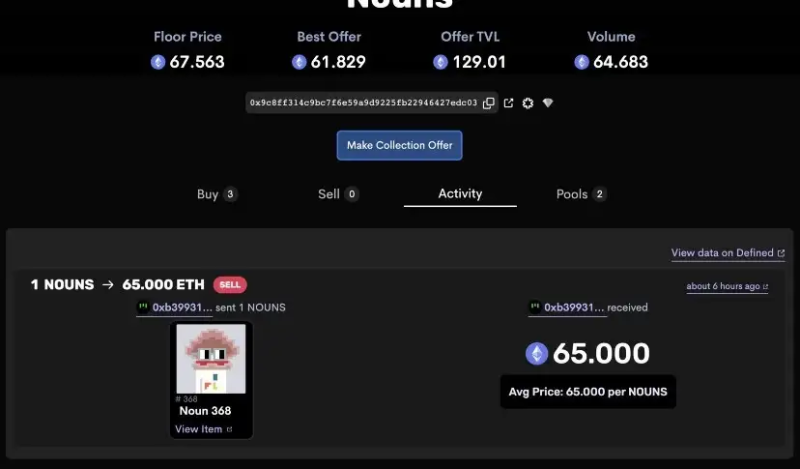
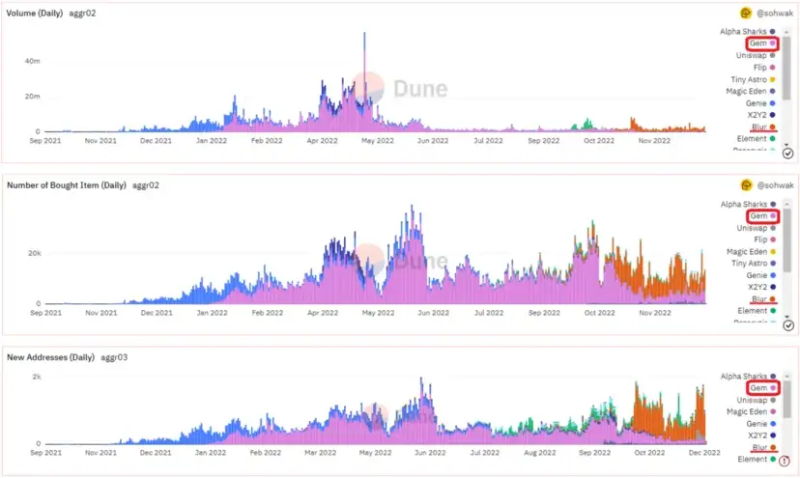
OpenSea and Uniswap have acquired NFT aggregation services gem.xyz and Genie, respectively, planning to leverage Sudoswap's liquidity to facilitate NFT trading. Efforts to "make buying and selling NFTs easier" can increase market liquidity, making NFTs more attractive to investors and collectors. Overall, developing liquidity solutions for NFTs represents a major opportunity in Web3.
What’s Next for NFT Liquidity Tools in 2023?
Liquidity tools will stabilize the NFT market in 2023 and ultimately create better Web3 infrastructure for users and investors. Markets will become more liquid, and NFT prices more predictable.
4. Advanced Trading Tools for DEXs
One of the main barriers to widespread adoption of decentralized exchanges (DEXs) is the lack of advanced trading tools such as stop-loss functionality. Some protocols are working to address this—dYdX being one example.
Beyond missing stop-loss features, liquidity and slippage/front-running have also been persistent issues for traders on DEXs.
To tackle these challenges, platforms like Hashflow are innovating DEX liquidity models by incorporating market makers and enabling them to provide liquidity. These efforts aim to minimize slippage—ideally reducing it to zero or at least bringing it on par with centralized exchanges (CEX).
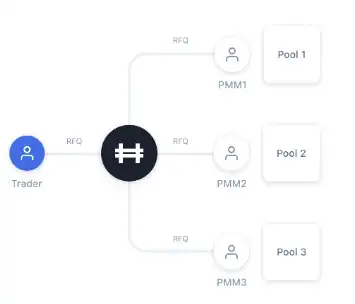
Overall, developing advanced DEX trading tools is a key trend in the Web3 world, as it will help make DEXs more user-friendly and competitive with CEXs.
Upcoming DEX Upgrades in 2023
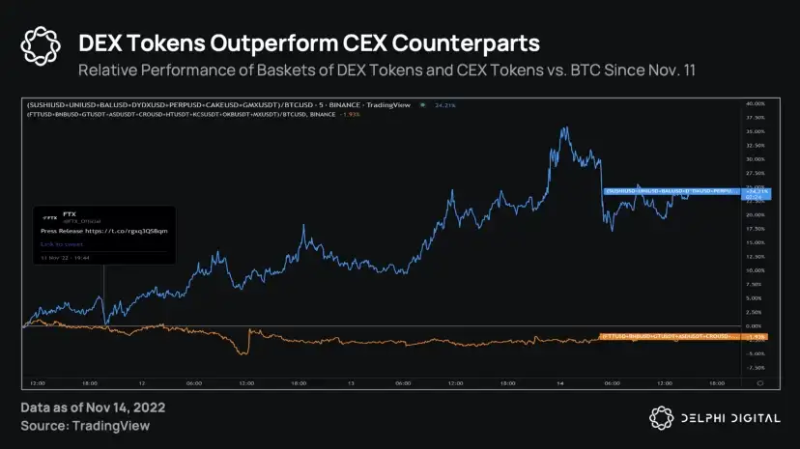
Following the collapse of centralized exchange FTX, there has been massive capital outflow from other CEXs toward DEXs. Given one of the ongoing Web3 trends—the rising wave of new DeFi users—it is crucial for DEXs to continuously improve their UI/UX and expand their suite of advanced trading tools.
5. Rise of M2E Applications
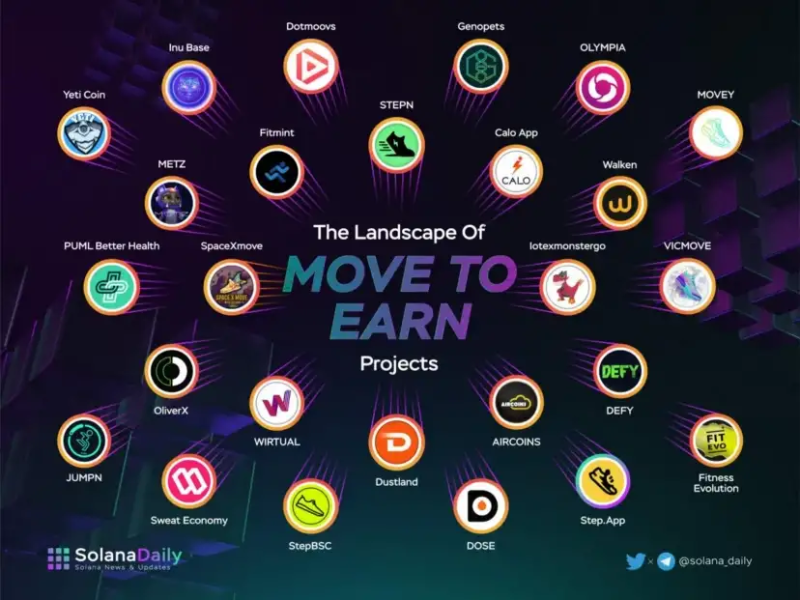
Move-to-earn, a trend rewarding users with cryptocurrency, non-fungible tokens, or points for physical fitness, is expected to persist into 2023.
This innovative approach to exercise has caught the attention of Olympic athlete Usain Bolt, who partnered with the newly launched Step App to allow users to earn NFTs and cryptocurrency through physical activity. The popularity of move-to-earn apps is rising, offering people a novel and appealing way to earn rewards while staying active.
Other Apps with Similar Mechanisms
More fitness Web3 apps use similar mechanisms combining NFTs, cryptocurrency, GPS, and GameFi technology. For example:
-
Dance-to-earn projects like Rapty.app and Dansa.
-
Exercise-tracking reward apps like MetaGym.
-
Bike-to-earn projects like BikeN and BikeRush.
-
...and virtually any other sport may soon have its own dedicated Web3 application.
Outlook for 2023
New user inflows may slow down on leading M2E apps. However, with the arrival of spring and increased outdoor activity, faster growth is expected again.

6. Mainstream Brand NFTs
NFTs, or non-fungible tokens, have gained widespread attention in recent years as a new form of digital asset. They represent unique, one-of-a-kind items that cannot be exchanged on a one-to-one basis with equivalent value. While NFTs initially gained popularity in the art world, they have since drawn interest across industries including sports, music, and gaming.
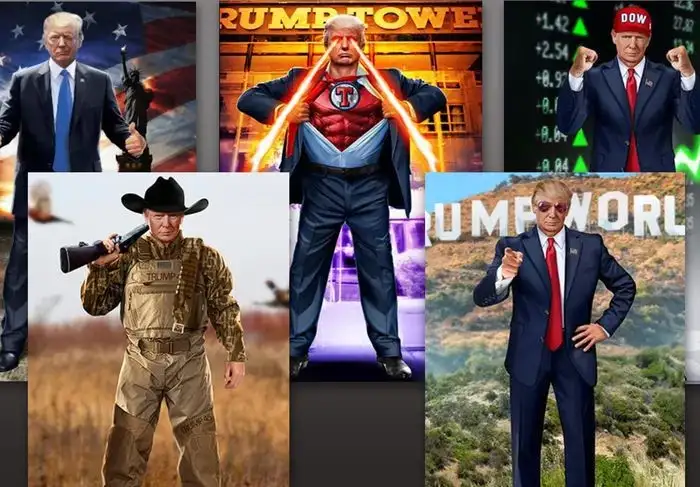
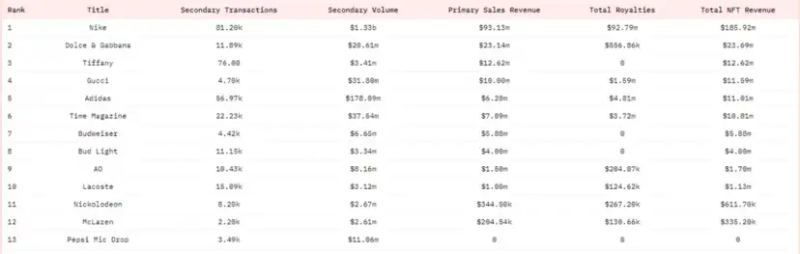
An exciting development in the NFT space is the rise of brand NFTs—those created by or associated with well-known brands, corporations, or celebrities. Brand NFTs give fans and collectors the chance to own a piece of their favorite brand or personality and can be used to engage audiences in new and innovative ways.
Sports NFTs
Given that 2022 was a FIFA World Cup year, we saw many football players and teams launch their own NFT collections. Currently, Sorare is the most popular choice for owning licensed digital cards in NFT form.
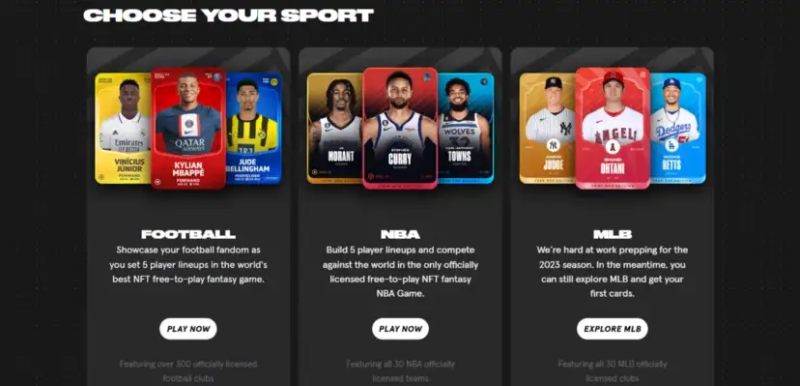
Physical sports cards have long been beloved collectibles, with fans collecting tangible cards of their favorite athletes and teams. More recently, digital sports cards in video games like FIFA Ultimate Team have also become extremely popular. Now, the collectibles industry is shifting toward NFTs as a new medium for representing and trading sports cards.
Corporate Brand NFTs
Top-tier brands are also using NFTs to build awareness. For example, Coca-Cola used NFTs as a marketing tool in July 2021, selling a collection for $575,883.61 in an online auction.
A new wave of mainstream brand NFTs is expected to increase their share of the overall NFT market in 2023, which is currently dominated by PFP-type NFTs.

Outlook for 2023
Due to overall Web3 growth, brand and sports NFTs are expected to maintain an upward trajectory into 2023. Increasing blockchain adoption and the desire for unique DeFi products as revenue streams and distinctive branding may further fuel this trend.
7. Transparency
Historically, many crypto projects have been opaque about their operations, internal workings, finances, teams, and partnerships. However, recent events—such as the FTX incident—have heightened scrutiny around transparency in the crypto industry.
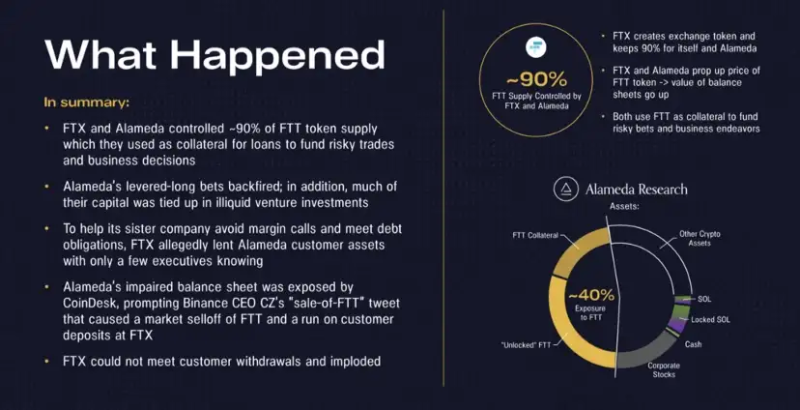
As a result, many projects are now taking steps to improve transparency:
-
Increasing number of doxxed teams.
-
More projects publicly disclosing their project wallets/treasury addresses.
-
Some companies organizing independent DAOs with community members to manage fund-related decisions.
-
Public roadmaps allowing community participation.
-
More projects publishing product updates and reporting progress.
-
Founding teams openly sharing mistakes (if any) and lessons learned.
-
Projects announcing connections with relevant investors and all stakeholders.
-
CEOs/founders actively engaging with communities, maintaining blogs/Tweets, continuing podcasts, hosting AMAs.
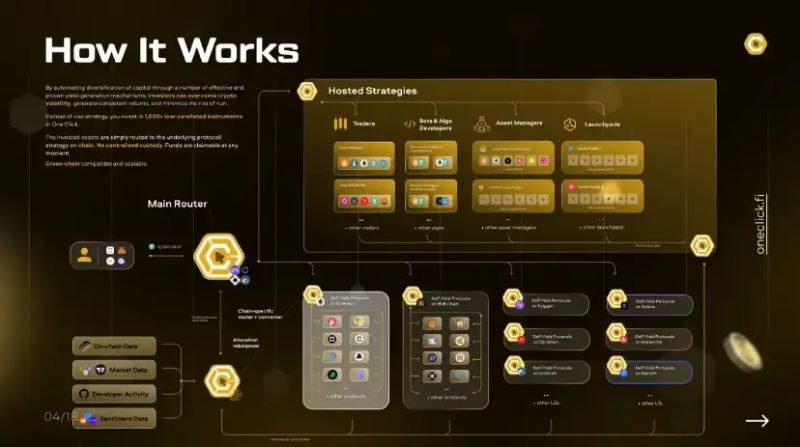
Additionally, publicly available monitoring tools are increasing:
-
Proof-of-reserves for exchanges (Coinmarketcap, DefiLlama).
-
All data related to dApps and DeFi protocols are publicly available on-chain and easily verifiable (DefiLlama, Dune Analytics), rendering hiding or lying pointless.
-
As legitimate projects aim to gain more trust from communities/investors, this trend will accelerate.
-
Unethical projects will attract scrutiny. Communities will spot red flags early.
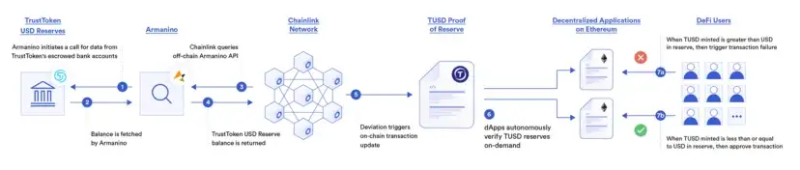
As legitimate projects strive to earn trust from communities and investors, the push for transparency is accelerating. Meanwhile, less transparent projects will raise alarms and be seen as untrustworthy. It is critical for crypto projects to remain transparent to build confidence among communities and investors.
Will the Transparency Trend Continue in 2023?
The collapse of FTX had some positive outcomes, including heightened awareness in the crypto industry. Regulatory actions by governments, loss of customer trust, and capital flight have pushed centralized exchanges and other crypto projects to become more transparent.
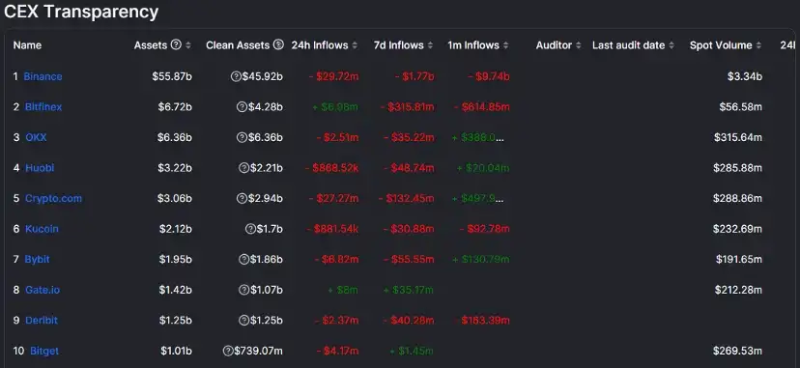
The first step toward transparency is introducing proof-of-reserves data. Leading analytics platforms have also added tools to make tracking these metrics easier, making it harder for projects to hide information.
8. Market Consolidation (Acquisitions/Partnerships)
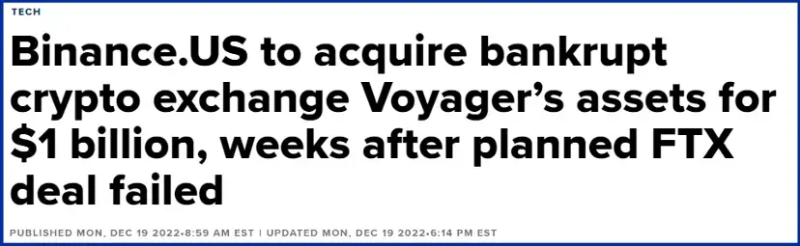
As the bear market persists, industry leaders are acquiring smaller firms struggling to survive. This trend is visible in the NFT space, where Uniswap acquired liquidity aggregator Genie and OpenSea acquired Gem.xyz.
Additionally, partnerships between existing projects are forming to collectively endure the crypto winter.
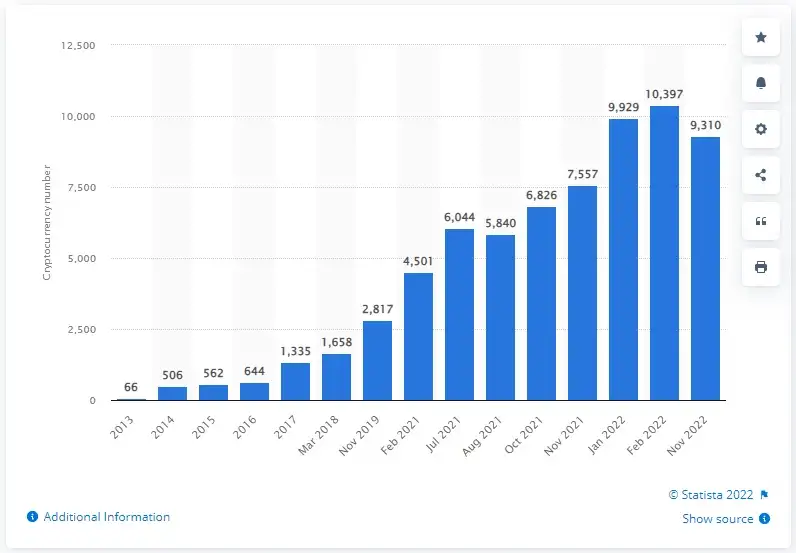
During bear markets, funding may tighten and industry hype may fade. In this environment, smaller projects may turn to partnerships as a cost-effective marketing tool to boost visibility and influence. Conversely, during periods of reduced market noise and competition, larger projects may be more willing to partner with or acquire smaller ones.
An example of market consolidation in crypto is the recent partnership between Balancer and Aave to swap governance tokens and introduce shared liquidity pools. Both projects are well-established in the industry, but by joining forces, they can expand their reach and deliver greater value to users.
Will This Trend Continue in 2023?
Partnerships and acquisitions offer access to new resources, technologies, and user bases, helping projects survive and grow in the long term. If market consolidation continues, such collaborations are likely to persist.
9. Compliance
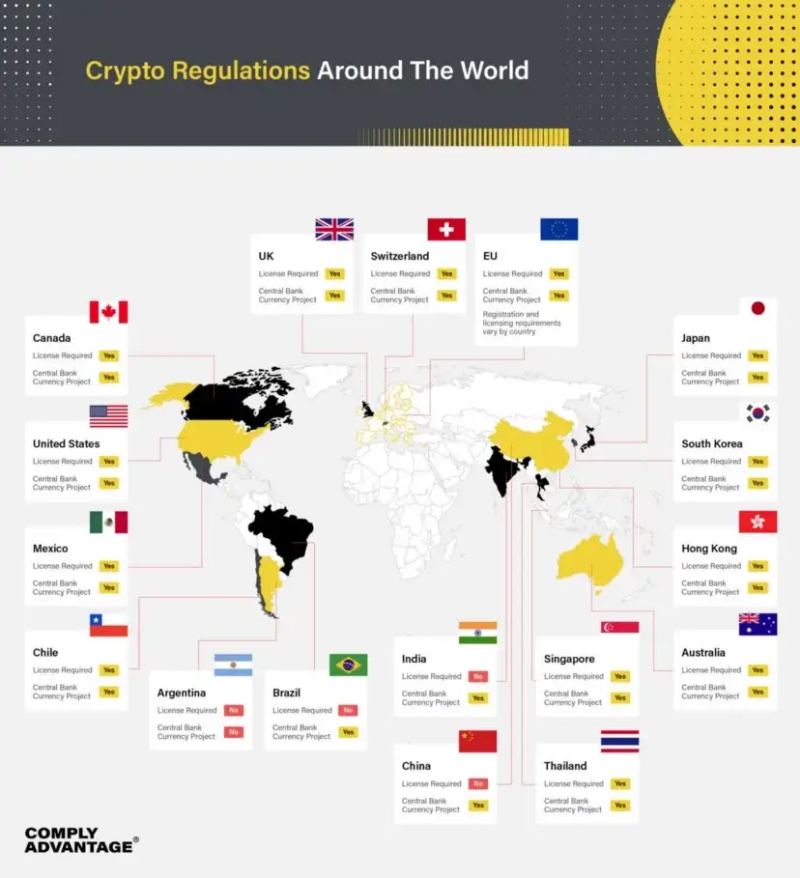
As governments worldwide seek greater oversight and transparency, regulatory compliance is becoming increasingly critical in crypto.
In the United States
The recent FTX case highlighted that crypto projects must prepare for increased regulatory scrutiny. After the exchange’s collapse, CFTC Chair Rostin Behnam called on lawmakers to establish a regulatory framework for digital assets.
Behnam told a Senate committee that the CFTC lacks authority over spot markets and is thus “handcuffed” due to the inability to register spot market exchanges.
He also stated that the CFTC had no legal power to review any other entities affiliated with FTX or gain insight into their operations. Behnam has previously urged lawmakers to grant the CFTC broader authority to regulate digital assets.
In Europe
MiCA (Markets in Crypto-Assets) regulations are set to roll out in 2023. On October 10, 2022, the European Parliament’s Committee on Economic and Monetary Affairs voted overwhelmingly in favor, paving the way for a full parliamentary vote before year-end.
If passed, the law will allow digital wallet providers and other crypto service operators to sell their products across the EU, provided they register with national authorities and meet minimum safeguards for investor protection and financial stability. MiCA also requires crypto issuers to publish a whitepaper detailing their project.
There are concerns regarding restrictions on stablecoins and whether the rules will apply to non-fungible tokens (NFTs). Additionally, the EU is considering a digital finance strategy, the Digital Operational Resilience Act (DORA), and a pilot regime for wholesale DLT use to strengthen regulatory compliance and ensure stability and security in the crypto industry.
What does 2023 mean for crypto investors?
Founders of Web3 companies may face stricter regulatory scrutiny and may need to obtain more operating licenses in 2023. The crypto events of 2022 have spurred regulators worldwide into action, and this trend is expected to continue.
Conclusion
With the widespread adoption of blockchain technology, Web3 has become the frontier of innovation for entrepreneurs and builders.
The industry is still in its early stages and evolving rapidly, with trends changing monthly. Staying ahead and keeping up with the latest market dynamics is crucial.
In 2023, we expect significant progress in SocialFi, insurance protocols, and NFT liquidity tools. Mainstream NFTs, M2E, and advanced DEX trading tools are expected to accelerate.
However, it is also important to monitor newly introduced industry regulations and stay updated on market consolidation.
Join TechFlow official community to stay tuned
Telegram:https://t.me/TechFlowDaily
X (Twitter):https://x.com/TechFlowPost
X (Twitter) EN:https://x.com/BlockFlow_News
 @DDInvestorHQ






