








Why do cryptocurrencies need to be materialized?
TechFlow Selected TechFlow Selected
Why do cryptocurrencies need to be materialized?
If we only stick to digitization, the potential of cryptocurrency will be limited.
 Navigating Web3 tides with focused insights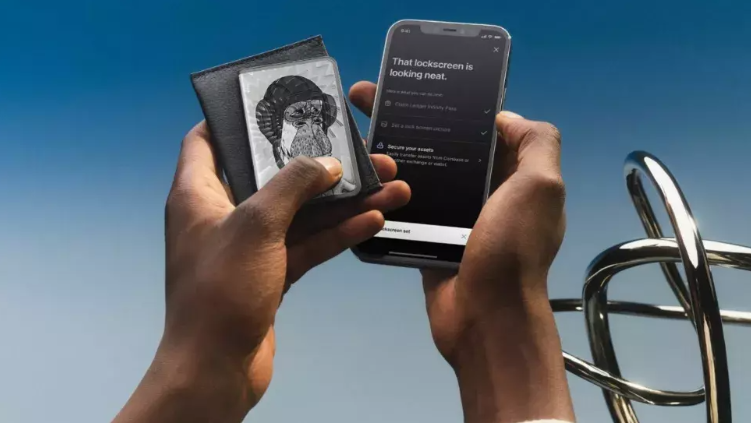
Written by Marco Manoppo
Compiled by TechFlow
Cryptocurrency has always been a digital-first industry. For most people, crypto is fascinating precisely because it lives almost entirely in digital space, enabling the unique fusion of finance, community, culture, governance, and technology into one vast, interconnected ecosystem that transcends jurisdictions.
For example, a DeFi developer in Thailand can build a decentralized exchange (DEX), which is then used by a hedge fund in New York for trading, by retail traders in India to swap synthetic forex pairs, and by a token project in the Middle East to pay employee salaries.
That said, if crypto remains purely digital, its potential will be limited. Over the past two years, we’ve exhausted much of crypto’s digital-first potential. Sure, some metaverse IPs might succeed, but for cryptocurrency to truly go mainstream and for DApps to achieve everyday utility, physical embodiments are necessary.
In this article, I analyze the current state of cryptocurrency hardware and the complex relationship between the crypto ecosystem and established players like Apple.
iOS Dominance and Google's Role
Earlier this month, Coinbase Wallet tweeted that Apple was forcing them to remove their NFT sending functionality. The tech giant claimed that the gas fees required to send these NFTs must be paid through iOS in-app purchases so Apple could collect its 30% cut. This is utter nonsense. Not only is this technically impossible, but it also reveals how disconnected Apple is from blockchain and cryptocurrency technologies as a whole.
Those who have worked in crypto for a while, especially developers building mobile solutions, know that working with the App Store has always been painful. Cryptocurrency is inherently fintech, yet Apple insists on taking a 30% cut from every transaction within its ecosystem. This is a strong signal that the crypto ecosystem needs to commit to its own hardware solutions, and fortunately, we’re seeing positive developments.
There are reports that due to European regulations, Apple will be forced to allow EU customers to use third-party app stores. The ability to have alternative app stores will unlock immense potential for decentralized applications. However, we cannot simply sit back and wait for Apple to become benevolent. We need to simultaneously push forward native crypto hardware solutions—such as the Solana phone.
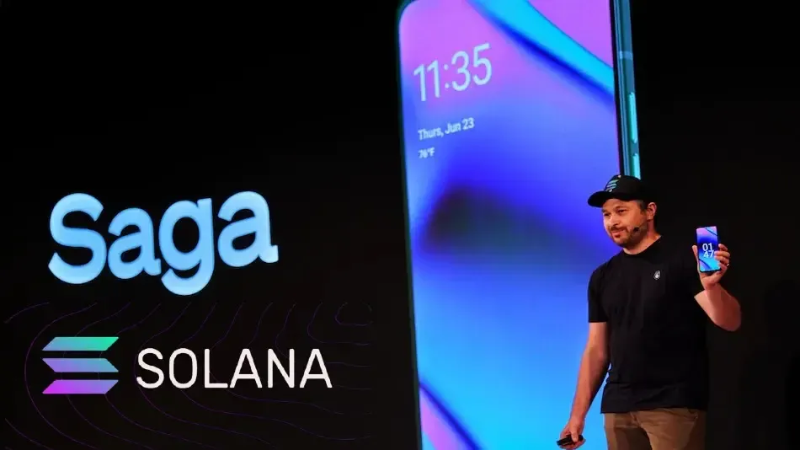
In June 2022, Solana announced it was developing a phone called Saga. It will be an Android-based smartphone optimized for cryptocurrency. Because Android is open-source, integrating custom apps into Android phones has always been relatively easy—just like Samsung or Google Pixel devices.
Another interesting idea: Google is planning deeper involvement in the blockchain space. For instance, Google Cloud will add BitQuery support for Solana in Q1 2023. Embracing open-source blockchain technology and integrating with the crypto ecosystem could be Google’s opportunity to surpass Apple in the smartphone industry.
What if Ledger made a phone? Given the company’s early lead in becoming the premier cryptocurrency hardware manufacturer, this isn’t out of the question.
PoPW – Proof of Physical Work
Within the realm of cryptocurrency hardware, there’s another intriguing niche: Proof of Physical Work (PoPW). This term was first coined by Multicoin Capital. At its core, PoPW refers to networks that build real-world infrastructure, typically involving a physical component.
Two notable examples are Helium and Hivemapper.
-
Helium incentivizes people to build and manage telecom networks using a hardware device that functions like a miniature cell tower. Device owners are responsible for creating coverage and transmitting data across the network. In return, they earn the network’s native token, HNT.
-
Hivemapper incentivizes people to generate real-time map data at higher frequencies via hardware devices that track location data. Device owners contribute by mapping roads around them during daily commutes. In return, they earn the network’s native token, HONEY.
There are many other examples of PoPW networks. The premise is that they bridge the physical-digital divide through token incentives. Now imagine a perfectly optimized crypto-focused smartphone capable of running nodes, enabling people worldwide to be active PoPW contributors at any time.
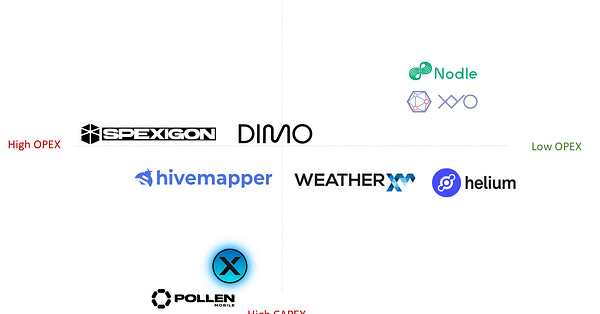
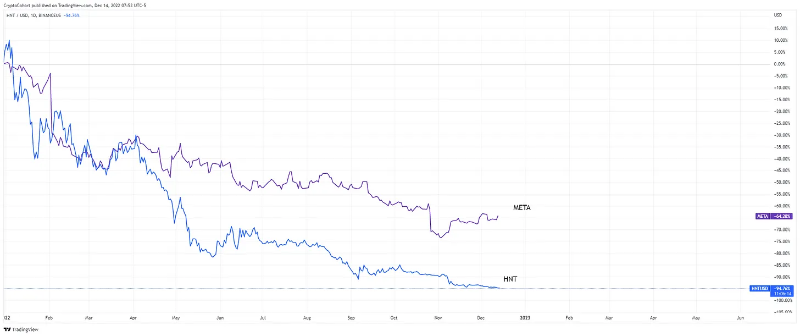
However, the success of these projects has faced considerable criticism so far. Similar to other crypto tokenomics models, PoPW networks often create flywheels that amplify token prices during bull markets—and crash just as dramatically in downturns. This isn't inherently wrong; if Uber shares were publicly traded before IPO, I’d bet they’d be extremely volatile too—but that wouldn’t make Uber a scam.
Moving Toward the Physical
The biggest criticism leveled against cryptocurrency is that it isn’t truly used in everyday life.
Indeed, the collapse of FTX didn’t meaningfully impact the broader stock market—or most people’s daily lives. This talking point, widely circulated by mainstream media, underscores how insignificant crypto still appears to the general public. This is both good and bad, but one thing is clear: for cryptocurrency to power applications used by everyday users, it needs to become physical.

Join TechFlow official community to stay tuned
Telegram:https://t.me/TechFlowDaily
X (Twitter):https://x.com/TechFlowPost
X (Twitter) EN:https://x.com/BlockFlow_News
 @ManoppoMarco






