








Understanding the Characteristics and Token Utilities of Current Mainstream Layer 2 Solutions
TechFlow Selected TechFlow Selected
Understanding the Characteristics and Token Utilities of Current Mainstream Layer 2 Solutions
How can L2 block producers be decentralized?
 Navigating Web3 tides with focused insights
Written by: 100y.eth
Translated by: TechFlow
As The Merge approaches, many L2s have received significant attention. At the same time, news about L2 token launches continues to emerge. I've researched the tokenomics of most L2s and written this "definitive guide" on L2 token economics.
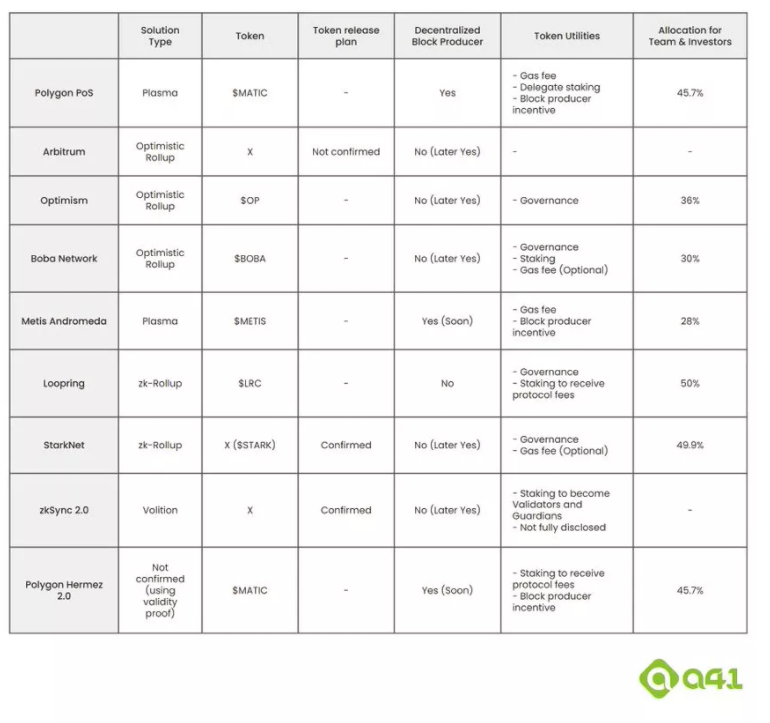
First, why do we need tokens? In L1s, tokens incentivize block producers, enabling security and decentralization. Block producers secure the network and earn tokens in return.
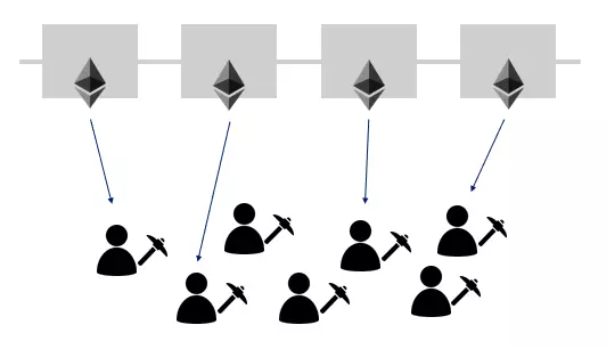
What about in L2s? Since L2 security relies on L1, the degree of decentralization among L2 block producers is not as critical as in L1s. This implies tokens aren't strictly necessary—Optimism and Arbitrum previously operated well without tokens.
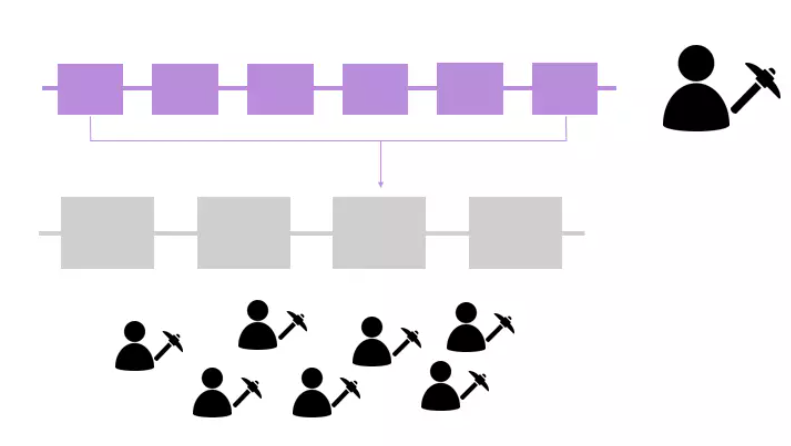
Must we decentralize L2 block production?
In terms of security: No
In terms of MEV: Yes
Because they hold transaction data, centralized block producers can extract MEV from users. Most current L2 block producers are centralized and run by the projects themselves, processing transactions in a simple first-come-first-served (FCFS) manner.
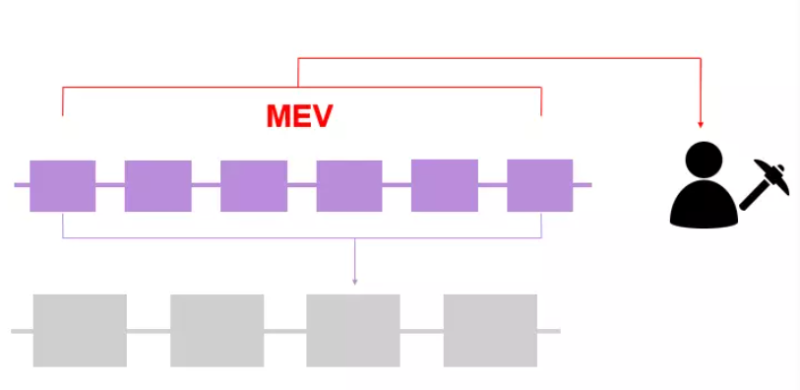
Given this, how can we decentralize L2 block production? The answer is tokens. Using tokens is the best way to achieve decentralization, but it appears that different L2 projects vary significantly in their token utility—which is why I’ve studied the tokenomics of most major L2 networks.
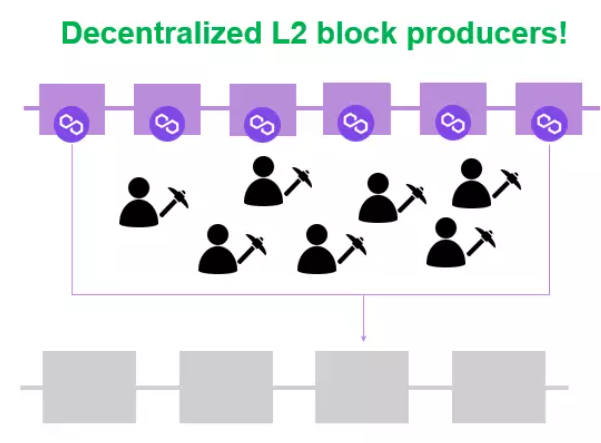
Polygon:
PoS, Plasma, decentralized block producers.
$MATIC utility: Gas fees, staking to become a validator, delegated staking, block rewards.
Note: Tokenomics resemble those of an L1 network.
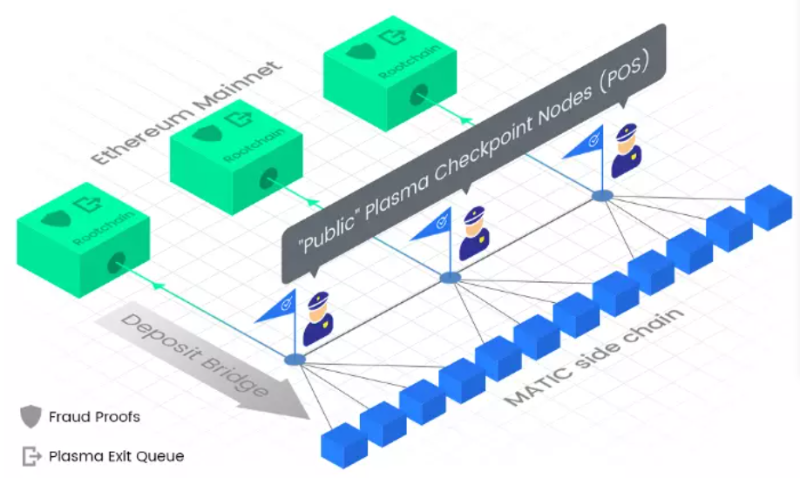
Optimism:
Optimistic Rollup, centralized block producer.
$OP utility: Governance.
Note: Plans to decentralize block production in the future.
Arbitrum:
Optimistic Rollup, centralized block producer.
No token yet, but highly anticipated due to the Arbitrum Odyssey campaign.
Note: Compared to Optimism, Arbitrum has a different approach.
Boba Network:
Optimistic Rollup, centralized block producer.
$BOBA utility: Governance, staking (only for yield-bearing tokens), gas fees (optional).
Note: Boba Network is a fork of Optimism with additional features.
MetisDAO:
Plasma, decentralized block producers (coming soon).
$METIS utility: Gas fees, block rewards, staking required to create DACs (a type of DAO within Metis).
Note: Metis is also a fork of Optimism. Currently stores transaction data off-chain in a system called MEMO.

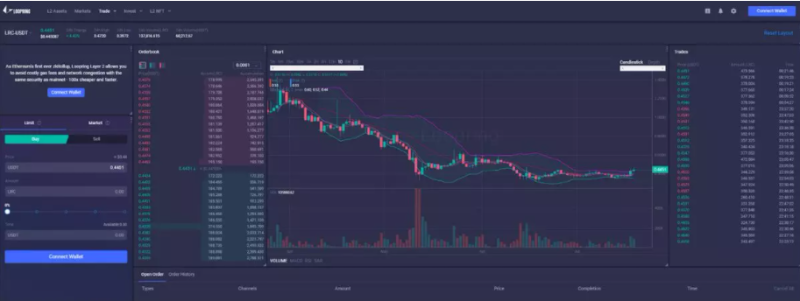
Loopring:
zk-Rollup, centralized block producer.
$LRC utility: Governance, staking to earn protocol fees.
Note: Loopring is a DEX built on zk-Rollup.
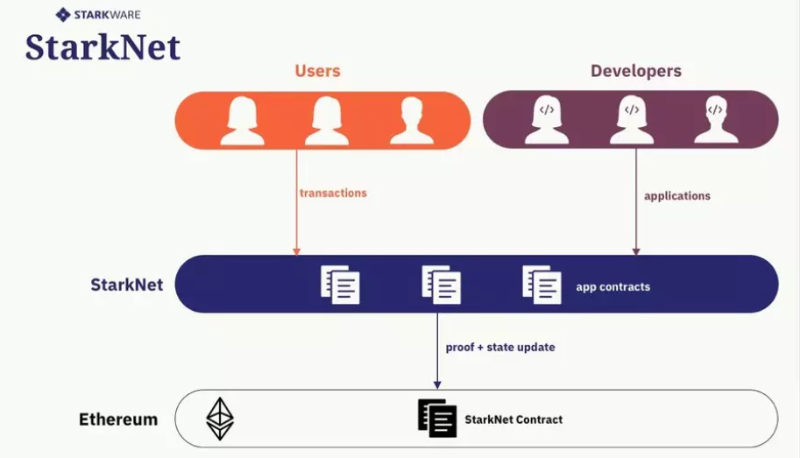
Starknet by StarkWare:
zk-Rollup, centralized block producer.
$STARK utility: Governance, gas fees (optional).
Note: Approximately 49.9% of tokens allocated to team and investors.
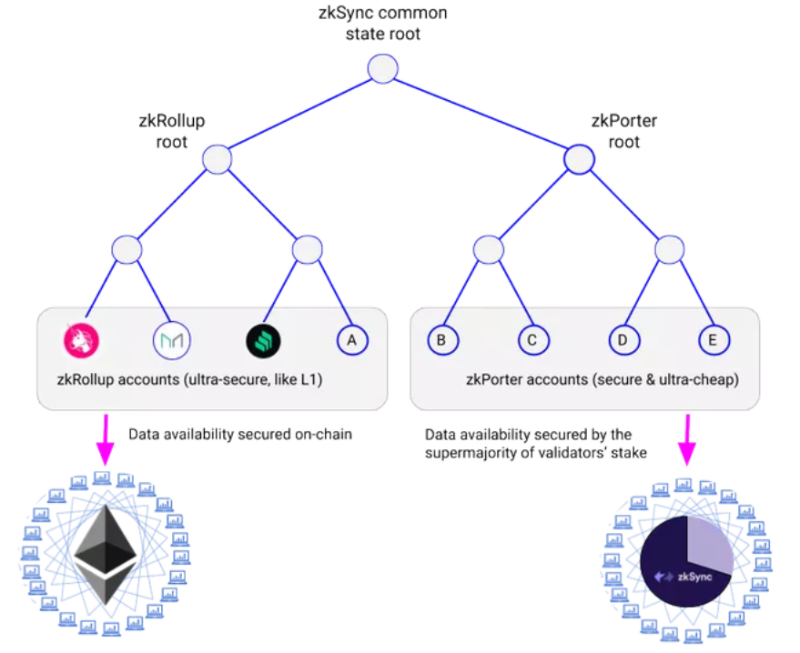
zkSync 2.0:
Volition, decentralized block producers.
Token utility: Staking to become a validator or guardian.
Note: Will be the first EVM-compatible general-purpose zk-Rollup.
Polygon zkEVM:
Volition, decentralized block producers.
$MATIC utility: Staking to earn protocol fees, block incentives.
Note: This will be the first EVM-equivalent general-purpose zk-Rollup.
Regardless of whether tokens are used to decentralize L2 block production, they undoubtedly help drive network growth: tokens → more users → more dApps → positive feedback loop.
Hopefully, the vision of a multi-chain Ethereum L2 ecosystem will soon become reality.
Join TechFlow official community to stay tuned
Telegram:https://t.me/TechFlowDaily
X (Twitter):https://x.com/TechFlowPost
X (Twitter) EN:https://x.com/BlockFlow_News
 @100y_eth






