








OFR: Will the combination of M2E and RPG be a future trend, and can Genopets deliver surprises?
TechFlow Selected TechFlow Selected
OFR: Will the combination of M2E and RPG be a future trend, and can Genopets deliver surprises?
Since the launch of Axie Infinity, our perception of GameFi and the metaverse has been constantly evolving.
 Navigating Web3 tides with focused insights
Authors: Gui (OFR Investment Executive Director), Otto (OFR Analyst)
Advisor: JX (OFR Partner)
Preface
Since the launch of Axie Infinity, our views on GameFi and the metaverse have continuously evolved. As Vitalik put it, "It’s still too early to know what people truly want," a sentiment we largely agree with. However, as a Web3 venture capital fund, our mission is to discover emerging projects and empower them through blockchain technology. We believe that the convergence of Move2Earn and RPG represents a future trend, and Genopets has precisely captured this trend—which is why we invested in the project back in 2021.
Data from Degame and playtoearn.online shows that the total trading volume for blockchain games in Q1 2022 reached $6.322 billion, with Harmony accounting for 48.58%, Ronin for 26.85%, and BSC for 14.25%. With player numbers consistently hovering around 1.2 million, the gameplay diversity of these titles plays a significant role in advancing blockchain adoption. The Q1 2022 GameFi industry report also noted that 20–30% of newly launched tokens were related to GameFi projects, averaging $100,000 in trading volume.
By analyzing key global metrics from Degame and CoinGecko, along with an in-depth study of Genopets’ game economy and playability, we found that Genopets currently ranks 24th among GameFi projects.
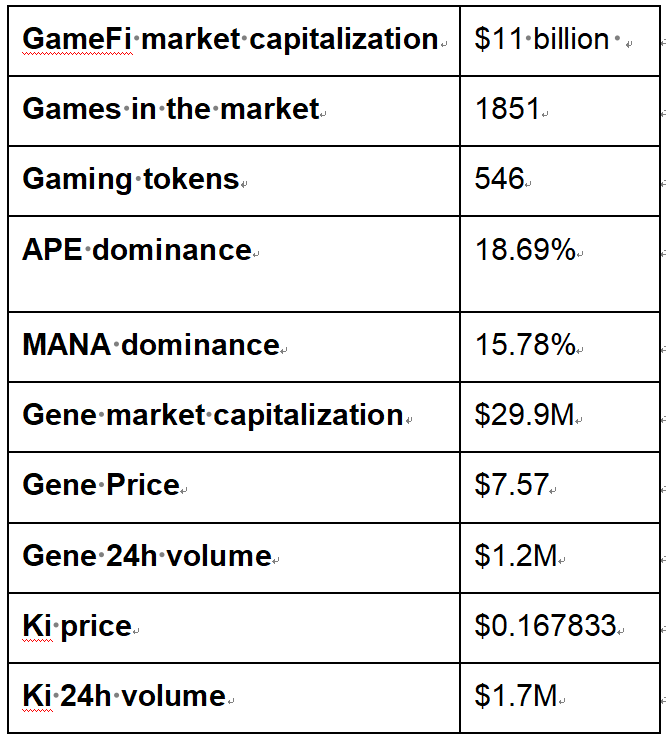
Table 1: GameFi Data, 08/02/2022
Game Economy and Playability
Genopets is an upcoming move-to-earn (M2E) game that combines social fitness incentives, free-to-play mechanics, and a player-controlled Web3 economy. Similar to Pokémon GO, the app requires players to move around rather than sit at a computer. The game centers around a virtual creature—Genopet—that blends Pokémon-style design with anime aesthetics. Daily step counts are converted into Energy (E), which enables various functions such as leveling up your Genopet.
However, can this "move-to-earn" model genuinely sustain community engagement and user lifetime value? Can a seemingly simple game offer real depth and replayability?
Upon registration, you receive a free Genopet. Before starting, players answer several questions to generate their personalized Genopet. Walking accumulates steps, which can be converted into Energy. This Energy fuels most in-game actions, including upgrading your Genopet. Steps are the core input; the game's economic flywheel depends on how much Energy players generate. While step data is stored off-chain and not tracked permanently, Energy is the scarcest in-game resource required for nearly all major functions.
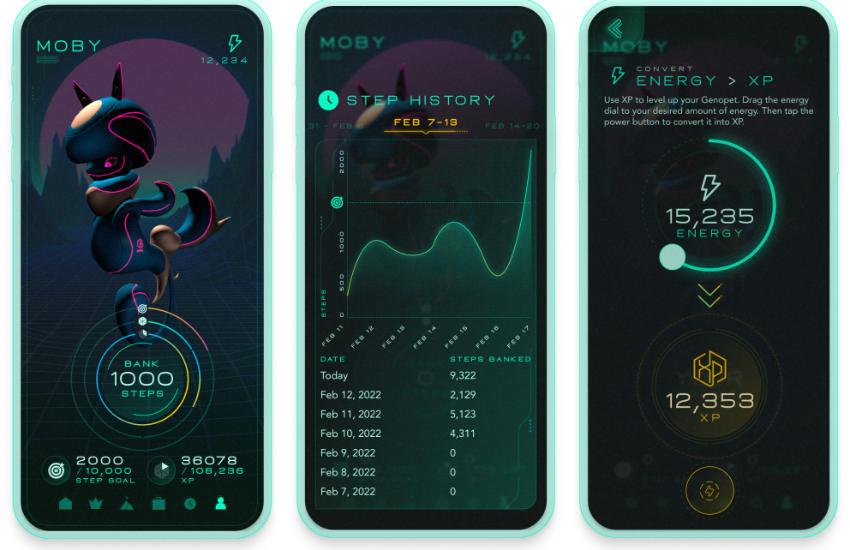
Figure 1: Genopets App Overview
What Is Energy?
Energy introduces strategy and complexity, encouraging active participation to earn more while keeping gameplay engaging—simple yet “effortless.” Moreover, steps only count for the day they’re taken. Regardless of how many steps you take, unless you bank them (convert to Energy), they reset the next day. The conversion from steps to Energy isn’t linear—Energy doesn’t scale proportionally with steps. A “step efficiency coefficient” influences the calculation, adding strategic depth. Starting at level 22, Genesis Genopets consume more Energy per step (Appendix A).
Energy efficiency also matters. The conversion rate isn’t fixed at 1:1 and is influenced by multiple factors: number of steps walked, stored steps, Genopet level, and mood value—explained later. Our goal is to prevent exploitation while promoting a “play for fun” community ethos, evoking nostalgia for raising digital pets. Real-life athleticism doesn’t guarantee success; instead, victory depends on discipline and strategic choices. Additionally, players can choose to invest in a Genesis Genopet or start from the lowest tier. Since level directly affects Energy conversion rates, owning a Genesis Genopet shortens leveling time based on the step efficiency coefficient (Appendix B).
Energy acts as the “active” currency, ensuring players engage meaningfully rather than skip core gameplay. It is required for:
- Converting steps into XP for your Genopet
- Harvesting KI in exchange for Energy
- Feeding, petting, and playing with your Genopet to maintain good mood
- Engaging in PvP and PvE activities afterward
What Is Mood Value?
Mood reflects your Genopet’s mental and physical state, determined by Nutrition (40%), Joy (40%), and Love (20%).
Nutrition represents the Genopet’s physical condition, making up 40% of mood. It decreases steadily over 8 hours, reaching zero if not replenished. Players feed their Genopet via mini-games where food items boost nutrition. Generic food is available to all, while special NFT-formatted foods provide additional benefits.
Joy contributes another 40%, representing mental well-being. It depletes after 50 hours and can be restored through play mini-games. Like feeding, different tools—generic or NFT-based—unlock different mini-games.
Love accounts for the remaining 20%. It lasts over 80 hours and cannot be increased via mini-games. Instead, it uses an animated Energy effect that provides instant but non-cumulative boosts.
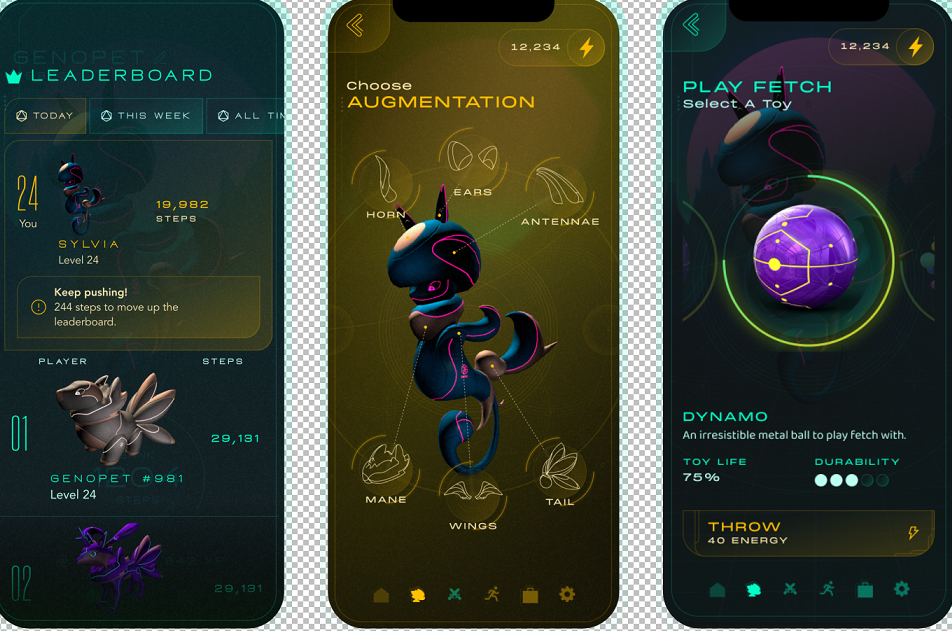
Figure 2: App Interface, Evolution, and Mood Features
Leveling Up
As mentioned, Energy converts to XP at a 1:1 ratio. Genopet evolution spans 12 stages across 78 levels, with each stage altering its physical form, appearance, and size. After reaching max level, players can still collect Energy, which can then be used for other in-game activities without worrying about saving for upgrades. Thus, a Genopet’s level (tracked on-chain) should theoretically correlate with its market price.
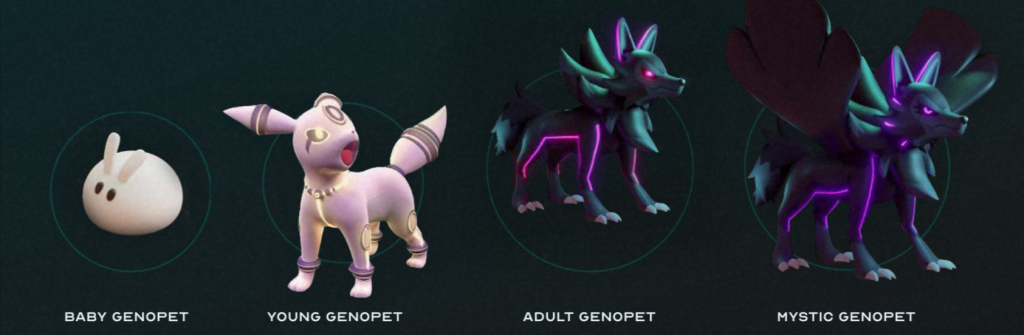
Figure 3: Leveling Progression Diagram
The above illustrates the strategic depth of this move-to-earn game—it is far from a passive, simplistic experience. But what makes Genopets unique, and where exactly can players “earn”? The answer may lie in Habitat Management, the most anticipated feature in the game so far.
Habitat
Habitats are key in-game assets that significantly expand gameplay possibilities. Representing land in the Genoverse, Habitats can be bought, sold, and traded as NFTs on partner marketplaces and exchanges. They come in three tiers, starting from Tier 1, each unlockable through progression, described below.
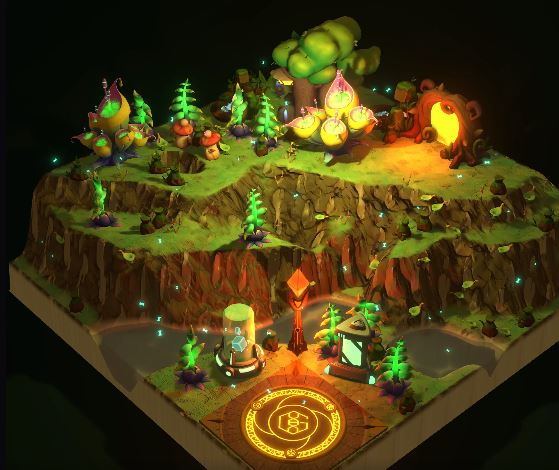
Figure 4: Genesis Habitat Overview
Properties
Beyond tier, Habitats possess elemental attributes: Earth, Fire, Metal, Wood, or Water. These determine the type of Crystals mined, except for Genesis Habitats, which can produce all types. As players progress, they learn which resources are scarce, and Genesis Habitats become crucial for balancing elemental supply. There are approximately 4.1k Genesis Habitats, serving as premium zones offering distinct advantages.

Figure 5: Five Elemental Genesis Habitats
Structure
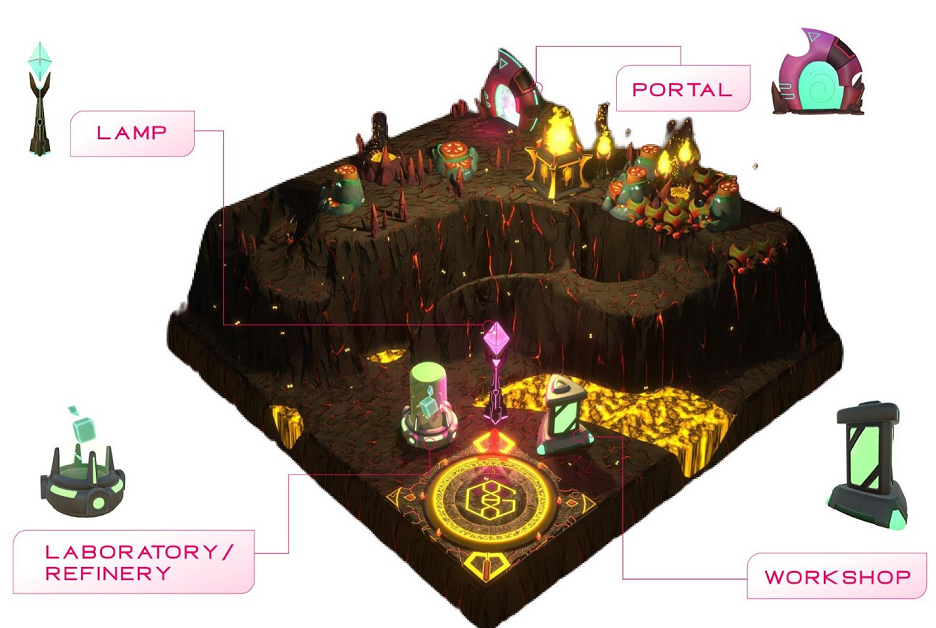
Figure 6: Habitat Composition
Each Habitat consists of three components, with performance varying by tier (1 to 3):
- Laboratory: A research building that refines raw Crystals into refined Crystal NFTs.
- Synthesis Factory: Allows players to craft tools using materials and recipes. Items can be used personally or auctioned. Access requires both ingredients and blueprints.
- Portal: Gateway to the Genoverse, launching in a later phase of the game.
Harvesting, Alchemy, Crystals, and More
Crystal Production
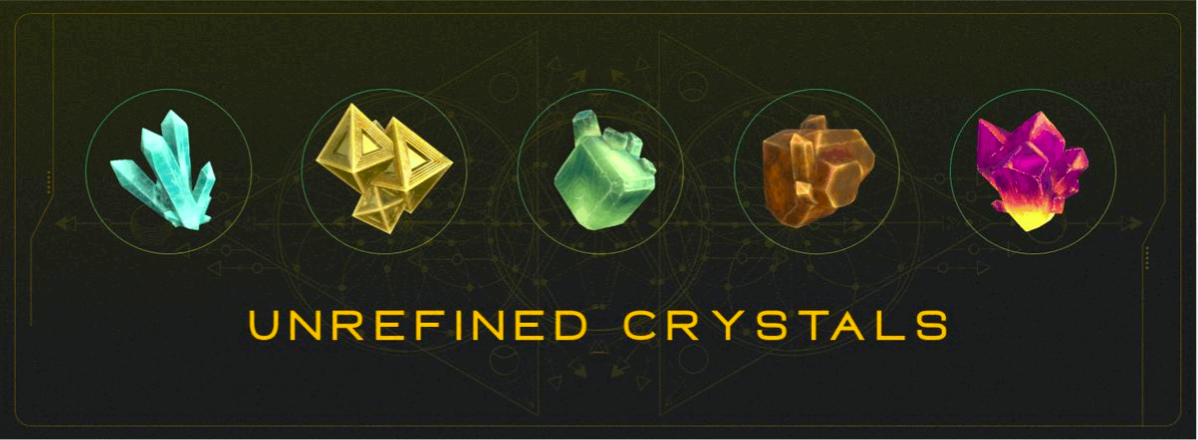
Figure 7: Crystal Overview
As stated, Crystal type depends on the Habitat’s attribute, resulting in five distinct varieties. Each Habitat can produce 1–3 Crystals depending on its tier. Once generated, Crystals are stored in the Habitat’s Laboratory. If a Tier 1 Lab holds one unrefined Crystal, no new Crystals will be produced or stored the next day.
After refinement, Crystals are tokenized (on-chain) and claimable to the player’s wallet. The Laboratory then resumes production of new Crystals.
What Makes Refined Crystals Special?
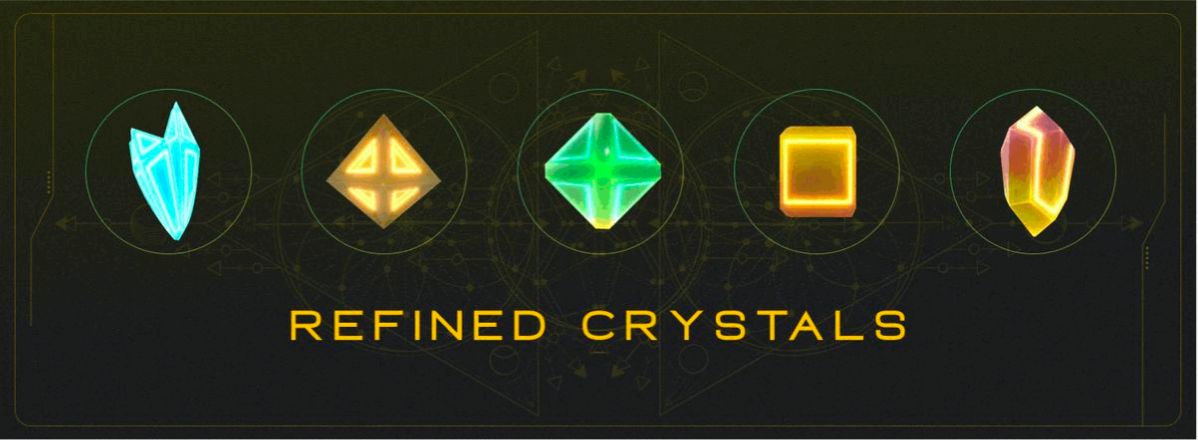
Figure 8: Refined Crystal Overview
Refined Crystals (RC) can be obtained either by refining raw Crystals in the Lab or purchased from the market. Refining each Crystal costs 10KI. RCs can be transformed into power-ups, tools, and accessories. Players can use RCs to change their Genopet’s element (e.g., from Fire to Earth), altering its traits and stats. RCs also enhance combat performance (details pending), combo moves, and visual effects. These items exist as NFTs and, like RCs, are tradable on public markets.
Finally, RCs are also required for upgrading Habitats and terraforming (creating new Habitats).
Alchemy—Turning RC Into Powerful Items
Alchemy is a special crafting method allowing players to convert RCs into powerful in-game assets. Conducted in the Habitat’s Laboratory, alchemy uses Gene and KI to generate up to 3 RCs in a crystal chamber.
- Tier 1 Habitat has one Lab, allowing only one Crystal refinement at a time.
- Tier 2 adds an extra chamber with basic alchemy capabilities, enabling simultaneous conversion of two Crystals into Power-Ups. These Power-Up NFTs boost XP gain, reduce refinement and crafting times, and increase Crystal yield. They can also be sold on open markets.
- Tier 3 features three crystal chambers, enabling advanced alchemy involving three RCs. This unlocks stronger Power-Ups and allows crafting of other refined genotype crystals.
Harvesting KI
KI is one of two core in-game assets, harvested using Energy in Habitats. The exchange rate depends on the selected waiting period. Once chosen, KI is locked for 7, 10, or 14 days; a new cycle begins only after harvest.
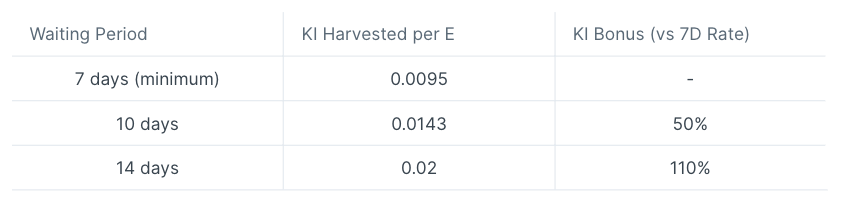
Table 2: KI Harvest Amounts by Waiting Period
KI harvest amounts cannot exceed daily limits, which depend on the player’s active Habitat tier. Players can designate one main Habitat and 0–2 sub-Habitats.
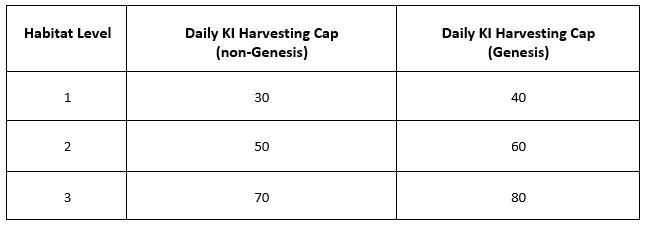
Table 3: KI Harvest Limits by Habitat Tier
For users with at least one sub-Habitat, the daily limit is calculated by summing individual Habitat limits and multiplying by the “Connected Habitat Bonus,” currently set at 10% (Appendix C).
Terrain Seeds
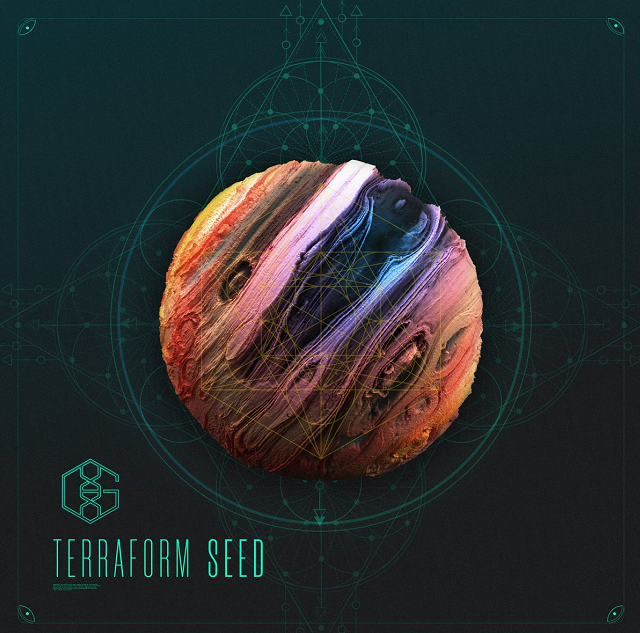
Figure 9: Terrain Seed Overview
Genesis Habitats were minted earlier this year. Since then, creating a new L1 Habitat requires an existing Habitat. Each Tier 3 Habitat yields 6 seeds, usable to create a new Habitat. In addition to seeds, players need:
- 3 Refined Crystals of the same element (determines new Habitat’s attribute)
- 1 Habitat Laboratory
- 5 Gene
- KI, amount depending on seed used
Each seed has a corresponding tier determining its KI content. Upon claiming, all KI is transferred to the player’s inventory for unrestricted use.
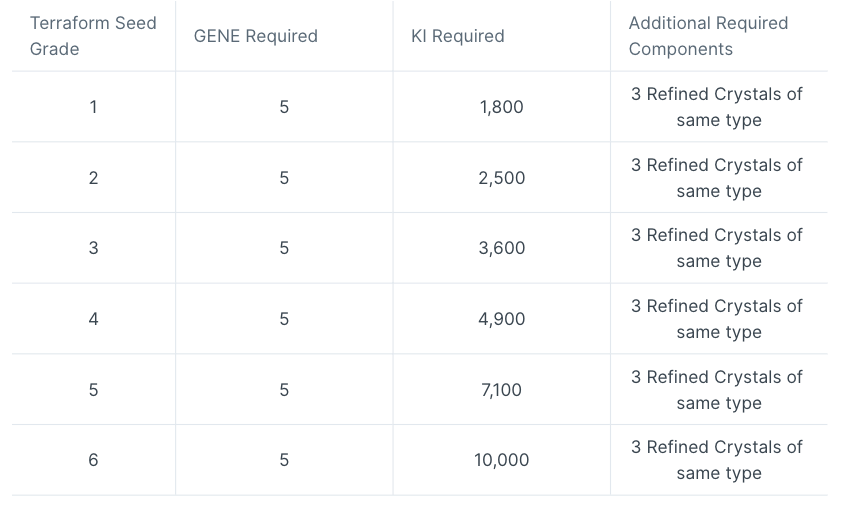
Table 4: Terrain Tier and Required KI to Create a Habitat
Habitat Status
To increase complexity and activity, activated Habitats have a limited lifespan of 90 days. After that, they enter hibernation—rendering them economically inactive and effectively useless to owners.
Habitat status is influenced by three factors:
- Lifespan = remaining life (measured in days before hibernation); partially restorable by burning Crystals.
- Repair = action of burning Crystals to extend current lifespan
- Durability = maximum number of times a Habitat can be repaired
Once hibernated, players can repair the Habitat to prevent decay. Repair extends lifespan by one day and consumes one RC. Depending on tier, a Habitat can be repaired 90, 180, or 270 times before full dormancy. Repairs require KI. Once repaired, the Habitat regains 90 days of lifespan and full durability for its tier.
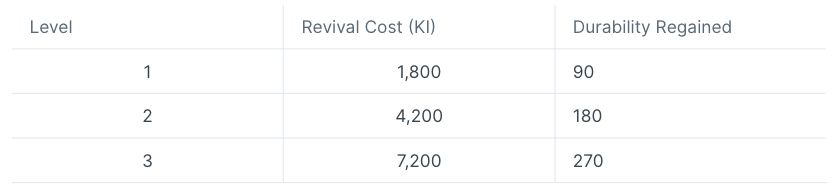
Table 5: Restoration Cost per Habitat Tier
Below is a summary of the above Habitat features across all three tiers:
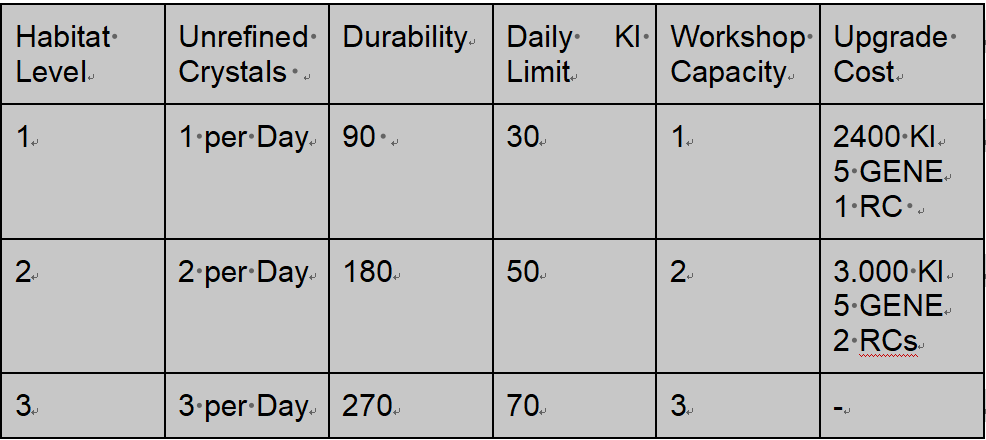
Table 6: Summary of Habitat Development Requirements
Delegates
As an added feature, Genopets allows secondary usage of Habitats. Owners decide whether to harvest their own Habitat or rent it to others. Rental involves contracts and three roles available to Habitat owners:
- Owner—the Habitat’s wallet address holder within the blockchain ownership space.
- Alchemist—a delegate; granted rights to perform alchemy (item crafting); defined as a zeroable player address listed in the Habitat’s metadata.
- Harvester—a delegate; granted rights to harvest KI; defined as an ignorable player address in the Habitat’s metadata.
An Alchemist and Harvester can share the same wallet address.
Two contract types are available:
- Harvest Authorization: Allocates KI harvest cap in exchange for a percentage of harvested KI (royalty fee).
- Alchemy Authorization: Grants item crafting and refinement rights in exchange for fixed token payments (rent).
All management occurs via the Habitat Management interface, which allows:
- Adjusting KI harvest royalty rates
- Onboarding tenants and/or delegates (individually or in batches)
- Adjusting rent or payment periods
- Removing delegates
- Monitoring key metrics such as total KI harvested, Crystals refined, and items crafted
Dual Token System
GENE is the governance and staking token used for Genesis NFT sales, periodic drops, and managing valuable in-game items. Holding GENE makes wallets eligible for rewards and random NFT drops.
KI is the utility token. Habitat owners harvest KI daily by converting step-based Energy. KI is burned for use and has acquisition caps. It powers Crystal refinement, alchemy, crafting, and terraforming.
In summary, Genopets stands out as a promising move-to-earn game. Its depth and complexity position it as a potential top-tier Web3 title. Whether it sustains an active community or fades as just another hype wave—only time and the official launch will tell.
Conclusion
As we conclude this article, we must discuss the game’s public testing phase. For months, we’ve closely followed the team’s progress—an unexpectedly solid journey. As the game’s economic flywheel becomes clearer, Discord and Twitter communities are increasingly engaged in discussions. Prospective players are voicing preferences—whether they’d prefer being an Alchemist, Harvester, or Landlord.
As shown below, trading volumes have rebounded ahead of the Habitat Management feature rollout (expected in August), particularly for Genesis Genopets and Genesis Habitats.
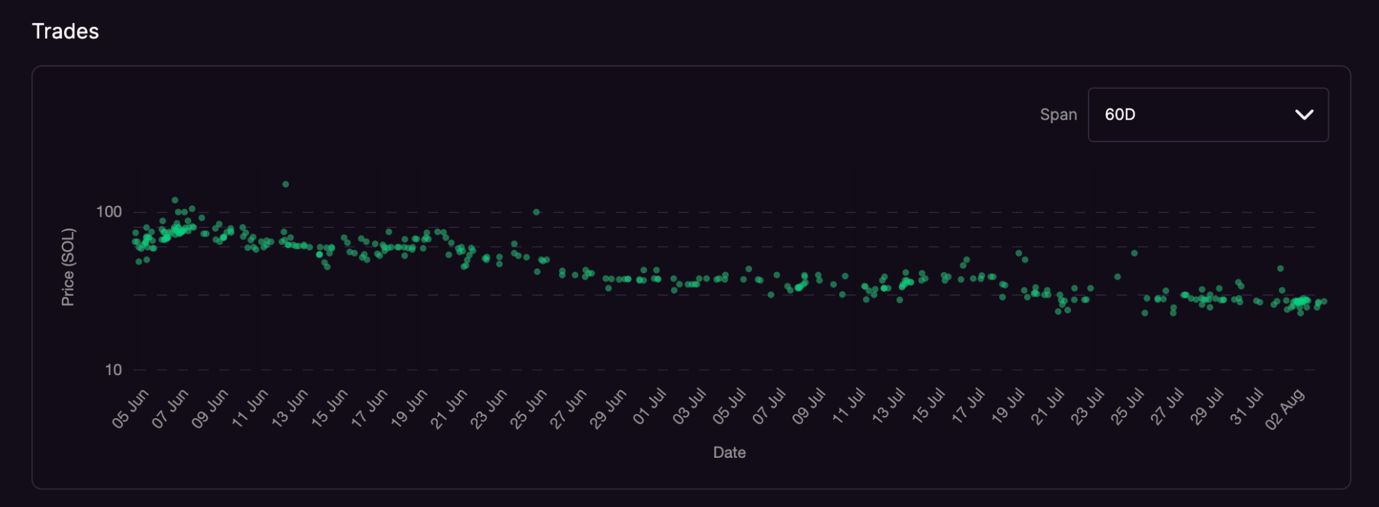
Figure 10: Trading Trend for Genesis Genopets
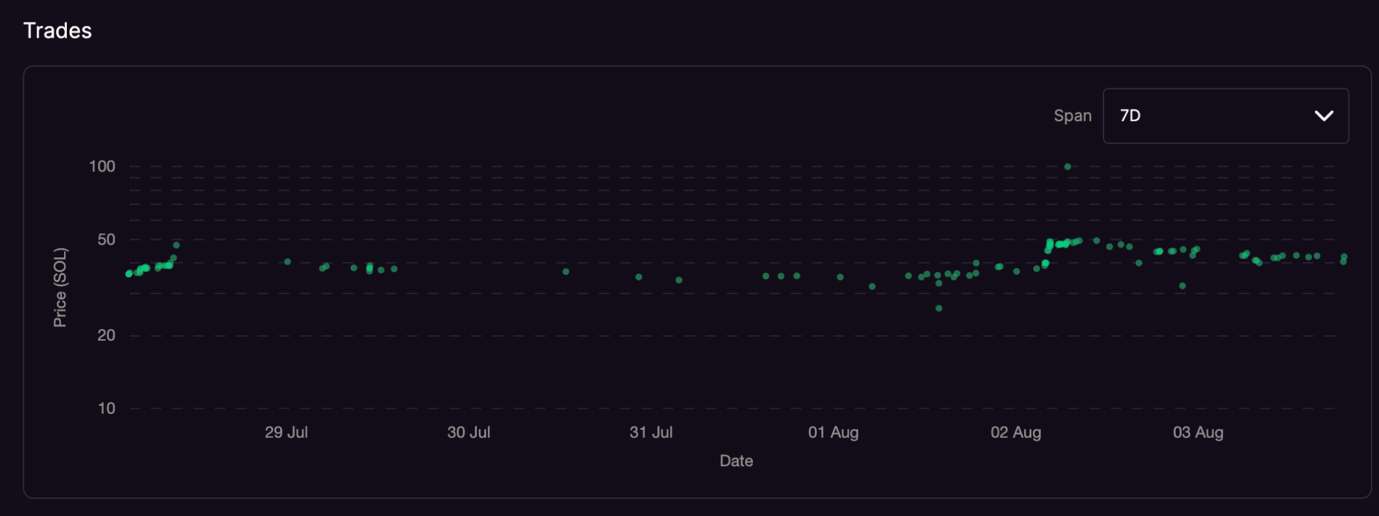
Figure 11: Trading Trend for Genesis Habitats
Driven by positive retail momentum, we anticipate guild-led growth in the near future. Genopets has built numerous partnerships along the way, and these allies are expected to bring in large numbers of active players in a relatively immediate manner. With that, we close this first piece on Genopets. We will continue monitoring the token and NFT markets until the game launches. Unfortunately, due to the Solana hack incident on August 2, 2022, the team may need to reassess its launch timeline. Currently, approximately 2% of KI tokens reside in the hacker’s wallet.
Disclaimer: This report is for research purposes only. Do not treat it as financial advice. DYOR.
Join TechFlow official community to stay tuned
Telegram:https://t.me/TechFlowDaily
X (Twitter):https://x.com/TechFlowPost
X (Twitter) EN:https://x.com/BlockFlow_News
 Old Fashion Research






