








Analysis: A Comparison of the Pros and Cons of Three Major Perpetual DEXs—dYdX, GMX, and gTrade
TechFlow Selected TechFlow Selected
Analysis: A Comparison of the Pros and Cons of Three Major Perpetual DEXs—dYdX, GMX, and gTrade
In the long run, it's still too early to say which perpetual DEX will capture the largest trading volume.
 Navigating Web3 tides with focused insights
Author: The DeFi Investor
Translation: TechFlow intern
The battle among perpetual DEXes has begun, and decentralized perpetual exchanges have become one of today’s hottest trends! So here, I’ll compare the three most popular DEXs currently: dYdX, GMX, and GainsNetwork. Let’s get started.
gTrade and dYdX offer synthetic exposure to multiple assets, while GMX only allows traders to trade using assets within the GLP pool. Synthetic assets enable the first two DEXs to use oracle price feeds for all listed assets.
From this perspective, the first two platforms hold an advantage. However, I’ve also seen some good news regarding GMX: the GMX team is currently developing a PVP AMM that will provide synthetic exposure!
Resilience during extreme volatility is a critical evaluation criterion. If perpetual DEXes fail to manage their risks properly, they face bankruptcy. Therefore, dYdX and gTrade implement funding rate mechanisms (when long positions outnumber shorts, longs pay fees to shorts, and vice versa).
Funding rates ensure the long/short ratio stays close to 50%, limiting traders’ excessive profits. In contrast, GMX does not have funding rates—a significant advantage for traders. However, due to its GLP model, short positions are capped at a maximum of 50% open interest.
dYdX maintains an insurance fund (holding $15 million). If a trader’s PNL is positive, this fund absorbs the loss. On GMX, trader PNL impacts the GLP price: when traders lose -> GLP price increases (traders’ collateral flows into the GLP pool); when traders profit -> GLP price decreases.
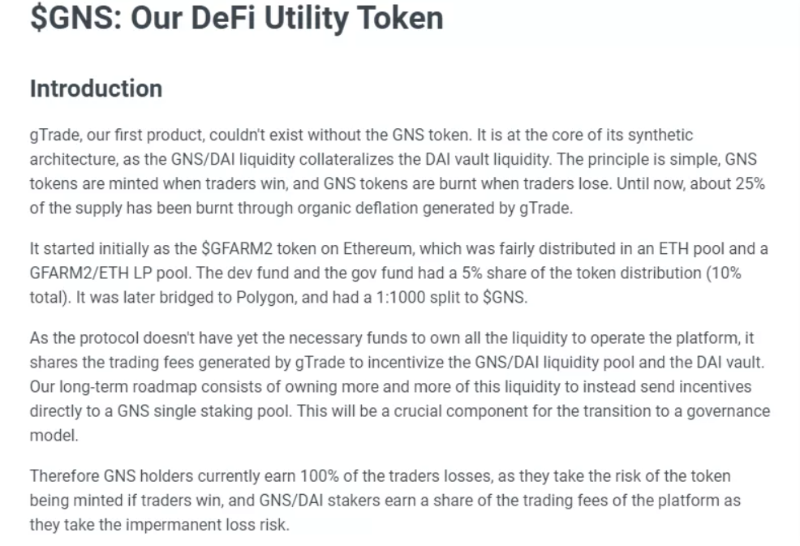
gTrade passes this risk on to GNS holders (the platform token). gTrade buys GNS from the market and burns it when trader PNL is negative. In the opposite case, GNS is minted and sold to cover losses. Thus, GNS price may sometimes depend on gTrade traders’ PNL.
Tokens
I will use the following terms:
FDV – Fully Diluted Valuation
P/E – Price-to-Earnings Ratio
The P/E ratio is calculated by dividing FDV by annualized protocol revenue—the lower, the better. So, which DEX token should you buy? Let’s look at some figures:
-
dYdX – 9.4x P/E
-
GMX – 32.2x P/E
-
Gains Network – 12x P/E
Currently, only GMX distributes a portion of its revenue (33%) to token holders (which explains its high P/E), while the other two DEXes will begin doing so by the end of 2022.
Therefore, if you’re solely interested in maximizing long-term returns as a token holder, dYdX might be the most attractive perpetual DEX token to buy right now. However, keep in mind that holder income depends on these platforms’ trading volumes, which may fluctuate over time.
User Experience
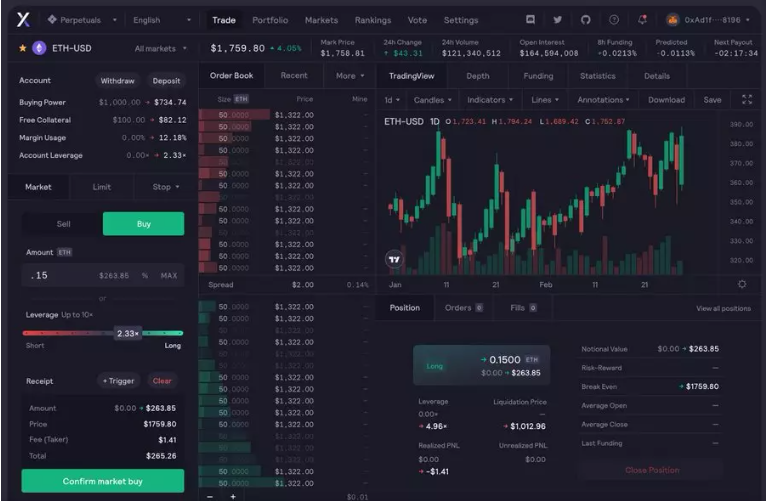
dYdX: Among all three DEXs, it has the best user interface. Moreover, traders can earn trading rewards in dYdX tokens when using the platform, and they can even participate in competitions to win substantial cash and NFT prizes.
GMX: Its interface is very clean. A major advantage for traders is the absence of funding fees, and it also enables zero-slippage trades. An interesting feature of GMX is that you can receive discounts during trading by entering a referral code.
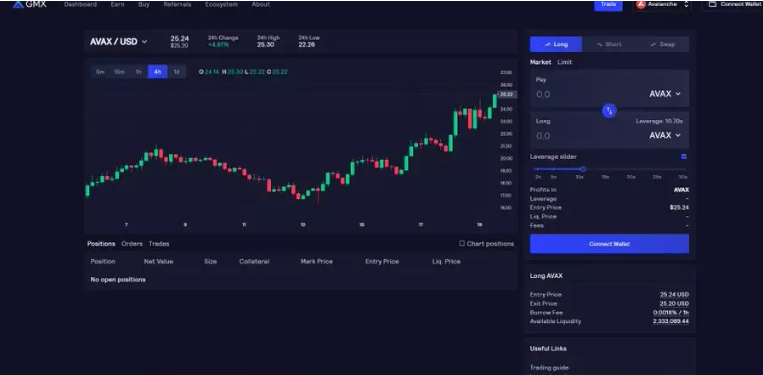
gTrade: I think the platform’s user interface is average. However, gTrade is the only perpetual DEX that allows traders to trade not only cryptocurrencies but also forex and stocks. The team recently released a project roadmap, which is highly ambitious.
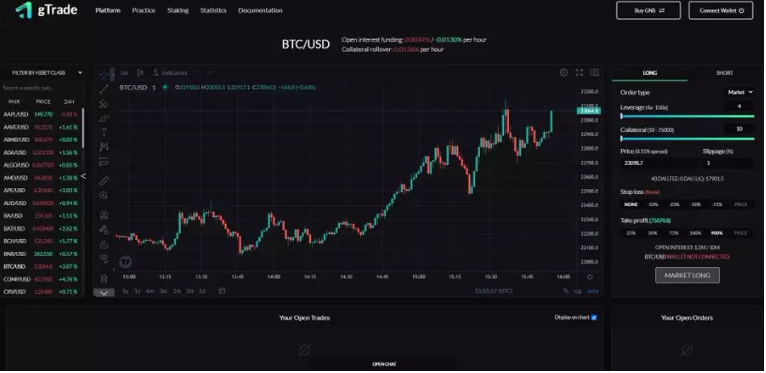
It’s still too early to say which perpetual DEX will capture the largest trading volume in the long run, but I hope you now understand the respective strengths and weaknesses of these platforms.
Join TechFlow official community to stay tuned
Telegram:https://t.me/TechFlowDaily
X (Twitter):https://x.com/TechFlowPost
X (Twitter) EN:https://x.com/BlockFlow_News
 The DeFi Investor






