








WEB3 Mastery Guide: How to Grow Faster in the Crypto World?
TechFlow Selected TechFlow Selected
WEB3 Mastery Guide: How to Grow Faster in the Crypto World?
Crypto is chaotic, but amid the chaos, people should follow certain principles in pursuit of success.
 Navigating Web3 tides with focused insights
Author: Brother Bing, Ecosystem @ ConsenSys
Translated and published by TechFlow with permission from Brother Bing
Most of Brother Bing’s readers know him as Decrypt’s China-focused crypto columnist. Writing is more of a personal passion than a full-time job. Aside from an 18-month break to earn a master's degree at Harvard, I’ve been working full-time in business development since 2017, learning a lot—sometimes the hard way—about this industry (and about myself). What follows are my tips for succeeding, whether you're already in the space or looking to enter it.
Crypto is chaotic, but within that chaos, one should follow certain principles to achieve success.
Lesson One: Think Like a VC
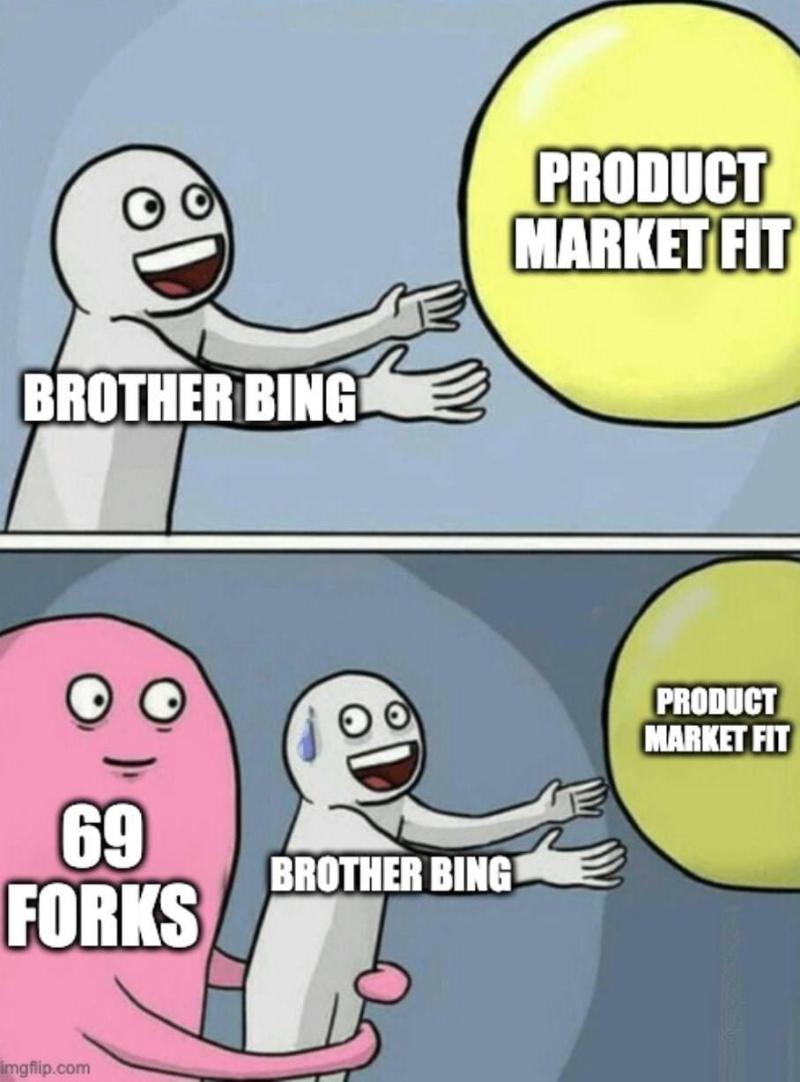
In the world of Web3, competition is especially intense. Superior technology, novel crypto-economic incentives, or macroeconomic shifts can easily overturn current winners.
Operators must remain vigilant about who is doing what across the ecosystem (the popular founder mantra “our biggest competitor is ourselves” isn’t sufficient) while also focusing on driving adoption of their own products.
This is where we can learn something from our investor friends.

Identify those consistently ahead of the curve and delivering valuable functionality
Investors bet on people—and so should operators. Crypto is a melting pot where everyone forms synergies with others in the space. Protocols should align with centralized exchanges; cross-chain bridges should befriend liquidity providers.
Every wallet needs fiat partners. When faced with so many options, who do you choose to build deep relationships with?
At the core, it’s still about people. Find teams with innovation and execution capability, and avoid distractions and drama. More importantly, align with those who share your vision. That’s exactly what investors do.
Observe emerging trends and assess whether they’ll last
My own painful lesson came in the form of so-called "Maximal Extractable Value" (MEV). Many of us first heard of MEV and “explorers” during DeFi Summer in 2020.
To Brother Bing, MEV seemed too technical and complex to immediately grasp its relevance, let alone productize it. But some dug deep, took action immediately, and began offering services (e.g., Mempool Explorer and partnerships with leading MEV projects like Flashbots).
Now two years later, it’s clear that MEV not only stayed—it will have long-term, lasting impacts across the entire crypto space. Getting early exposure to new ideas and applying them offers a massive competitive advantage. And it may be the only way to avoid the innovator’s dilemma.
This is another thing we can learn from our investor friends.
Lesson Two: Execute Like a Community Member
Perhaps only in crypto does a single Discord message separate customers from a billion-dollar company’s founding team. This community-driven ethos is also evident at crypto conferences. At ETHDenver, I had many meaningful moments with founders I’d long admired from afar.
For operators, this community-first approach can manifest in several ways:
Be Your Customer’s Best Therapist
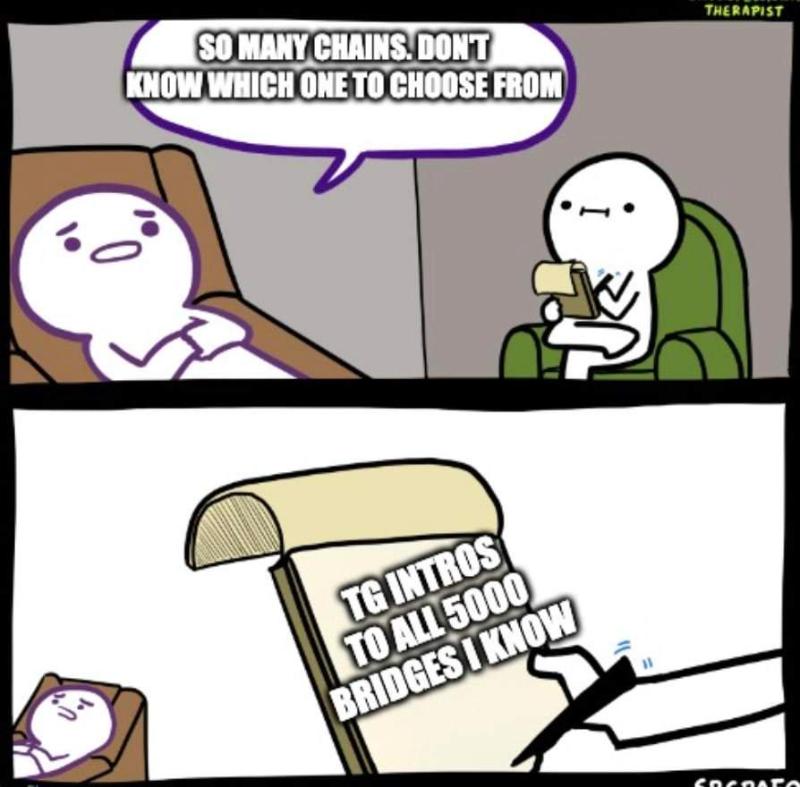
As podcast host Cobie put it well, “Attention as currency in token economies will become more explicit and direct.” But more importantly, even as countless copycats emerge claiming better scalability, interoperability, and liquidity, how can operators ensure attention stays on their product?
The solution is building close relationships with five to ten key customers. Don’t just show up when they encounter product issues—check in when they face growth challenges. Ultimately, their growth is your growth. Being there early builds trust and loyalty, enabling them to grow alongside you.
Cultivate a 'maxi' community through game-like skin systems
Brother Bing believes in maximalism!
But in crypto’s attention-scarce world, having a community of “maxis” is equivalent to building a channel of evangelists. Apostles are the enduring moat every great product needs. But does this mean handing out tokens to everyone saying “gm” daily in your Discord? No. Quite the opposite—operators must instill a degree of accountability among community members.
Accountability in community-building means vulnerability, openness, and commitment. Operators should invite ambassadors to product demos, incentivize critical feedback, and generously reward other value-adding activities. The key mechanism here is frequent, authentic communication.
Lesson Three: Build a 'Full-Stack' Network
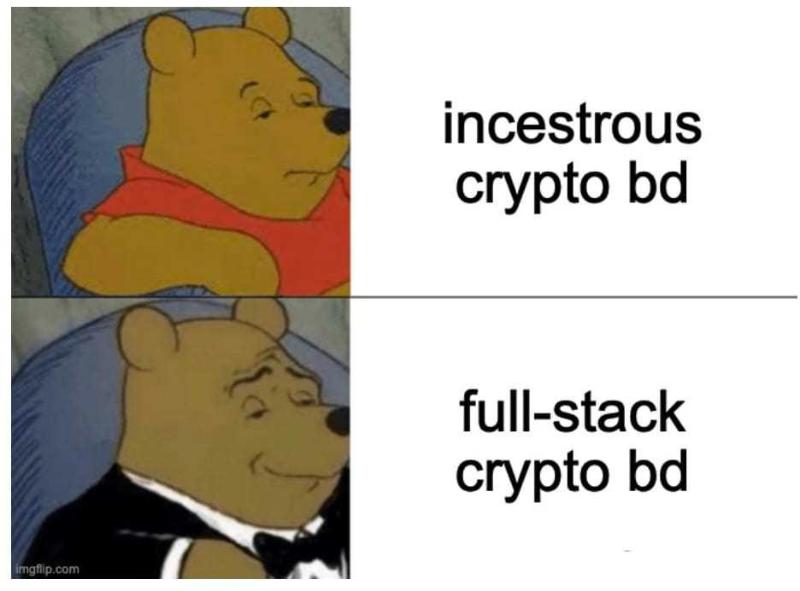
Crypto can be a small world. We love standing on each other’s shoulders. We hire each other’s people. We work with the same group of VCs. That’s because native crypto networks are powerful—they’re where early trends are detected.
But to truly build a product that captures the next billion users, operators must cultivate a network that includes crypto-native builders, Web2 builders, retail investors, retail consumers, whales, dolphins, and even shrimps. I call this a “full-stack network,” because each layer offers a unique perspective on where your product stands and where it’s headed.
Ask yourself: Who’s missing from your network?
Falling into an information bubble may be the worst trap for an operator. A project might find initial product-market fit in retail, but moving up into institutional layers could be the only path to scale. In such cases, operators should have access to an institutional client network. Marketing is another pain point for many technically-oriented projects. To craft a strong narrative and community, operators need to work closely with influencers and thought leaders—not outsource everything to expensive marketing agencies.
Seek opposing views.
Crypto rewards contrarians—but that doesn’t mean operators must change their minds every time a new narrative emerges. Connecting with those who disagree is the most effective way to challenge your assumptions—and pivot if necessary.
For example, in 2020, the dominant protocol narrative centered on Ethereum and EVM-compatible chains. Views favoring non-EVM networks were considered contrarian and widely ignored. Yet as Ethereum became congested by late 2020, Solana took off, ushering in the multi-chain narrative. Operators could either ignore Solana’s rise or actively engage those building in the Solana ecosystem to understand their choices. By observing people with different beliefs, operators can re-examine their own assumptions.
At the end of the day, crypto business development is still business development—it’s a messy, nascent industry. The goal of BD in any field is to nurture and accelerate product growth. With that foundation, you can help great crypto projects reach the next billion users.
Join TechFlow official community to stay tuned
Telegram:https://t.me/TechFlowDaily
X (Twitter):https://x.com/TechFlowPost
X (Twitter) EN:https://x.com/BlockFlow_News






