








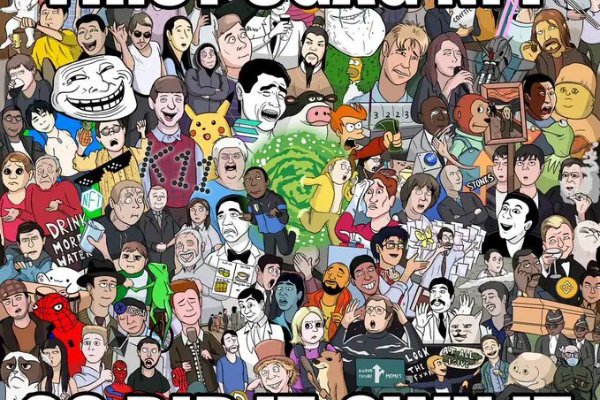
Delphi Digital researcher: Culture is a meme, and so are NFTs
TechFlow Selected TechFlow Selected
Delphi Digital researcher: Culture is a meme, and so are NFTs
NFTs are a bridge between cultural and monetary value. As digital, physical representations of a set of values and beliefs, they can drive powerful cultural narratives.
 Navigating Web3 tides with focused insights
Original title: Right-Click Save #2: Culture is a meme. So are NFTs.
Original author: 0xPrismatic, Delphi Digital Research
Translation: Alex, TechFlow

Evaluating NFTs sounds simple but is actually one of the most challenging tasks—it involves many intangible aspects like culture and aesthetics. Doing it well requires a combination of deep vertical knowledge, experience, and sharp intuition. Personally, I believe that in the future metaverse (where everything is an NFT), NFT appraisal will become an influential new profession. They will be the digital counterparts of today’s real estate or art appraisers. I admire teams like Upshot who are tackling pricing with unique approaches, although my view is that purely data-driven methods aren't enough.
We know all valuation metrics are memes. Monetary value isn’t physics: therefore, it can’t be objectively quantified with certainty, unlike today’s air temperature (32°C, Singapore is sweltering) or a car’s speed. As humans, we assign value to things we think matter—or things we think others think matter. If enough people believe in it, it becomes real.
Consider this:
Bitcoin Stock-to-Flow model? Meme.
Stock P/E ratio? Meme.
Gold? Meme.
Interestingly, memes are also how we transmit culture. NFTs represent digital culture. Following this logic, I believe NFTs are the bridge between cultural and monetary value.
When thinking about NFTs, culture is paramount. As a community, we decide what has cultural value and what doesn’t—voting 24/7 with our Metamask wallets and Twitter accounts. But what is culture? I’m not a sociologist, so here’s a very simple take:
Culture is broad, encompassing shared experiences, understandings, and beliefs within a society. Culture is powerful because it gives us a sense of purpose and collective identity. Some sociologists divide culture into material and non-material culture. Material culture consists of tangible objects shaped by intangible culture—such as beliefs and values.
In this light, we can view NFTs as digital, material representations of a set of values and beliefs—ones capable of driving powerful cultural narratives. Narratives attract those who resonate with them.
Some simple examples of cultural narratives represented by NFTs (in my personal view):
CryptoPunks: Wealthy, knowledgeable early adopters.
XCOPY art: Underground, OG crypto culture.
Art Blocks Curated: Appreciators of sophisticated contemporary art.
Four main factors at play around culture:
1) Brand value
2) Historical value
3) Imitation value
4) Conspicuous value
These aren’t the only factors influencing culture. Yet they are significant ones that can drive strong fundamental narratives, worth deep consideration.
1. Brand Value
What brand does the NFT represent? Usually, it's inextricably linked to the creator’s brand—the artist or organization. So let’s start here and draw conclusions.
The cultural value of work by famous artists (e.g., Damien Hirst, Tyler Hobbs) far exceeds that of new artists—because the artist’s brand is imbued into the artwork. Hence, their prices naturally command much higher premiums.
A great artist’s brand is so powerful that even a “light” association with the artwork is enough to drastically increase its value. Damien Hirst is known for his “non-intervention method,” employing a team of studio assistants who paint/create physical artworks based on his concepts. He may add a few dots or his signature at the end. Pieces bearing his signature are considered “Hirsts” and sell for many times more than unsigned works. In the web3 world, any NFT smart contract “deployed by Hirst” would automatically carry his brand and instantly gain demand.
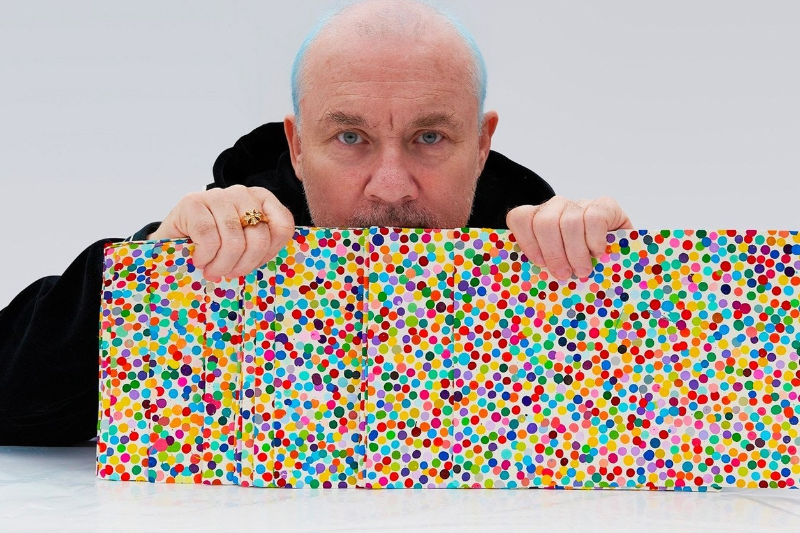
Damien Hirst’s “Currency”—a series of 10,000 NFTs, each currently priced at $20,000. Spoiler: He didn’t personally paint every dot.
The takeaway here is that contemporary digital artists who keep producing great work—and inject just the right dose of performance—will organically grow their personal brands. This, in turn, increases the overall cultural value of their body of work and drives demand. Collecting works from talented, rising artists and holding long-term as cultural value accumulates can be a brilliant investment thesis. Just ask those who’ve been buying and holding XCOPY and Hackatao pieces since 2017—they’re now worth millions. We’re all searching for the Picasso of crypto art, but he’ll only be recognized in hindsight.
On one hand, established commercial brands and organizations (like Disney, McDonald’s, Budweiser) have begun entering NFTs. This is straightforward—NFTs rely on existing brand equity. Disney is fun and magical, McDonald’s is fast/cheap—these associations will reflect in their NFTs too.

Anyone heard of the McRib NFT?
On the other hand, brand value can grow organically from zero. This is especially common among crypto-native projects. Here, emerging brands are tightly tied to their communities and what they stand for.
Six months ago, four anonymous individuals launched the Bored Ape Yacht Club. Today, it has grown into web3’s representative of streetwear culture, even being compared to Supreme—a 27-year-old, multi-billion-dollar brand. They offer exclusive merchandise available only to members, which is highly coveted and proudly worn. In fact, this week’s big news was their upcoming collaboration with Adidas.
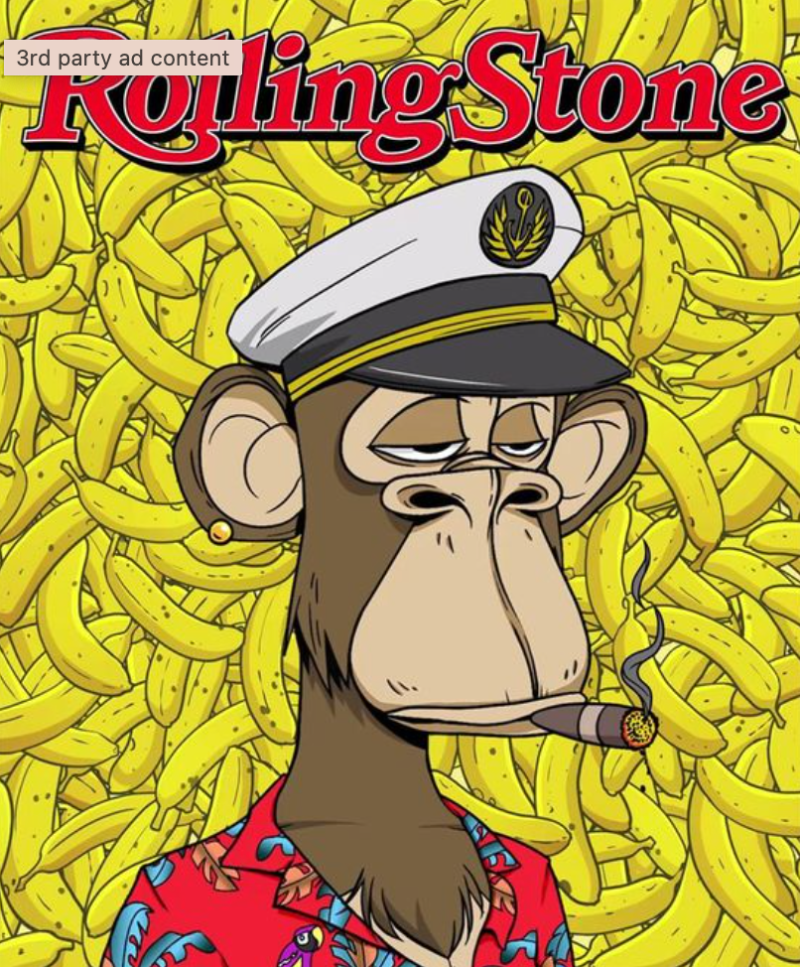
Bored Apes on Rolling Stone’s digital cover
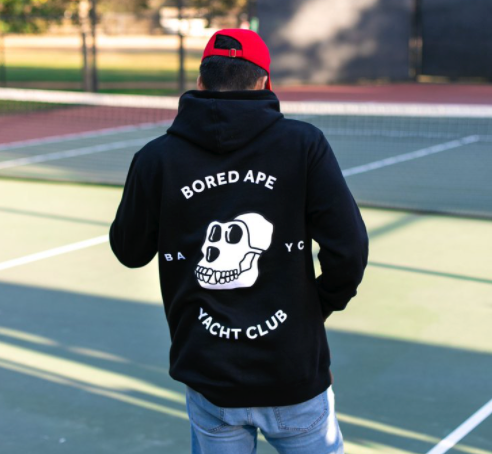
BAYC hoodie—so you can easily spot fellow apes outside the metaverse
2. Historical Value
Within the context of NFTs, historical value has two components:
1. Timestamp: How long ago was the NFT minted/created?
Today, it’s clear the market places a premium on older block NFTs. Partly due to the Lindy effect, partly due to scarcity. NFTs from 2017 are seen as more valuable simply because there were so few back then. There are NFT “archaeologists” (like Adam McBride) sifting through thousands of old smart contracts from years past to unearth forgotten projects. It’s not a bad job—at least you don’t get sand in your pants like real archaeologists.
A great example is the CryptoArte project—a series of 9,895 generative art pieces built on Ethereum. First minted in 2018 and only completed in 2021. CryptoArte NFTs minted in 2018 now have a floor price of 3 ETH each, compared to recently minted ones (0.14 ETH) in 2021—20x higher when controlling for relative rarity.
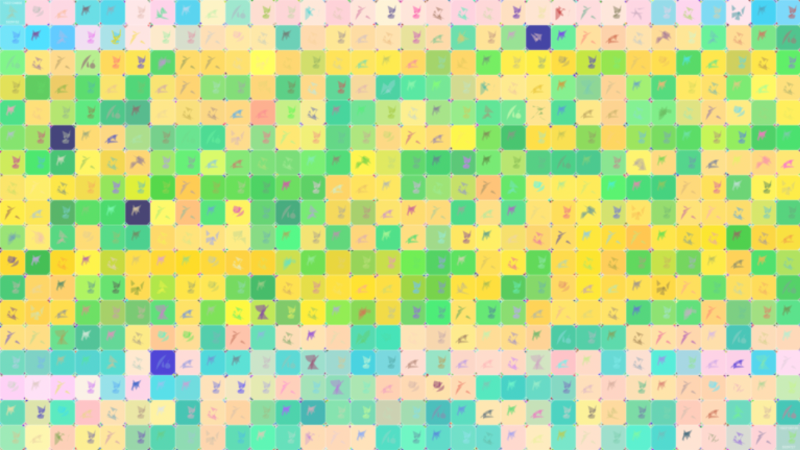
CryptoArte #9252: Each square represents an Ethereum blockchain block, from block number 5329152 to 532972.
2. Is the NFT the first of its kind, or tied to a historically significant event?
Crypto is a young, high-growth industry with barely over a decade of history. We’re still in the early days. Many things shaping crypto today—and in the near future—will be seen as important, scarce historical artifacts in 5, 10, or 20 years. Like museum relics, they’ll be sought after by wealthy, sophisticated collectors. Noted collector Vincent Van Dough put it perfectly on Twitter when discussing one of his purchases:
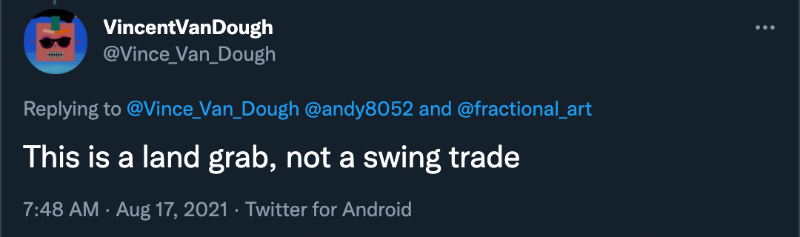
Example 1:
At risk of offending many collectors, I’d say Autoglyphs look fairly primitive. If you told your normie friend you paid six figures for this JPEG, they’d think you’re crazy. Their high value (225 ETH / $1M at writing) comes entirely from being recognized as the first fully on-chain generated art NFT—thus prized by wealthy crypto history collectors.
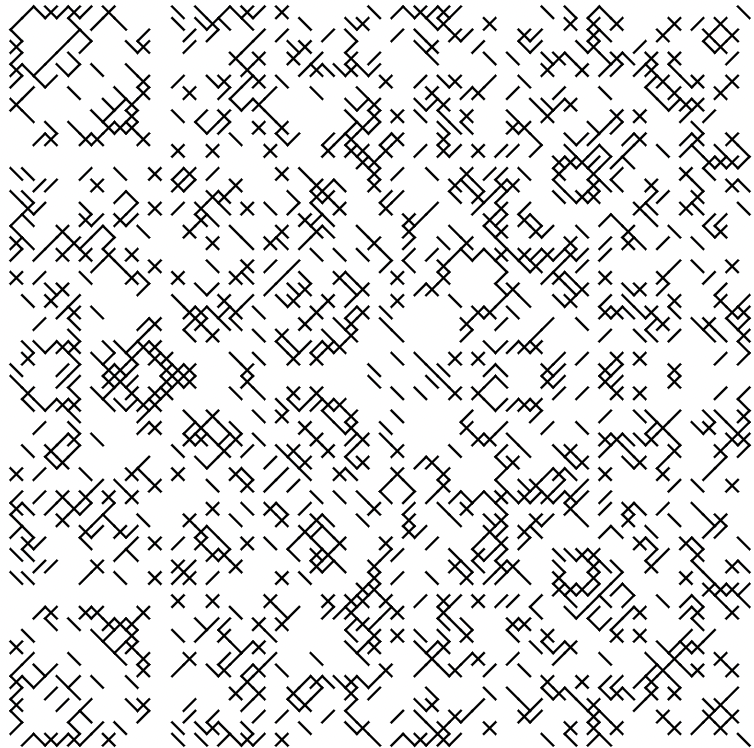
Autoglyph #403
Example 2:
Kabosu is a Shiba Inu dog who accidentally became the face of arguably the world’s most famous meme—Doge—an incredibly compelling story worth reading. She represents 10 years of meme culture—absurd, illogical, and hilarious. The original NFT minted by her Japanese owner is now worth hundreds of millions. It was bought by PleasrDAO and fractionalized into $DOG tokens, allowing thousands to own a piece of this cultural icon.

3. Imitation Value
The desire to imitate is a fundamental part of human nature. Our desires aren’t intrinsic—they arise from seeing others desire something. This spawns our own desire. My friends all have Rolexes, so I want one too. As Arthur Hayes said, this process is reflexive. Once we own something, our insecurities lead us to proclaim how great it is—creating a self-fulfilling prophecy.
Much traditional advertising exploits this instinct (unfortunately, we can’t switch it off), hence the use of celebrities or influencers pitching products. One of the most successful examples is the legendary partnership between Michael Jordan and Nike. Billions of dollars worth of Air Jordans have been sold to MJ fans.
Since the beginning of this year, increasing mainstream celebrities have joined the NFT space and publicly adopted NFTs as their social media profile pictures. Rappers seem to favor CryptoPunks (Jay-Z, Snoop Dogg), while athletes lean toward edgier choices (Stephen Curry → Bored Ape, Shaq → Creatures). After each “celebrity endorsement,” there’s often a wave of NFT buying—both from speculators and fans.
Looking at who the major NFT holders are (ENS with human-readable wallet addresses helps us infer this), and whether they have a large downstream fanbase, is often insightful. Monkey see, monkey do.
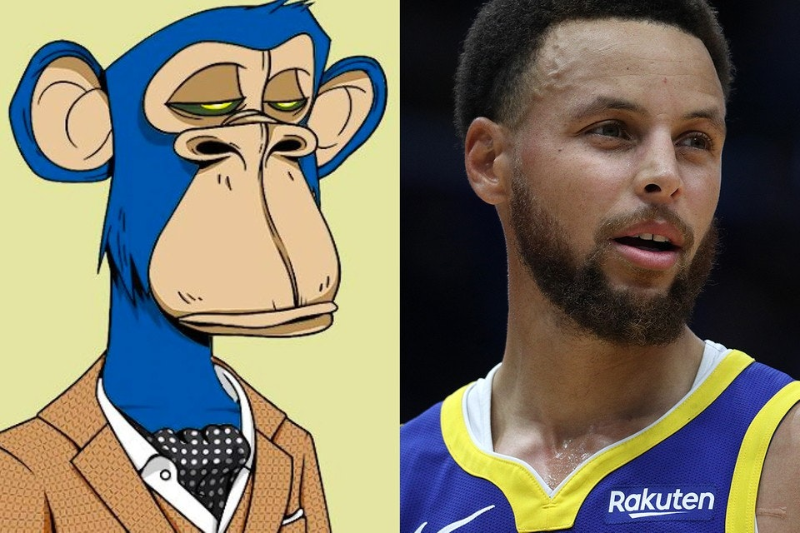
Left: Bored Ape. Right: Stephen Curry, NBA legend. Source: Hypebeast
4. Conspicuous Value
I debated whether to include this under “culture,” but I believe it deserves a place here.
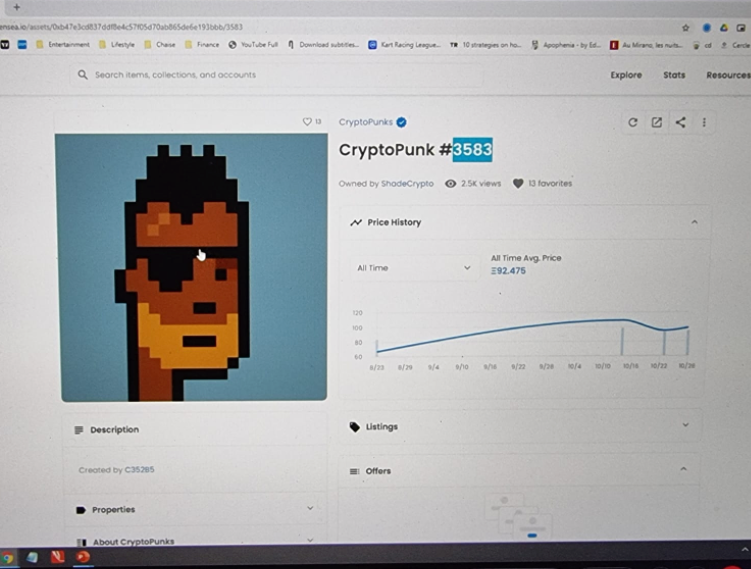
This week, a close friend and former classmate in banking sent me a screenshot of CryptoPunk #3583, the one with a black eye patch, saying: “$400K for this... I just don’t get it.” I explained it’s the new digital flex—owning it signals you’re successful. Plus, Chinese billionaires are buying them. He immediately understood.
Conspicuous consumption is how we humans send social signals—akin to peacocks’ flashy feathers or cats’ mating calls. That’s why we spend $50K on a Rolex just to squint at the dial, while a $50 Casio tells time more easily. Outside the metaverse, owning a Rolex signals to the world that you’ve made it (to some extent), and have surplus energy and wealth to spare.
Arthur Hayes (again) defines conspicuous goods as:
1) Inherently worthless
2) Scarce
3) Grant membership to an exclusive club
As we enter a post-pandemic era, NFTs have the potential to become the ultimate status symbol in a world where much of our lives are lived online, and increasingly so. If I wear my Rolex everywhere for a month, maybe a hundred people “get the privilege” of seeing this timepiece art. That’s not very efficient.
Suppose I own a CryptoPunk. Now I can flex to 1,000 people—including distant friends and long-lost relatives—who see my social profile, even if I never speak to them directly. Now I can even flex while asleep. It’s a socially acceptable, non-irritating way to show how rich I am—my ability to spend $500K on a pixelated image (roughly $1,000 per pixel). It’s better conspicuous consumption because anyone can look up Punk prices online and instantly know their worth, whereas finding the price of a specific Rolex is far harder.
Today, CryptoPunks, Bored Apes, and Fidenzas hold the highest conspicuous value in the NFT world. Based on ownership quantity, holders imply net worth of at least 7–8 digits. Often it’s not just wealth—owning Fidenzas also signals good taste and artistic discernment.
In Summary
Cultural narratives are extremely powerful. I’ve proposed a more targeted way to think about culture so we can better identify NFTs with high or growing cultural value.
Simply put:
Cultural value = Brand value + Historical significance + Imitation desire + Conspicuous value (+ others).
But remember, ultimately, all valuations are just memes.
Summary for savvy investors/collectors/creators
Brand Value Indicators
1) Number and quality of Twitter followers on primary brand accounts
2) Endorsements from experts and elites in the field (e.g., Twitter mentions)
3) Strength of original brand (if mainstream)
4) Total number of brand partnerships
5) Media mentions
6) Google Trends: Interest over time
Historical Value Indicators
1) Time elapsed since mint date
2) Is it a first-of-its-kind or tied to a major event/milestone?
Imitation Value Indicators
1) How many celebrities/influencers are active owners of the NFT? What’s their estimated influence?
2) Do we expect other celebrities to buy in soon?
3) Number of unique owners (“real” people—the more, the greater the imitation effect)
Conspicuous Value Indicators
1) Is the item scarce?
2) Does owning it grant access to an exclusive community?
3) Is the item otherwise useless? (e.g., Ether Rocks)
Final Thought
There’s been much debate over whether right-clicking to save NFTs is ethical. Some question how NFTs can retain value if they’re so easily “stolen,” and whether we should prevent this. My view is that this actually benefits NFTs—the more people who can see, appreciate, and be inspired by the art, the greater the cultural value it generates for its cryptographically verified owner.
Join TechFlow official community to stay tuned
Telegram:https://t.me/TechFlowDaily
X (Twitter):https://x.com/TechFlowPost
X (Twitter) EN:https://x.com/BlockFlow_News
 Delphi Digital






