








Circle Rashly Freezes 16 Corporate Wallets—Who Is Compliance Really For?
TechFlow Selected TechFlow Selected
Circle Rashly Freezes 16 Corporate Wallets—Who Is Compliance Really For?
Circle is accountable only to power, not to users?
 Navigating Web3 tides with focused insights
By: Strident Citizen
Translated by: Chopper, Foresight News
On March 23, Circle froze the USDC balances in the hot wallets of 16 cryptocurrency businesses.
These addresses were neither hackers, sanctioned entities, nor North Korean state institutions. They were legitimate, operating businesses—processing transactions and serving users.
On-chain analyst ZachXBT exposed this incident. After directly communicating with one of the affected companies, he learned the freeze was linked to an ongoing U.S. civil case—but the case details remain undisclosed. Reviewing on-chain activity, he concluded that even basic due diligence would clearly identify these as operational wallets. Platforms he named in Telegram included: Ranj.gg, Clank.gg, Whale.gg, Goated.com, 500 Casino, Pepperstone, FXPro, HeroFx, and AMarkets—covering exchanges, casinos, and forex platforms with no apparent interconnection.
The business operations of these enterprises have been directly impacted—yet they were not fully informed of the underlying reasons.
ZachXBT’s assessment cut straight to the core: “You can’t protect users when things truly go wrong—but you rush to comply with a deeply flawed directive.”
This statement captures the essence of the event. Yet to understand why it matters so profoundly, you must grasp the full timeline.
What Exactly Is the Freeze Function?
Before unpacking the sequence of events, it’s essential to clarify the mechanism.
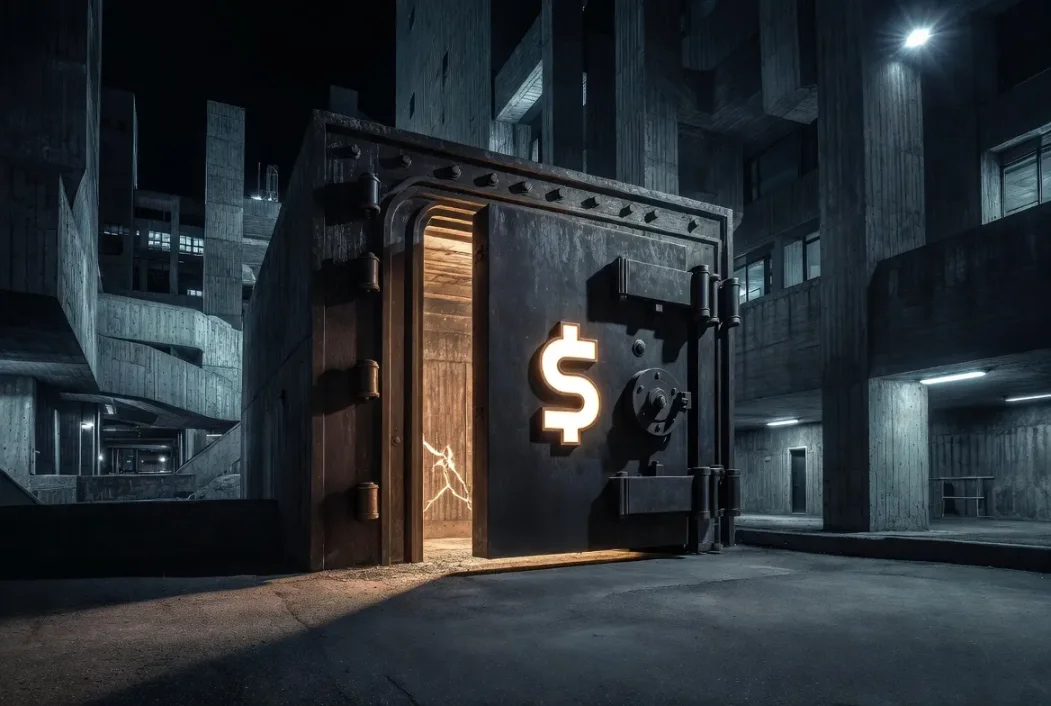
USDC is fundamentally different from Bitcoin or Ethereum. It is a token built atop public blockchains, with a built-in blacklist function embedded in its smart contract. Circle holds the administrator key. Once an address is added to the blacklist, it becomes unable to send or receive USDC. The balance remains visible but permanently unusable—until Circle removes the address from the list.
This process involves no appeal period, no automatic notification, and no minimum threshold. Circle may freeze $1—or $100 million. It may act upon government requests, court orders, internal assessments, or any reason it deems “sufficient.” Its Terms of Service grant it sweeping discretionary authority.
This architecture has never been secret—it was a deliberate design choice. Circle built it this way—and even markets it as a feature. Its messaging to regulators and institutional clients consistently emphasizes: “We are a responsible stablecoin; we possess control capabilities; we can act when necessary.”
The freeze function has existed since USDC’s launch, and its smart contract code is publicly viewable. Cryptocurrency researchers flagged this as a centralization risk from day one. Circle and its institutional backers always responded: “This power exists to protect the ecosystem—not to harm ordinary users.”
Five years later, a consistent pattern across multiple incidents tells a very different story.
Only after repeated naming by ZachXBT did people finally begin asking aloud: Who issued the request? And who decided that a deeply flawed application warranted freezing 16 businesses—all within a single afternoon?
This Is Not the First Time
ZachXBT has leveled similar criticisms against Circle for over a year—and each incident follows the exact same pattern.
In February 2025, Bybit suffered a $1.5 billion hack orchestrated by North Korea’s Lazarus Group. On-chain traces clearly showed stolen USDC rapidly flowing into specific addresses. ZachXBT publicly exposed those addresses and directly called on Jeremy Allaire, Circle’s co-founder, to act. Other platforms responded swiftly: ThorChain blacklisted the addresses; FixedFloat froze stablecoins; CoinEx and Bitget followed suit. Circle alone remained inactive—allowing funds to continue moving while North Korean hackers laundered stolen assets.
Months later, ZachXBT delivered even more troubling findings.
In July 2025, his investigation revealed that North Korean IT workers primarily use USDC—not USDT, not ETH—as their payment channel. He cited transactions totaling tens of millions of dollars and stated plainly: “They tout compliance while failing entirely to detect or freeze such activity.”
Circle issued no public response. That same month, Circle formally applied for a U.S. national bank charter.
In October 2025, Coinbase reported a theft. Circle promptly froze four EVM addresses, claiming ties to the stolen funds. ZachXBT verified that those wallets held only DAI—not USDC. Circle had frozen the wrong assets in the wrong wallets. He called it “one of the most meaningless freezes I’ve ever seen.”
In January 2026, SwapNet users lost $3 million in USDC. The stolen USDC remained at its original Base chain address for over eight hours—yet Circle intervened not at all. ZachXBT labeled Circle a “bad actor” and posed a heavy question to the developer community: “As a centralized stablecoin issuer that never takes responsibility for users—why should anyone build applications on USDC?”
Then came the present incident: 16 wallets engaged in normal commercial operations, frozen due to an undisclosed civil case. Any analyst could determine—within minutes using basic tools—that these were active business infrastructure.
Five incidents. One identical pattern.
The Compliance System Only Runs in One Direction
The clearest way to understand Circle’s real behavior is to compare when it acts swiftly versus when it drags its feet.
- When the U.S. Treasury sanctioned Tornado Cash in 2022, Circle froze USDC in over 75,000 related addresses within hours—without hesitation.
- In May 2025, following a court order in the LIBRA meme coin case, Circle swiftly froze approximately $57 million worth of USDC.
- In this latest incident—a civil case application ZachXBT described as “deeply flawed”—Circle again acted decisively, freezing 16 commercial wallets.
On the other hand:
For months, North Korean state-sponsored hackers openly laundered money through USDC—with clear on-chain evidence—and Circle remained inert until pressured publicly by researchers.
$3 million in stolen USDC sat unmoved at its original address for eight hours—yet Circle acted only after public outcry forced its hand.
The distinction lies not in severity. The Bybit hack totaled $1.5 billion; North Korean laundering involved tens of millions—neither trivial. The sole difference is: Who issued the demand? Circle responds instantly to state power—but does virtually nothing proactively to aid victims awaiting help.

According to AMLBot data, Circle has blacklisted roughly 372 addresses since launching USDC. In contrast, Tether—which institutional circles routinely criticize as “opaque”—has frozen assets across more than 2,500 addresses, totaling approximately $1.6 billion, in cooperation with over 275 law enforcement agencies. Circle’s blacklist is smaller, its responsiveness to victim-related incidents slower—and its communications team frequently emphasizes compliance.
The comparison is deeply awkward: For years, the industry has self-deceived itself—Tether is the black box; Circle is the paragon of transparency. Yet the data refutes that narrative.
Existing Legislation Fails to Solve the Problem
I have closely examined the two primary stablecoin bills—and neither resolves this issue.
The GENIUS Act requires all stablecoin issuers to possess technical capabilities to legally seize, freeze, or destroy tokens. Circle already possessed these capabilities before the bill passed. What the Act explicitly mandates is: compliance with lawful government directives. But it imposes no reciprocal obligation—to act when users or businesses suffer theft or erroneous freezes.
The CLARITY Act is marketed as a breakthrough market-structure bill for crypto regulation. After its latest legislative text surfaced, market reaction was intense: the proposal bans platforms from offering yield directly or indirectly on stablecoins. Circle’s stock plunged nearly 18% in a single day—investors immediately repriced its business model.
More critically: The CLARITY Act likewise offers no redress mechanism for users or businesses subjected to erroneous freezes. It specifies only what regulators may do—not what Circle must do when 16 operational wallets are frozen based on a demonstrably flawed application.
Both bills tilt power toward regulated issuers and their government partners—none offer protections for ordinary users.
Compliance—Compliance With Whom?
USDC is not a neutral financial instrument.
It is a U.S. dollar-pegged token running on public blockchains, governed by a private company—whose decisions, in turn, align with U.S. regulatory expectations. This is not inherently wrong. There is reasonable logic behind compliant stablecoins with freeze functionality: recovering stolen funds, freezing sanctioned entities, enforcing court orders—these are genuinely useful infrastructural capabilities.
But people must recognize its nature—not accept its marketing slogans.
Its messaging touts transparency, full reserves, and compliance. What it deliberately omits is that compliance runs in one direction only: toward government.
Circle acts swiftly because power demands it; Circle acts slowly, misidentifies targets, or freezes incorrect assets—and offers no appeal channel.
ZachXBT is not anti-Circle. He has publicly stated he trusts Circle more than several other issuers. Precisely because of that trust, his sustained criticism carries greater weight—and cannot be easily dismissed. He is not a troll seeking to discredit; he is a researcher who relentlessly tracks funds, repeatedly uncovers Circle’s failure to act when victims need help—and dares to speak out publicly.
He does not allege corruption. He states plainly: Circle possesses the tools and sees the problems—yet acts only when legally compelled. And when confronted with a deeply flawed civil-case directive, it executes without even first verifying on-chain data.
This is not a compliance failure—it is a policy choice. And this choice impacts every developer, enterprise, and user building ecosystems on USDC under the assumption that the issuer will bear responsibility in both directions.
The Answer Is Becoming Increasingly Clear
Each time ZachXBT posts about Circle, the same script repeats: community buzz, Circle silence or deflection, fading news coverage, and continued stock gains—at least until now.
On the chain where your USDC resides, Circle can freeze any address at any time—for any reason it deems sufficient.
The question is no longer whether it *can*. You’ve known that for years. The GENIUS Act merely codified that authority into explicit legal framework.
You should no longer ask technical questions—but political ones:
- To whom is Circle truly accountable?
- Who commands Circle when it takes such actions?
- Whose interests does it serve when it delays—or fails to act altogether?
Across five incidents, the answer remains consistent: rapid compliance with authority’s directives—and sluggish, absent, or outright erroneous responses to victims’ urgent pleas.
These 16 businesses—frozen over an unnamed civil case—are simply the latest node in that pattern. And it is almost certain they will not be the last.
Join TechFlow official community to stay tuned
Telegram:https://t.me/TechFlowDaily
X (Twitter):https://x.com/TechFlowPost
X (Twitter) EN:https://x.com/BlockFlow_News
 @stridentcitizen


