Q4 Mainnet Launch + Transparent Airdrop: How Warden Connects the Entire AI Economy Chain from Creation and Distribution to Monetization?
TechFlow Selected TechFlow Selected
Q4 Mainnet Launch + Transparent Airdrop: How Warden Connects the Entire AI Economy Chain from Creation and Distribution to Monetization?
Warden is demonstrating its potential as the next promising crypto AI across multiple dimensions.
 Navigating Web3 tides with focused insights
Author: TechFlow
Recently, the hottest topic in Crypto AI has been the trading battle among the world's top six AI models on Hyperliquid.
Some are copying trades from Deepseek, which has consistently delivered solid profits;
Others are taking contrarian positions, specifically betting against the worst-performing GPT-5.
At a time when AI has become an absolute focal point of humanity’s technological future, countless people believe the next generation of the internet will be powered by AI Agents. Various AI Agents will permeate every detail of our daily lives—from clothing and food to housing and transportation—and billions of dollars in economic activity will shift toward AI-driven agents.
Beneath the spectacle of these six AI models clashing lies a grand public test of "AI capability":
In the profit-driven world of crypto, people are passionately debating whether AI can generate profits in fast-changing markets. More broadly, they’re questioning whether AI can analyze, execute, solve problems, and even propose optimized solutions in real-world scenarios.
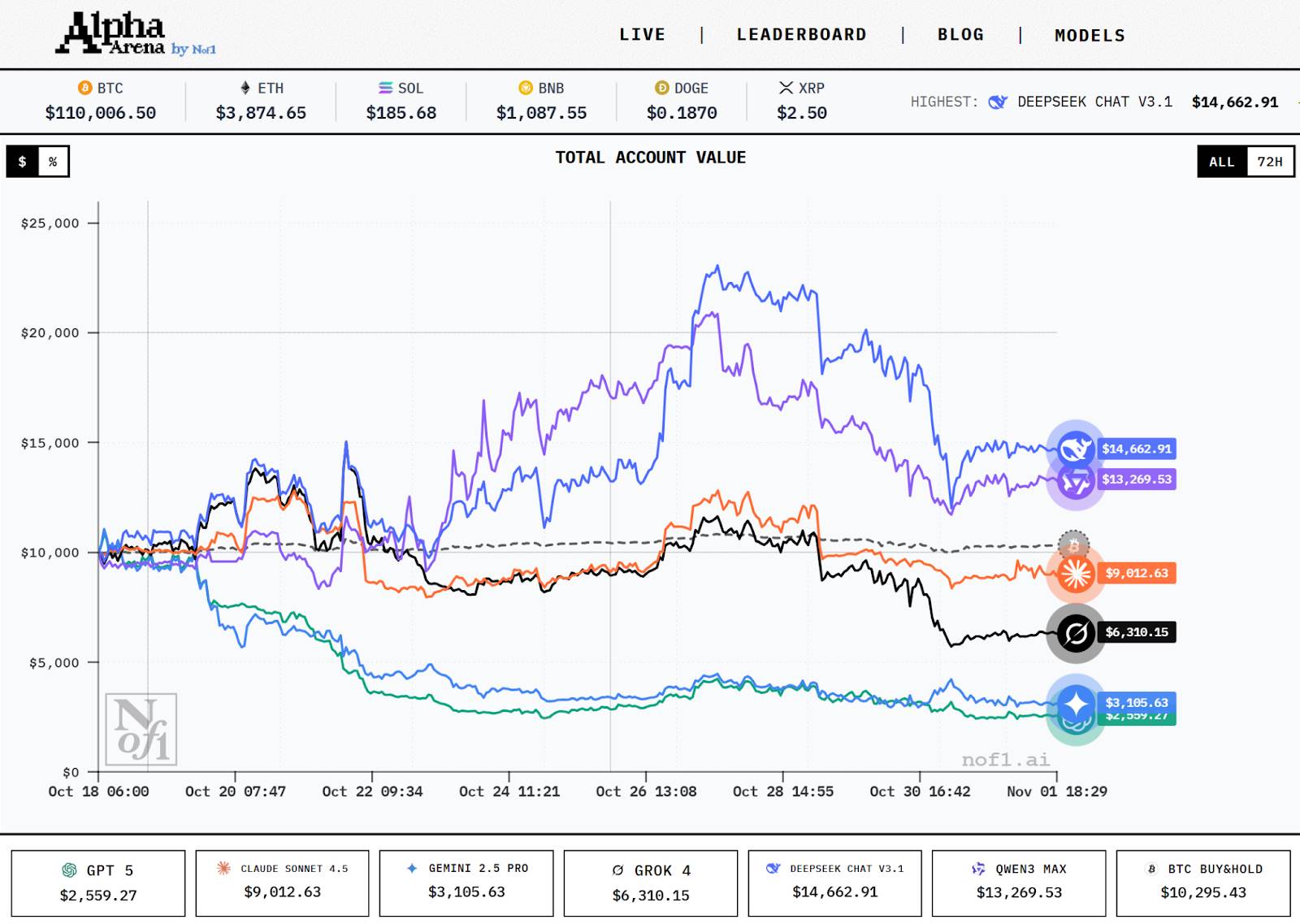
And as performance gaps among the six models continue to widen, more pressing questions emerge:
When a new AI Agent is created, how can it be better seen and used?
As the market continuously spawns new AI Agents, how can users more effectively select agents that best match their needs?
Furthermore, isolated agents will always have limitations—how can we break down barriers to enable more efficient multi-agent collaboration and solve increasingly complex problems?
The solution is no longer a single all-powerful AI, but a comprehensive AI ecosystem consisting of:
A robust economic model that incentivizes agent usage, creation, and rewards contributions;
An efficient matching platform that precisely connects large-scale users with diverse agents;
And a universal coordination mechanism that enables multi-agent collaboration, enhancing AI’s ability to solve complex problems.
This is Warden, the global Agent network—a full-stack ecosystem built exclusively for AI:
By offering end-to-end services covering agent creation, distribution, trust, and monetization, Warden transforms agents from mere tools into independent economic entities capable of operating, collaborating, creating value, and earning revenue. This allows users to cut through the noise and truly enjoy the real convenience brought by AI advancements.
Former Binance Execs Launch Startup, Achieve Millions of Users and Millions in Revenue Within Four Months
Unlike most Crypto AI projects still in the conceptual phase, Warden has achieved remarkable user and revenue metrics within less than four months since launching its testnet and Warden App Beta in June.
In terms of user numbers, Warden now boasts over 10 million total users, more than 1 million weekly active users (WAU), and over 350,000 daily active users (DAU);
In transaction activity, Warden has completed over 9 million agentic transactions, with 6 million occurring on Solana and 3 million on Base;
Most importantly, strong revenue performance is widely seen as a key indicator of long-term sustainability for crypto projects. Warden currently achieves an annualized user revenue of $1.7 million, with diversified income streams including agent transaction fees, cross-chain operation fees, AI feature subscriptions, and developer incentives.
Real user engagement and real revenue attract deeper interest in what sets Warden apart.
But understanding Warden’s team composition provides a clearer explanation for its impressive achievements.
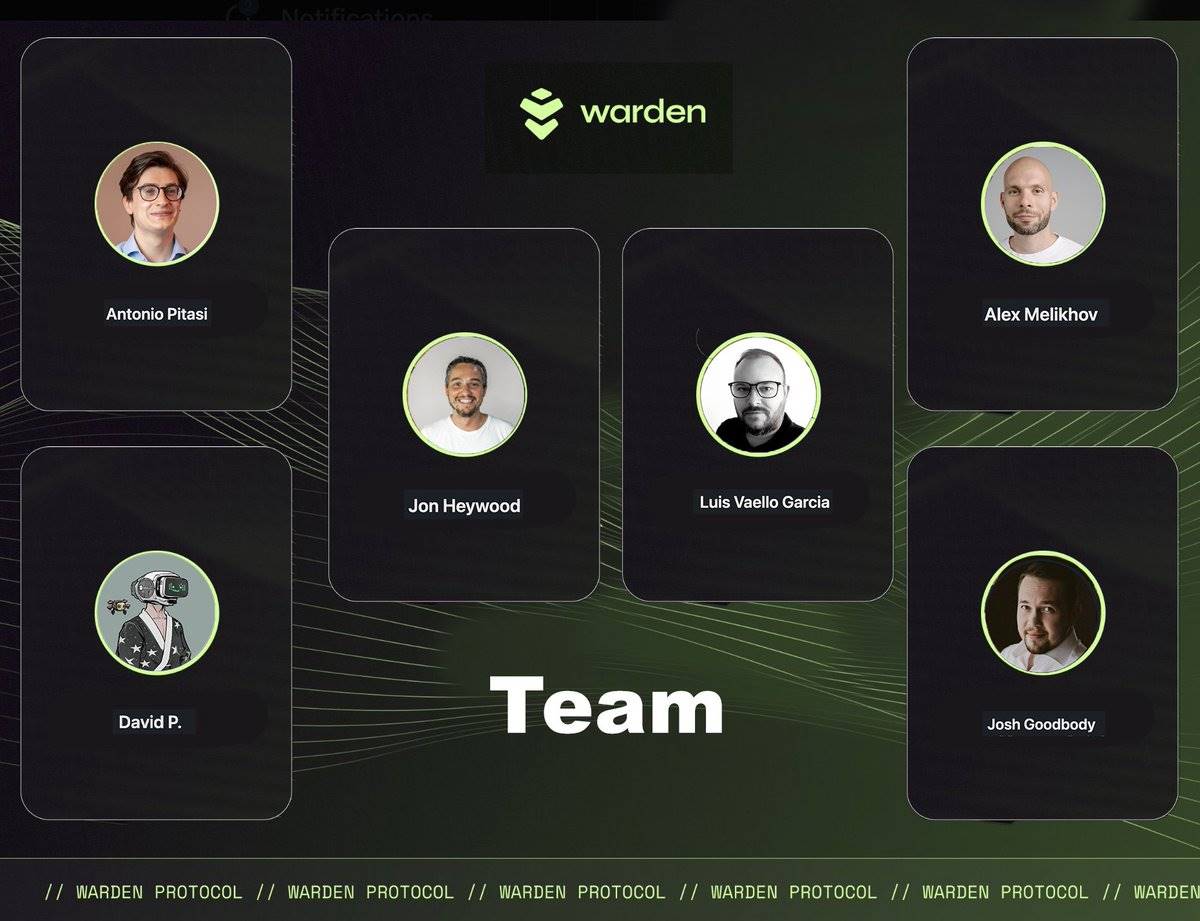
A closer look reveals that multiple core members come from leading Web2 and crypto companies, with significant experience in market growth.
David Pinger, co-founder of Warden, previously worked at Uber, gaining global operations expertise, and later joined Binance as Head of Product and Operations. His combined Web2 and Web3 background gives David a unique perspective on user pain points.
Luis Vaello serves as Warden’s Chief Operating Officer and formerly held the role of Regional Director at Binance, responsible for expanding into Latin American markets. His extensive experience in emerging markets equips Luis to drive Warden’s global adoption.
Additionally, Josh Goodbody, Executive Chairman of Warden, is known for his expertise in regulatory compliance and marketing. Previously Binance’s head of European markets, he will support Warden’s vision of a global agent network through compliant frameworks and distribution channels.
With multiple core team members deeply experienced in frontline market operations, Warden developed a unique insight into user growth and established a core strategy from day one: "Acquire users first, then open the platform."
First, use the Warden App to demonstrate how AI Agents enhance user experience and build a large, active user base. Then, open Warden Studio to allow developers to easily build and deploy on-chain or off-chain agents, enabling newly launched AI Agents to instantly reach millions of users—creating a closed-loop system that fosters a thriving global agent network.
Naturally, market success isn’t solely due to strategic planning—it also relies on strong product execution.
On the technical side, Warden has attracted top experts in AI, blockchain, and security:
Dr. Michele Dallachiesa is Warden’s Chief AI Officer and former member of Google and NASA. His deep expertise in machine learning and distributed AI systems directly powers Warden’s agent collaboration mechanisms.
Dr. Andrei Sambra, Warden’s CTO, is an MIT graduate and former core member of Nillion and W3C. The tech stack he leads makes Warden a model of modular blockchain design, advancing the monetization and governance of the agent economy.
Antonio Pitasi is Warden’s Chief Blockchain Engineer and former member of Ignite/Tendermint. As a core contributor to the Cosmos ecosystem, Antonio optimizes the underlying blockchain infrastructure to ensure Warden’s stability under high-concurrency conditions.
The convergence of elite technical talent empowers Warden with exceptional capabilities in product design, development, and deployment, making its full-stack product matrix under the global agent network vision increasingly clear.
Warden AI Full-Stack Ecosystem: From Creation, Distribution to Matching and Monetization
Looking at the Warden ecosystem holistically, we see four distinct layers: Blockchain Layer; Verification Layer; Application Layer; Big Brain.
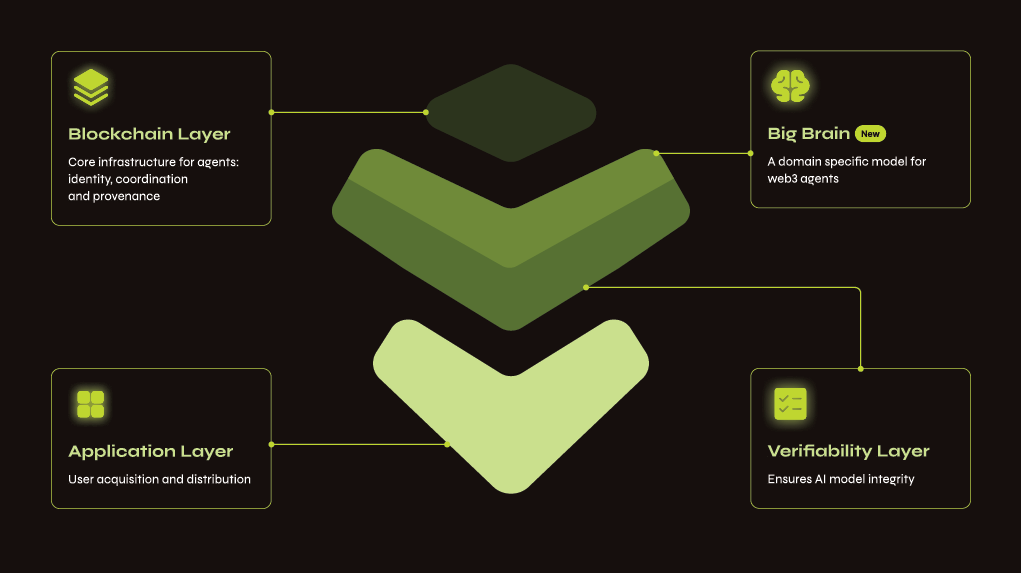
Following Warden’s strategic logic of “acquire users first, then open the platform,” we can begin from the user side to understand its overall product architecture.
As Warden’s super access point for users, the Warden App is not just the starting point for exploring the Warden ecosystem—it aims to become an “Everything-in-One” product designed to help users solve any problem.
As a chat-based AI assistant, the Warden App removes all barriers and continuously improves to deliver seamless experiences. Users simply input natural language, and Warden handles complex logic on their behalf.
To address the high barrier to entry in crypto, the Warden App initially focuses on simplifying the crypto experience, offering services such as market research, investment analysis, token swaps and purchases, cross-chain bridging, staking, mining, airdrops, NFT design and minting—all integrated with smart contract accounts and gas abstraction technology to drastically lower the threshold for entering the crypto world.
As the ecosystem evolves and Warden’s AI agent network expands into more scenarios, the Warden App will gradually evolve from a crypto-focused AI wallet and assistant into a universal application bridging Web2 and Web3—handling everything from financial planning and travel booking to everyday spending, solving all user needs.
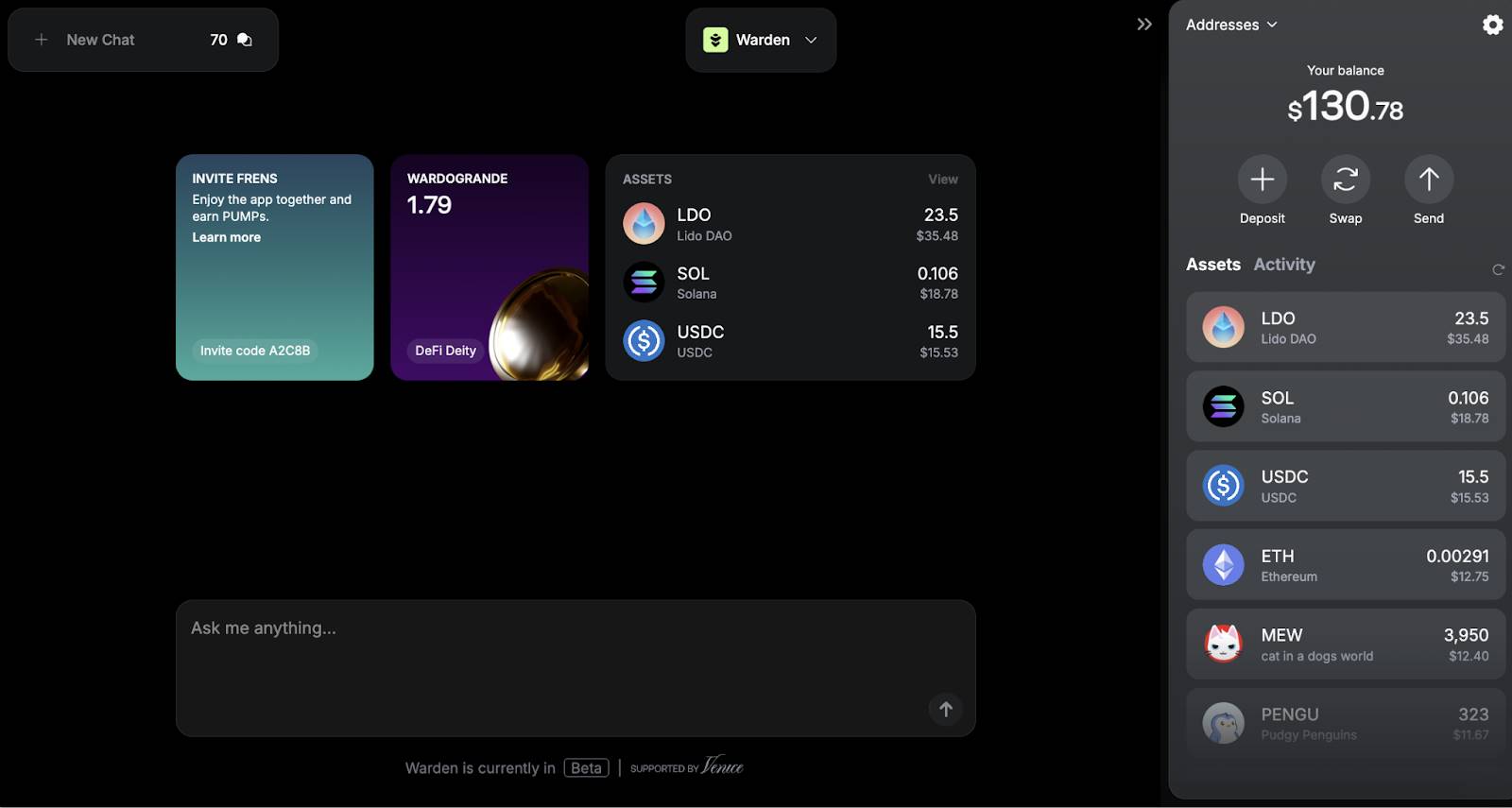
Currently, thanks to its standout advantages in improving crypto user experience, the Warden App has rapidly accumulated tens of millions of users, allowing Warden to swiftly transition from the “acquire users” phase to the “open platform” phase.
Warden Studio marks the first step in opening the platform. As a no-code AI Agent creation studio, Warden Studio aims to attract more innovators into the ecosystem and quickly turn ideas into reality.
Low barrier to entry is a defining feature of Warden Studio. It provides all the tools and components needed to create AI Agents—including decentralized and verifiable reasoning, domain-specific large language models, and validation systems—covering the entire development, testing, and deployment process. It supports both on-chain and off-chain AI Agent creation, enabling even users with zero coding skills to quickly build their own custom AI Agent.
Once innovation is unleashed and more AI Agents emerge in the Warden ecosystem, they need better visibility and usage—that’s where Warden Agent Hub plays a critical role.
As the core distribution and monetization layer, Agent Hub aims to efficiently match AI Agents with user demands.
For AI Agents, going live means immediate access to Warden’s tens of millions of users, enabling them to continuously generate revenue by fulfilling user requests—transforming from tools into economic entities.
For users, they can post their needs and obtain higher-quality services at lower costs.
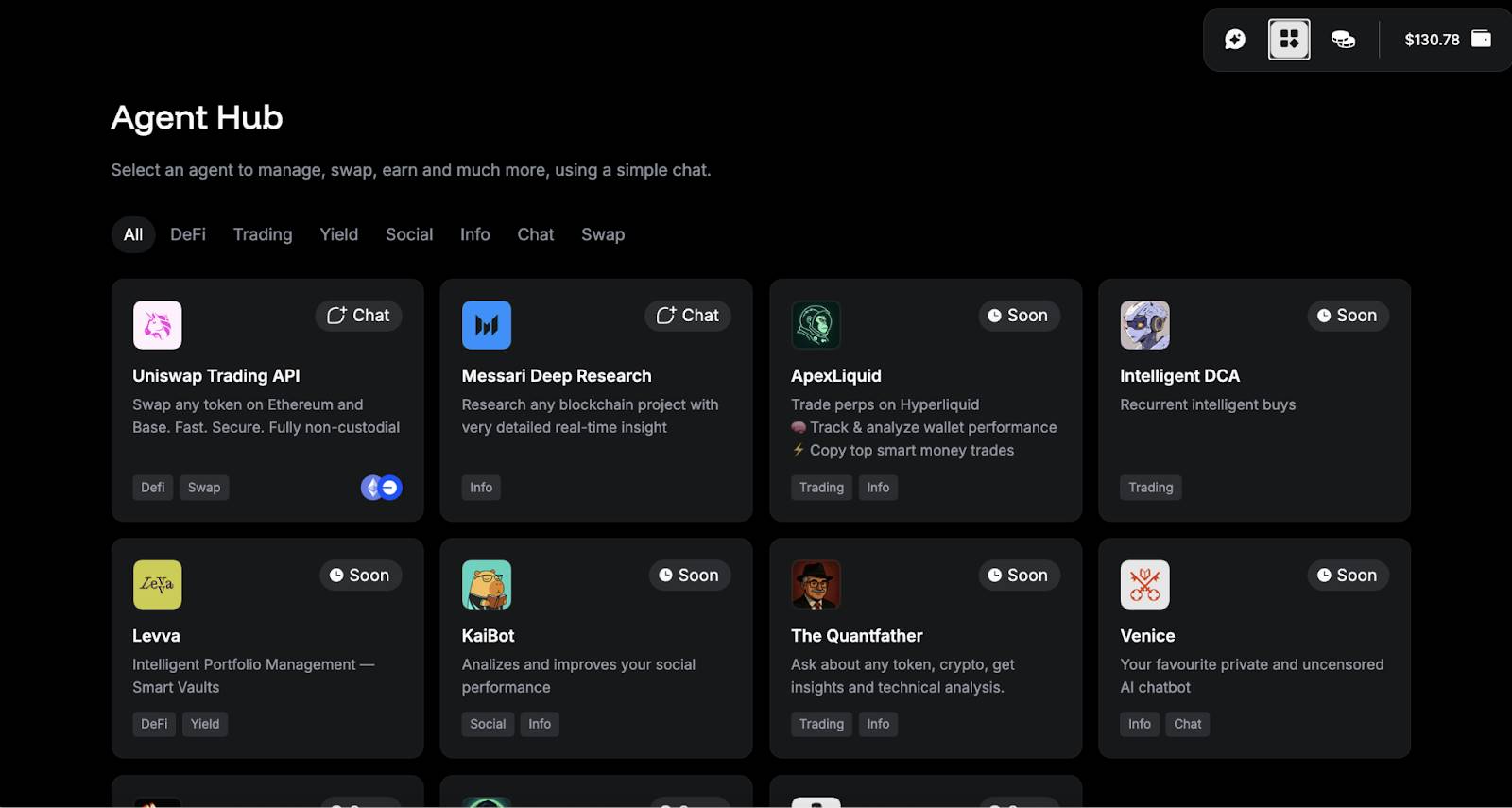
As active economic activity grows, the ecosystem requires a blockchain foundation to serve as a layer of trust, coordination, and incentives—thus Warden Chain was born.
Designed specifically for AI Agents, Warden Chain leverages the popular ERC-8004 and x402 combo to solve agent identity and payment issues: Each agent is assigned a unique cryptographic identity—a unique on-chain identifier stored in the ERC-8004 registry—giving every AI Agent a distinct on-chain presence for authentication and signing requests. Simultaneously, Warden Chain integrates the x402 payment protocol to further streamline on-chain payments, enabling seamless on-chain and off-chain transactions.
The black-box nature of traditional AI forces users to passively trust outputs. Warden Chain addresses this with its SPEX (Statistical Proof of Execution) mechanism, which verifies AI outputs and ensures on-chain traceability and immutability, significantly reducing trust costs.
Cross-chain interoperability is essential for large-scale agent collaboration and smarter outputs. Warden Chain emphasizes modularity and chain-agnostic design, supporting Cosmos IBC for data and asset transfers between chains. Additionally, Warden introduced the AIBI interface, making it easy for developers to integrate AI into smart contracts, protocols, or platforms. Currently partnering with over 100 blockchain networks, Warden enables rapid deployment and cross-chain collaboration.
Most importantly, as a distributed ledger, Warden Chain faithfully records every transaction and contribution in the ecosystem and uses smart contracts to distribute rewards based on contributions. The native token $WARD serves as the core value carrier of the ecosystem.
WARD has multiple utilities, connecting every interaction within the ecosystem, while internal demand gives WARD a solid value foundation:
-
Governance: Participate in community voting to ensure ecosystem development aligns with community interests;
-
Payment: Unlock ecosystem features and privileges, including transaction fees, app subscriptions, and agent publishing fees;
-
Incentives: Reward ecosystem contributors;
-
Staking & Validation: Validators must hold a significant amount of $WARD tokens.
By integrating user access, AI innovation, AI distribution, decentralized verification, and incentive distribution into a seamless chain, Warden achieves a closed loop from participation and creation to revenue generation. As more AI Agents are created, more users join and increase on-chain interactions, and more rewards are distributed, Warden’s positive feedback loop spins faster and faster.
And on the back of this momentum, Warden’s flagship product Big Brain will accelerate toward launch:
A domain-specific large language model designed for blockchain and crypto, Big Brain continuously learns from user interaction data within the Warden ecosystem to boost agent performance, helping them handle complex tasks more intelligently, while rewarding contributors who help improve it.
Big Brain operates on the principle of “community-driven intelligence.” Trained on interaction data from over 10 million Warden users and 1T token data, it deeply understands on-chain actions, user intent, and crypto strategies—outperforming most general-purpose LLMs in Web3 scenarios.
From Web3 to Web2: Turning the “Global Agent Network” Vision into Reality
Based on Warden’s multidimensional product matrix, the dynamic cycle of “user intent input → AI execution and collaboration → on-chain verification → economic monetization and incentives → more users and creators joining” empowers AI Agents as independent economic entities with enhanced productivity, collaboration, value creation, and sustainable profitability—leading to rich application scenarios across the Warden ecosystem.
Since 2025, several top-tier protocols have joined the Warden ecosystem, including Uniswap Agent, Messari Deep Research Agent, Base Farmer Agent, deBridge Agent, Jupiter Agent, spanning DeFi, InfoFi, and real-world consumer applications.
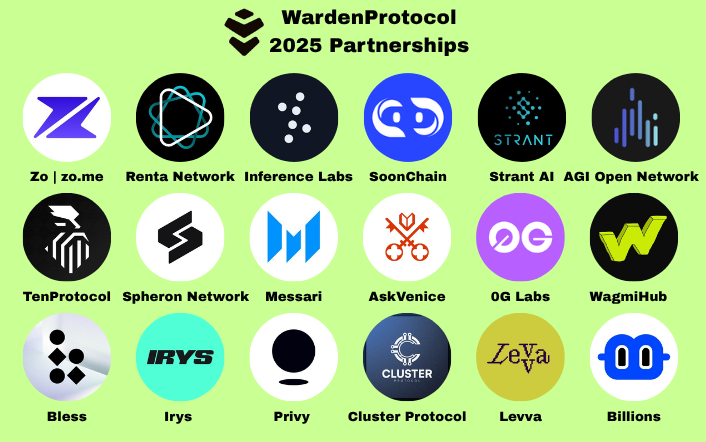
AI-driven DeFi optimization is a key focus area in the Warden ecosystem and has delivered the most outstanding results, simplifying complex on-chain operations through cutting-edge AI-powered tools and transforming users from passive participants into intelligent decision-makers.
deBridge Agent enables one-click seamless cross-chain asset transfers, supporting instant liquidity injection across 100+ chains;
Jupiter Agent specializes in the Solana ecosystem, intelligently scanning optimal swap paths to minimize fees and slippage, helping users capture fleeting trading opportunities;
Base Farmer Agent is a powerful tool for users to earn yield on the Base chain, offering frictionless interaction and automated airdrop farming to maximize qualification chances;
Levva Agent, a fully automated portfolio manager, executes DeFi strategies in real time based on market fluctuations.
Notably, amid the growing popularity of prediction markets led by Polymarket and Kalshi, Warden’s AI-powered prediction market products are also gaining attention:
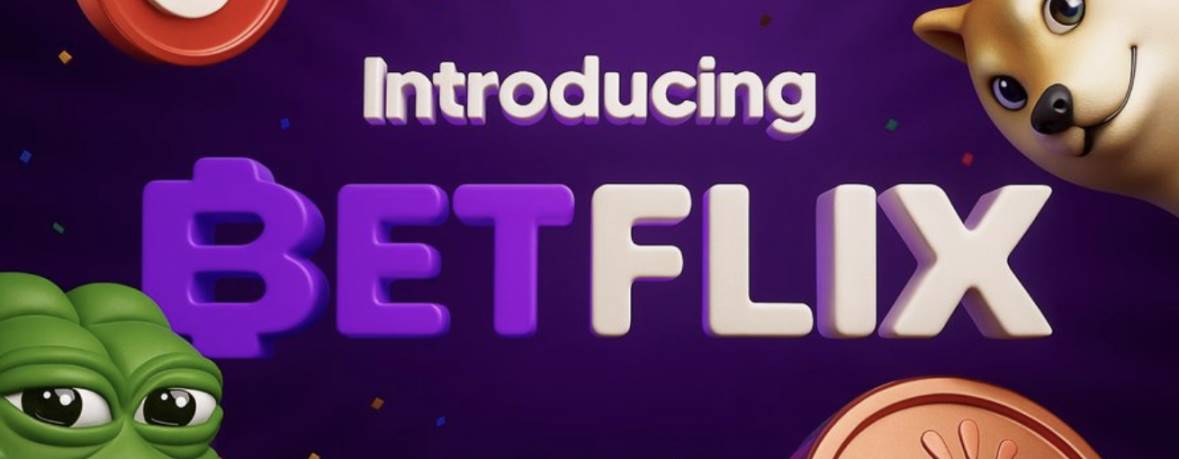
BetFlix, a core self-developed product of Warden, turns real-time prediction trading into light entertainment. Users complete bets with simple swipe gestures—making the entire process extremely streamlined. With a minimum entry of just 2 U, it’s accessible to the masses and serves as a key way for Warden to tap into the prediction market trend, attract traffic, and continuously feed the ecosystem.
Additionally, the Warden ecosystem extends into multiple Web3 and Web2 use cases:
In market research and investment, Messari Agent automatically generates Messari-style market reports to help users quickly understand projects and market trends;
In the InfoFi space, Kaibot helps users analyze tweet performance for better “mouth mining”;
For real-world applications, Travel Agent acts as an agency that finds and books hotel rooms and flights based on user preferences and needs…
Powered by Warden’s full-stack AI ecosystem, Warden delivers strong AI service capabilities across diverse and complex scenarios. As the trend of AI Agent-driven next-generation internet becomes inevitable, Warden theoretically has the potential to cover any scenario where AI intelligence can add value—spanning Web2 and Web3, on-chain and off-chain, including DeFi, RWA, and real-world consumer applications.
Of course, according to official documentation outlining its strategic focus, we can clearly see Warden’s ambition and roadmap for driving comprehensive AI adoption:
-
Financial Agents: Simplify all complexities in DeFi, including asset swaps, cross-chain bridging, and gas abstraction.
-
Autonomous Agents: Build a decentralized, non-custodial architecture for running autonomous agents when users are offline.
-
Institutional Agents: Real-time portfolio management.
-
Ecosystem Agents: Monitor network risks, screen proposals, and support governance.
As Warden continues to strengthen its ecosystem development, it will further advance its vision of a “global agent network” from concept to reality.
Q4 Mainnet Launch: Efficient Interaction Methods Under Transparent Airdrops
According to Warden’s official roadmap, the mainnet will officially launch in Q4 2025—marking the beginning of the countdown to TGE.
Notably, per the tokenomics, $WARD has an initial total supply of 1 billion, with 10% allocated to the community for testnet and product interaction rewards. At TGE, 19.4 million tokens will be unlocked and distributed to early users.
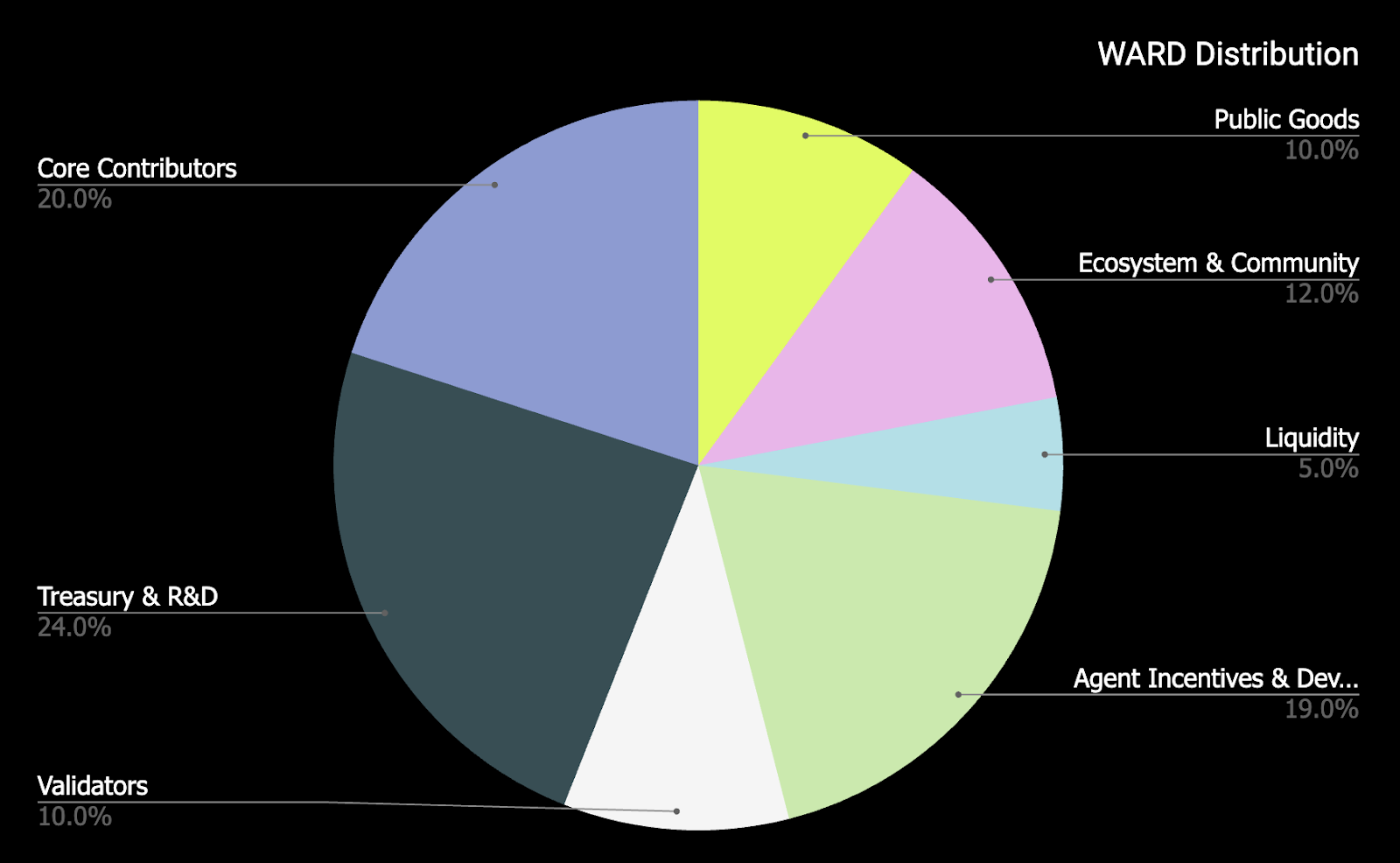
Under transparent airdrop rules, how can users more effectively participate in Warden to maximize their airdrop allocation?
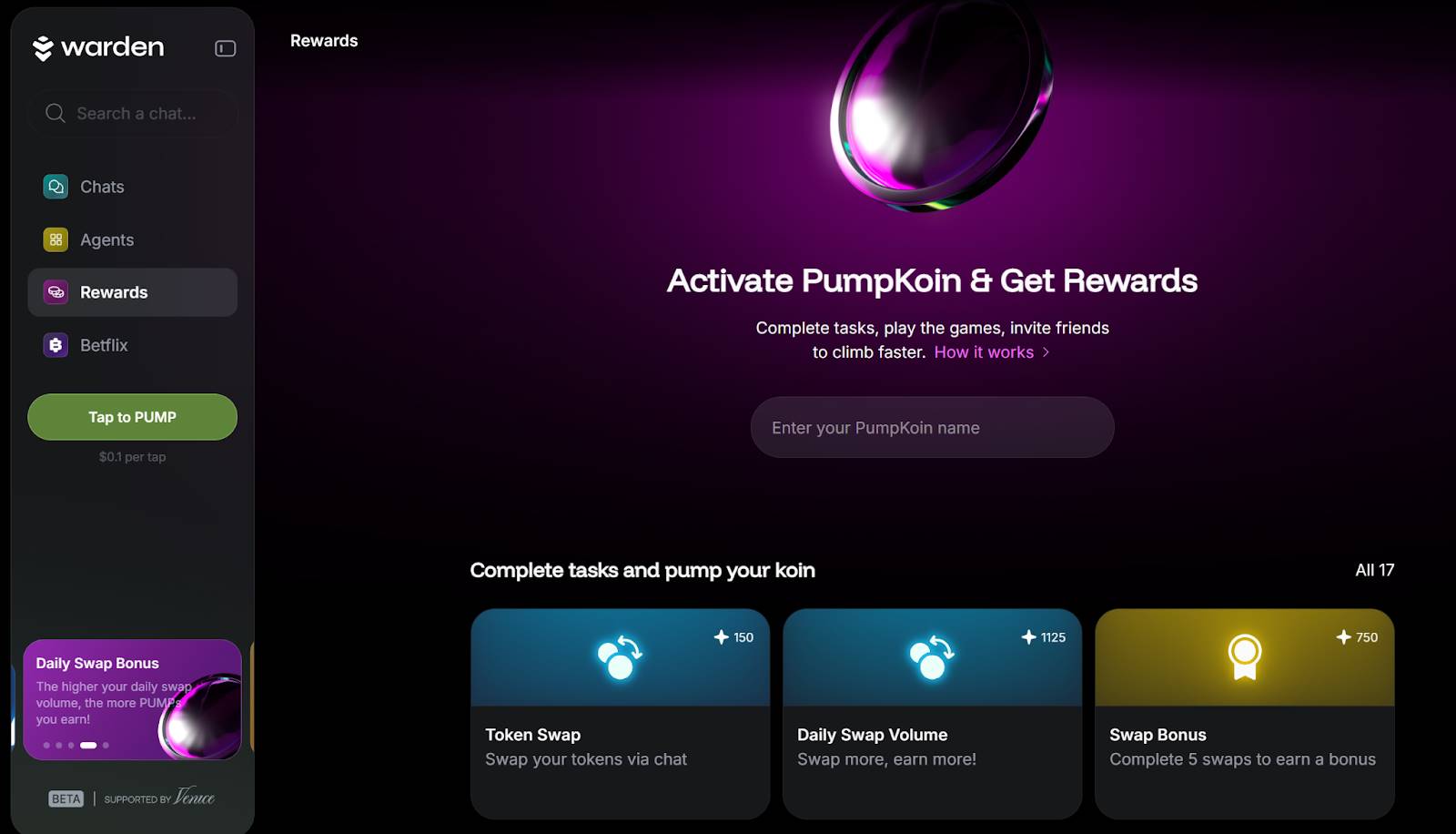
On one hand, Warden’s ongoing Earn Rewards Program allows users to accumulate PUMPs points through various activities. PUMPs will be a key factor influencing airdrop distribution and will also grant priority access to future ecosystem features and benefits.
After users create their unique PumpKoin, Warden currently offers multiple ways to earn PUMPs:
-
Deposit to Earn: Deposit any token from the Solana / Ethereum / Base ecosystems to earn PUMPs;
-
Swap to Earn: Earn PUMPs through trading;
-
Research to Earn: Complete Messari Deep Research tasks to earn 750 PUMPs;
-
Refer to Earn: Invite friends to earn a 10% PUMPs bonus…
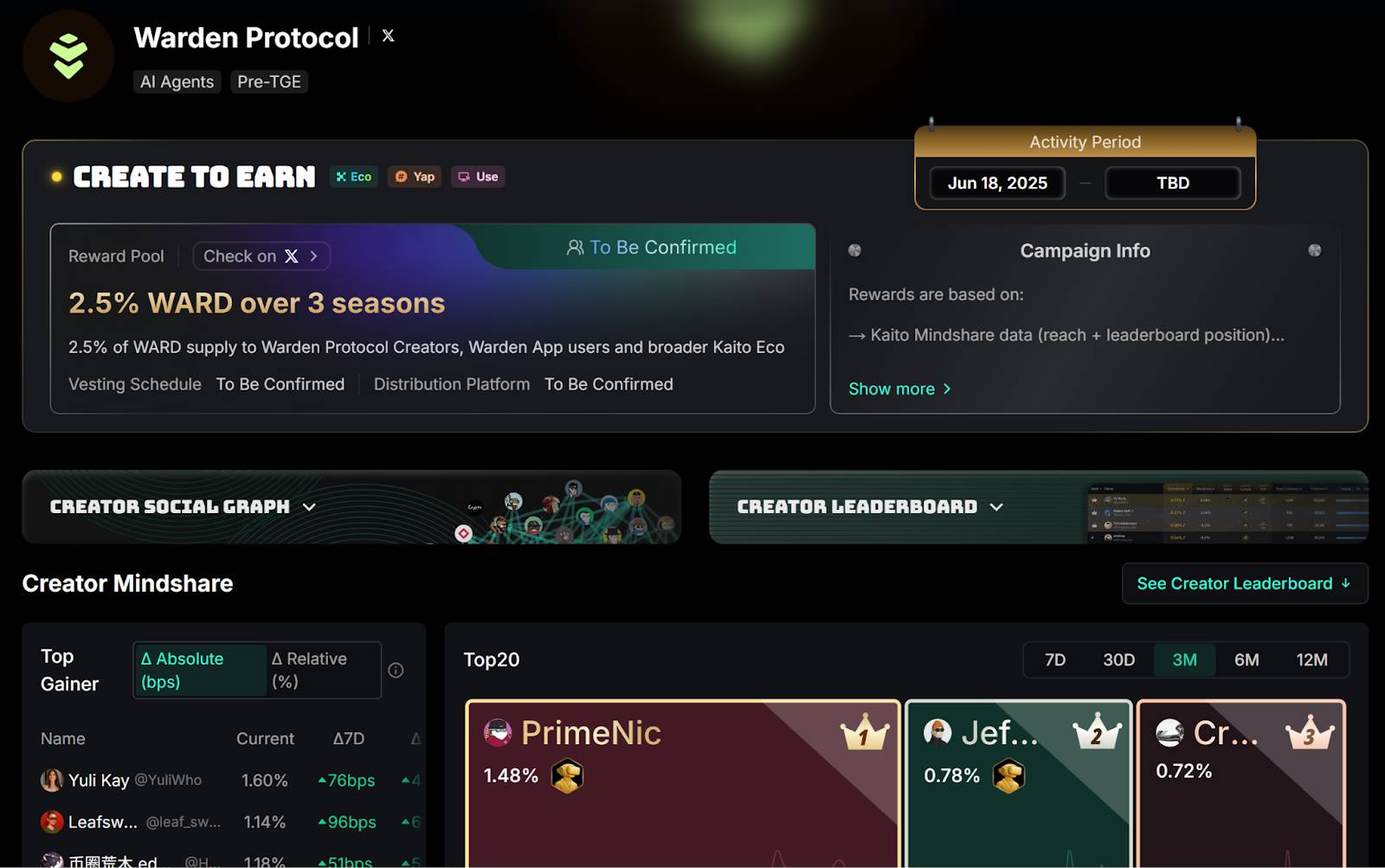
On the other hand, Kaito Warden Season 3 is currently underway:
The campaign began on September 1, 2025, and will continue through Q4’s airdrop distribution phase. 2.5% of the total $WARD supply will be allocated as rewards across the three seasons. Participants can earn more rewards by completing tasks such as linking social media accounts, on-chain interactions, content creation, and promotion.
Conclusion
In this cycle, while narratives around stablecoins, coin stocks, and institutional onboarding dominate market attention, the Crypto AI sector demonstrates strong resilience. Though not as hyped as during the AI Meme Summer, fundamentally sound AI projects continue to stand out, delivering surprises to the market and investors.
Warden, in particular, is showing strong potential as the next breakout Crypto AI contender across multiple dimensions:
-
Elite team composition
-
Product logic with a closed loop
-
Strong multidimensional performance in users, on-chain activity, and revenue
-
Mainnet launch, TGE, and airdrop tailwinds
From the six AI models battling it out in trading to Warden’s ecosystem achieving real-world impact across sectors, the future of AI is becoming increasingly clear: moving from closed-system tech toys to independent entities actively participating in economic activity and creating real value. The market will reward those who proactively contribute to ecosystem development.
Of course, Warden is still in its early stages. With the upcoming mainnet launch, TGE, and continued rollout of product features, whether Warden becomes the pivotal force driving billions of dollars in economic activity toward AI remains to be seen—requiring ongoing observation of its future progress.
Join TechFlow official community to stay tuned
Telegram:https://t.me/TechFlowDaily
X (Twitter):https://x.com/TechFlowPost
X (Twitter) EN:https://x.com/BlockFlow_News
 深潮TechFlow