








Historic short squeeze, historic prices, silver surges, returning to "Hunt brothers corner" levels
TechFlow Selected TechFlow Selected
Historic short squeeze, historic prices, silver surges, returning to "Hunt brothers corner" levels
A historic short squeeze is sweeping through the silver market.
 Navigating Web3 tides with focused insights
Author: Ye Zhen
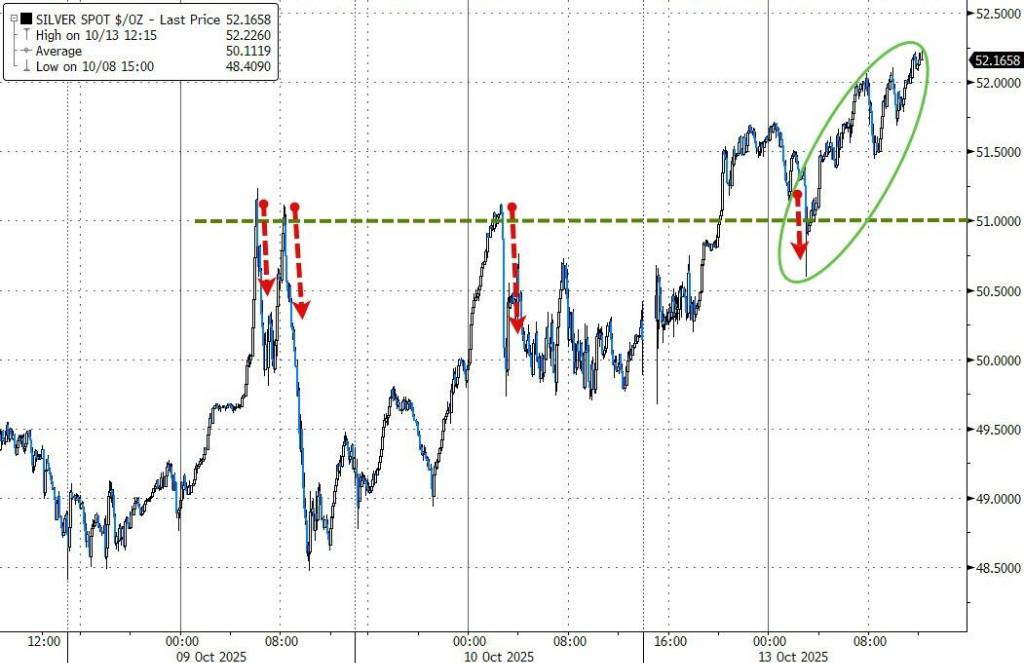
A historic short squeeze is sweeping through the London silver market, with severe physical shortages pushing silver prices to unprecedented levels, surpassing the record set in 1980 when the Hunt brothers attempted to manipulate the market.
According to Bloomberg data, London spot silver prices rose 0.4%, hitting a record high of $52.5868 per ounce. This price exceeds the previous peak of $52.50 reached in January 1980 on the Chicago Futures Exchange (now defunct contracts), when Texas billionaire Hunt brothers tried to monopolize the market by stockpiling silver.
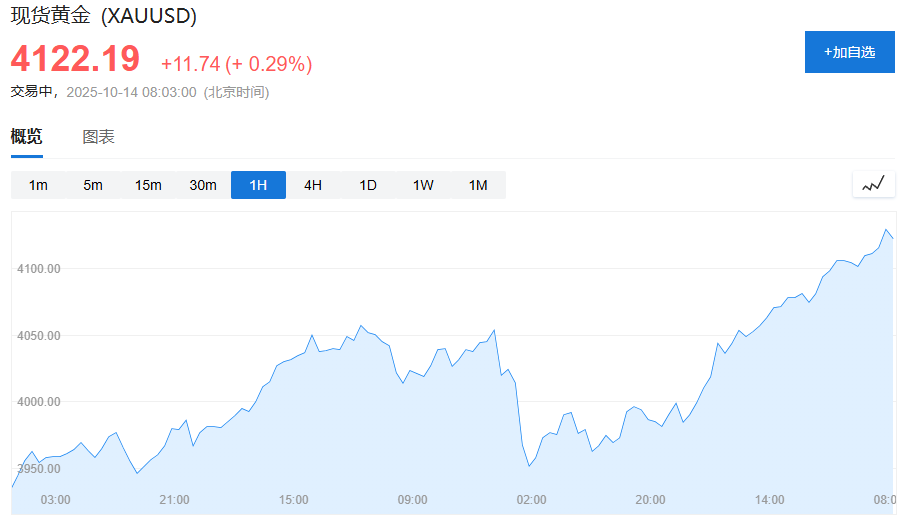
Boosted by silver, spot gold also climbed to $4,150 per ounce, setting another all-time high.
WallStreetCN previously reported that a combination of strong safe-haven demand, surging Indian buying, and concerns over potential U.S. tariffs has rapidly drained London silver inventories, triggering a global rush to buy silver amid this liquidity crisis.
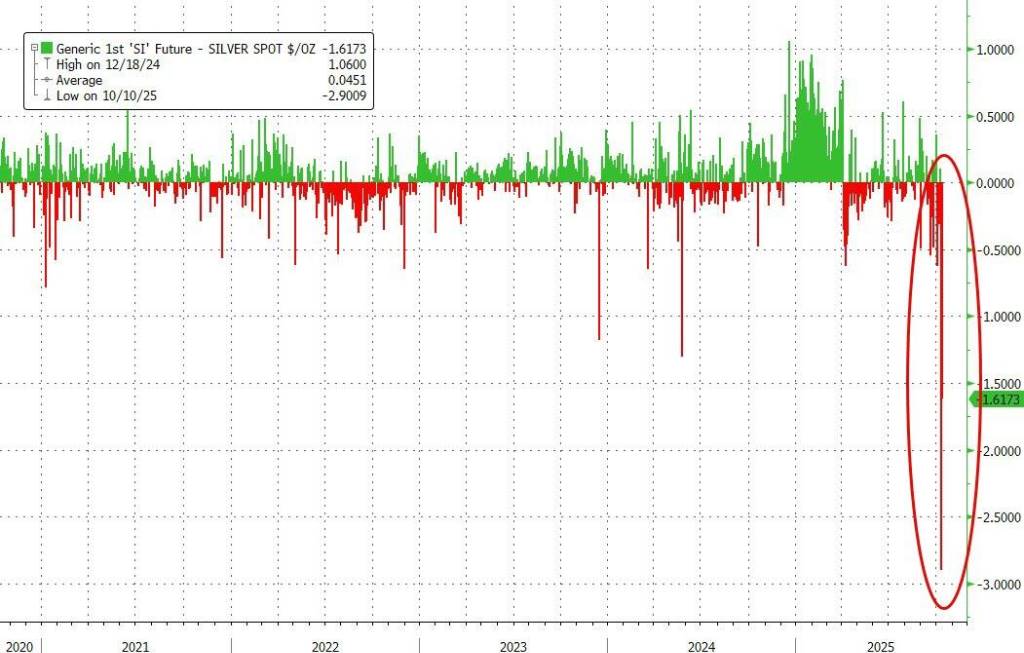
At one point, London spot prices were $3 higher than New York futures prices—an unprecedented premium that prompted traders to take extreme measures—chartering transatlantic flight cargo holds to airlift silver bars, an expensive operation typically reserved for gold transportation. Although the premium narrowed to about $1.55 early Tuesday, market tension remains unabated.
London Liquidity Crisis, Borrowing Costs Surge
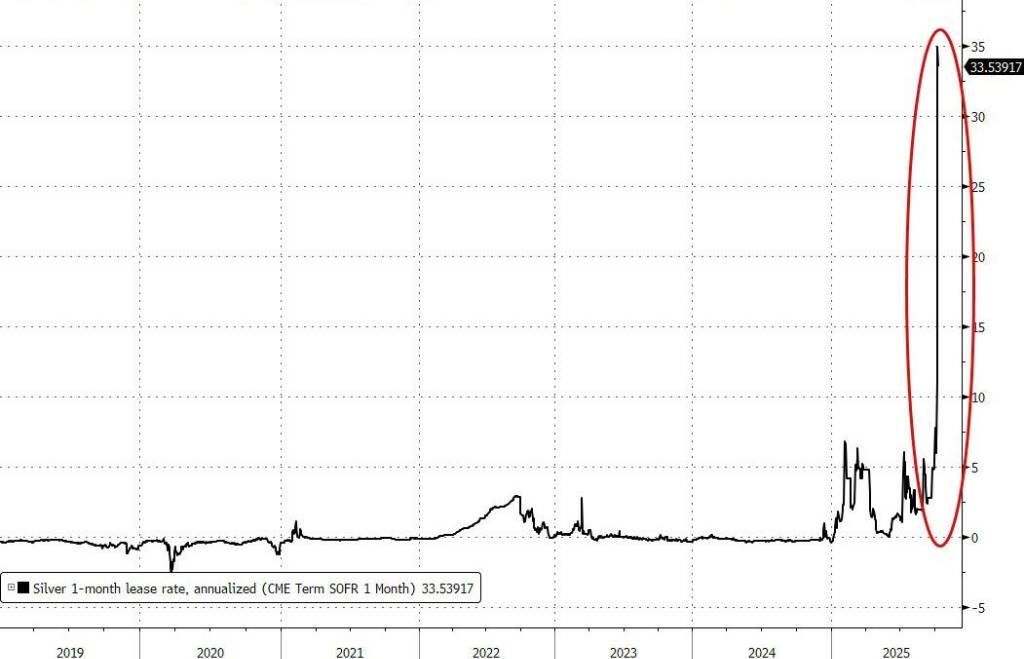
Liquidity in the London silver market has nearly dried up completely, putting immense pressure on dealers holding short positions. With physical silver extremely difficult to source for delivery, they are forced to pay exorbitant rollover costs. Data shows that the one-month lease rate for silver in London (the cost of borrowing silver) has surged above 30%, while annualized overnight borrowing rates briefly exceeded 100%.
"I've never seen anything like this before," said Anant Jatia, Chief Investment Officer at Greenland Investment Management. "What we're seeing in the silver market is completely unprecedented—there's virtually no liquidity left."
The extreme lack of liquidity stems from a sharp decline in tradable silver inventory held in London vaults. According to Bloomberg data, freely circulating silver stocks in the London market have plummeted 75% since mid-2019, from around 850 million ounces to just about 200 million ounces. Robert Gottlieb, former managing director at JPMorgan Chase and precious metals trader, noted: "Banks are reluctant to quote prices to each other, so bid-ask spreads have become extremely wide. This creates massive illiquidity."
This short squeeze is the result of multiple converging forces.
First, against a backdrop of global economic uncertainty, investors are flocking to safe-haven assets such as gold and silver to hedge against U.S. debt risks, fiscal gridlock, and currency depreciation. Second, unexpected surges in Indian demand over recent weeks have further depleted London’s already tight inventories. Additionally, concerns that the U.S. government may impose tariffs on critical minerals including silver under Section 232 have led some metal to be withdrawn from the market early, worsening supply constraints. The London Bullion Market Association (LBMA) has issued a statement saying it is “actively monitoring the situation.”
Goldman Warns of Sharp Correction
Facing record prices, market institutions are divided on silver’s outlook. Bank of America analysts raised their year-end 2026 silver price target from $44 to $65 per ounce, citing persistent supply shortages, high fiscal deficits, and a low interest rate environment.
However, Goldman Sachs has issued a warning, arguing that the current rally is primarily driven by physical tightness in the London market, which is expected to ease within the next 1–2 weeks as large volumes of physical metal arrive from China and the United States—though the adjustment process will be “extremely volatile.”
Goldman analysts wrote in a report: "The silver market is less liquid, with a scale roughly one-ninth that of gold, amplifying price volatility. In the absence of central bank buying as a price anchor, even a temporary dip in investment flows could trigger a disproportionate pullback."
Join TechFlow official community to stay tuned
Telegram:https://t.me/TechFlowDaily
X (Twitter):https://x.com/TechFlowPost
X (Twitter) EN:https://x.com/BlockFlow_News






