A 5.5 billion pound scam involving a food delivery worker, the largest cryptocurrency money laundering case in UK history
TechFlow Selected TechFlow Selected
A 5.5 billion pound scam involving a food delivery worker, the largest cryptocurrency money laundering case in UK history
On the surface, it's a "rags-to-riches" story, but behind it lies a vast criminal abyss.
 Navigating Web3 tides with focused insights
By: Henry Vaughan
Translated by: Sleepy.txt, BlockBeats
Editor's note: Recently, with the main perpetrator Zhimin Qian (also known as Yadi Zhang) pleading guilty in a London court, the fraud case involving over 61,000 bitcoins and valued at up to 5.5 billion pounds has reached a critical juncture. It is the largest cryptocurrency case in UK history—a seemingly ordinary Chinese delivery worker in London became entangled in a massive money laundering network spanning China and the UK.
The story began with dramatic flair. Jian Wen, a single mother living a modest life in London, met the mysterious wealthy woman Zhimin Qian through a housekeeper job advertisement on WeChat. Soon, her life was completely transformed—she moved from a dormitory above a takeout shop into a luxurious mansion in Hampstead renting for 17,000 pounds per month, drove a Mercedes, bought luxury goods, and traveled around the world. On the surface, it appeared to be a classic "rags-to-riches" tale, but beneath lay a vast criminal abyss.
The source of this enormous sum can be traced back to the years 2014 to 2017. During that time, Zhimin Qian orchestrated a large-scale investment scam in China, defrauding funds from more than 128,000 investors, most of whom were elderly. She then converted the money into bitcoin and fled to the UK with the digital assets. Jian Wen’s role was that of her agent in London, responsible for laundering these illicit funds.
Their money laundering methods were simple and crude: buying jewelry, luxury watches, high-end cars, and even targeting top-tier properties in London, including a seven-bedroom mansion listed at 23.5 million pounds. This level of spending stood in stark contrast to Jian Wen’s declared income (less than 6,000 pounds annually), triggering the UK’s anti-money laundering alarms and exposing the entire criminal network.
Will Lyne, head of the Economic and Cyber Crime Command at the Metropolitan Police, said this is one of the largest money laundering cases in British history and among the highest-value cryptocurrency cases globally. He explained that through meticulous investigation and unprecedented cooperation with Chinese law enforcement authorities, police gathered sufficient evidence confirming that the crypto assets Qian attempted to launder in the UK originated from crime.
The investigation spanned seven years and involved an international manhunt. It revealed how cryptocurrencies are exploited to transfer and conceal illegal proceeds, reflecting the complexity of modern financial crime. The Metropolitan Police worked closely with law enforcement teams in Tianjin and Beijing, ultimately bringing the main perpetrator to justice.
Jian Wen was sentenced in May 2024 to six years and eight months in prison for money laundering. She has consistently claimed she was deceived and manipulated. Now, with the main culprit Zhimin Qian admitting guilt, the final link in this criminal chain has been secured, and she now awaits legal judgment.
Below is an in-depth investigative report written in 2024, documenting the origins and development of this largest-ever cryptocurrency money laundering case in British history.
In September 2017, just weeks after Yadi Zhang arrived in London, Jian Wen quit her job at a Chinese takeaway, left the staff dormitory, and moved into a six-bedroom, 5-million-pound mansion near Hampstead Heath.
The two publicly claimed to run an international jewelry business, engaging in diamond and antique trading in Japan, Thailand, and China. They traveled the world, spending tens of thousands of pounds at Harrods on designer clothing and footwear.
In this new life, Wen purchased a 25,000-pound Mercedes E-Class car and enrolled her son in Heathside Preparatory School, where tuition fees amounted to 6,000 pounds per term.
But alarm bells rang when she attempted to purchase some of London’s most expensive properties, including a seven-bedroom mansion with a swimming pool priced at 23.5 million pounds and a villa valued at 12.5 million pounds featuring a private cinema and gym.
Yet Wen had declared an income of only 5,979 pounds during the 2016/17 fiscal year and could not explain the source of the bitcoins used to fund the property purchases. On October 31, 2018, police conducted their first raid on the pair’s residences.
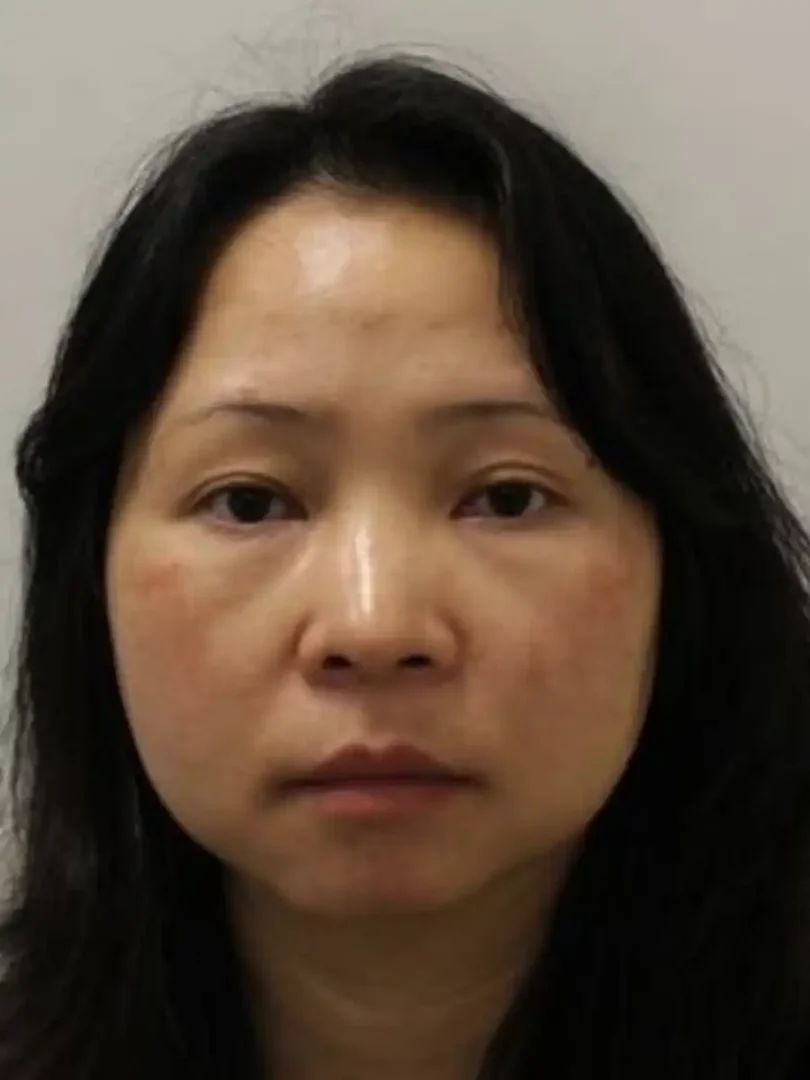
Jian Wen at Southwark Crown Court. Image source: CPS
It took investigators two and a half years to realize they had actually executed the largest cryptocurrency seizure in UK history—recovering over 61,000 bitcoins from a single digital wallet.
These bitcoins were worth about 1.4 billion pounds at the time, and by March 2024, their market value had exceeded 3 billion pounds. An additional 23,308 bitcoins linked to the case remain in circulation, now worth over 1 billion pounds.
A 5-Billion-Pound Investment Scam
Court testimony revealed that these bitcoins originated from a 5-billion-pound investment scam orchestrated in China by 45-year-old Zhang. Between 2014 and 2017, she deceived nearly 130,000 investors through fraudulent wealth schemes before entering the UK using a forged passport from Saint Kitts and Nevis.
Wen was not charged with involvement in the original fraud. Zhang’s real name is Zhimin Qian, who has since fled the UK and remains at large.
Forty-two-year-old Wen was found guilty of one count of money laundering committed between October 2017 and January 2022. The jury at Southwark Crown Court failed to reach a verdict on two other similar charges. Prosecutors said they would not seek a retrial, and Wen was due to be sentenced on May 10.
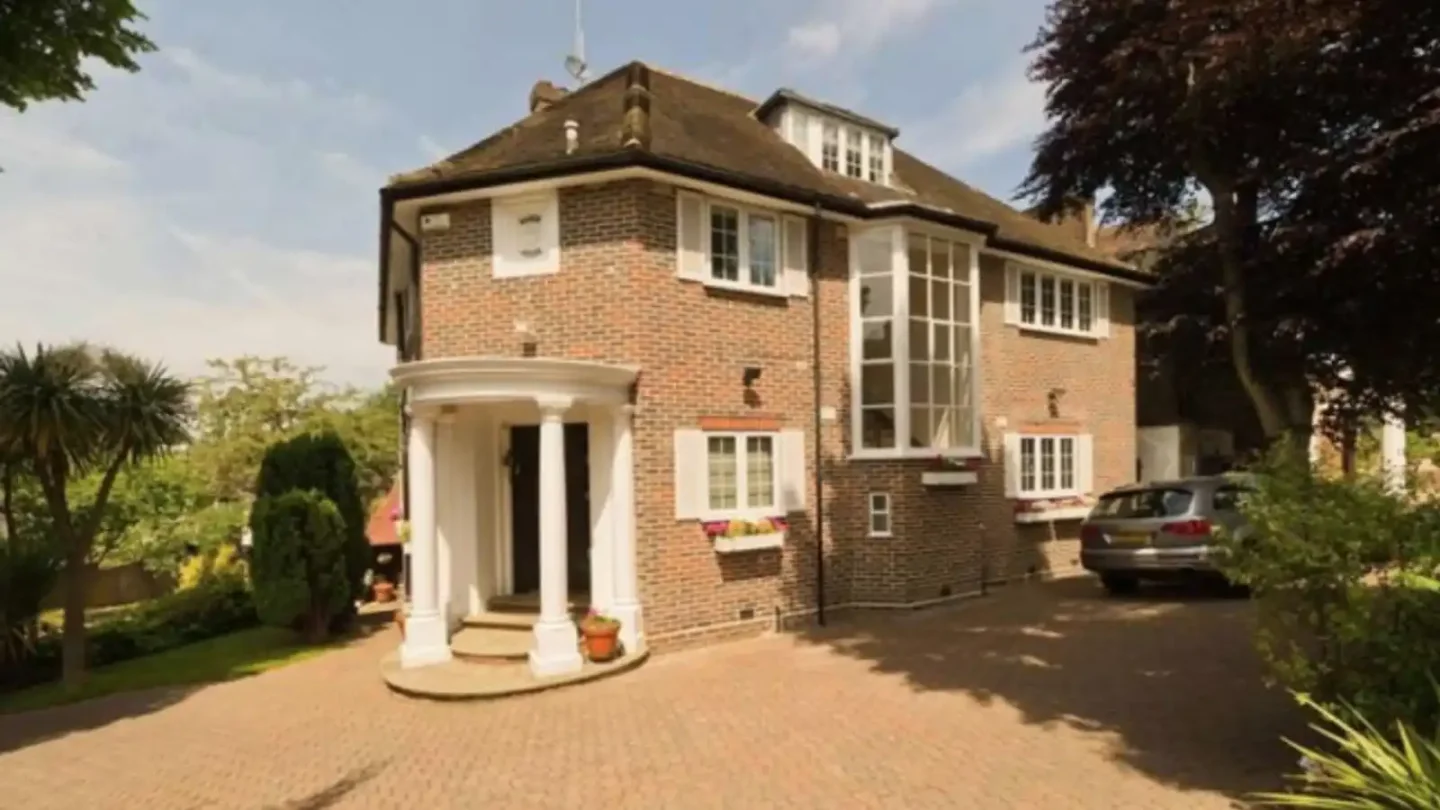
They rented a house in Hampstead for 17,000 pounds per month. Image source: CPS
Ten other money laundering charges on which Wen was acquitted last year were not publicly reported. Authorities feared that disclosing related figures might attract hackers targeting companies holding the seized cryptocurrency.
As a Category A prisoner, Wen, petite and wearing large round glasses, was handcuffed when brought to the witness stand. Two court officers stood guard at the door during her testimony.
She told jurors about her background: born into a working-class family in China, later meeting her husband Marcus Barraclough, and arriving in the UK in 2007 on a spouse visa while pregnant.

Wen visiting a Lindt chocolate shop in Switzerland. Image source: Metropolitan Police
Wen’s Lifestyle Transformation
After her son’s birth, the marriage broke down. Wen lived a frugal life in Leeds, where she earned a legal diploma and later a bachelor’s degree in economics. In summer 2017, she moved to London.
By then, she had opened cryptocurrency accounts and kept detailed records in a notebook adorned with cartoon characters. But she claimed she was “completely unaware” she would soon become involved in transactions involving such vast quantities of bitcoin.
While working at a Chinese takeaway in Abbey Wood, southeast London, she applied for dozens of jobs and lived in a room below the restaurant. It wasn’t until she saw a housekeeper job ad on WeChat that she first met Zhang at the five-star Royal Garden Hotel in Kensington. Later, she described this position on her resume as “live-in personal assistant to a high-net-worth individual.”
Soon after, the two paid a 40,000-pound deposit and six months’ advance rent to move into a Hampstead home leasing for 17,000 pounds per month. Wen then traveled to Thailand and Dubai, and the pair frequently visited various European countries. Zhang used aliases such as “Rose,” “Emma,” and “Hua Hua” and deliberately avoided countries with extradition treaties with China.
Wen attempting to buy a Hampstead property. Image source: Metropolitan Police
The Hampstead Mansion and Tuscan Villa
They cashed out bitcoins to buy high-value jewelry. Receipts show expenditures of 25,600 pounds and 18,750 pounds at Christopher Walser Vintage Diamonds in Zurich; at Swiss jeweler Van Cleef & Arpels, they purchased two watches priced at approximately 49,300 pounds and 69,900 pounds respectively.
Within three months at the end of 2017, Wen’s membership card spent over 90,000 pounds at Harrods, covering women’s fashion, jewelry, and footwear. In court, she defended herself: “I was just the one carrying the bags.”
Wen also bought two apartments in Dubai for over 500,000 pounds and considered purchasing an 18th-century villa in Tuscany with sea views for 10 million pounds.

Wen traveling in Germany. Image source: Metropolitan Police
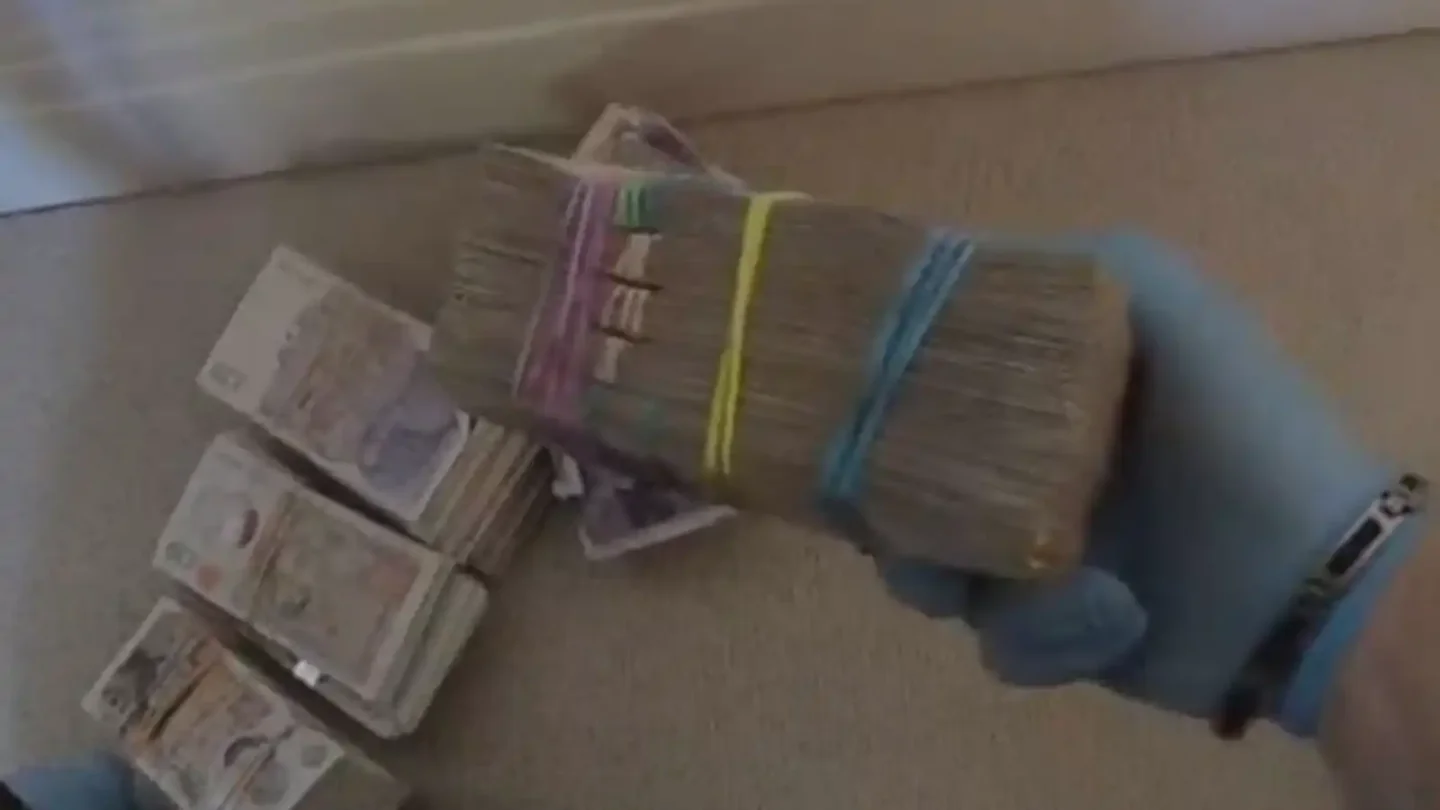
Bundles of cash discovered during police raids. Image source: CPS
Their attempts to buy property in London triggered anti-money laundering scrutiny. Unable to explain the origin of the bitcoins, all multi-million-pound transactions fell through.
Initially, Wen claimed the cryptocurrency came from mining, then later changed her story to say they were “gifts of love.” She even drafted a deed of gift stating that Zhang had given her 3,000 bitcoins, then worth about 15 million pounds.
Prosecutors argued that Wen effectively acted as an agent, helping conceal the origins of stolen funds, which had been converted into cryptocurrency for transfer out of China.
Senior barrister Gillian Jones stated during the trial that when Zhang arrived in London, she needed to convert her bitcoins into cash or into “property, jewelry, or other high-value items.”
Wen admitted being involved in arranging some bitcoin transactions but insisted she did not know the assets were criminally derived. She emphasized she had been deceived by her “boss”: “We were close... but looking back, I was seriously exploited. I don’t know where she is.”
Police said they are still actively pursuing Zhang.
Join TechFlow official community to stay tuned
Telegram:https://t.me/TechFlowDaily
X (Twitter):https://x.com/TechFlowPost
X (Twitter) EN:https://x.com/BlockFlow_News
 @SkyNews