








A med student's firsthand account of switching to crypto: Don't let sunk costs trap your life
TechFlow Selected TechFlow Selected
A med student's firsthand account of switching to crypto: Don't let sunk costs trap your life
If you sold your holdings today, would you buy them back tomorrow?
 Navigating Web3 tides with focused insights
Author: Wajahat Mughal
Compiled by: TechFlow
"You've wasted all your time and energy."
——Someone told me this in August 2025.
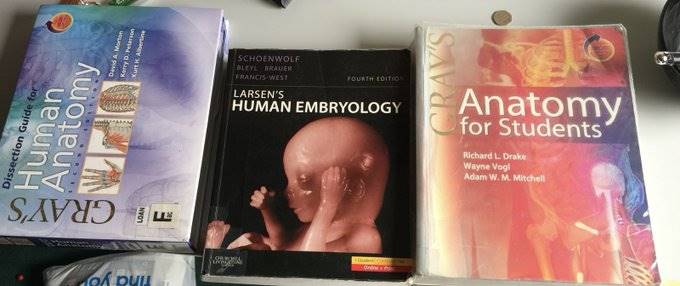
This is a photo of some books I took during my first week as a medical student, but these books were never truly opened or read by me.
Let me tell you a short story. About ten years ago, I started studying medicine. Back then, I often wondered what I wanted to do in the future. The books in this picture were borrowed from the library. My first-week cases began with embryology and anatomy—the excitement was real. I would think about the vastness of medicine, imagine life as a doctor, and consider the choices awaiting after graduation.
The appeal of a medical career lies in its diversity:
-
You can be hands-on like a trauma surgeon;
-
Focus on technology, such as radiological diagnostics;
-
Center around communication, for example, family medicine or psychiatry;
-
Or combine various elements through emergency or acute medicine;
-
And there are dozens of other specialties, each with its unique perspective, characteristics, advantages, and disadvantages.
Initially, I wanted to become a surgeon and thought being an ophthalmologist would also be cool. But I quickly realized anatomy wasn't for me. Although I performed well in hands-on tasks, I found myself disliking spending time in the operating room. Later, I considered radiology, then general practice (family medicine), and even briefly thought about gastroenterology. The point is, back then I only saw one path—medicine—and didn't consider any other possibilities at all.

A beautiful sunset captured during a busy surgical shift after graduation.
I never imagined I’d end up in finance, let alone cryptocurrency and decentralized finance (Crypto/DeFi). But life is full of changes. I experienced new things, met new people, explored new hobbies, and suddenly, almost ten years had passed—I now stand where I am today. In fact, when I first entered medical school, I didn’t even know what cryptocurrency was. Looking back, the journey from who I was then to who I am now is astonishing.
A few days ago, at an event, someone said to me: "You’ve wasted all your time and energy leaving medicine." Over the past few years, I’ve heard similar comments repeatedly, as I gradually reduced my medical practice and shifted into the crypto space. I understand these words sometimes come from concern for security and stability, but they’re wrong. One word sums it up: "human capital." All the learning, experiences, skill development, and accumulated memories have shaped who I am today. None of that has disappeared! For me, this includes communication skills, critical thinking, memory capacity, and the genuine ability to treat acute or chronic patients. These abilities remain part of me.
Sunk Cost Fallacy
My main message to everyone is: don’t fall into the sunk cost fallacy. In medicine, I see this often—maybe some of you have experienced it too. Just because you’ve invested significant time and effort into something doesn’t mean you must commit to it for life.
The sunk cost fallacy refers to our tendency to stick with something—emotionally, financially, educationally, or psychologically—even when better opportunities arise. For example: you invest in a newly launched altcoin believed to be the next big thing, allocating some funds. However, months later, you realize it’s underperforming while other projects in the market are advancing much better, and the team’s roadmap for product updates is severely delayed. Still, you choose to hold onto those coins.
Why don’t we just sell and move toward other opportunities?
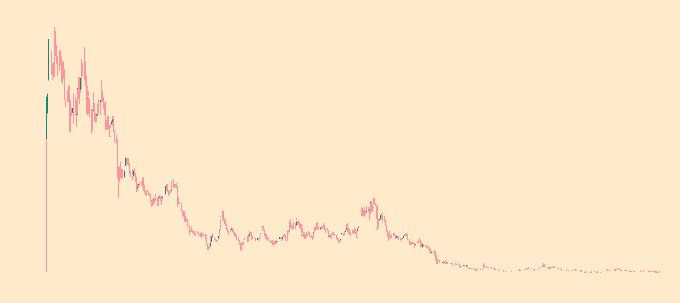
Ever been part of the "trapped crowd"? You might have experienced this...
The sunk cost fallacy wins again, because it causes us to weigh past costs more heavily than future opportunities when making decisions. We focus excessively on resources already committed, overlooking alternatives (like in many cases, simply selling that altcoin and switching to Bitcoin would be the better decision). This phenomenon stems from irrational behavior—we're often overly influenced by emotions. This fallacy is also closely tied to commitment bias and loss aversion, which every cryptocurrency investor or financial participant may have encountered.
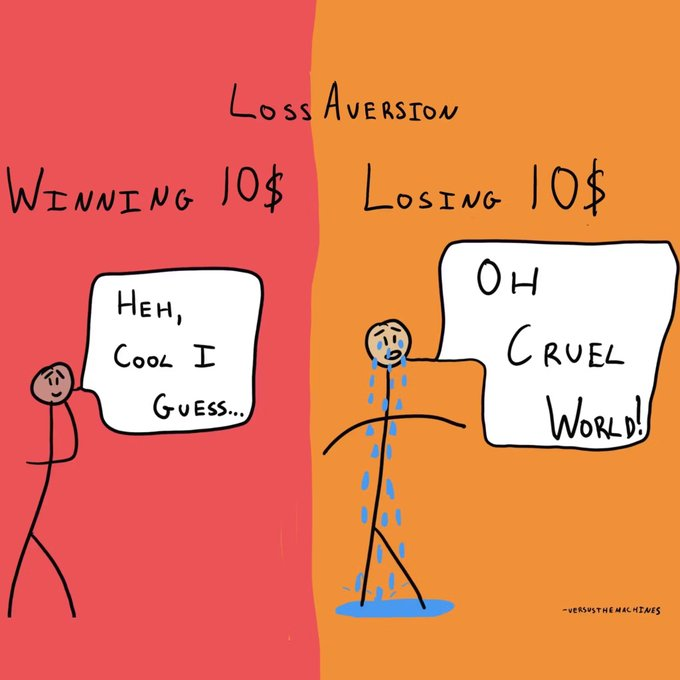
What can we learn from this?
Take my experience as an example. When @0xBobdbldr reached out and invited me to join him in doing something completely different in DeFi, I was already working part-time in crypto but still practicing medicine. I stood at a crossroads: should I go all-in on crypto? For me, DeFi represented a once-in-a-lifetime opportunity—to get involved early, create impact, and importantly, change lives, including my own. This decision was based on future potential, avoiding commitment bias, which helped me overcome inner conflict.
It's perfectly okay to let go of the past. Some things are irreversible and may involve high costs, but the potential gains from an alternative path could far exceed what you're holding onto. As mentioned above, this could be a job, an upcoming event, or even an investment you've already made.
-
Accept and learn: you may have made mistakes, poor choices, or simply discovered a brighter alternative waiting for you. Embracing change and letting go of irreversible costs is a powerful act.
-
Try to think rationally, not just emotionally, especially regarding investment decisions.
-
Focus on future returns, whether it's a new investment opportunity or a new career ahead—use data and metrics to support your decisions.
I appreciate people who ask questions like: "If you sold your entire position today, would you buy it back tomorrow?" I think in many cases, the answer might be no!
Join TechFlow official community to stay tuned
Telegram:https://t.me/TechFlowDaily
X (Twitter):https://x.com/TechFlowPost
X (Twitter) EN:https://x.com/BlockFlow_News
 Wajahat Mughal






