a16z's Latest Insight: Is Traditional E-commerce Dead? AI-Native Platforms Are Redefining "Shopping"
TechFlow Selected TechFlow Selected
a16z's Latest Insight: Is Traditional E-commerce Dead? AI-Native Platforms Are Redefining "Shopping"
The traditional search-compare-purchase model is being replaced by AI agent-driven intelligent shopping experiences.
 Navigating Web3 tides with focused insights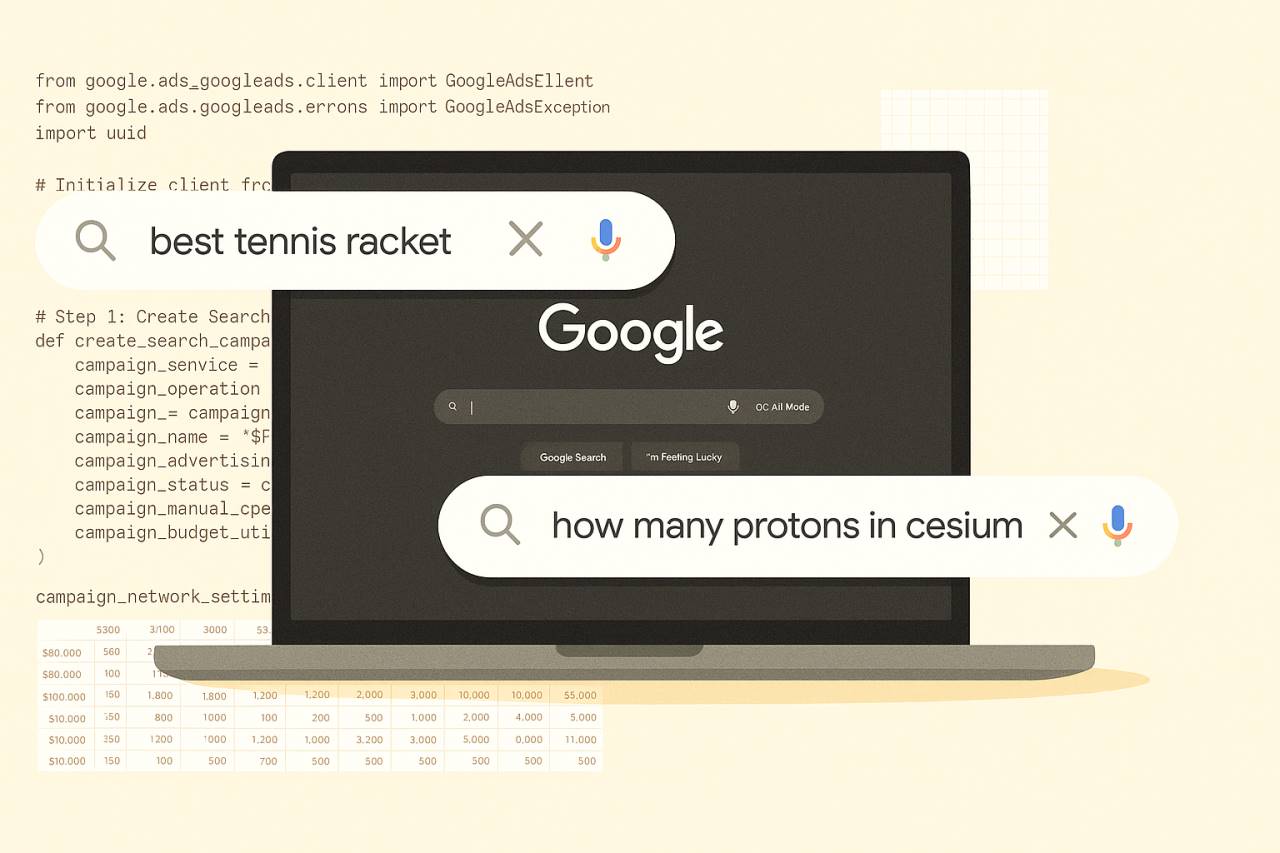
Have you ever wondered why Google became a $2 trillion giant while Wikipedia remains a nonprofit? The answer is simple: the magic of commercial search. When you search for "how many protons are in a cesium atom," Google earns nothing. But when you search for "best tennis racket," it starts printing money. This asymmetry defines the very nature of the search economy. Now, with the rise of AI, this balance is being completely disrupted.
Recently I read a deep analysis by a16z partners Justine Moore and Alex Rampell that profoundly struck me with their insights into how AI is reshaping e-commerce. They not only analyze the threats Google may face but, more importantly, paint a new vision of commerce in the AI era. In this vision, the traditional search-compare-buy model is being replaced by intelligent, AI-agent-driven purchasing experiences. After spending considerable time reflecting on their views and combining them with my own industry observations, I want to share some deeper thoughts.
Google's Real Crisis: Not Search Volume, But Value Migration
Justine made a point in her article that deeply impressed me: even if Google lost 95% of its search volume, its revenue could still grow—as long as it retains commercially valuable queries. This sounds counterintuitive, but it actually reveals the core secret of the search economy. Upon deeper reflection, I realized there’s an even deeper issue at play: AI is shifting where value is created.
In the traditional model, Google acts as an information intermediary. Users have purchase intent; Google provides search results and ads; merchants get traffic; Google collects ad fees. It’s a relatively simple three-way game. But the emergence of AI agents disrupts this balance. When ChatGPT or Perplexity can directly answer “what is the best tennis racket” and offer specific recommendations, why would users still click on Google’s ad links?
More critically, AI isn’t just answering questions—it’s redefining what “search” itself means. Our old search behavior went like this: pose question → get list of links → click through → compare info → make decision. The AI agent workflow is now: describe need → get recommendation → buy directly. The middle steps of comparison and research are drastically compressed or eliminated. This means traditional search engines aren’t just losing query volume—they’re losing their pivotal position in the decision-making chain.
Hints of this shift emerged in May 2025 from Apple senior vice president Eddy Cue’s testimony during the DOJ antitrust trial. He revealed Safari’s search volume had declined for the first time in over two decades—a statement that immediately wiped nearly 8% off Alphabet’s stock price, erasing over $150 billion in market value. While Google’s Q2 earnings show search revenue still growing—indicating mainly low-value queries are being lost—the direction of this trend is clear.
I believe Google faces not just competitive pressure, but a structural challenge to its business model. When AI can complete the entire journey from intent recognition to purchase decision, the traditional “traffic → ads → conversion” model becomes inefficient, even obsolete. What Google needs isn’t better search algorithms, but an entirely new business model adapted to AI-driven consumer behavior.
AI Transformation of Five Purchase Types: From Impulse to Deliberate
Justine categorized purchases into five types in her article—from impulsive to major life decisions—each undergoing varying degrees of change in the AI era. I find this framework highly accurate, but I’d like to dive deeper into the psychological mechanisms behind each type and how AI reshapes them.
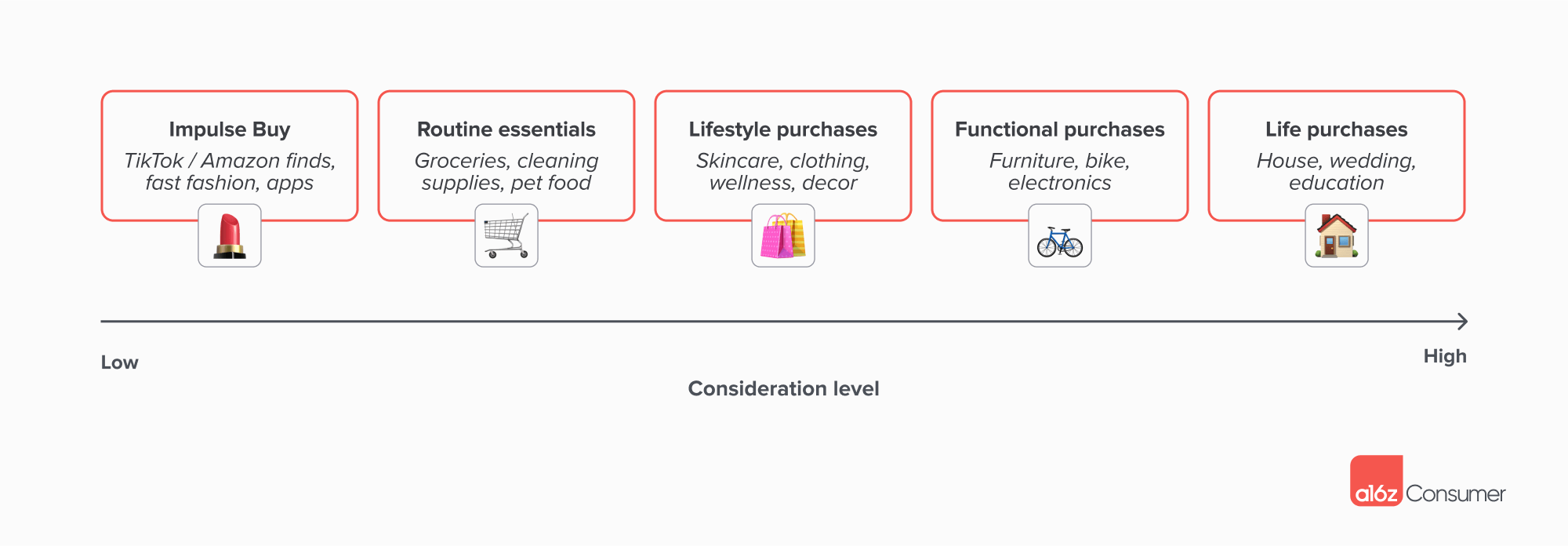
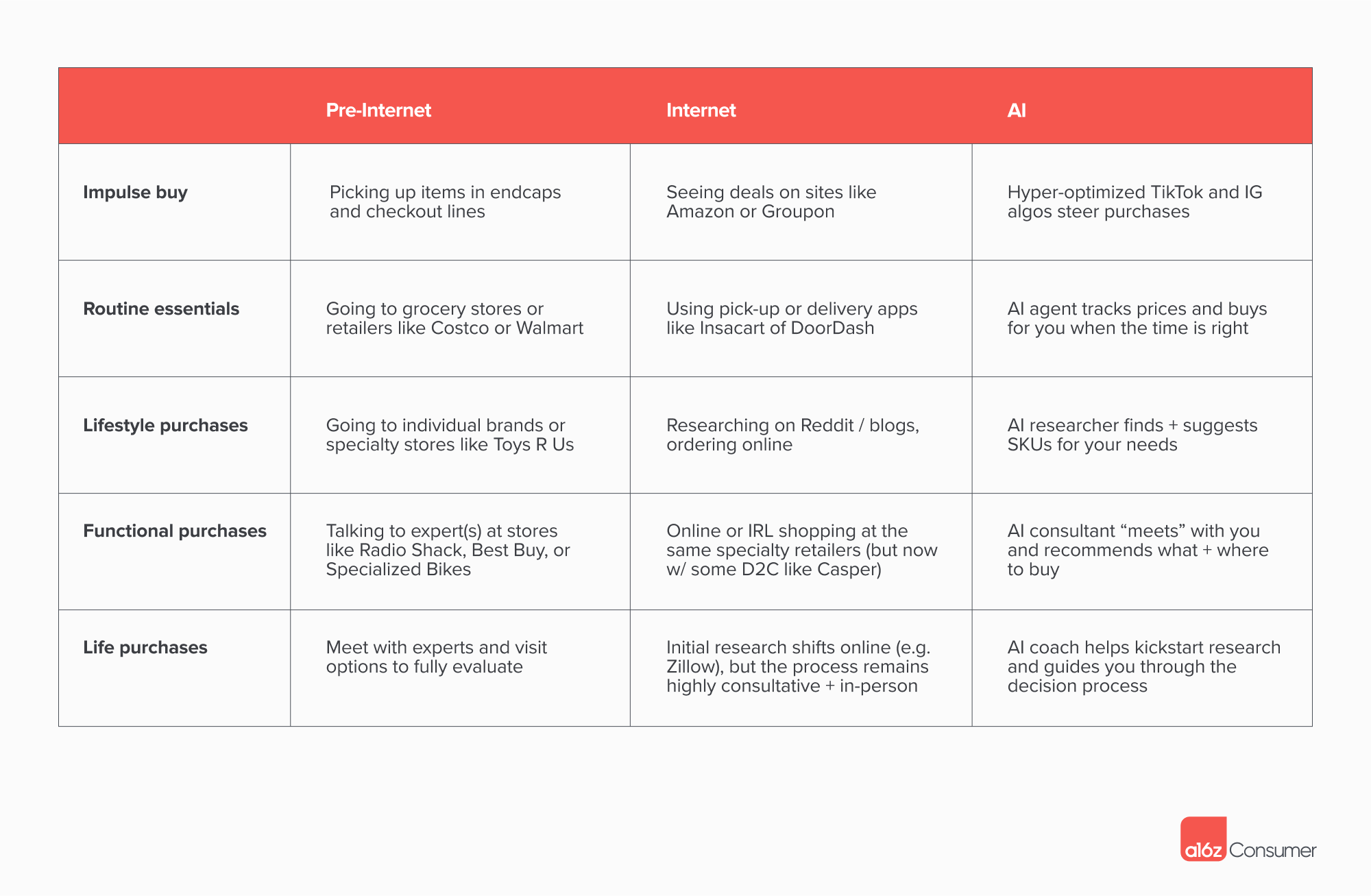
Impulse buys appear to be the least affected by AI since impulsiveness implies no rational research process. However, I think this view may be too superficial. AI’s real power lies in predicting and guiding impulses. Imagine seeing a funny T-shirt on TikTok, and AI has already analyzed your browsing history, purchase records, social activity, even your emotional state—and then delivers the most precisely tailored product at the perfect moment. This isn’t just algorithmic recommendation; it’s deep understanding and manipulation of human impulse psychology. I believe this personalized impulse triggering could make impulse buying more frequent and targeted.
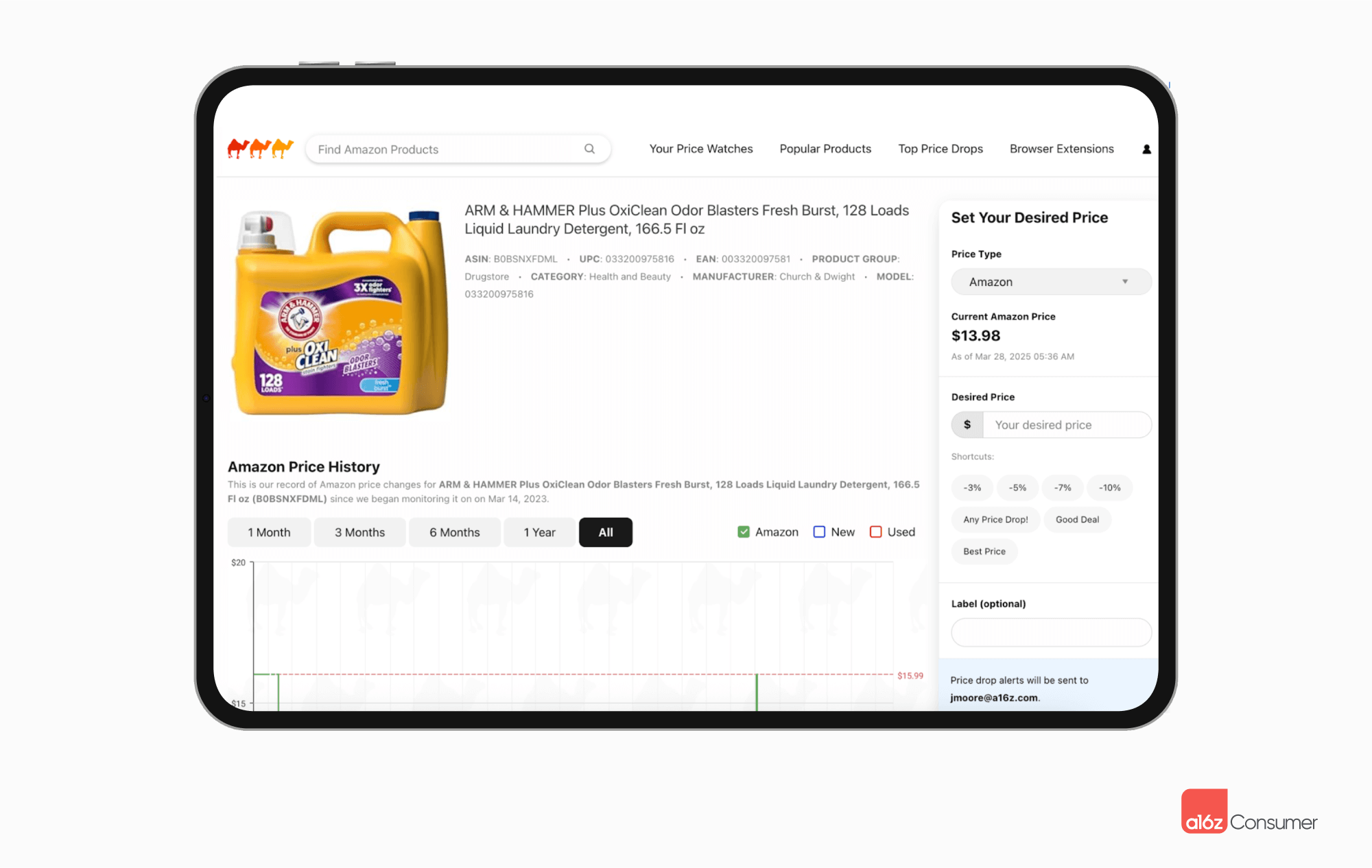
The AI transformation of routine essentials is easiest to understand and implement. But I’ve noticed an interesting phenomenon: as AI begins managing our daily purchase decisions, our consumption habits may subtly shift. For example, AI might adjust your timing and quantity based on price fluctuations, inventory levels, or even weather forecasts. A smart AI agent might detect your laundry detergent will run out in a week, spot a discount on a brand, and suggest an early purchase. This kind of “smart arbitrage” could help consumers unknowingly achieve better value, forcing brands to rethink pricing and promotion strategies.
Lifestyle purchases are where I believe AI will have the greatest impact. These involve moderate price points, personal taste, and some degree of research. Justine mentioned products like Plush, but I see that as just the tip of the iceberg. The real revolution will come from AI’s deep learning of personal style and preferences. Imagine an AI assistant that not only knows what you’ve bought before but understands your body type, skin tone, lifestyle, social circles, and even aspirations. It could recommend not just single items, but full outfit combinations—or even pathways for lifestyle upgrades. This level of personalization surpasses anything traditional e-commerce platforms can offer.
Functional purchases are the most complex and challenging to AI-enable. These typically involve large expenditures and long-term use, requiring more than product recommendations—consumers need expert consultation. I foresee a new category of AI applications emerging here: AI advisors. These AIs won’t just have extensive product knowledge—they’ll engage in deep, human-sales-expert-like conversations. They can probe your specific needs, usage scenarios, budget constraints, even future plans, and deliver highly personalized advice. Crucially, these AI advisors will be cross-brand, avoiding bias toward any particular product due to commissions or inventory.
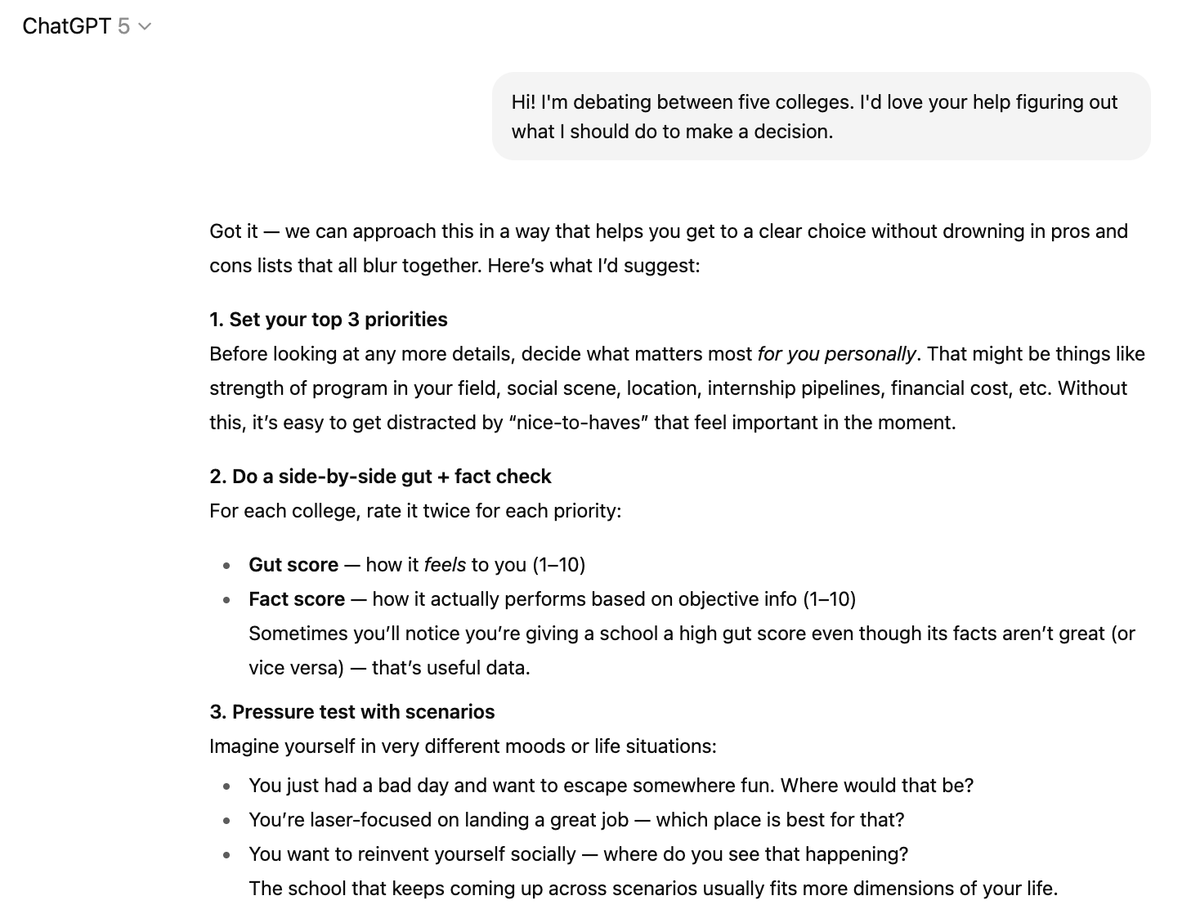
Life purchases—like homes, weddings, education—may be the least influenced by AI, yet also the most important. These decisions are too significant and personal to fully delegate. But AI can play a vital role in gathering information, comparing options, assessing risks. The AI coach I envision doesn’t make decisions for you—it helps you make better ones. It can synthesize vast data, identify hidden pitfalls, simulate long-term outcomes of different choices, even assist in contract negotiations. The value of such an AI coach lies in its neutrality and comprehensiveness—unlike human advisors who may have conflicts of interest.
Amazon and Shopify’s Moats: Dual Advantage of Data and Infrastructure
Justine argues Amazon and Shopify have stronger defenses than Google—an opinion I fully agree with—but I’d like to explore the depth and sustainability of this advantage. Amazon’s strength lies not just in controlling the full chain from search to delivery, but more importantly, in owning the most valuable behavioral data.
Amazon knows what you bought, when, how fast you received it, whether you returned it, whether you repurchased—all of which reflect actual purchase behavior and satisfaction. This data is far more valuable than search history. When an AI agent makes purchase decisions, this behavioral data becomes the most precious training material. Google may know what you searched for, but it doesn’t know what you ultimately bought or whether you were satisfied. This data gap will widen further in the AI era.
Even more importantly, Amazon Prime—a loyalty program—creates a unique economic phenomenon: sunk cost bias. Once you’ve paid for Prime membership, you’re psychologically inclined to buy more on Amazon to “get your money’s worth.” In the AI era, this mechanism could become even stronger. An AI agent making purchase decisions on your behalf may naturally favor Amazon, knowing you’re a Prime member entitled to free shipping and other perks.
Shopify’s defensive logic is entirely different but equally powerful. Instead of locking in consumers, it builds moats by empowering merchants and creating network effects. As more D2C (Direct-to-Consumer) brands adopt Shopify, the platform becomes increasingly indispensable. In the AI era, this decentralized advantage could become even more pronounced. AI agents may need to pull information and execute purchases across hundreds of independent brand websites—and if they all run on Shopify, a standardized API ecosystem emerges.
I believe Shopify has another underappreciated edge: proximity to brand storytelling. In the AI era, functional differences between products may be quickly identified and compared by AI, but emotional connections to brands still require human experience. Brands on Shopify often have unique stories and cultures—soft values difficult for AI to quantify, yet critical in influencing purchase decisions.
Four Infrastructure Challenges for AI Commercialization
At the end of her article, Justine outlines four foundational conditions needed for AI to reach its full potential in commerce. I believe each deserves deeper examination—not just as technical hurdles, but as opportunities for business model innovation.
First is the problem of better data. Current product review systems suffer serious flaws: fake reviews, polarization, lack of context. But I think the root cause is misaligned incentives. Consumers usually write reviews when extremely satisfied or dissatisfied—neutral experiences are rarely recorded. Moreover, existing systems fail to capture usage context, user expectations, or changes over time.
The ideal data system I envision would have AI agents collect not only subjective feedback but also monitor actual product usage via IoT devices. For instance, a smartwatch’s rating shouldn’t just depend on star ratings, but also on actual wearing frequency and duration. A coffee machine’s evaluation should consider real usage patterns, cleaning routines, etc. Only by combining objective usage data with subjective feedback can we build truly valuable product assessment systems.
The unified API challenge is more political than technical. Each e-commerce platform has its own API structure, data format, and authentication methods—differences often deliberately designed to create lock-in. But in the AI agent era, such fragmentation may become a systemic efficiency bottleneck. I predict specialized API aggregation services will emerge—similar to global distribution systems in travel—standardizing interfaces so AI agents can seamlessly compare and purchase across platforms.
Identity and memory is the most complex challenge, balancing privacy, accuracy, and adaptability. I believe future AI shopping assistants will need multi-layer preference models. These models must go beyond purchase history to understand your values, life stage, financial constraints, and more. For example, it should know you prioritize convenience for weekday lunches but care about quality and presentation for weekend gatherings. Such context-aware recommendations require AI to possess near-human social understanding.
Embedded capture may be the most innovative frontier. Traditional data collection is passive and delayed: rate after purchase, feedback after use. But AI agents can enable real-time preference learning. If you linger longer on a certain product feature while browsing, AI can infer higher interest. If you quickly skip certain color options, AI learns your color preferences. Analyzing these micro-interactions allows AI to develop a finer-grained understanding of your tastes.
E-commerce Platform Reshuffle: Who Will Win?
After reflecting on Justine’s analysis, I’ve formed my own views on the future landscape of e-commerce. I believe AI will trigger a new platform reshuffle—but the rules of winning will be different.
In the traditional e-commerce era, competition centered on three dimensions: selection breadth, convenience, and price. Amazon won on selection with its “Everything Store” concept and built convenience advantages through Prime. But in the AI era, the importance of these advantages will shift.
When AI agents can automatically compare prices across the web and execute purchases, individual platform price advantages diminish. When AI enables intelligent batch processing and cross-platform fulfillment, the definition of convenience evolves. True competitive advantage will shift toward data quality, AI capability, and ecosystem integration.
I predict several new types of players will emerge: AI-native e-commerce platforms, vertical AI agents, and commercial infrastructure providers. AI-native platforms will be designed from the ground up around AI agent needs—offering structured product data, standardized APIs, and AI-friendly UX. Vertical AI agents will specialize in specific categories—like fashion, electronics, or home renovation—building competitive edges through deep expertise. Infrastructure providers will offer backend tech services to help legacy platforms become AI-ready.
I also foresee a new business model: AI agent subscriptions. Consumers may no longer shop directly across multiple platforms but instead subscribe to one or more AI shopping agents that handle all purchase decisions. These agents would charge subscription fees rather than commissions, eliminating conflicts of interest and genuinely aligning with consumer interests. This model could redefine the entire e-commerce value chain.
AI Reconfiguration of Brand Marketing: From Mass Marketing to Individual Dialogue
AI’s transformation of commerce extends beyond purchasing behavior—it will fundamentally reshape brand marketing. In the AI agent era, traditional mass marketing will lose much of its effectiveness, as consumers stop actively searching and comparing and instead rely on AI recommendations.
This means brands must learn to communicate with AI, not humans. AI agents evaluate products more rationally and data-driven—they’re unaffected by fancy packaging or emotional ads, focusing instead on objective performance metrics, cost-effectiveness, and user satisfaction scores.
But this doesn’t make brand storytelling irrelevant. On the contrary, authentic brand narratives will become more important, as AI agents deeply analyze brand consistency and credibility. If a brand sends contradictory messages across platforms or over time, AI will easily detect this and reduce its recommendation weight.
I predict a new marketing role will emerge: AI Relations Specialist. Their job will be ensuring a brand’s product info, pricing strategy, inventory management, etc., are correctly interpreted and evaluated by AI. They’ll optimize product data, manage API integrations, monitor AI recommendation patterns, and more.
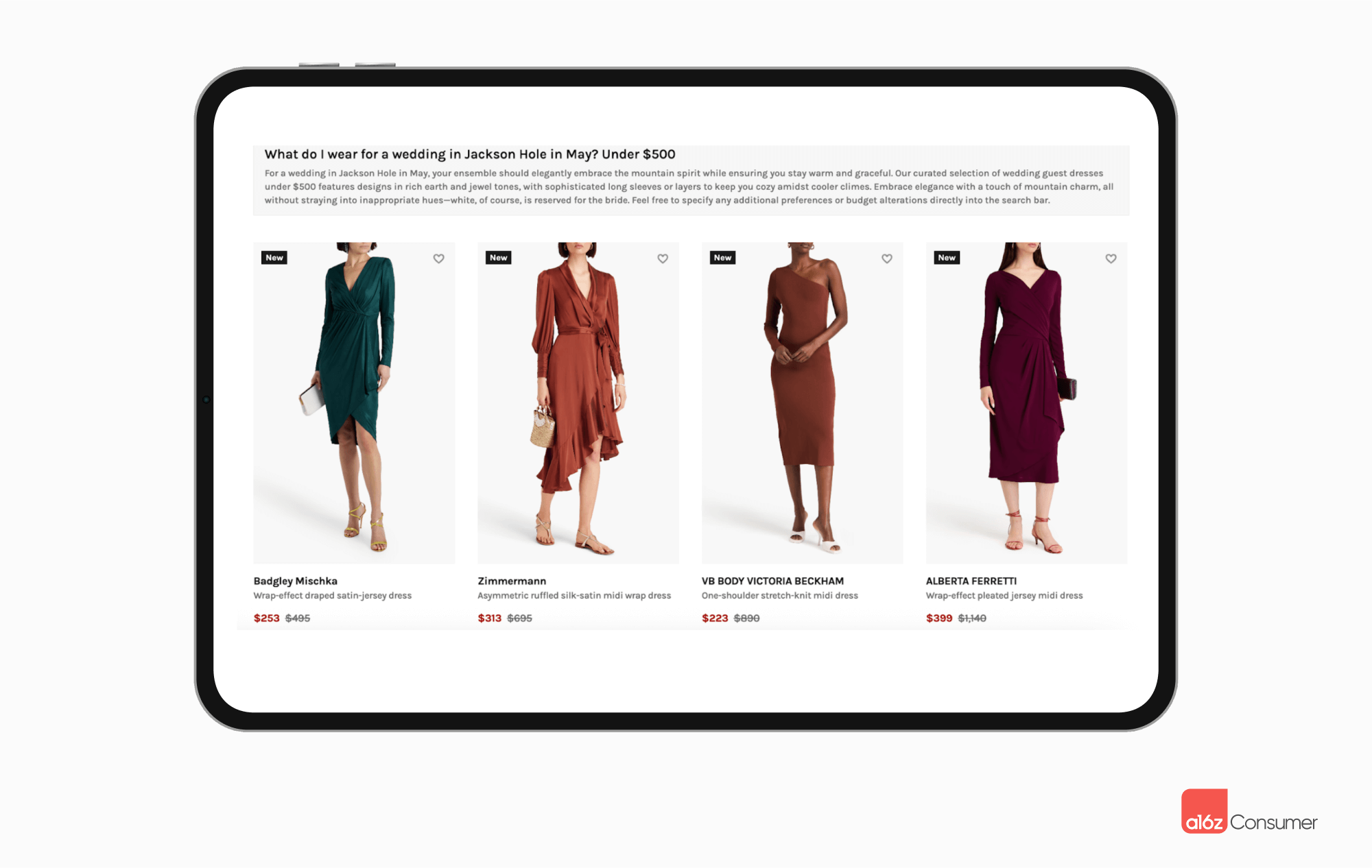
Another key shift is hyper-personalization. When AI agents deeply understand each consumer, brands can offer customized products—not just personalized recommendations, but personalized products themselves. Imagine your AI agent telling a clothing brand your exact measurements, color preferences, fabric requirements, and budget—enabling them to tailor a unique item just for you. Such mass customization becomes economically viable in the AI era.
The Next Decade: What Are We Witnessing?
After deep reflection on Justine’s analysis and my own observations, I believe we’re witnessing not just a transformation of e-commerce, but a deeper shift in economic behavior.
Traditional economics assumes rational consumers who actively gather information, compare options, and make optimal choices. But in reality, we know human decisions are filled with biases, emotions, and cognitive limits. AI agents may make consumers more “rational”—by processing more information, avoiding emotional bias, and consistently applying decision criteria.
This rise of rational consumption could have profound effects. First, market efficiency will greatly increase as consumers more accurately assess product value. Second, product quality will matter more than marketing prowess, as AI agents won’t be swayed by flashy ads. Third, price transparency will improve, as AI effortlessly compares prices across the web.
But I also worry this “hyper-rational” consumption may bring downsides. The joy of discovery in shopping may diminish, as AI always recommends the “optimal” choice, not surprising or delightful ones. Impulse buying, though irrational, is part of life’s pleasures. If everything is optimized by AI, life might become too predictable.
On a macro level, I believe AI’s application in commerce will accelerate economic digitization. More and more commercial activities will be digitally recorded and analyzed, providing unprecedented data foundations for economic planning and policymaking. Governments may gain better tools to forecast trends, detect market failures, and design targeted interventions.
I predict within the next decade, AI-driven commerce will evolve from experimental use to mainstream practice. Early adopters will gain significant advantages, but as technology spreads, those edges will gradually commoditize. The true long-term winners will be companies that successfully redefine customer value in the AI era.
Join TechFlow official community to stay tuned
Telegram:https://t.me/TechFlowDaily
X (Twitter):https://x.com/TechFlowPost
X (Twitter) EN:https://x.com/BlockFlow_News