Trump has turned the trade war into a whack-a-mole game, and this struggle is unlikely to have an ending
TechFlow Selected TechFlow Selected
Trump has turned the trade war into a whack-a-mole game, and this struggle is unlikely to have an ending
Trump gives trade negotiators three more weeks, but threatens to impose tariffs.
 Navigating Web3 tides with focused insights
Author: Jinshi Data
From South Africa to Malaysia, countries negotiating trade deals with the White House are being "rewarded" with an additional three weeks of high-pressure waiting.
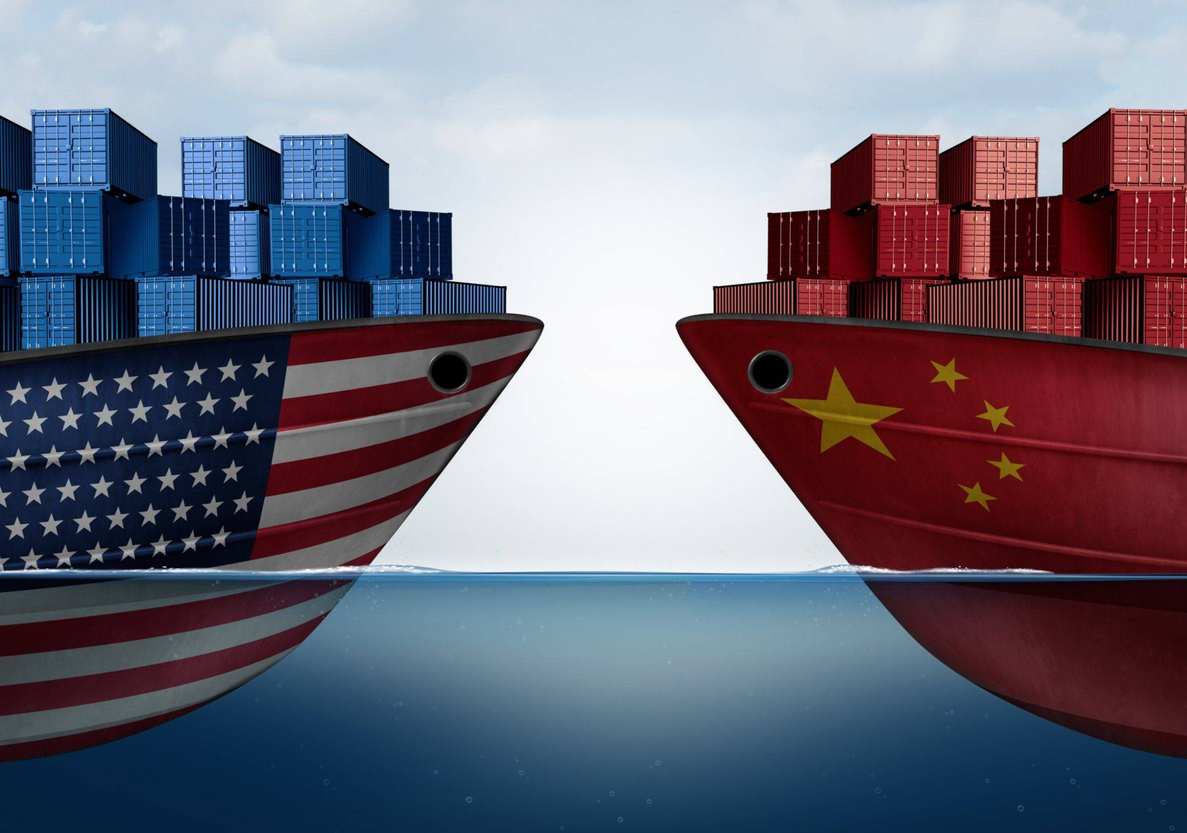
On Monday, U.S. President Donald Trump once again extended the deadline for countries to reach bilateral trade agreements—this time until August 1. His announcement carried a threatening tone, warning in letters to multiple foreign leaders that their exports would face tariffs of 25% to 40% starting next month if no deal was reached.
Market analyst Gabriel Rubin said, this is effectively a reiteration of his "Liberation Day" tariff threats, and his whack-a-mole approach suggests that even if agreements are reached, the outlook remains bleak.
Rubin pointed out that the experiences of Japan and South Korea serve as cautionary tales. In Trump’s April trade announcement, he proposed imposing 24% and 25% tariffs on Japan and South Korea respectively, then delayed implementation to allow negotiations. Afterwards, he continued complaining that Japan imports too little American rice and cars.
In reality, half of Japan's duty-free rice imports already come from the United States; meanwhile, total U.S. rice exports globally amount to only about $2 billion annually—far less than the $13 billion Japanese tourism contributed to the U.S. economy in 2019 (according to U.S. State Department data). Despite this, Trump and his spokesperson Karoline Leavitt have continued to focus intensely on this issue.
South Korea’s experience illustrates the cost of failing to satisfy Trump’s whims. The U.S.-South Korea free trade agreement, effective since 2012, has not prevented Trump from applying sweeping pressure today. His current agenda could hinder major South Korean industrial firms from expanding capacity in the United States—recent cuts in electric vehicle subsidies may already impact companies like battery maker SK On and automaker Hyundai.
For smaller nations, meeting Trump’s tariff demands is even more difficult. Take Laos: in 2024, it imported $40 million worth of goods from the U.S., while exporting $803 million to the U.S. This scale is negligible within America’s $1.2 trillion merchandise trade deficit, but Trump’s promised 40% tariff on Laotian exports would have a significant impact on Laos’ $16 billion economy.
Besides securing rollbacks of yet-to-be-implemented tariffs, the tangible benefits countries gain from reaching these “agreements” remain highly unclear. In Vietnam’s case, the interim deal announced by Trump includes not only a 20% tariff but also special levies targeting “goods from other countries transshipped through Vietnam.”
The terms Trump announced on Monday for Japan and South Korea, which have not reached agreements, similarly include such “transshipment tariffs,” along with a base rate of 25%. According to the White House, Vietnam has even reduced its tariffs on U.S. goods to zero.
Meanwhile, Trump continues to target new “nemeses”—such as threatening an additional 10% tariff on BRICS nations. Whether this chaotic situation will ever truly end remains uncertain.
For most countries, the best possible outcome might resemble the framework agreement reached between the U.S. and the UK: easing only select trade barriers, with minimal other changes. Even so, such limited progress offers no guarantee that Trump won’t change his mind again in the future.
Join TechFlow official community to stay tuned
Telegram:https://t.me/TechFlowDaily
X (Twitter):https://x.com/TechFlowPost
X (Twitter) EN:https://x.com/BlockFlow_News