








Monad Foundry Ends: Practicality, Achieving Product-Market Fit, Breaking Boundaries, and Delivery Speed Are Key to Success
TechFlow Selected TechFlow Selected
Monad Foundry Ends: Practicality, Achieving Product-Market Fit, Breaking Boundaries, and Delivery Speed Are Key to Success
Foundry "NYC 2.2" demonstrated the unique value of the Monad Foundation in ecosystem development.
 Navigating Web3 tides with focused insights
Written by: TechFlow
Recently, market attention has been drawn to U.S. stocks, Circle, and stablecoin booms, leaving fewer headlines about projects quietly building their ecosystems. Yet among the most anticipated mainnet launches in crypto for 2025, the Monad Foundation’s recently concluded Foundry "NYC 2.2" event in New York sparked widespread discussion across social media among founders still deeply committed to ecosystem development. Many participants remarked:
In terms of providing early-stage founders with feedback, Monad Foundry "NYC 2.2" is top-tier.
As a leader in parallel EVM technology, Monad aims to improve and enhance EVM execution efficiency through parallel processing at the Layer1 level, unlocking the full potential of the EVM ecosystem. Foundry "NYC 2.2," meticulously crafted by the Monad Foundation as its flagship annual event in 2025, was specifically designed for application builders and developers, aiming to attract global talent to innovate on the Monad platform.
Praised for its efficient organization, deep technical exchanges, and practical market guidance, let's explore firsthand accounts from attendees on-site in New York to understand the robust support the Monad Foundation continues to offer its ecosystem builders.
Face-to-Face with Core Foundation Members, Leading Ecosystem Projects, and Top VCs
From June 17 to 21, 2025, Foundry "NYC 2.2" took place in New York City, USA.
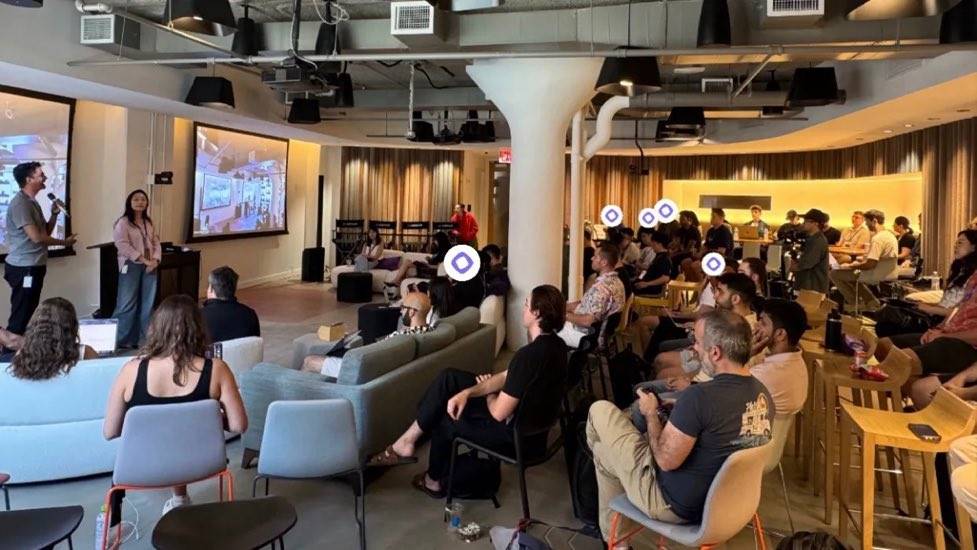
As a carefully curated annual offline gathering organized by the Monad Foundation, Foundry "NYC 2.2" aimed to provide Monad ecosystem builders with a concentrated opportunity for交流 and learning, drawing developers from cities around the world to collectively explore new paradigms of innovation within the Monad ecosystem over just one week. After application and review, a total of 44 projects from 30 cities globally, comprising 79 builders, participated in the event, with over 50 venture capitalists attending live presentations.
Multifaceted perspective-sharing and resource integration were standout features of Foundry "NYC 2.2." Key participants included:
-
Monad core team members: including co-founders Keone Hon and Eunice Giarta, Consumer Lead Shreyas Hariharan, Director of BD Joey Anthony, and NFT Lead Karma Gora;
-
Founders from leading Monad ecosystem projects: spanning diverse sectors such as DeFi, consumer apps, gaming, AI, DePIN, and NFTs;
-
Representatives from renowned VCs: dozens of top-tier firms attended, including Paradigm, Electric Capital, Dragonfly, Pantera Capital, Figment Capital, Volt Capital, Ethereal Ventures, SevenX Ventures, and Hack VC.
With such an impressive lineup, participants unanimously noted: you can effortlessly feel intellectual collisions and comprehensive support during the event, including:
-
One-on-one conversations with core Monad Foundation members: receiving targeted guidance on technical issues, product design, and market strategy;
-
Collaborating side-by-side with successful project founders within the Monad ecosystem: exchanging GTM growth strategies and identifying future collaboration opportunities;
-
Direct access to VCs: gaining valuable first-hand advice and potential funding opportunities;
-
Competing for pitch slots to gain extra exposure: through pitches, developers could showcase their projects to the foundation, investors, and other ecosystem members, attracting greater attention and resources.
Not Innovation for Innovation’s Sake: Focus on Practicality and Achieving Product-Market Fit
Build products based on real user needs and feedback—first validate a small, repeatable loop, then explore scalability.
This was one of the core messages conveyed at Foundry "NYC 2.2." Several participants shared their reflections on social media.
Patrick Hizon, Co-Founder and CEO of Mu Digital (Twitter: @hizonpm), said after attending:
User feedback is key. Don’t build what you think is right—build based on measurable user feedback. If you’re not talking to users, what are you even doing?
J, CEO of RareBetSports (RBS), a beloved project in the Monad ecosystem (Twitter: @RBS_Gyarados), echoed similar views:
After spending a week with some top founders, I’ve learned several critical points for taking RBS to the next level:
-
Identify the key drivers of growth and double down. Keep experimenting.
-
Once you identify the channels, messaging, or mechanisms that truly drive user growth, commit fully and scale aggressively.
-
Build for users first, then consider scaling.
Solve real problems for a small group today. The insights and loyalty you gain will lay the confidence needed for future scalable growth.
A consistent feedback loop combined with a clear GTM strategy leads to growth. When you continuously learn from users, each iteration compounds. Growth becomes rhythm, not blind guessing.
The Monad team is working toward long-term ecosystem development—not just building infrastructure, but cultivating the ecosystem and supporting founders.
Yuki, Co-Founder of LootGO—a popular treasure-hunting game in the Monad ecosystem (Twitter: @yuki__app)—also participated and shared his thoughts on GTM:
Last Sunday, I met @PareenL (Founder Community Lead at Monad Foundation), who gave me some brutally honest but necessary feedback: a repeatable closed loop × a clear GTM lever = scalability.
Whether it's recurring events or a self-contained gameplay loop, prove it works before thinking about expansion.
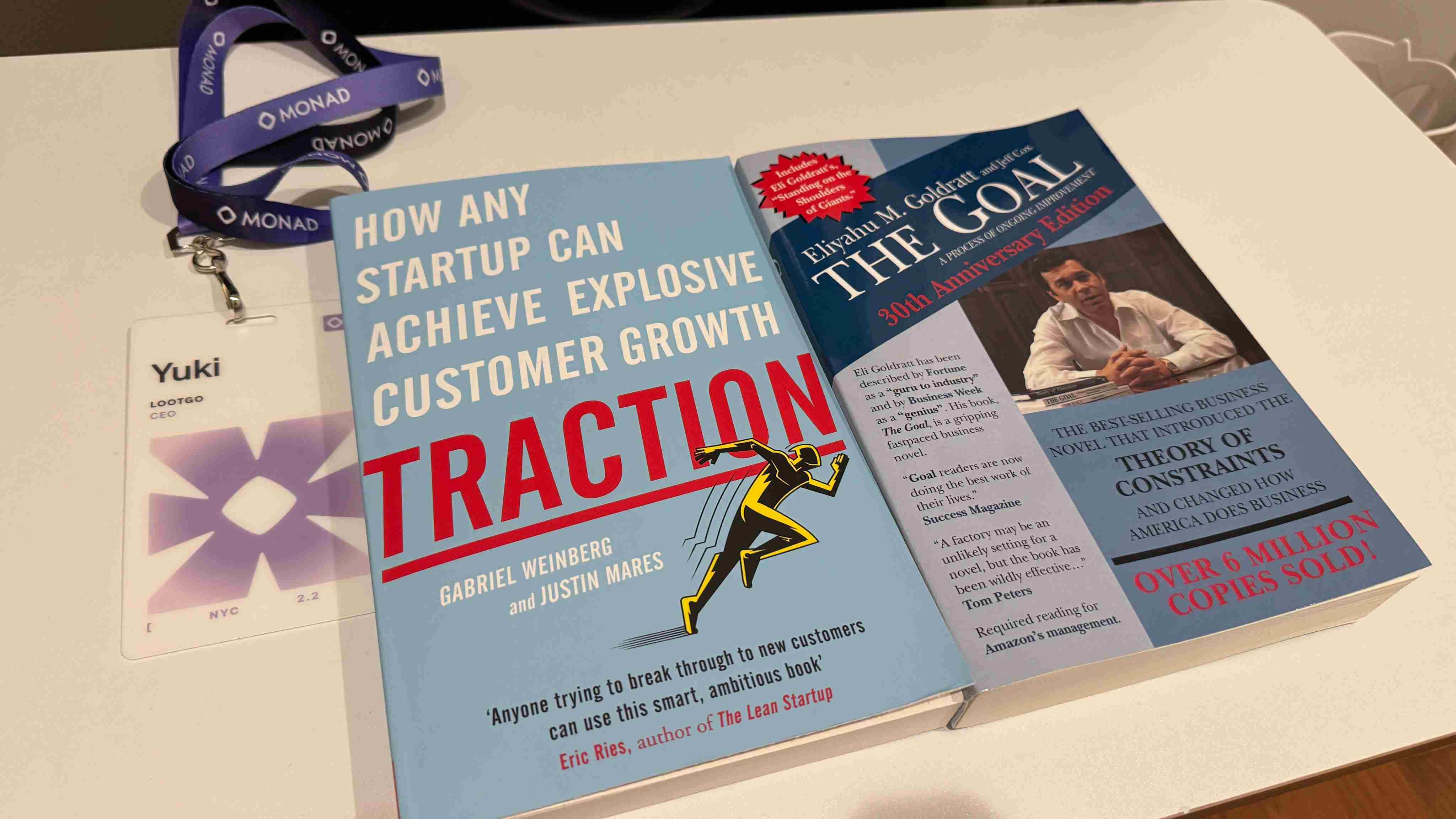
We don’t need to do everything—just focus on the one thing that truly moves the needle. (Thanks to @keoneHD “Co-Founder of Monad” for recommending books on constraint-solving and GTM.)
On the theme of "building based on real user needs," Monad Foundation NFT Lead Karma Gora (Twitter: @wagmigently) also shared on social media:
Founders lie to themselves, believing they've achieved product-market fit (PMF). Users lie, saying they like your product (often due to incentives). Angel investors lie about why they're not investing (because it's easier than giving harsh feedback). Partners lie about your app quality (because standards in crypto are low).
The Monad Foundation breaks this cycle.
The days of raising funds with just Figma mockups are over. Every team that caught VC interest this week had a working app or demo with user-validated results. Build first, fundraise later.
The next wave of mass adoption in crypto won’t be driven by teams chasing narratives, but by founders focused on solving real problems for real users.
This week taught me a lot about how to identify and support these builders.
Speed Over Everything: Start by Building an MVP
In the fast-paced world of crypto, speed is one of the key determinants of success—whether it’s product iteration or rapid market response, it all affects whether a project can seize the initiative in a volatile environment. This sentiment resonated deeply with attendees of Foundry "NYC 2.2."
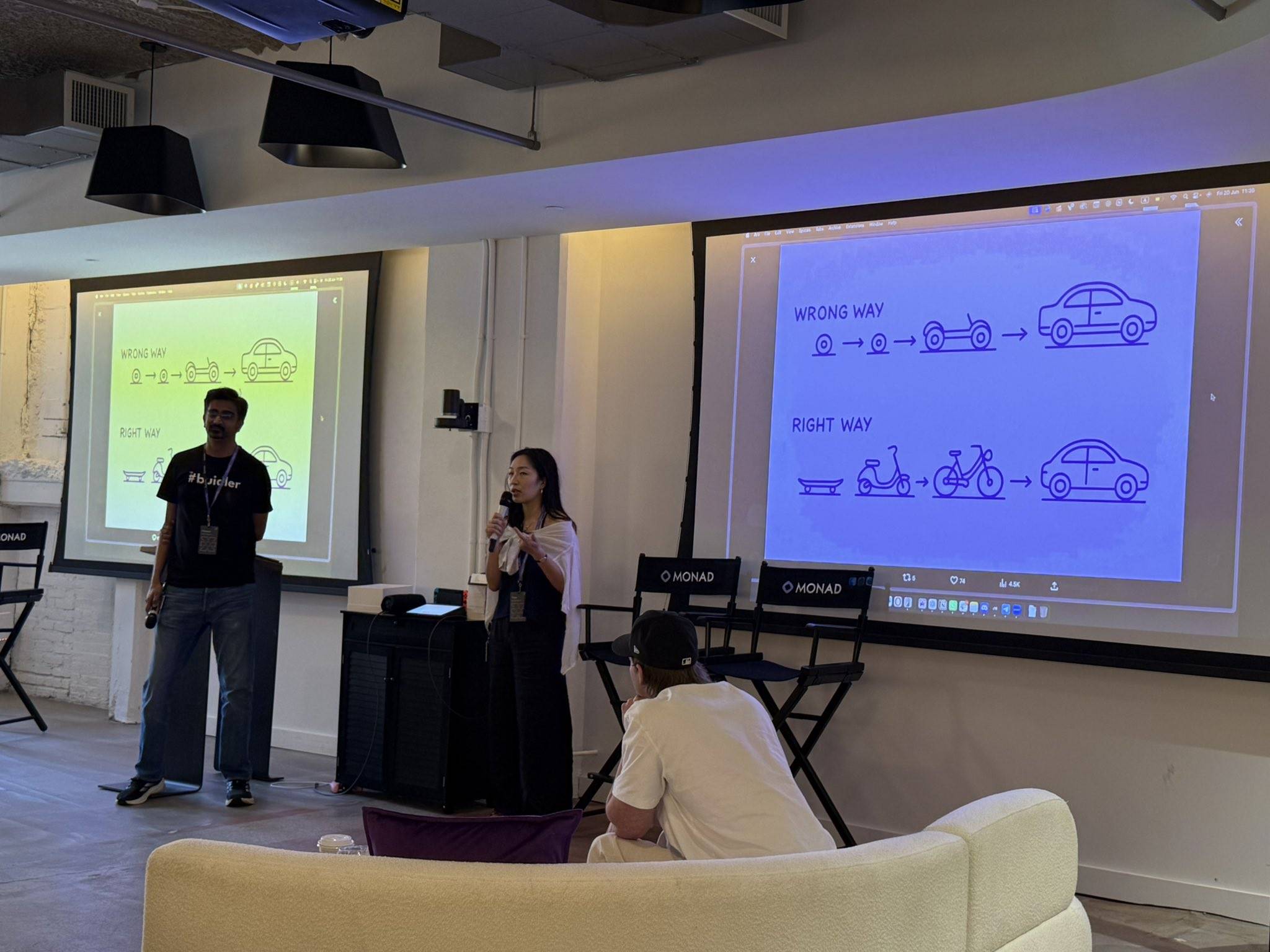
Karma Gora, NFT Lead at the Monad Foundation (Twitter: @wagmigently), used a vivid analogy to illustrate the importance of fast delivery and iteration:
Want to build a car? Start with a skateboard.
Teams often spend weeks solving problems that don’t exist. Instead, build the simplest, roughest MVP (minimum viable product) that accomplishes the core task, then iterate based on real user feedback.
Pumpfun launched with less than half its planned features!
@keoneHD (Co-Founder of Monad) doesn’t ask every Friday, “What’s your six-month plan?”—he asks, “What did you do this week?” We’re seeing teams in the Monad ecosystem implement improvements within hours of receiving feedback. That’s the mindset of winners.
On the importance of rapid delivery and agile adjustment, Yuki, Co-Founder of LootGO, added:
This week, working alongside other outstanding builders and the Monad Foundation team, I learned a lot—delivering quickly, even slightly pivoting mid-week.
Facing immense pressure while pursuing speed, Patrick Hizon, Co-Founder and CEO of Mu Digital, adopted an even more proactive attitude:
Don’t avoid pressure—lean into it.
Only the brave enter the arena. If you haven’t failed, you haven’t tried hard enough. We’re here to build unicorns, so aim higher.
Breaking Out: From Crypto Circles to Mainstream Audiences
Mass adoption remains a frequently discussed yet persistently elusive goal in the crypto industry. At Foundry "NYC 2.2," participants gained unique insights on breaking out of niche crypto circles through dialogue and idea exchange.
Patrick Hizon, Co-Founder and CEO of Mu Digital, shared his insight on going mainstream via social media:
Build for broad acceptance, not just crypto natives.
While Monad is our home base, we’re building for all of Web3 and all users. Monad to Millions = expand your orbit. (Thanks to @0x_eunice “Co-Founder of Monad” and @PareenL “Founder Community Lead at Monad Foundation” for specific advice.)
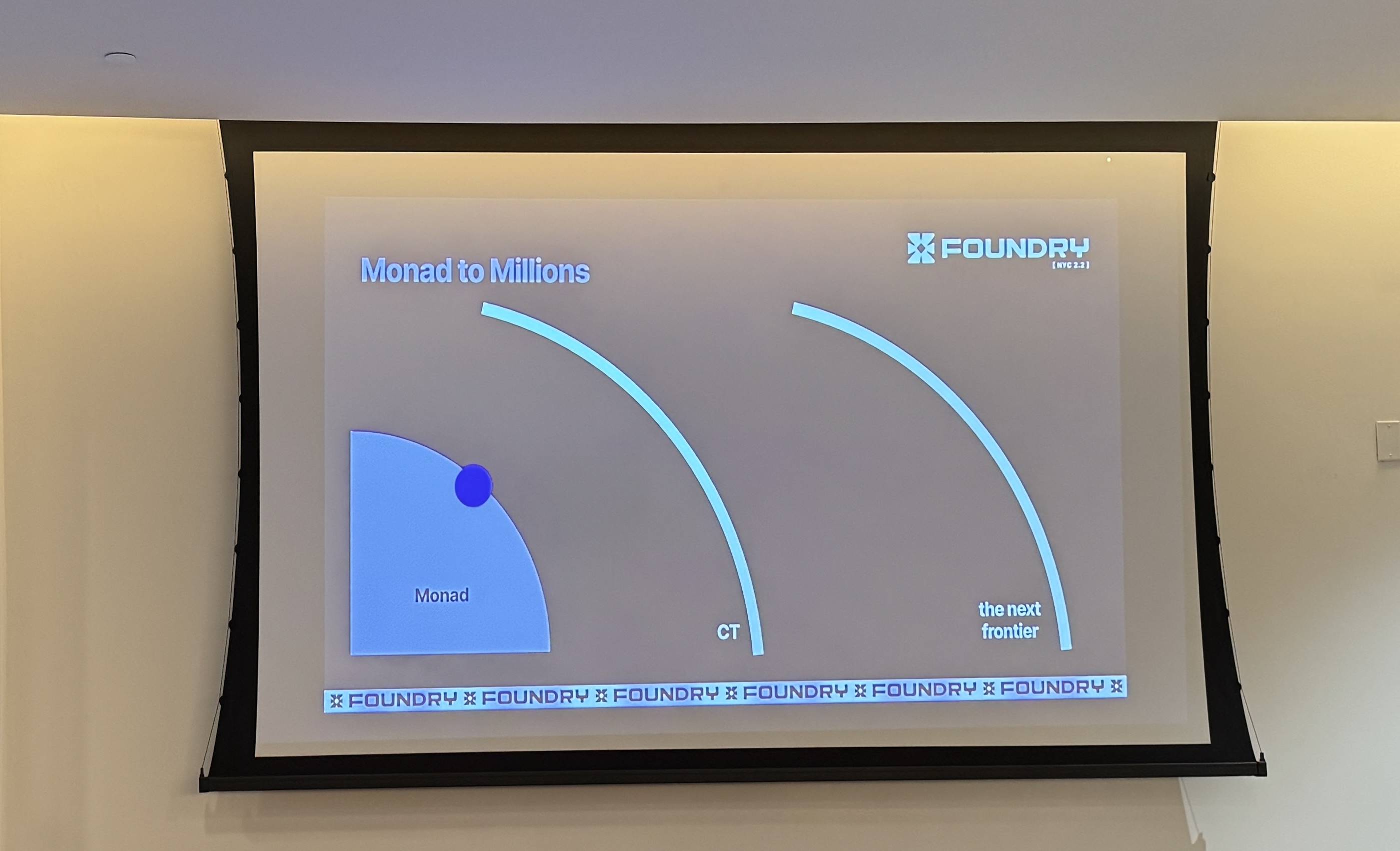
Yuki, Co-Founder of LootGO, shared valuable breakout advice he received during the event:
Several members of the Monad team pointed out that LootGO has genuine potential beyond the Monad and crypto-native communities. It’s time to define our core strengths, clarify our target users, optimize onboarding, and identify effective outreach channels.
Constantly Challenging Yourself Through Equal and Honest Dialogue
A friendly and open atmosphere permeated the entire Foundry "NYC 2.2" event. Whether it was core members of the Monad Foundation or participating ecosystem builders, everyone offered suggestions sincerely and shared experiences openly.
JC Zhang, Founder of TownSquare and participant in Monad Madness NYC (Twitter: @realjcz), said:
I strongly recommend anyone participate in future Monad programs.
The Monad Foundation genuinely cares about your success as a founder and the success of your project. You won’t experience the politicized environment found in other ecosystems—one that distracts from focusing on product growth.
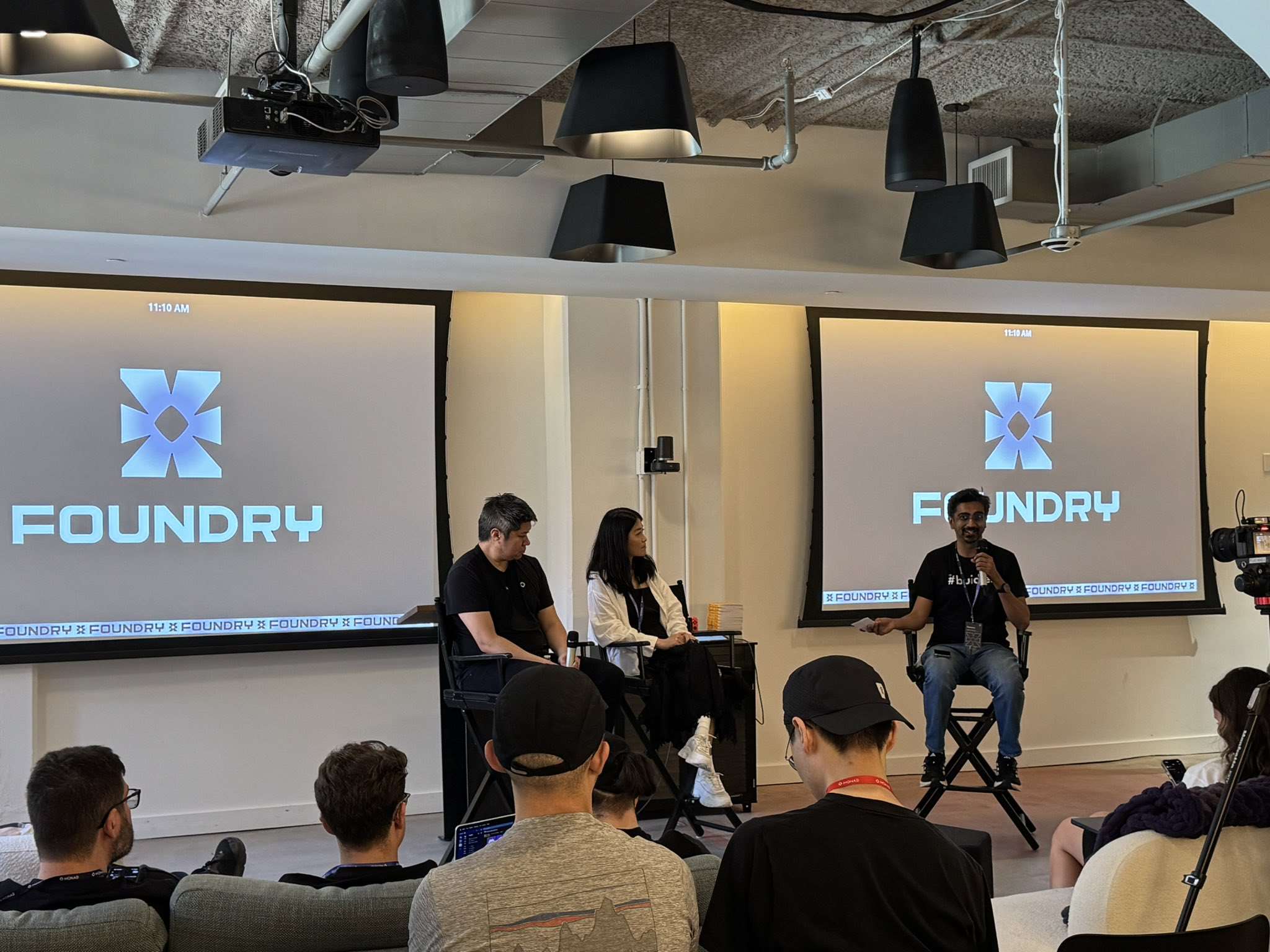
But friendliness doesn’t mean sugarcoating or avoiding tough questions. On the contrary, in this sincere environment, discussions about products and projects became deeper and more challenging.
Patrick Hizon, Co-Founder and CEO of Mu Digital, described his experience of the event atmosphere:
At first, it might seem like a “kumbaya session” of familiar faces and teams, but it quickly evolved into a “shockwave” that pushed us to another level.
This “shockwave” experience was echoed by others. Luduvigo, Founder of Gorillionaire and winner of the evm/accathon hackathon (Twitter: @luduvigo), likened the series of suggestions he received on-site to “a slap in the face”—but admitted it was exactly what he needed:
Receiving direct and candid advice from top industry experts, being challenged, collaborating in person with the best companies on Monad, and connecting with our community via Discord for product feedback.
It saved us six months.
The organization, advice, and reality checks provided by @PareenL (Founder Community Lead at Monad Foundation) and @thetinaverse (Monad ecosystem lead) were world-class.
Thank you to @keoneHD (Monad Co-Founder), @0x_eunice (Monad Co-Founder), and the Monad team for the opportunity to join this incredible program.
Meanwhile, Forrest, Founder and CEO of Opinion Labs (Twitter: @ForrestOLAB), shared more detailed reflections:
Spent a week at The Foundry, working with the Monad team and brilliant peers. This intense, deep collaboration felt like YC—the relentless challenge of assumptions and boundary-pushing energy.
This week we dove deep into:
-
How to make trading any opinion or complex financial product as easy as posting a tweet (UI/UX, AI Oracles, liquidity);
-
Building with the community, making everyone part of the journey;
-
Challenging our path, pushing limits, and realizing our vision: becoming the infrastructure for trading anything.
What makes Foundry special is its mindset: reset to zero, never satisfied, constantly questioning, maximizing possibilities. Keep building, keep delivering!
Five Teams Stand Out: Injecting New Energy into Ecosystem Growth
Ultimately, among the 44 participating teams, five stood out and earned pitching opportunities.
Notably, on June 19, Monad announced the launch of its second-phase testnet validator nodes, with 161 validators now active across 64 cities in 33 countries—demonstrating Monad’s commitment to decentralization and performance. The second phase of the Monad testnet (Testnet-2) primarily targets validator operators, preparing rigorously for mainnet launch. This signals that Monad is approaching a pivotal moment, nearly ready for mainnet deployment.
Foundry "NYC 2.2" demonstrated the unique value of the Monad Foundation in ecosystem development. By fostering a welcoming atmosphere and offering honest advice, the Foundation created an open platform for交流; through candid feedback and profound challenges, it helped teams quickly identify breakthrough directions and achieve efficient growth.
With steady progress in ecosystem building, the Monad mainnet is drawing ever closer. Let’s look forward together—and continue co-building a positive, sustainable ecosystem.
Join TechFlow official community to stay tuned
Telegram:https://t.me/TechFlowDaily
X (Twitter):https://x.com/TechFlowPost
X (Twitter) EN:https://x.com/BlockFlow_News
 深潮TechFlow


