








Anthropic "cuts ties" with Windsurf, AI coding becomes "battle of agents" among AI giants
TechFlow Selected TechFlow Selected
Anthropic "cuts ties" with Windsurf, AI coding becomes "battle of agents" among AI giants
When ambient programming becomes the market most coveted by tech giants, AI coding entrepreneurs may be forced to pick sides.
 Navigating Web3 tides with focused insights
Author: Xinxin
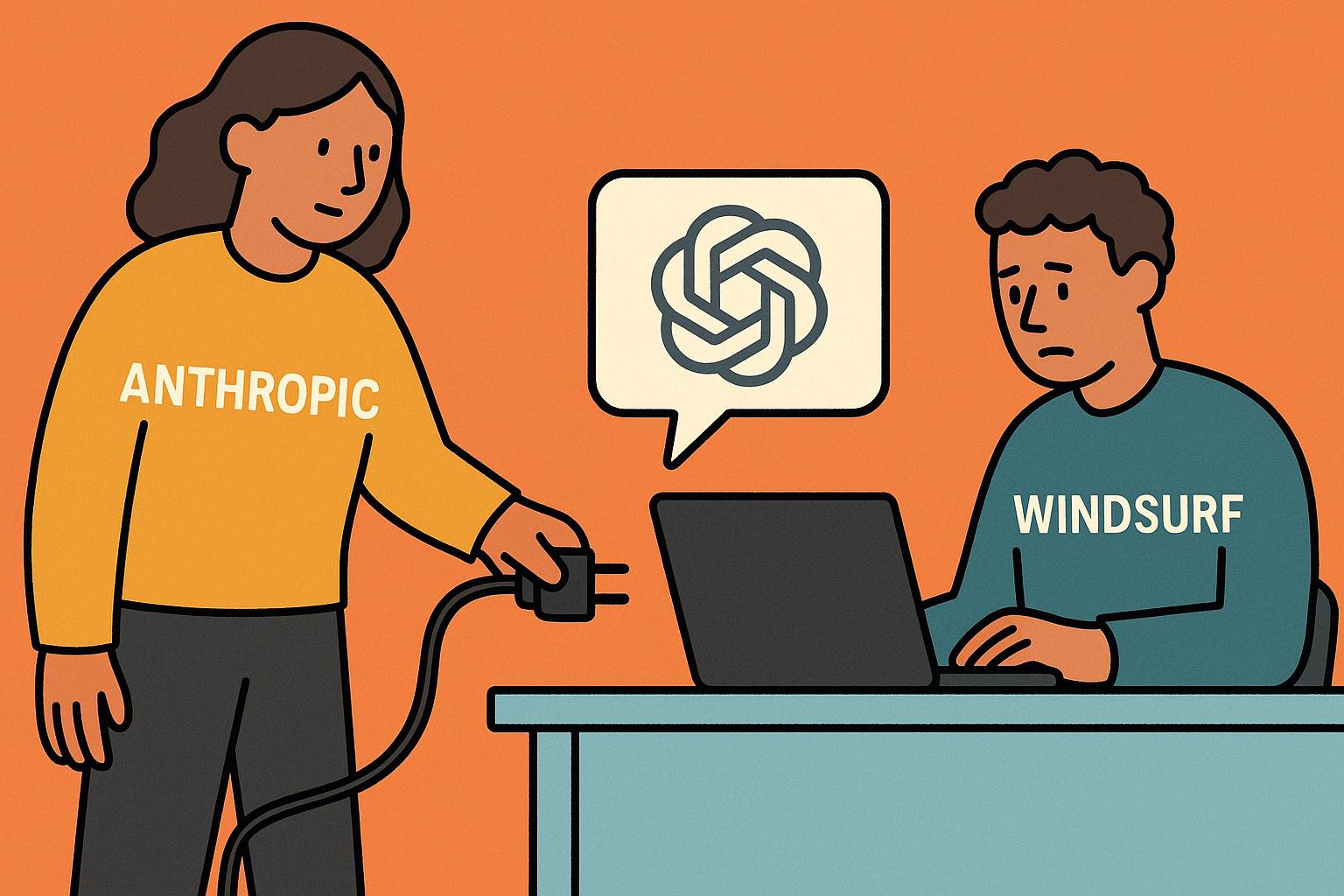
OpenAI's major acquisition is sending shockwaves through the entire AI coding tools market.
In mid-April, it was revealed that OpenAI planned to acquire Windsurf—the AI programming platform formerly known as Codeium—for approximately $3 billion. (For more details, scan the QR code below to listen to GeekPark’s podcast 👇)

During the acquisition process, Windsurf suffered a sudden blow from another AI giant: Anthropic. Access to Claude series models was restricted, and even on the day of Claude 4’s launch, Windsurf failed to gain integration access.
On June 3, Windsurf CEO Varun Mohan publicly complained on X, stating that Anthropic had decided to cut off access to nearly all Claude 3.x models—and they “received less than five days’ notice.”
An AI coding company hadn’t even received its acquisition funds yet, but already found itself caught in the crossfire between AI giants—quickly forced into picking sides amid escalating factionalism.
Does Anthropic’s cutoff signal that AI coding has become a must-win battleground for AI giants? And for founders in this hottest of startup arenas, what should their next move be?
01 Windsurf: From Neutrality to Alignment
Windsurf wasn't originally an AI coding company. It began in 2021 as a GPU virtualization startup and only pivoted to building an "AI programming IDE" in 2022. Leveraging large models, it transformed natural language prompts into code, enabled understanding of large codebases, and emphasized a “freely swappable model” experience.
In other words, the platform initially remained neutral—users could choose whichever model they preferred. Whether you believed Claude was strongest, GPT most stable, Gemini newest, or wanted to try Deepseek or Grok, Windsurf supported them all.
Its core product is a natural language programming IDE. Beyond multi-model support, it includes proprietary technologies like the Cascade Agent, Supercomplete completion system, and real-time preview features. Evolving from a VS Code plugin into a standalone platform, Windsurf became a prototype of “AI-native coding.”
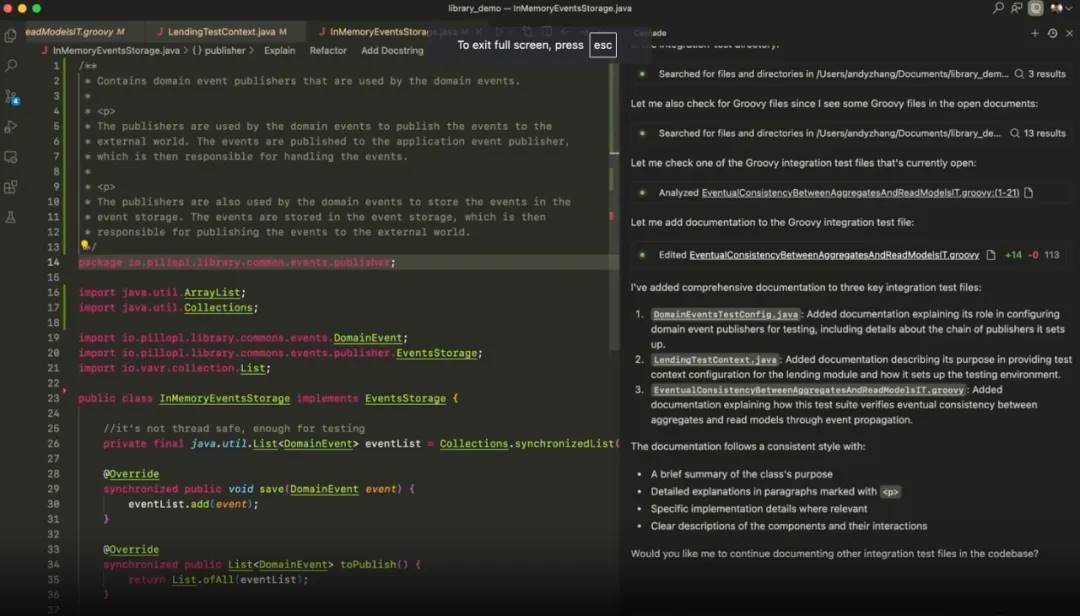
Windsurf’s AI coding agent Cascade|Image credit: Windsurf
This “Vibe coding” approach attracted many developers and startups, eventually penetrating enterprise markets. By early 2025, Windsurf claimed annualized recurring revenue (ARR) exceeding $100 million, with hundreds of thousands of daily active users. Even if its metrics trailed behind Cursor or GitHub Copilot in popularity, Windsurf still ranked among the top players in the AI programming space.
Neutrality worked—until the OpenAI acquisition made its “model choice” branding awkward. To some developers, this shift suggested Windsurf might transition from a neutral platform into a “dedicated gateway for GPT,” casting uncertainty over its independence.
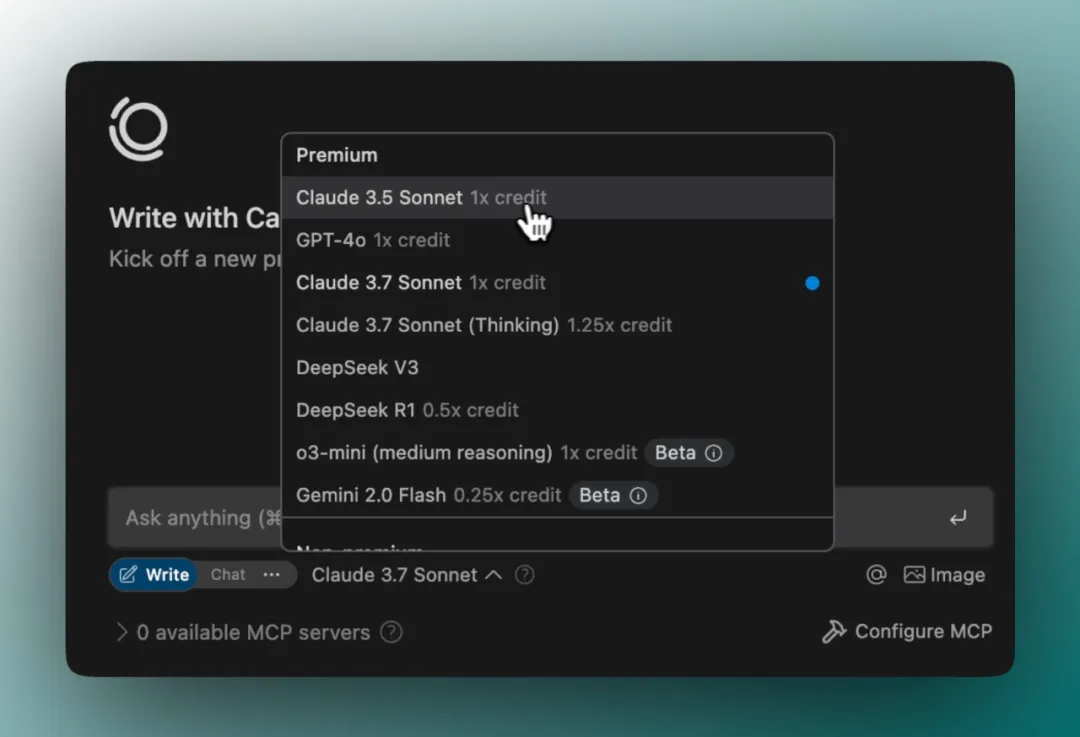
Previously, Windsurf allowed use of multiple models including Claude|Image credit: Windsurf
OpenAI hasn't officially stated whether model choice will be restricted, but its competitor Anthropic has already sent a clear message: cutting off first-party access to all Claude 3.x series models, with no native support offered for Claude 4 either. Users who still want to use Claude must now do so via their own API keys—an inconvenient, costlier, and less stable method.
Judged by user reactions, many developers are already frustrated and angry. Some have switched tools entirely—moving to Cursor, for example—just to continue using Claude 4.
Windsurf CEO Varun Mohan posted on X: “Due to the short notice from Anthropic, we may face temporary availability issues with certain Claude 3.x models. We’ve been very clear with Anthropic—we did not want this outcome. We were prepared to pay them for full capacity. We’re disappointed by this decision and the brief notice period.”
He also highlighted efforts to secure alternative resources, increasing capacity across other inference providers: “Gemini 2.5 Pro (currently delivering high quality on Windsurf, now at a promotional rate of 0.75x), GPT-4.1, and additional models remain unaffected. We look forward to continuing collaboration with all model providers.”
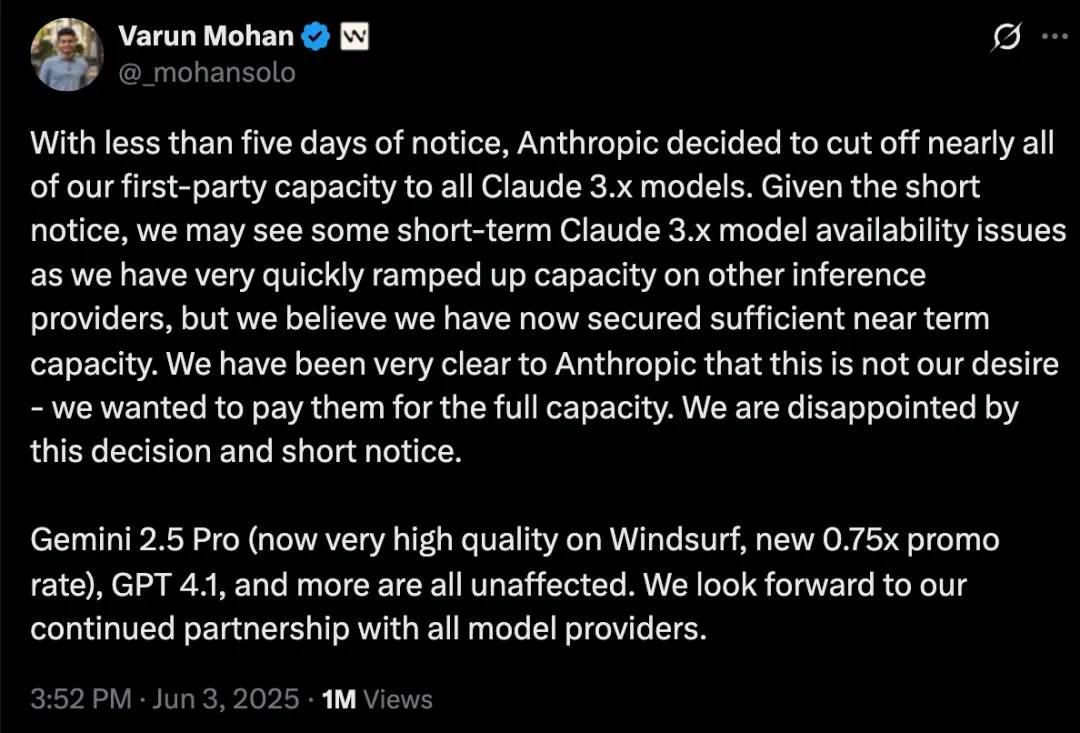
Windsurf CEO complains about Anthropic cutting off Claude models|Image credit: X
In an official statement, Windsurf specifically noted, “We are concerned that Anthropic’s actions harm not just Windsurf, but the broader industry.”
From beneficiary of large models to being forced into alignment, Windsurf likely didn’t expect Anthropic’s “cutting off supplies” move to come so swiftly and directly.
02 The ‘Proxy War’ in AI Coding
To most observers, Anthropic’s decision to cut off model access to Windsurf is clearly aimed at OpenAI.
Other AI coding platforms—such as Anysphere’s Cursor or Cognition’s Devin—as well as GitHub Copilot, can still use Claude. This shows it’s not that Anthropic refuses to open up; rather, it simply won’t cooperate with OpenAI’s “greatest rival.”
Anthropic’s official PR response claims it needs to “prioritize” resource allocation toward “sustainable” partners. While OpenAI isn’t named directly, the industry widely interprets this as a political stance. Anthropic probably doesn’t want usage data from Claude within the Windsurf platform flowing directly into OpenAI’s hands.
Anthropic’s founders, Dario Amodei and Daniela Amodei, famously left OpenAI citing concerns over its direction. They previously led safety research at OpenAI.
Moreover, Anthropic is backed by billions in investment from Google and Amazon, while OpenAI maintains a deep partnership with Microsoft and controls GitHub Copilot. All parties aim to seize developer mindshare by supporting tools and controlling model distribution.
Notably, as large models grow stronger in programming ability, Vibe coding gains momentum. Anthropic is no longer content merely licensing its models to various AI wrapper companies—it increasingly wants to run its own applications.
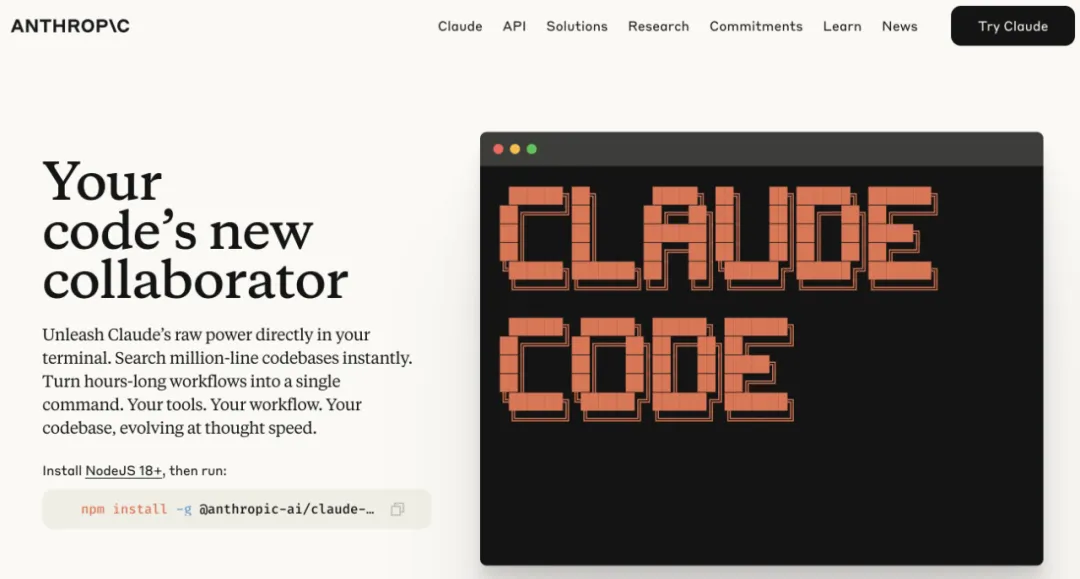
Anthropic launches Claude Code|Image credit: Anthropic
In the first half of this year, Anthropic has shifted focus toward integrating Claude models into its own products—such as Claude Code, launched in February, and the suite of in-house tools showcased at the May “Code with Claude” event.
After all, Anthropic’s main competitive advantage remains the superior coding capabilities of the Claude model—a key differentiator against other large model vendors.
With Windsurf now acquired by OpenAI and clearly aligned, it naturally became the first target to be blacklisted.
The closeness between Windsurf and OpenAI became public as early as April. Windsurf CEO Varun Mohan participated in the livestream launch of the GPT-4.1 model. When OpenAI unveiled new programming products, he enthusiastically praised them on social media, calling one “looks incredibly cool,” and added, “those ignoring this don’t understand the power of exponential curves or how far this technology will advance.”
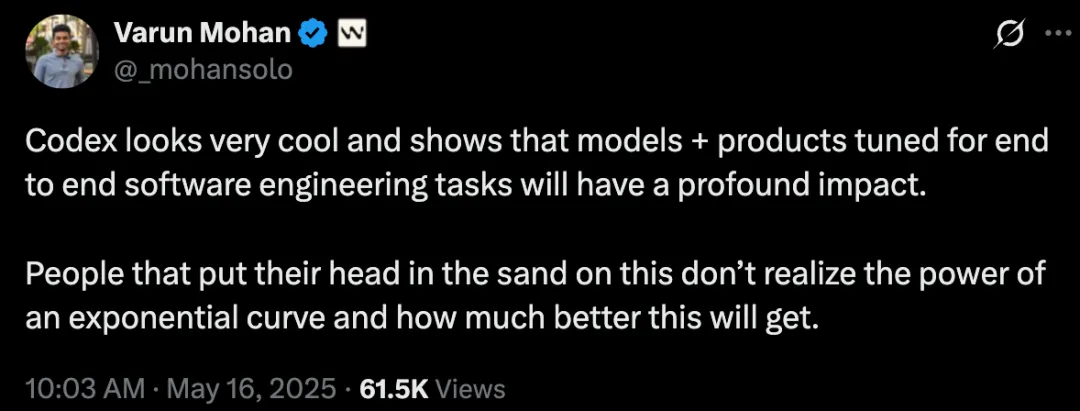
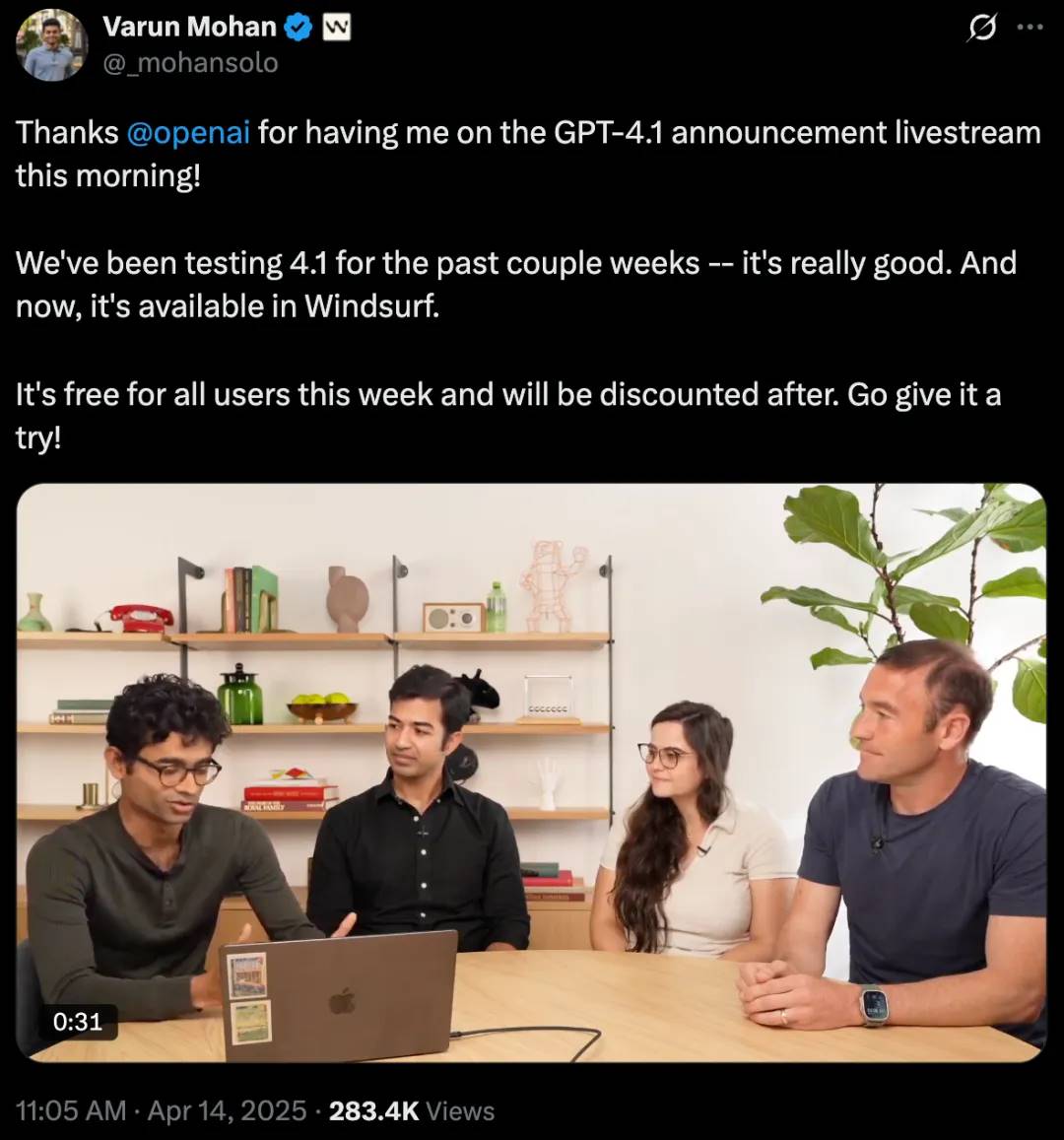
Windsurf CEO (left) interacts with OpenAI products and teams|Image credit: X
On its side, OpenAI recognizes that relying solely on foundational model services may not be sustainable long-term. It has become increasingly active at the application layer, with AI coding emerging as a strategic priority—a high-traffic gateway in the battle for model distribution.
This year alone, OpenAI integrated its AI coding agent “Codex” into ChatGPT Plus and open-sourced a local programming agent, “Codex CLI.” Acquiring Windsurf could strengthen OpenAI’s developer tooling capabilities, especially by bringing Windsurf’s established user base into the OpenAI ecosystem, while simultaneously securing territory and weakening rivals’ model distribution channels.
Regardless of OpenAI’s specific plans for Windsurf—or whether it anticipated Anthropic’s reaction—if Claude continues to hold strong programming capabilities, any resulting user migration away from Windsurf would undoubtedly hurt the platform itself.
For the broader industry, if models become tightly bound to platforms, developers may worry: Is this a sign that the AI coding market is moving toward fragmentation and closure?
Some might envision a future where development tools splinter like smartphone operating systems—one must choose either iOS or Android, GPT or Claude.
Anthropic cutting off Windsurf is no isolated business decision. It marks the opening salvo in a turf war among AI giants.
Join TechFlow official community to stay tuned
Telegram:https://t.me/TechFlowDaily
X (Twitter):https://x.com/TechFlowPost
X (Twitter) EN:https://x.com/BlockFlow_News
 极客公园
极客公园


