Crypto billionaires line up for clemency as Trump becomes the "savior" of crypto
TechFlow Selected TechFlow Selected
Crypto billionaires line up for clemency as Trump becomes the "savior" of crypto
CZ, SBF, Roger Ver—Who Can Catch This "Pardon" Express?
 Navigating Web3 tides with focused insights
By Dingdang (@XiaMiPP)
Binance founder CZ confirmed on May 8 during a podcast that his legal team has submitted a presidential pardon application to U.S. President Trump on his behalf. This move has sparked widespread attention in the crypto industry regarding Trump's pardon policies.
Note: For highlights from the podcast, see Odaily Planet Daily's compilation titled "Exclusive Interview with CZ: I'm Lucky to Have Been 'Forced into Retirement,' But I Won't Return to Binance."
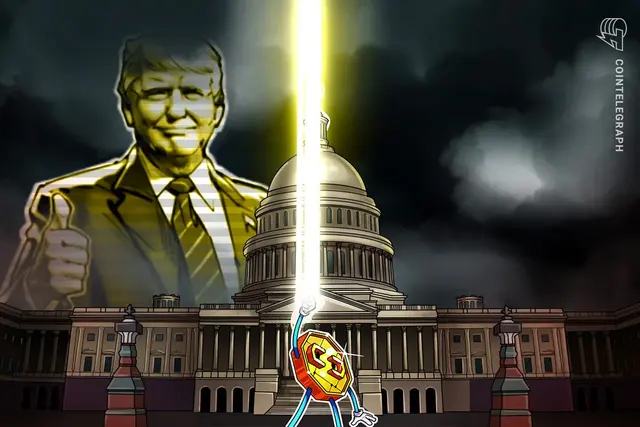
With Trump returning to the White House in early 2025, he has already signed pardons or commutations benefiting over 1,600 individuals—far exceeding the total from his first term. Cases of crypto-related offenders applying for or receiving presidential pardons have become increasingly common, revealing a strategic interplay between political motives and emerging financial forces, reflecting a deepening "alliance" between the crypto industry and Trump.
Crypto Figures Applying for Pardons
Changpeng Zhao (CZ): Founder of Binance Exchange
As the leader of Binance, the world’s largest cryptocurrency exchange, CZ is considered a "godfather" figure in the crypto space. In November 2024, CZ was sentenced to four months in prison and fined $50 million for violating the Bank Secrecy Act and failing to implement effective anti-money laundering measures. Although the sentence was relatively light, it severely damaged his career. According to the U.S. Department of Justice, even if granted a pardon, his money laundering conviction would not be erased, but it could allow him to resume a management role at Binance.US.
Sam Bankman-Fried (SBF): Founder of FTX Exchange
Sam Bankman-Fried, former CEO of FTX, was once a rising star in the crypto industry but was sentenced in 2024 to 25 years in prison and had $11 billion in assets seized following the 2022 collapse of his platform and involvement in fraud involving billions of dollars in customer funds.
During a podcast in March 2025, he claimed that part of the reason for his harsh 25-year sentence was his growing ties with Republicans prior to his arrest. In fact, SBF donated over $40 million to 196 members of Congress, including top figures from both Republican and Democratic parties, meaning about one-third of all lawmakers received funding from him. He also criticized former SEC Chair Gary Gensler and the regulatory approach toward the crypto industry during interviews.
Reports indicate that SBF’s parents—Barbara Fried and Joseph Bankman, former Stanford Law School professor—are meeting with lawyers and others close to Trump to seek a presidential pardon for their son. Recently, SBF posted comments on social media about the difficulties of workforce layoffs, which the crypto community criticized as an attempt to curry favor with the Trump administration.
Roger Ver: Early Bitcoin Evangelist
Nicknamed “Bitcoin Jesus,” Roger Ver is a veteran figure in the crypto industry who established his influence as early as 2011 by promoting Bitcoin. However, in 2024, Ver was charged by U.S. authorities for alleged tax fraud and evasion, facing up to seven years in prison.
Ver’s wealth stems largely from early Bitcoin investments, but his long-term residence in Japan and renunciation of U.S. citizenship have drawn scrutiny over his tax status. It is reported that Ver has hired lawyers and lobbyists closely connected to Trump in an effort to secure a pardon and resolve his legal issues.
Crypto-Related Figures Who Have Received Pardons
Ross Ulbricht: Founder of Silk Road
Ross Ulbricht was sentenced in 2015 to two life terms plus 40 years without the possibility of parole for creating and operating Silk Road, a darknet marketplace. Operated from 2011 to 2013, Silk Road was primarily used for anonymous drug transactions and is widely regarded as Bitcoin’s first real-world use case.
On May 26, 2024, Trump pledged during the Libertarian Party National Convention in Washington, D.C., that if re-elected, he would commute Ross Ulbricht’s sentence on his first day in office, stating Ulbricht had already served 11 years and “we’re going to bring him home.” On January 21, 2025, he fulfilled this promise by signing a pardon and personally calling Ulbricht’s family.
Arthur Hayes: Founder of BitMEX Exchange
Arthur Hayes, co-founder of BitMEX, played a key role in popularizing derivatives trading in the crypto industry. However, in 2022, Hayes was sentenced to six months of home detention and fined $10 million for violating anti-money laundering regulations. His lenient sentence was due to his cooperation and guilty plea, though his career suffered significant damage.
White House officials confirmed that Hayes received a presidential pardon from Trump in early 2025. Trump also pardoned two other BitMEX co-founders, Samuel Reed and Benjamin Delo. This action is seen as another example of Trump’s lenient stance toward the crypto industry. After the pardon, Hayes publicly stated he would focus on crypto education and policy advocacy.
Trump’s Deepening Alliance with the Crypto Industry
Trump’s pardons of crypto figures are not merely legal gestures but carefully orchestrated political moves aimed at consolidating his influence in the emerging financial sector. First, the crypto industry played a crucial role in the 2024 U.S. election. The political action committee Fairshake raised over $200 million to support pro-crypto candidates including Trump; Coinbase founder Brian Armstrong advocated for lighter regulation through public speeches and lobbying, amplifying Trump’s pro-crypto promises; venture capitalist Marc Andreessen donated $2.5 million via his firm Andreessen Horowitz (A16Z) to a super PAC supporting Trump, actively pushing for crypto-friendly policies. These resources provided strong backing for Trump’s victory, making his subsequent "repayment" to the crypto industry inevitable.
Second, pardoning symbolic figures like Ross Ulbricht precisely aligns with the crypto community’s ideals of decentralization and resistance to government oversight. While Silk Road involved illegal transactions, many view it as embodying the spirit of decentralization and anti-authoritarianism. By freeing Ulbricht, Trump not only won enthusiastic support from crypto enthusiasts but also attracted voters who value liberty. This strategic maneuver successfully positioned Trump as a "protector" of the crypto industry, further strengthening his political influence.
Join TechFlow official community to stay tuned
Telegram:https://t.me/TechFlowDaily
X (Twitter):https://x.com/TechFlowPost
X (Twitter) EN:https://x.com/BlockFlow_News
 Odaily