Xiaohongshu: More than just cars, it's about life
TechFlow Selected TechFlow Selected
Xiaohongshu: More than just cars, it's about life
Not just about cars, but also about life.
 Navigating Web3 tides with focused insights
Author: siqi
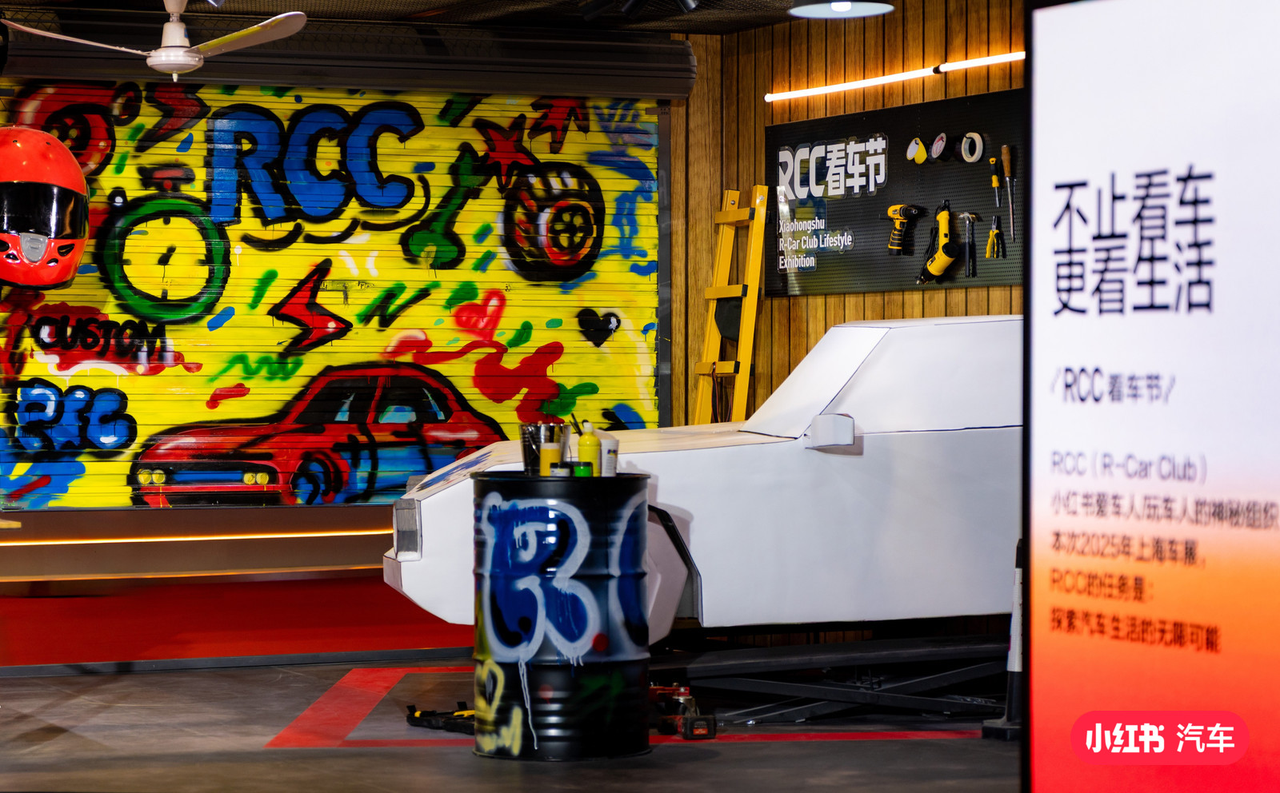
This year’s Shanghai Auto Show saw an unexpectedly strong presence of Xiaohongshu.
Not only did it set up its own physical booth, but more importantly, attendees—whether ordinary consumers, media, or automotive industry professionals—were frequently seen actively and skillfully searching for information on Xiaohongshu. This made me realize that the platform has become a crucial force influencing every stage of the car-buying and even car-selling process.
At the event, I overheard a retired woman say: “Even if our wallets allow it, we don’t have enough Shanghai license plates, so we must choose carefully.” So when salespeople can't clearly explain product details, users turn to Xiaohongshu experience notes; when they can't calculate costs themselves, they check expense breakdowns shared by others in the community. Xiaohongshu’s "recommendation culture" (shu cǎo) has now deeply penetrated the automotive industry, becoming an essential part of the car-purchasing journey.
In fact, an increasing number of automakers today recognize the importance of cultivating recommendations on Xiaohongshu. Through conversations with marketing teams at several car brands on-site, I learned that companies like Mercedes-Benz, Zeekr, Xpeng, and Cadillac are already leveraging Xiaohongshu to experiment with new communication strategies different from traditional approaches—and achieving tangible results.
For automakers, it's not just about accessing Xiaohongshu’s massive user base or their high reliance on the platform during purchase decisions—they also value the unique potential its community-driven nature offers for modern brand marketing. For example, based on lifestyle insights, Xiaohongshu categorizes auto consumers into seven new segments: Travel Calculators, Mechanical Devotees, Urban Wanderers, among others.
Compared to conventional labels such as family users, middle-class individuals, or young consumers, this classification transforms content creation logic: automakers now need to break down marketing scenarios more precisely according to specific target audiences for each product. In this age of content overload, authenticity and detail are key to effective recommendation-building.
Clearly, in today’s increasingly competitive market, forward-thinking automakers hope to discover product success formulas and rebuild relationships with users by embracing smarter platforms.
The Screen Holds a Key Link in the Car-Buying Decision Chain
During the first three days of the Shanghai Auto Show, I noticed people opening the Xiaohongshu app on their phones at nearly every exhibition booth.
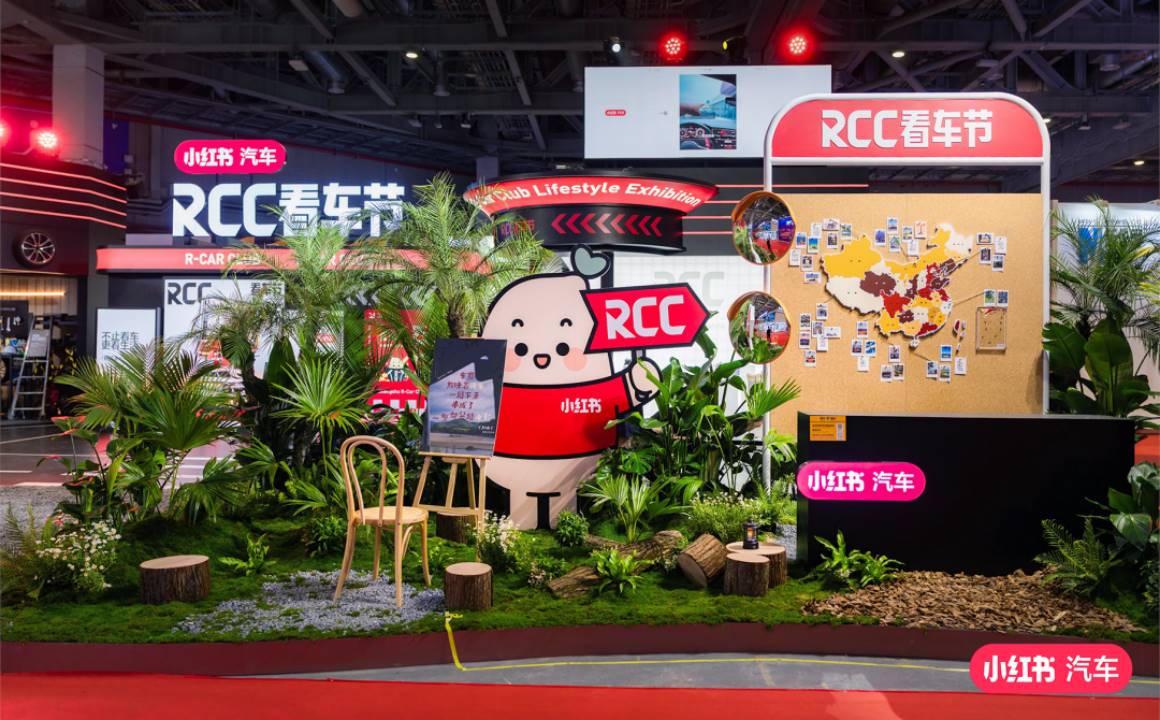
Xiaohongshu brought its booth directly to the auto show venue | Image source: Xiaohongshu
The first day was media day—checking press conferences while browsing trending topics on mobile is standard practice. A colleague next to me immediately rushed off to the Xpeng booth after spotting a post about “Xpeng robots making an appearance.” More commonly, people engaged in “cloud visiting” via social media—given the packed schedule and vast exhibition halls, many simply followed peers’ real-time updates. Xiaohongshu has become one of the productivity tools for automotive journalists.
But on the second and third days, I realized that general visitors and consumers use Xiaohongshu quite differently.
For them, information breadth is no longer the priority—most attendees come with clear goals. What matters most is depth: getting detailed explanations about specific models. After all, buying a car is rarely impulsive; every product detail needs careful verification.
Standardized specs? They neither understand nor care much about them. On Xiaohongshu, users want something else—something authentic, warm, and relatable. They ask: How exactly can this car solve real problems across different life scenarios? What functional and emotional value does it offer?
Thus, Xiaohongshu has effectively become a “decoder” for product jargon. No matter how enthusiastically a salesperson pitches a vehicle, goal-oriented buyers still feel the need to search Xiaohongshu for validation.
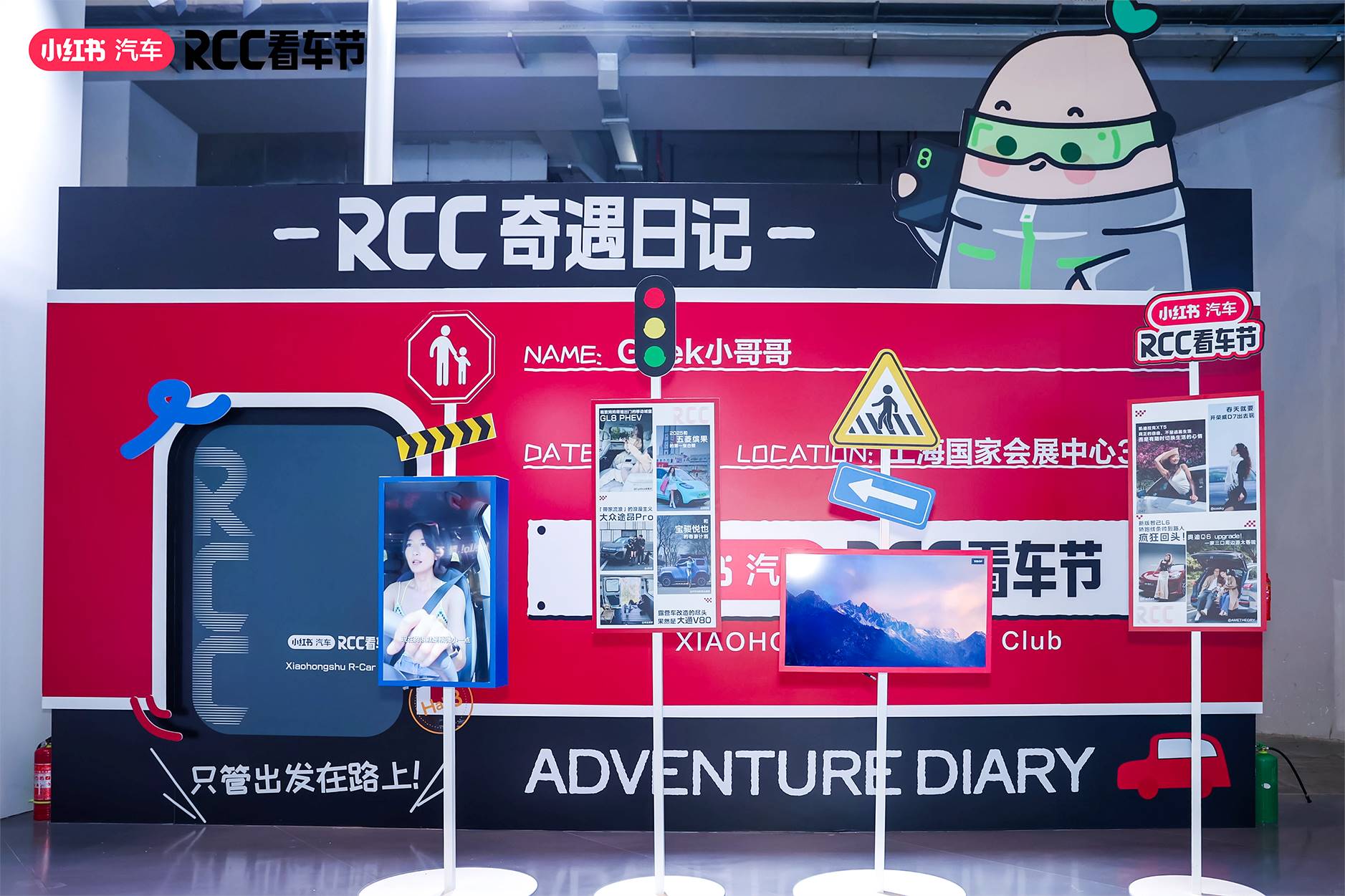
You can encounter Xiaohongshu even within SAIC Motor’s pavilion | Image source: Xiaohongshu
From my observations, users seek answers to two types of questions on Xiaohongshu: those involving experiences hard to grasp without actual usage, and those with unusual angles even salespeople might overlook.
An example of the former is NIO’s battery swap explanation. A group spent minutes calculating cost benefits, but nothing compared to seeing a user’s Xiaohongshu post showing others queuing at charging stations during holidays while they swiftly swapped batteries. Judging by their facial expressions, that single post delivered unexpected yet powerful support to the sales pitch.
As for the latter, I saw a young woman particularly concerned about pet travel scenarios. While many brands focus on family-oriented marketing, few have fully explored pet-specific situations, leaving sales staff struggling for words.
So she searched Xiaohongshu: “Which car works best for traveling with dogs?”
I tried the same search—though some pet strollers appeared, most posts were genuine accounts from pet owners discussing past car experiences through lenses like space, smart features, ease of cleaning, and even odor control. Notably, these creators weren’t typical “automotive influencers,” but regular consumers sharing personal car-buying journeys.
The industry often laments unclear marketing directions. But watching users cross-check sales pitches against Xiaohongshu searches made me think: closely observing what users look up could bring us much closer to understanding their true pain points and needs.
Finding New Precision Marketing Strategies Within the Platform
Further investigation revealed that many automakers have敏锐ly captured these subtle shifts in consumer behavior and are exploring ways to enhance marketing effectiveness through Xiaohongshu.
Here are a few notable cases.
Automakers have long been major clients in advertising, so we often see car ads across platforms like Weibo splash screens or airport displays. These broad-reach campaigns follow a funnel model: invest heavily upfront to eventually reach core audiences.
But this approach doesn’t suit all brands. Some prefer platforms that help identify target users and enable direct engagement with key demographics—like MINI, under BMW Group.
MINI’s brand identity naturally aligns with Xiaohongshu, where a vibrant community of existing owners already forms a self-sustaining content ecosystem.
Take the marketing of the ACEMAN model on Xiaohongshu: aiming for deep penetration into niche groups, the campaign started by identifying search-behavior patterns highly similar to actual buyers. Using a reverse-funnel strategy, three core audience clusters were defined: Attitude-Focused Enjoyers, Trend-Tasting Pioneers, and Relaxed Nest-Builders. By analyzing opportunity-group needs and combining them with product strengths, the team translated features into compelling purchase drivers, precisely matching “model × selling point × audience” for efficient targeting.
Content emphasized MINI’s traits—vibrant, unique, open, creative—highlighting fun-to-drive, stylish design, and enjoyable experience. Leveraging UGC (user-generated content) to amplify word-of-mouth, combined with KOB/S (dealer store KOB, salesperson KOS) for downstream conversion, created a seamless “great content + great service → great outcome” loop, driving terminal sales. The results: private message acquisition cost dropped 39%, lead-to-sale conversion hit 5.9%, and interest among deeply engaged users rose 12%.
Another case comes from Xpeng Motors.
Xpeng had struggled with stagnant sales until August 2024, when the launch of its new MONA M03 became a game-changer. Post-launch, overall sales surged, doubling monthly volumes from around 8,000 units to a stable 30,000 units. Much of MONA M03’s success stemmed from “breaking out of its niche.”
Prior to MONA, Xpeng carried an awkward label: “a brand for tech-obsessed men.” Despite technological leadership, it failed to translate innovations into terms average consumers could appreciate, limiting its appeal mainly to tech enthusiasts.
With MONA M03, Xpeng clearly prioritized “high aesthetics” as the core message, specifically targeting female consumers.
Yet beauty alone doesn’t guarantee sales, and the female market encompasses diverse consumer behaviors. Plus, as an Xpeng product, it couldn’t abandon its intelligence advantage. Thus, Xpeng needed a strategy that merged aesthetics with smart features while accurately reaching varied user segments.
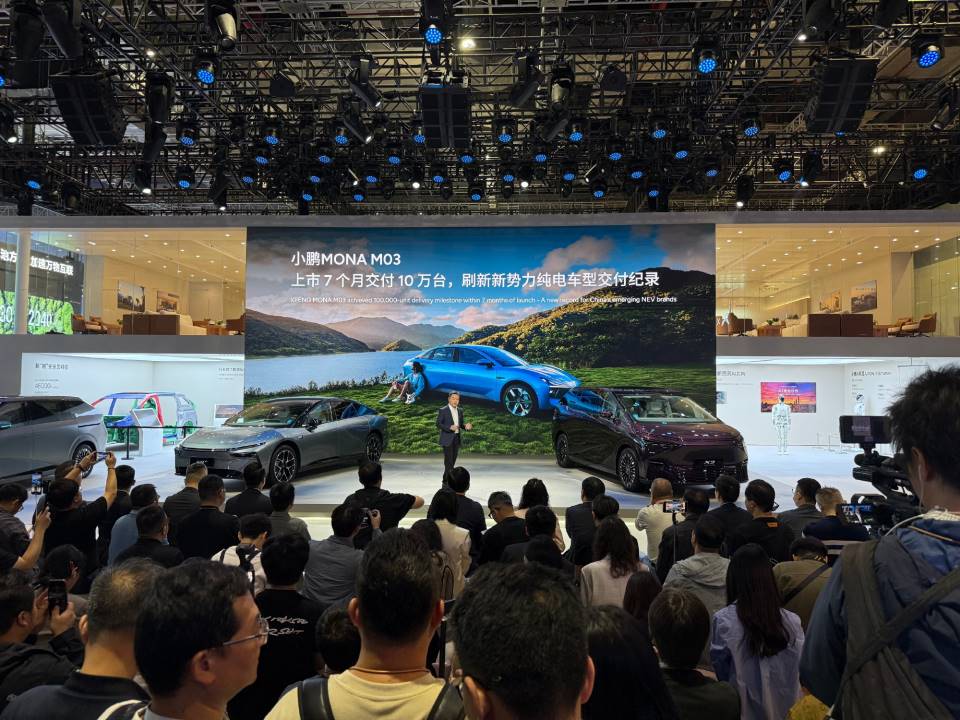
Thanks to breakout marketing, MONA M03 significantly boosted Xpeng’s sales growth | Image source: Xpeng Motors
This time, Xiaohongshu offered Xpeng a “User → Scenario → Purchase Driver” recommendation formula.
The framework starts by identifying target audiences within the platform based on needs, then matches product functions to suitable content scenarios, finally transforming features into persuasive purchase drivers to guide content creation.
Specifically, through collaboration with Xiaohongshu, Xpeng segmented female users into distinct profiles—such as “trendy girls”—then used scenario-based posts to showcase features like “smart parking” as proof of intelligent capabilities, completing the recommendation cycle.
Additionally, Xiaohongshu’s unique dual-column card layout allows performance measurement via metrics like CTR (click-through rate), enabling real-time optimization of seeding strategies for higher efficiency.
Content-wise, Xpeng adopted a matrix approach combining founder personas, product manager accounts, official brand channels, and KOLs to diversify touchpoints and deliver differentiated content. Paired with in-app tools like “lead capture cards,” this enabled efficient lead generation. During the campaign, Xpeng reported significantly reduced lead acquisition costs and a sharp rise in the proportion of leads influenced by “recommendation ads,” pioneering an integrated “seeding-to-conversion” model in the new-energy vehicle segment—truly empowering business outcomes through recommendation-building.
Xpeng has always aimed to be a beloved brand. This partnership with Xiaohongshu enabled effective resonance with users and drove full-channel business growth.
Smarter Automakers Embrace Smarter Platforms
Whether from firsthand experience at the auto show or confirmed through discussions with automakers and Xiaohongshu, growing evidence shows that for today’s booming automotive sector, Xiaohongshu has evolved into an increasingly vital and intelligent platform.
I believe Xiaohongshu offers three distinctive advantages over traditional marketing channels.
First is its inherent community value.
With 300 million monthly active users, Xiaohongshu has become a go-to digital handbook for various aspects of daily life.
Beyond scale, the platform’s defining trait is authentic, organic user sharing. When I searched “buying a car + zero-interest,” I found meticulous analyses from savvy users highlighting key considerations, pitfalls, pros, and cons.
Compared to traditional automotive marketing, Xiaohongshu offers three advantages. First, higher trust: as a decentralized content space, peer recommendations are far more credible than official product descriptions or 4S dealership sales pitches.
Second, better alignment with user needs. Traditional automaker messaging focuses on functional specs, yet buyer needs vary widely—and many don’t even know which features match their needs. Xiaohongshu’s life-scenario-based sharing helps potential buyers find relatable experiences and extract relevant information.
On Xiaohongshu, UGC accounts for 90% of content. Unlike comprehensive official brochures, UGC shines in granularity—details like seat comfort or how many Sam’s Club shopping bags fit in the trunk can be decisive for niche audiences.
Indeed, authenticity, attention to detail, and accurate demand insight were central to Xiaomi Auto’s marketing breakthrough under Lei Jun. Many automakers wish for their own “Lei Jun” who can distill a two-hour product launch into countless understandable, user-centric details—a sports-focused car winning nearly 40% female buyers thanks to its sun protection feature, for instance.
While there’s only one Lei Jun, within a UGC community, your users will naturally fragment your product’s highlights into countless posts, recommending them to exactly the right people.
Second, Xiaohongshu’s lifestyle-based audience segmentation enables more precise targeting.
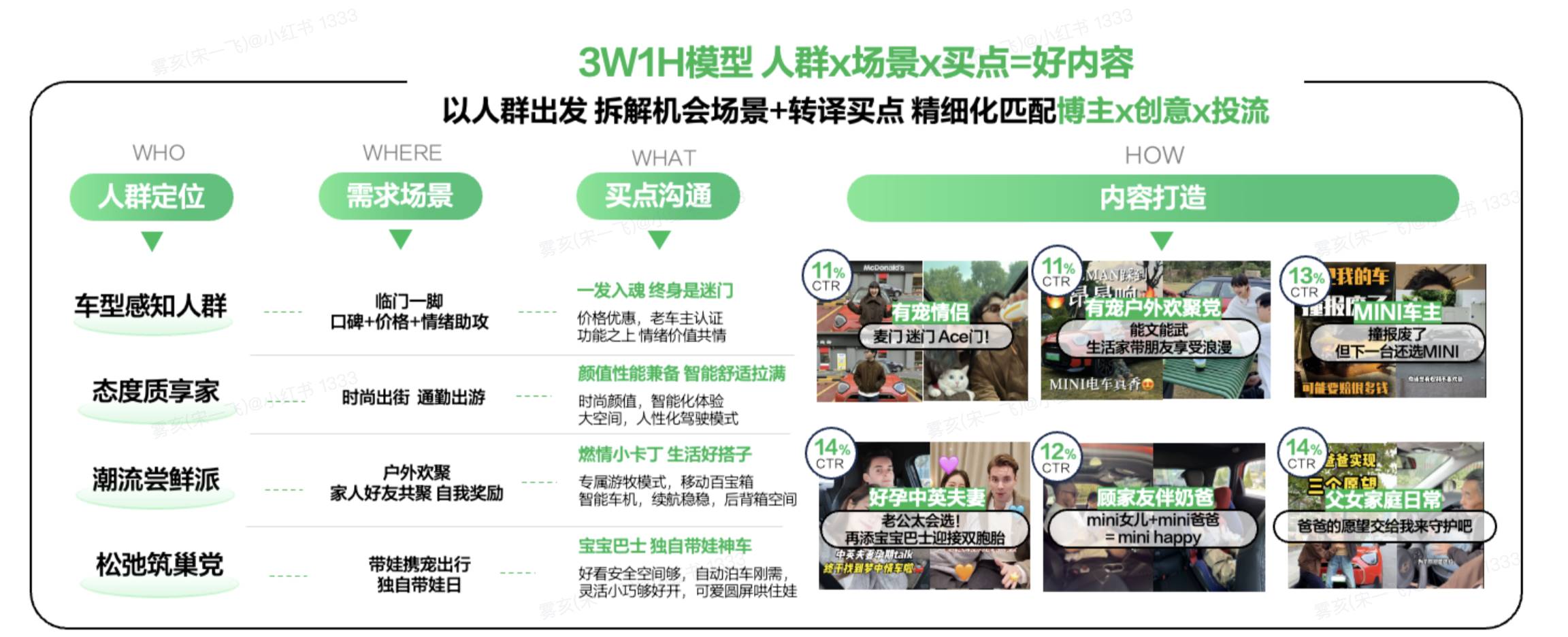
Xiaohongshu precisely matches scenarios and purchase drivers to different audience segments | Image source: Xiaohongshu
Historically, automakers used coarse demographic segmentation—gender, age, household size, income level—and designed products and campaigns accordingly. But today, cars extend lifestyles. Lifestyle-based segmentation better reflects actual usage needs than traditional methods.
Based on insights into young Chinese consumers, Xiaohongshu identifies 20 major lifestyle segments. For automotive needs, it further defines seven consumer types: Travel Calculators, Mechanical Devotees, Mobile Nest-Builders, Urban Wanderers, Refined Luxury Newcomers, Hardcore Modders, and Intelligent Driving Pioneers.
This new classification transcends age and gender labels, offering sharper insight into shared needs among buyer groups. Beyond automotive, Xiaohongshu’s lifestyle-driven user analysis applies across industries, aiming to better understand target customers and deliver tailored recommendations.
Third, beyond standard seeding and marketing, some automakers now explore using the community to redefine user relationships.
Zhiji Auto is a recent example. Though backed by SAIC Motor, as a new brand, establishing identity and quickly building user affinity is critical.
In mid-2024, Zhiji restructured its traditional OEM marketing model by forming a dedicated “Xiaohongshu Task Force,” independently managing platform strategy, communications, and customer acquisition.
Notably, through seeding efforts, Zhiji recognized the power of audience-centric marketing—not only applying the “SPU × audience × purchase driver” method and reverse-funnel precision seeding but also integrating this mindset into product development. The newly launched “Zhiji L6 Xiaohongshu Co-branded Edition” marks the first deep co-creation between Zhiji and the platform, inspired entirely by insights gathered from Xiaohongshu users.
We saw this jointly developed product—by automaker, platform, and users—at the Shanghai Auto Show.
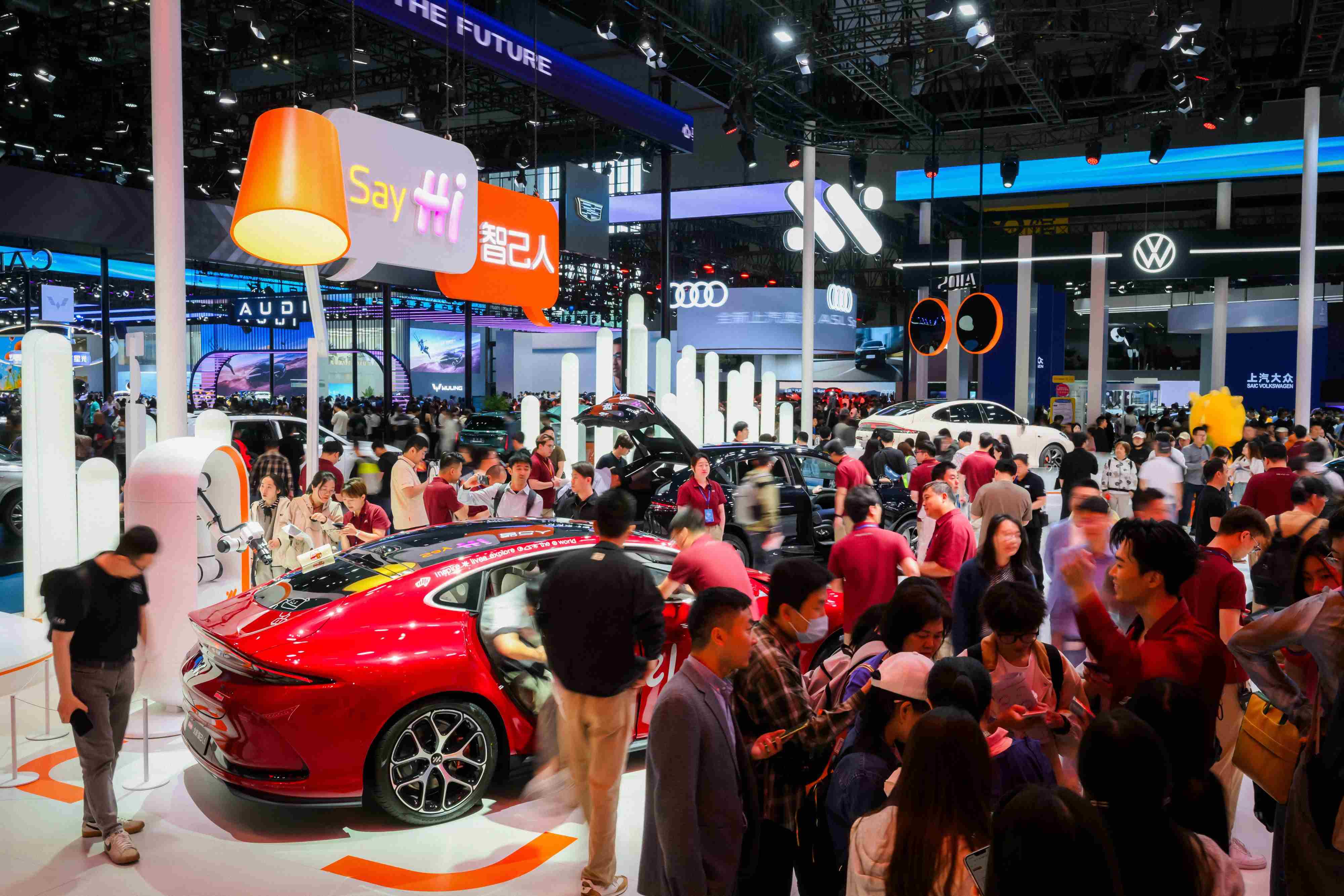
The new Zhiji L6 Xiaohongshu Co-branded Edition | Image source: Xiaohongshu
In this era of online communities, automakers can uncover valuable signals everywhere. Ten years ago, “internet-powered carmaking” was a popular slogan. Today, platforms like Xiaohongshu give it new meaning: listening to meaningful user voices and identifying genuine needs and clues is more critical than ever amid intensifying competition in the automotive industry.
Join TechFlow official community to stay tuned
Telegram:https://t.me/TechFlowDaily
X (Twitter):https://x.com/TechFlowPost
X (Twitter) EN:https://x.com/BlockFlow_News
 极客公园
极客公园