AI Tokens "Soaring Across the Board": A Comprehensive Overview of the Next Potential Breakouts in Crypto AI
TechFlow Selected TechFlow Selected
AI Tokens "Soaring Across the Board": A Comprehensive Overview of the Next Potential Breakouts in Crypto AI
After the burst of the bubble, the CryptoAI sector has returned and is presenting a new ecosystem landscape, including developments in AI issuance platforms, infrastructure construction, Agent protocols, and下沉 market applications.
 Navigating Web3 tides with focused insights
Author: BUBBLE
In October 2024, since the AI Meme—GOAT launched the AI Agent concept, Crypto began accelerating its integration with AI. Concepts such as Game+AI, DeFAI, and AIAgent hive have surged, with a batch of new concept projects emerging almost every week—until January 18 this year, when Trump announced the issuance of a MemeCoin, draining market liquidity and prematurely bursting the CryptoAI bubble. Two days later, DeepSeek released its open-source R1 model, and after several weeks of buildup, U.S. stock market AI概念股 also burst.
With large models now reportedly buildable for $6 million, retail investors buying into CryptoAI projects valued at $60 million were once labeled by the community as "low-IQ lambs." This sentiment grew stronger amid the collapse of AI stocks in the U.S. markets, leading crypto prices into a downward spiral. Since then, AI concepts in Crypto have gradually faded into silence.
A quarter later, the voice of CryptoAI is returning to the market: $zerebro surged 400% in two days, Agent operating system $AIOS rebounded tenfold, Dark's Flip doubled again while Musk-themed projects exceeded $40 million in market cap. Meanwhile, established AI projects like $ALCH, $SWARM, $GRIFFAIN, $arc, and $BUZZ saw gains ranging from 30% to 60%. This resurgence brings not only price momentum but also some fresh concepts.
Crypto AI Launch Platforms Step Into the Spotlight
Following Pumpfun’s success, a wave of asset issuance platforms swept through Crypto. During the last AI Agent boom, frameworks and AI distribution networks/LaunchPads were the highest FDV sectors. However, communities eventually realized that frameworks—such as Ai16z developer ecosystems—had limited utility, especially in capturing value within Crypto. As a result, surviving framework projects gradually pivoted toward becoming LaunchPads. Yet even AI LaunchPads struggled because existing platforms couldn’t adequately support AI product launches. With an eye on the next AI upcycle, teams are now actively seeking solutions.
Bittensor: The Promised Land of CryptoAI Infrastructure
Despite recent controversy over SN28 subnets exploiting mechanism loopholes to turn TAO into a MemeCoin—prompting centralized intervention by the foundation—and growing concerns about Bittensor potentially evolving into a generalized "attention network" incentivized by speculation, long-term observers like “Weird Thinker,” who closely follows Bittensor, have published articles calling it a scam.
Yet purely from an investment standpoint, Bittensor offers better liquidity than other AI Agent ecosystems. For instance, Virtuals pairs LP directly with its native token, resulting in higher volatility for liquidity providers. Investors face approximately 3% to 7% slippage when investing in agent tokens on the platform. In contrast, investing in dTAO subnet tokens typically incurs only 0.05% to 0.1% slippage.
Because of this, VCs and large capital players involved in AI projects tend to favor long-term investments on Bittensor. Last week, former Messari analyst and Crucible Labs partner Sami Kassab announced he would co-found a fund dedicated to providing liquidity for Bittensor alongside his longtime colleague Seth Bloomberg.
Rayon Labs, currently considered Bittensor’s “top project team,” has developed several products reflecting the ecosystem's preferences—pragmatic and long-term focused.
SN64 “Chutes” enables serverless deployment of AI infrastructure. The project cites past AWS outages as prime examples of why serverless architecture is essential. Relying on centralized providers risks single points of failure; if services go down, AI applications may crash. Given Crypto’s strong ties to finance, the risk of losses far exceeds that of traditional AI systems.
SN56 “Gradients” is a no-code platform for deploying AI models, allowing users to train custom models (for specific use cases, image generation, or tailored LLMs). Its recently launched v3 version offers pricing advantages over comparable products.
SN19 “Nineteen” is a fast, scalable, decentralized AI inference platform.
Protocol Setter for AI Agents—Virtuals Protocol
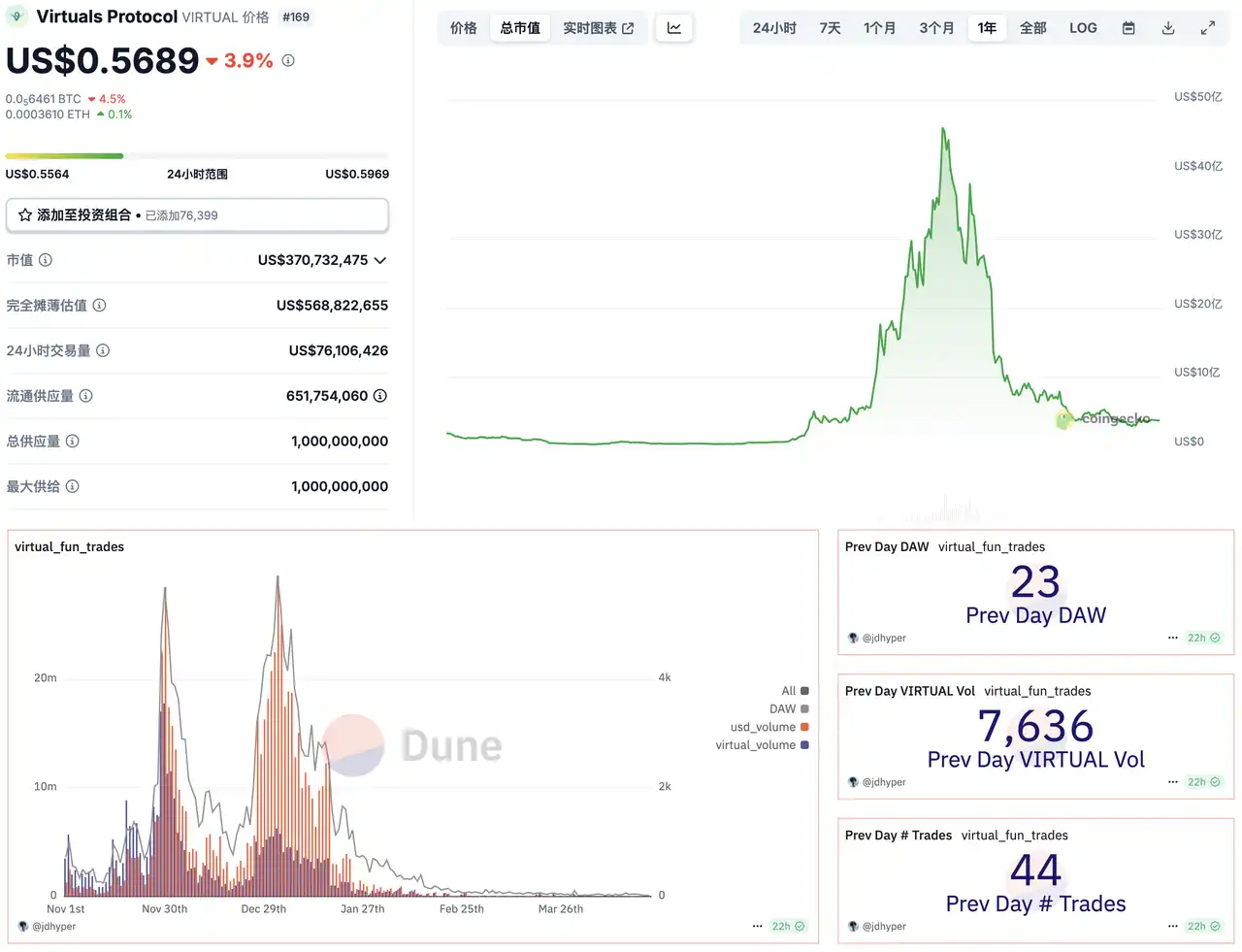
As one of the most complete AI projects in the previous cycle—combining ecosystem building with a robust value flywheel—Virtuals Protocol saw its token price slow along with the cooling market, ultimately bursting a $4.5 billion market cap bubble with over 90% decline, and significantly reduced launcher participation. But Virtuals didn’t give up; during this AI bear market, they kept building.
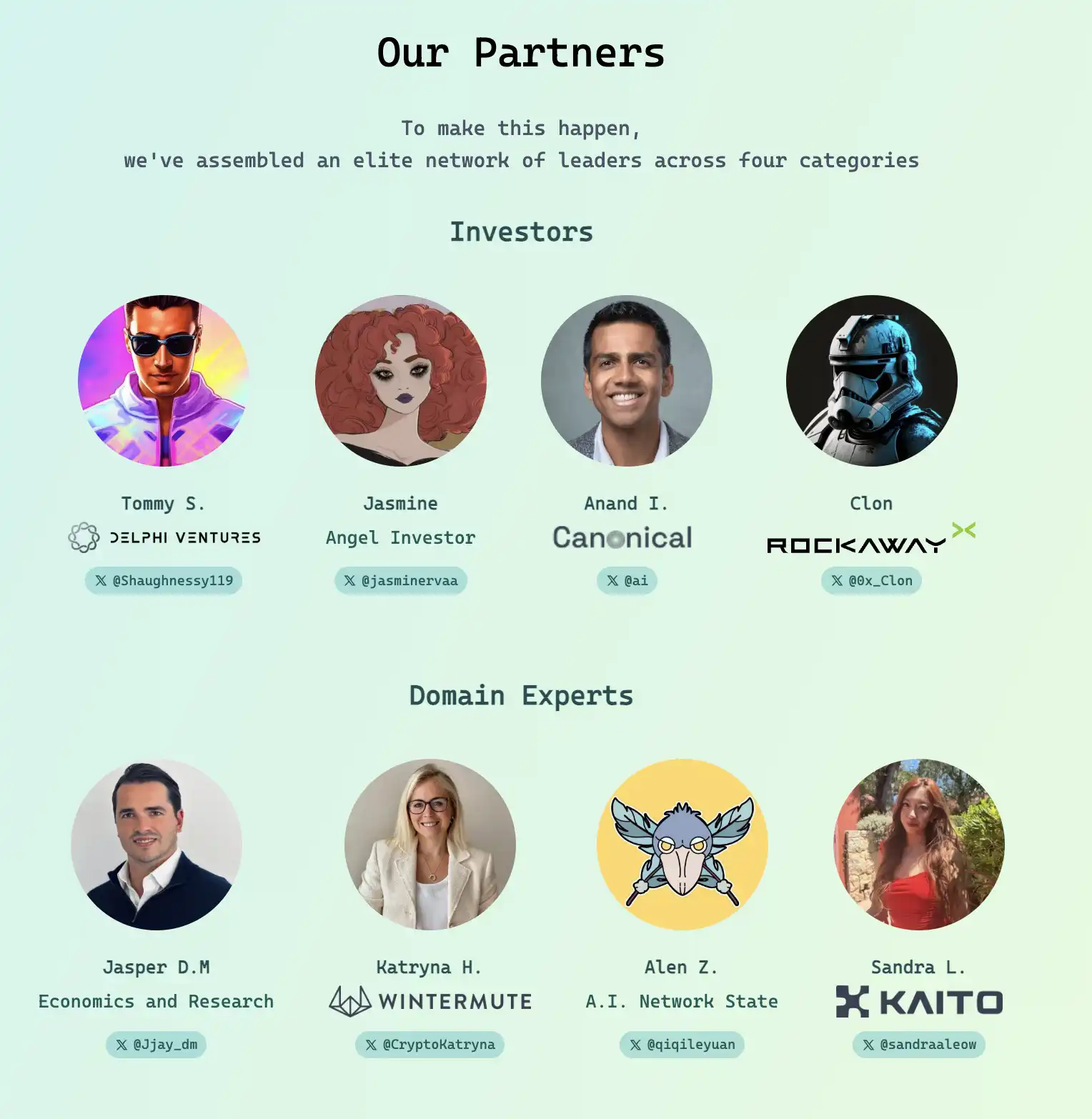
First, Virtuals strengthened its ecosystem development by launching the VPN program (“Virtuals Partners Network”). From day one, Virtuals aimed to bring more AI professionals into Crypto. This initiative connects various stakeholders—including investors, domain experts, academics, and developers—offering nearly full-stack resources. If you have an idea, you can access funding, market makers, marketing support, and technical talent through this program. It’s essentially a one-stop incubator, making collaboration with Virtuals the best choice for anyone entering Crypto.
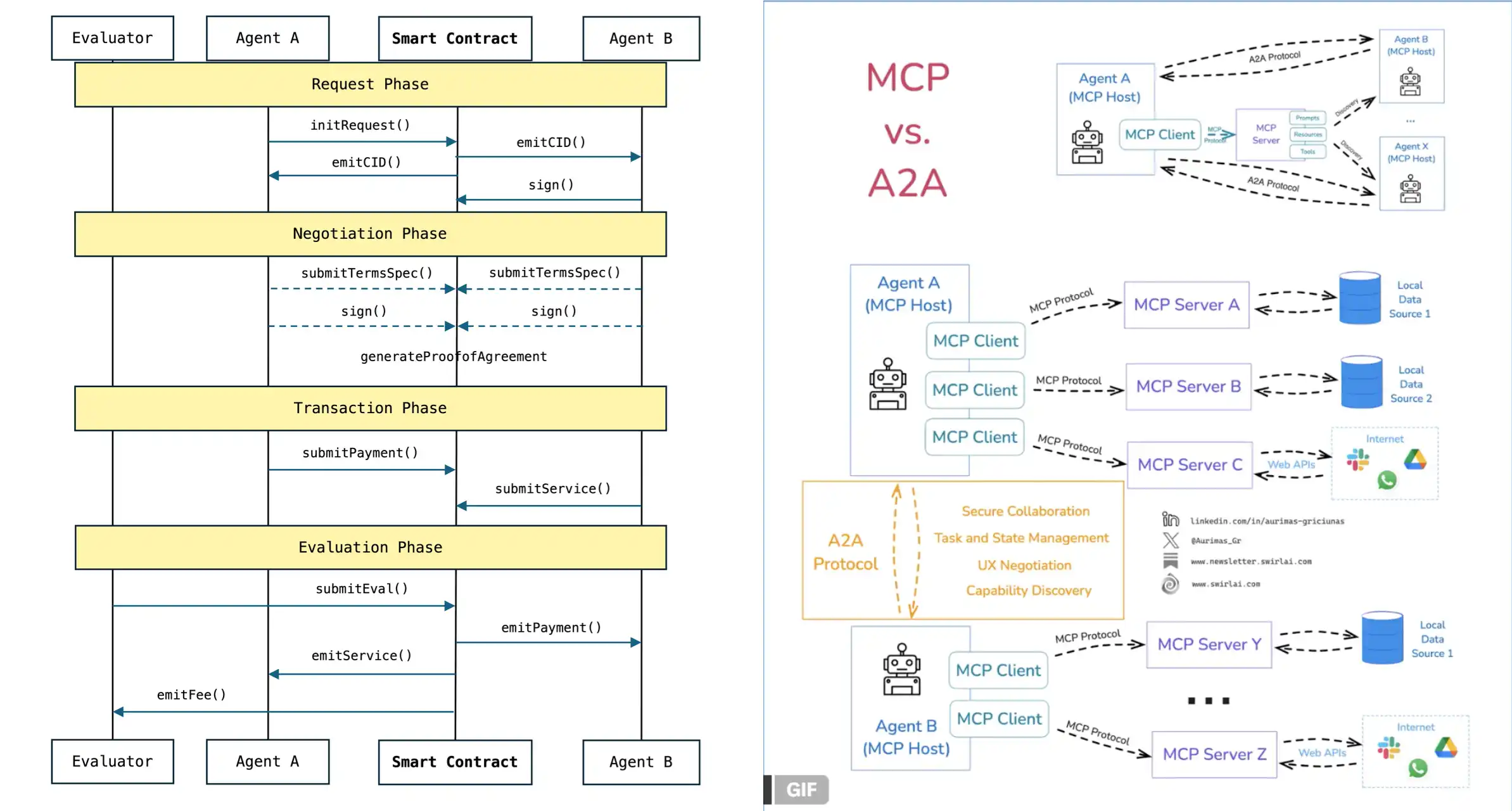
To expand the influence and interactivity of AI Agents within its ecosystem, Virtuals introduced the ACP ("Agent Commerce Protocol"), a concrete realization of earlier hive-like concepts seen in projects like Swarm and Ai16z. ACP creates a commercial ecosystem composed entirely of AI agents—a virtual nation where AI agents autonomously interact, collaborate, and transact. Notably, Google later unveiled a similar A2A concept, though ACP relies on smart contracts while A2A uses protocols.
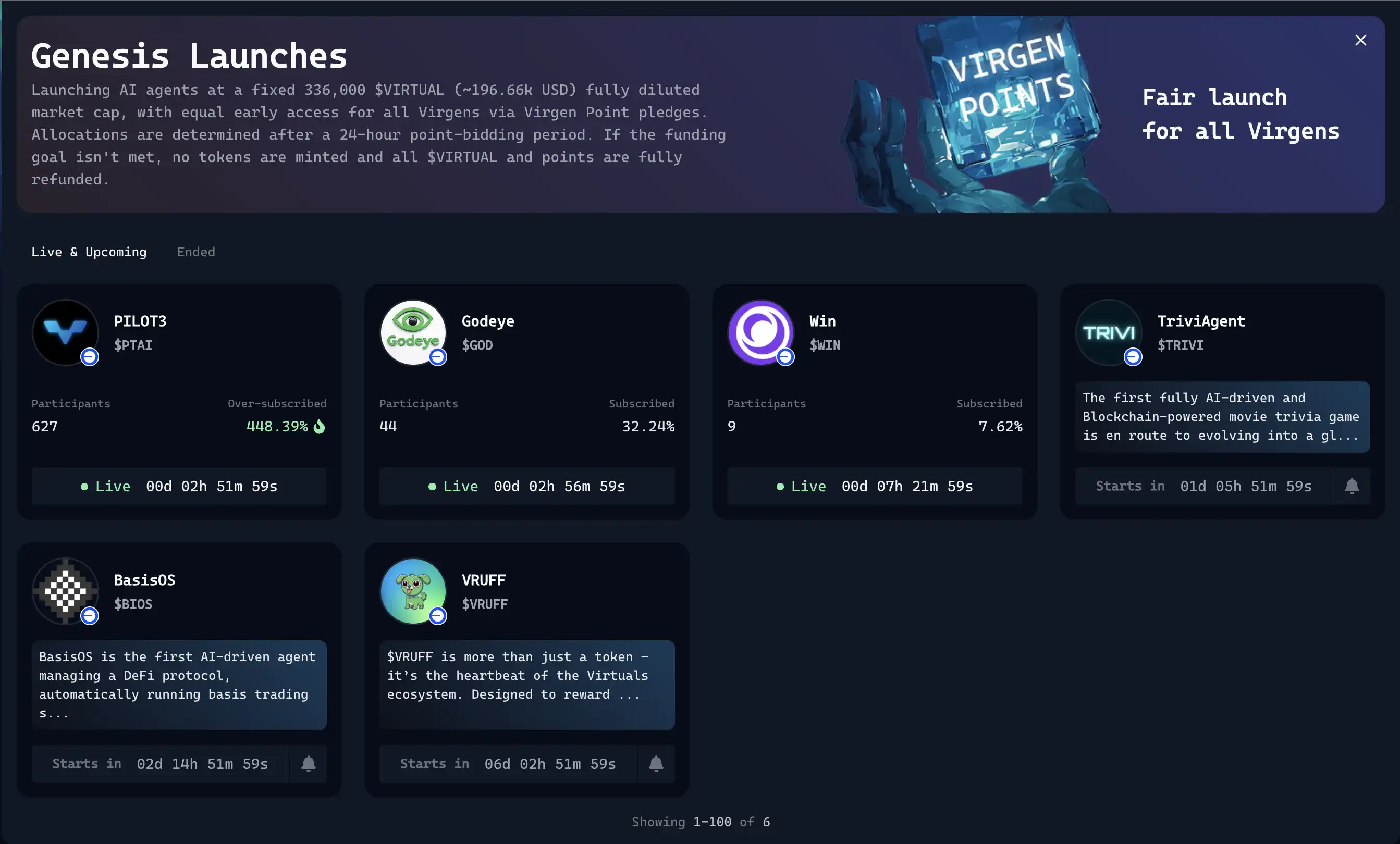
In April, Virtuals launched a new Virgen Points system and Genesis Launchpad model. Users earn points by investing in Sentient and Prototype agents, holding Virtuals tokens, or staking VADER. These points determine eligibility and allocation in Genesis launchpad projects. Genesis functions similarly to an IDO model, allocating investment quotas based on accumulated points. Participation isn't open to all—it requires approval from the Virtuals team.
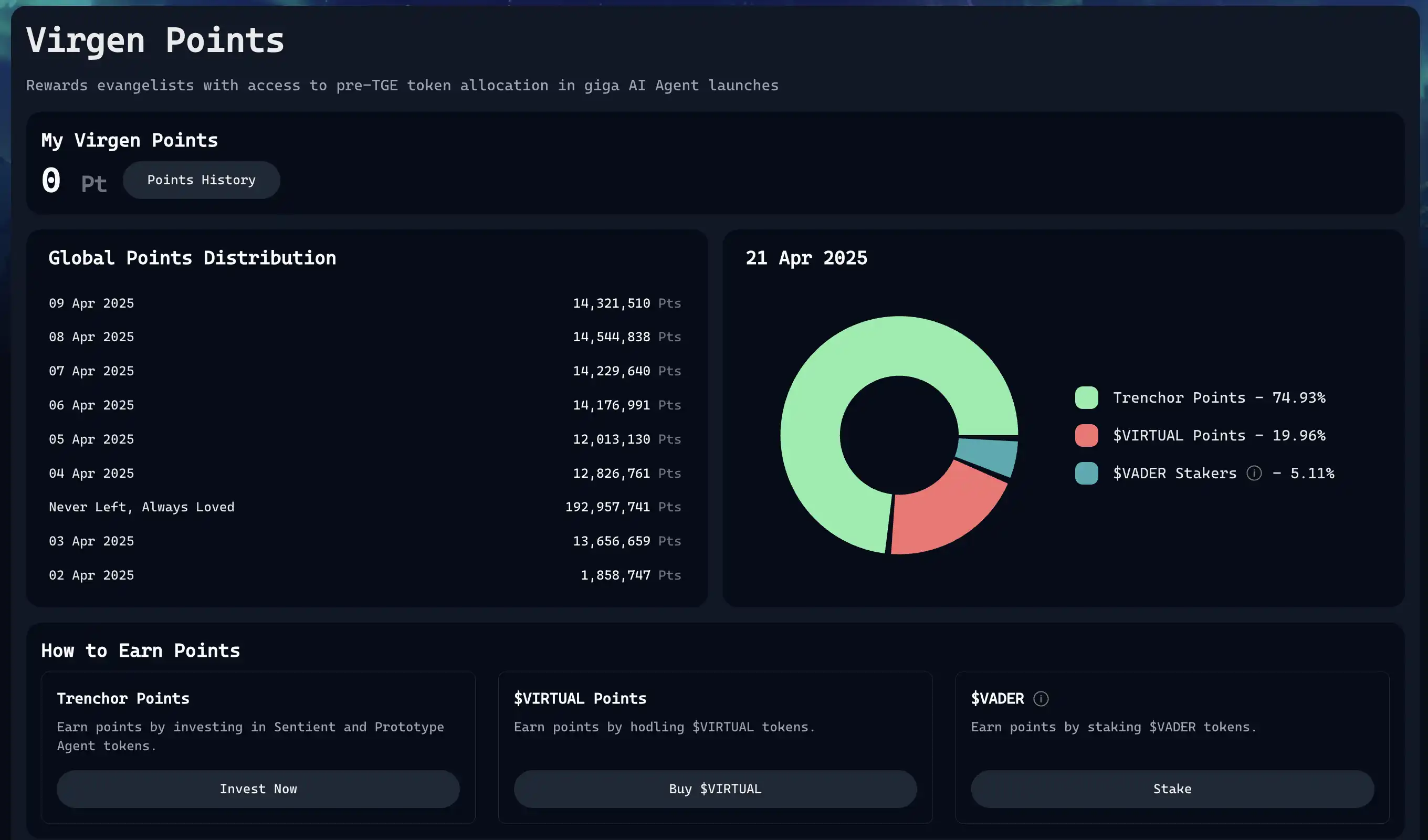
This model offers multiple benefits: first, it increases user stickiness through rewards. As founder Ethermage put it, “Our principle is to reward believers.” Staking points to gain Genesis access promotes fairer launches and attracts higher-quality participants, enabling more sustainable project growth.
Noteworthy Projects from the Virtuals Hackathon?
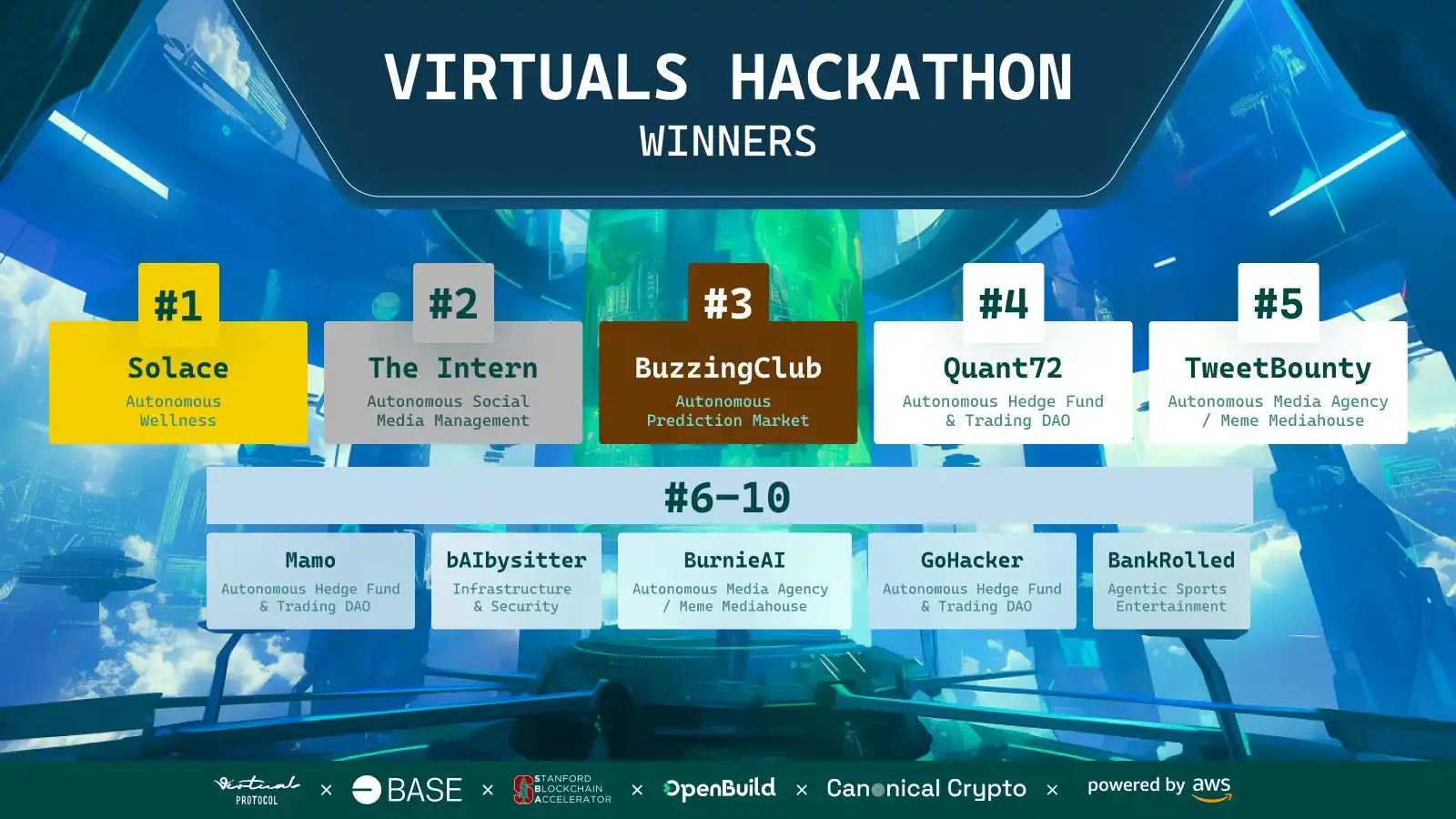
Besides Genesis projects, Virtuals recently announced winners from its hackathon held on April 21, featuring over 100 participating teams. The judging panel was impressive, including LucaCurran (leading AI and DePIN efforts at Base), KunPeng (founder of Stanford Blockchain Community), and Anand Iyer, partner at Canonical Crypto—who notably uses “AI” as his X handle.
-
The Intern
The Intern is an operational AI capable of promoting, replying, and managing communities on X. By deeply learning community culture, it can generate images using TADA. It has partnered with Pudgypenguins to launch a Penguin Intern and operates its own Twitter account. Judging from the quality of Twitter operations, if fully AI-driven and scalable, this could become a compelling product.

-
BuzzingClub
BuzzingClub is a prediction market platform based on the belief that the future of prediction markets should lie in the hands of participants, not centralized authorities—"everyone should be free to create, share, and express opinions." Thus, Buzzing offers greater freedom compared to other platforms.
On Buzzing, all users can create prediction markets (propose topics) with rules automatically generated by AI. AI algorithms filter out spam and low-quality predictions, while AI oracles automatically retrieve internet search data—not human input—to determine outcomes.

-
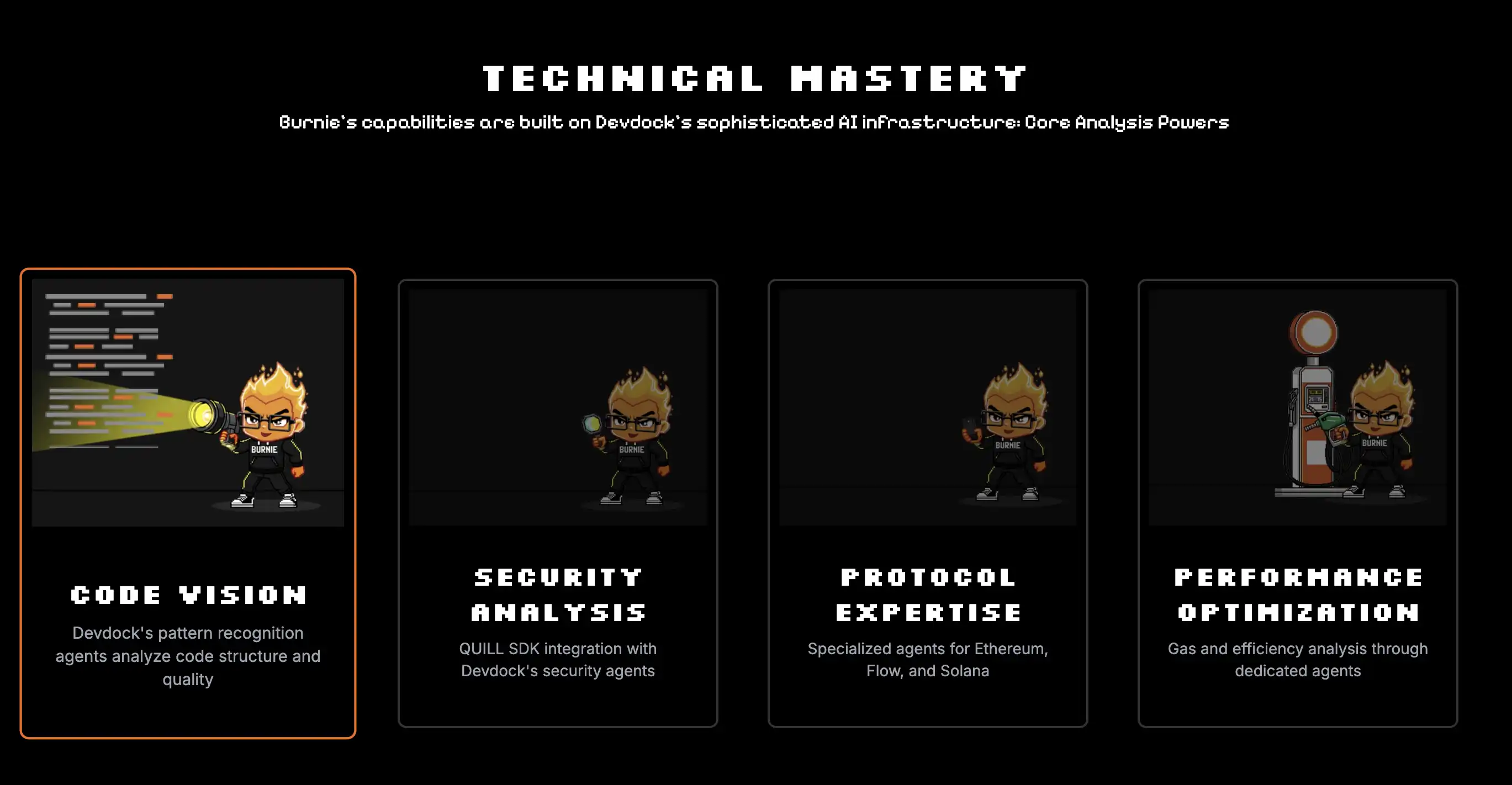
Burnie
Burnie is a coding education platform designed to improve users’ programming skills across levels. Players complete tasks to earn rewards.
Inspiration as App: Targeting the Mass Market in the Post-AI Application Era
After Arc and Ai16z hit stagnation in framework development, both shifted toward becoming AI Agent distribution platforms. Arc’s launch platform Forge went silent after its first product AskJimmy, while Ai16z’s AutoFun launched just days ago but hasn’t yet supported any live projects—its trajectory remains uncertain. Product-wise, AutoFun appears more geared toward fostering UGC community culture, offering little differentiation from traditional LaunchPads in terms of value retention.
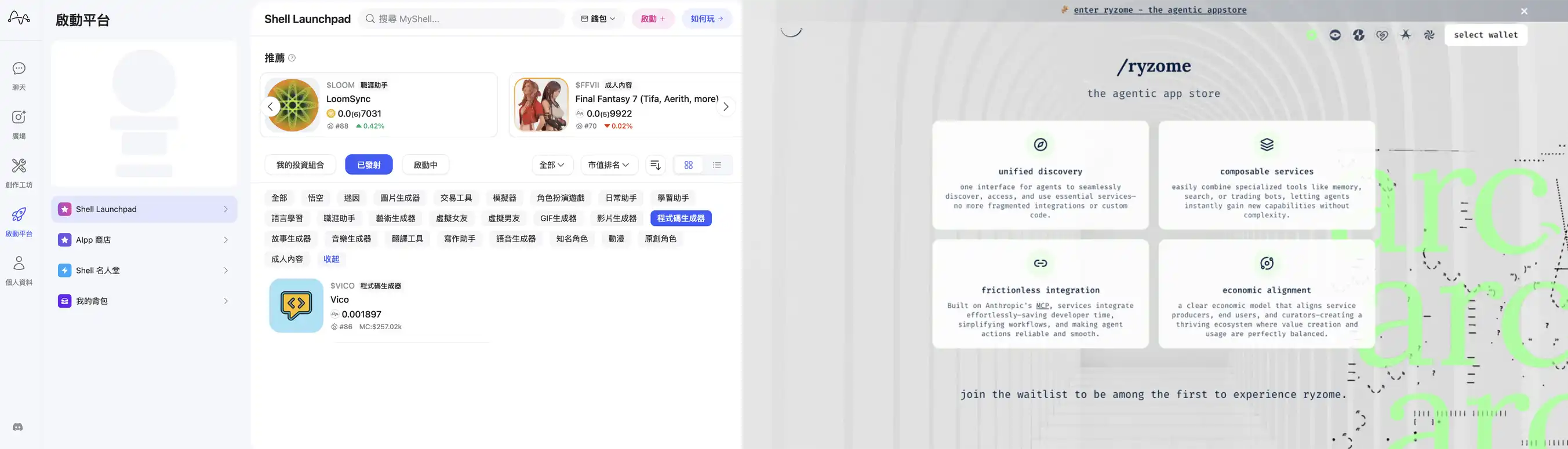
Arc plans to launch a new Agentic App Store called Ryzome, while Myshell already operates an AIApp Store—though neither has achieved significant traction, with Ryzome not yet live and Myshell lacking activity. Most apps produced are largely indistinguishable.
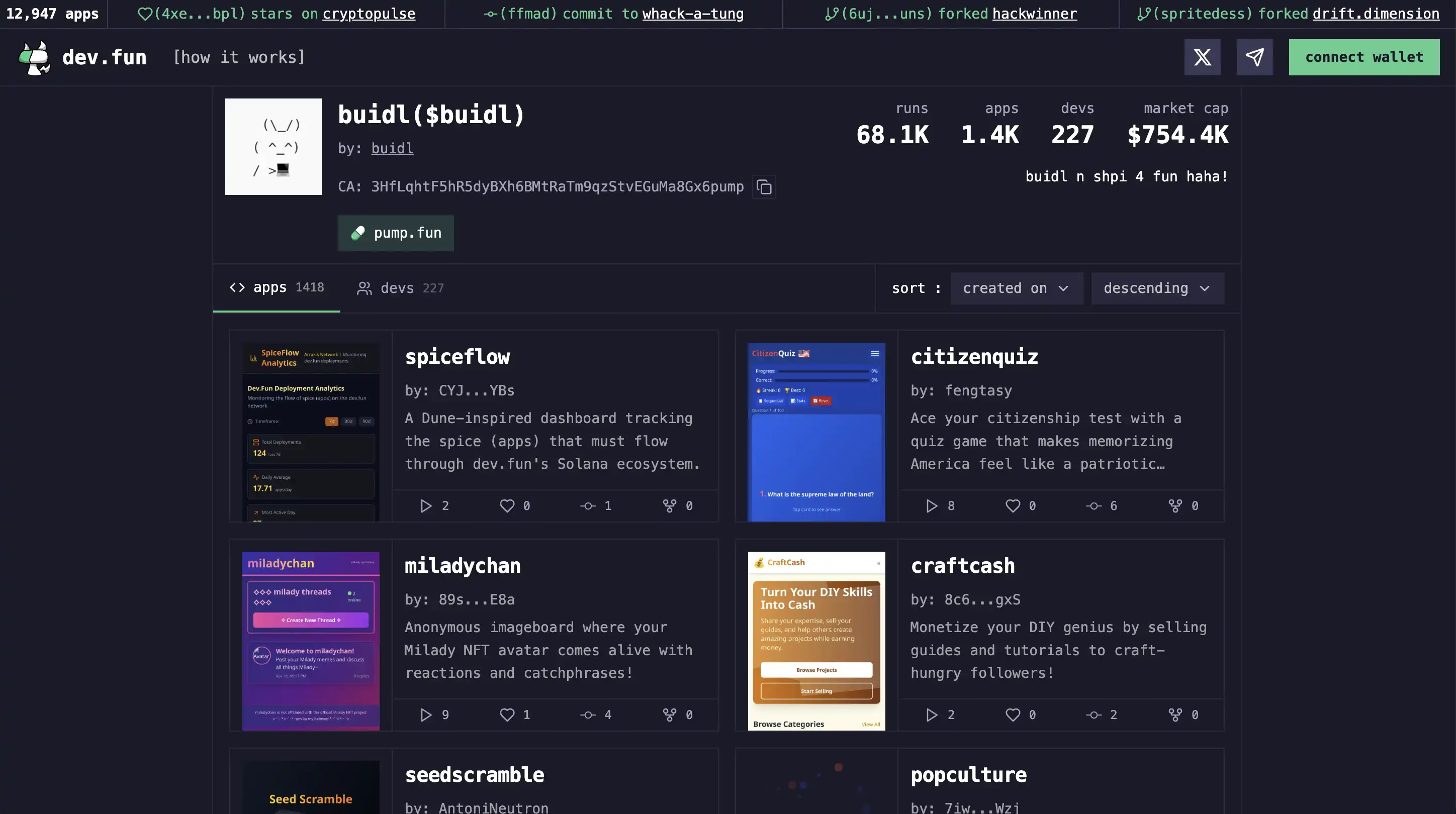
In this context, dev.fun—an early proponent of the AppFi concept—appears more authentic. At first glance, its design resembles Pumpfun, yet it seems more vibrant. Although dev.fun’s token price, like other AI projects, has dropped significantly this cycle, surprisingly, nearly 13,000 apps have been created on the platform.
dev.fun allows users to generate apps simply by chatting with AI—similar to Replit, previously backed by YC. Beyond launching project/Meme tokens, users can choose their own trading pairs. Currently, the most supported collection, Buidl, hosts 1,400 apps and has run close to 70,000 times.
What Kind of AI Does the Current Crypto Market Prefer?
Currently popular projects fall into three main categories. First are developer tools, including frameworks, AI Copilot coding assistants, and MCP infrastructure. Second are consumer-facing AI applications, such as AI Agents, games, DeFAI (alpha signals, funds, automated LP), and GambleFAI. Third are decentralized AI infrastructures—like decentralized computing, verification, and storage. The first two categories usually appeal more to retail investors, while the third is favored by VCs and institutional investors, often requiring high valuations.
Developer Tools
These projects offer broad application scenarios and conceptual reach, but are also common targets for scams, as retail users cannot easily see tangible products. Feedback cycles are longer, so key success factors include whether the product is usable and capable of viral adoption (i.e., actual usage). Building successful products here demands high technical proficiency and marketing skill from the team.
DARK, the recently viral MCP project, exemplifies balanced execution in both areas. Backed by MTN DAO’s influence, DARK delivered a visible game product—"Dark Forest"—within two weeks.
Solana’s “golden child” SEND AI currently enjoys the widest reach in this space, gaining fame after hosting Solana’s major AI hackathon. Solana Agent Kit is widely used across many products. ALCHEMIST AI continues development too, recovering from a February low of $1.4 million market cap back to $14 million.
-
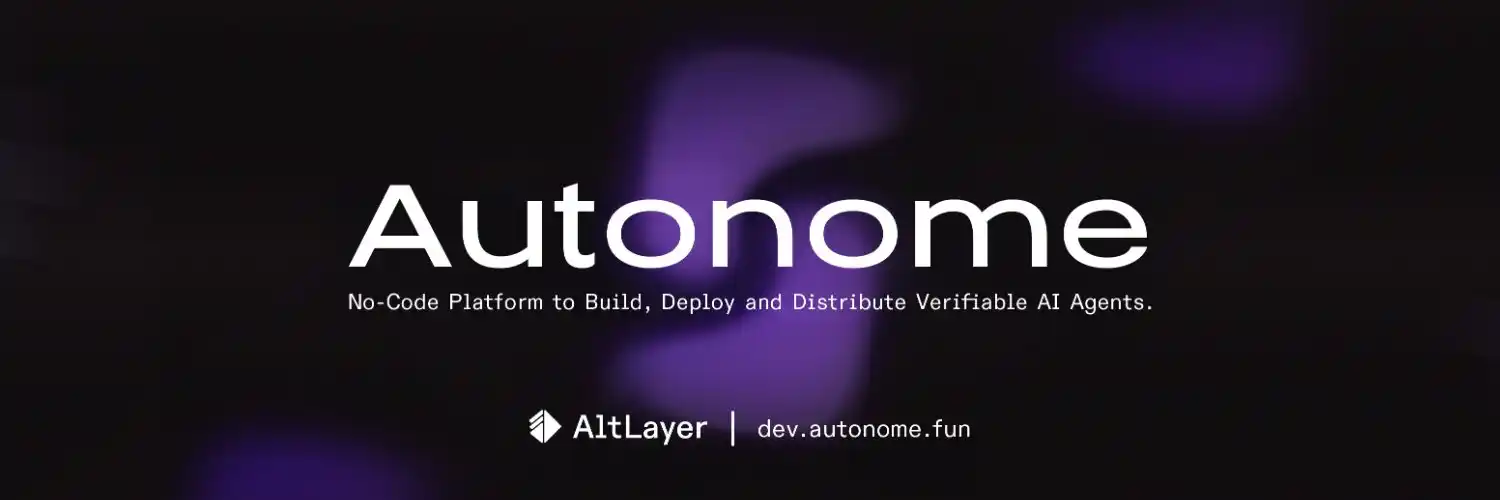
Autonome
Autonome is a platform enabling developers and users to build, deploy, and distribute verifiable AI Agents without coding, developed by Rollup protocol AltLayer. Active since the last cycle, it has yet to issue a token.
Consumer AI
Gaming
-
Smol

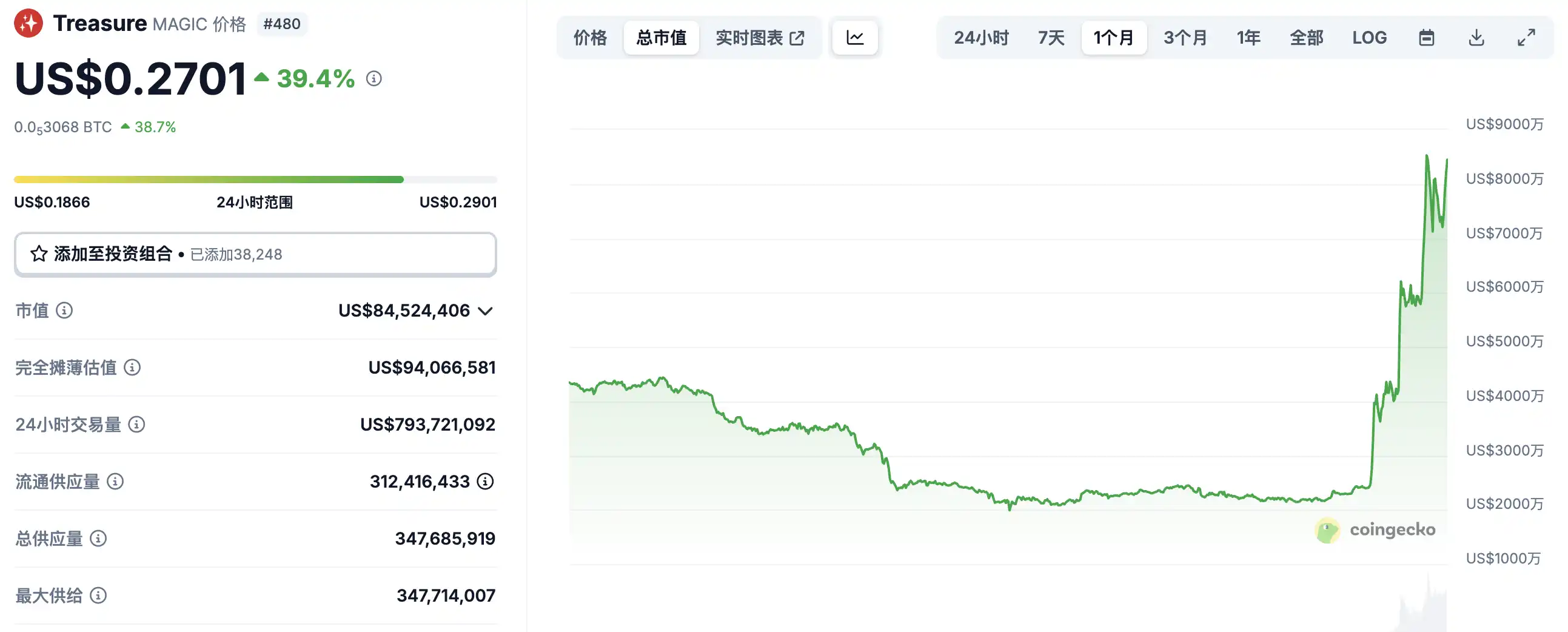
Recently, Treasure announced shifting focus from gaming chains and game operations to AI+NFT. SMOL quickly responded with its first deliverable: announcing the “Virtual Companions” feature, turning NFTs into AI Agents capable of using social media and independently playing GameFi or DeFi games. They’ve also built a marketplace where AI Agents can buy and sell skills, memories, and other data.
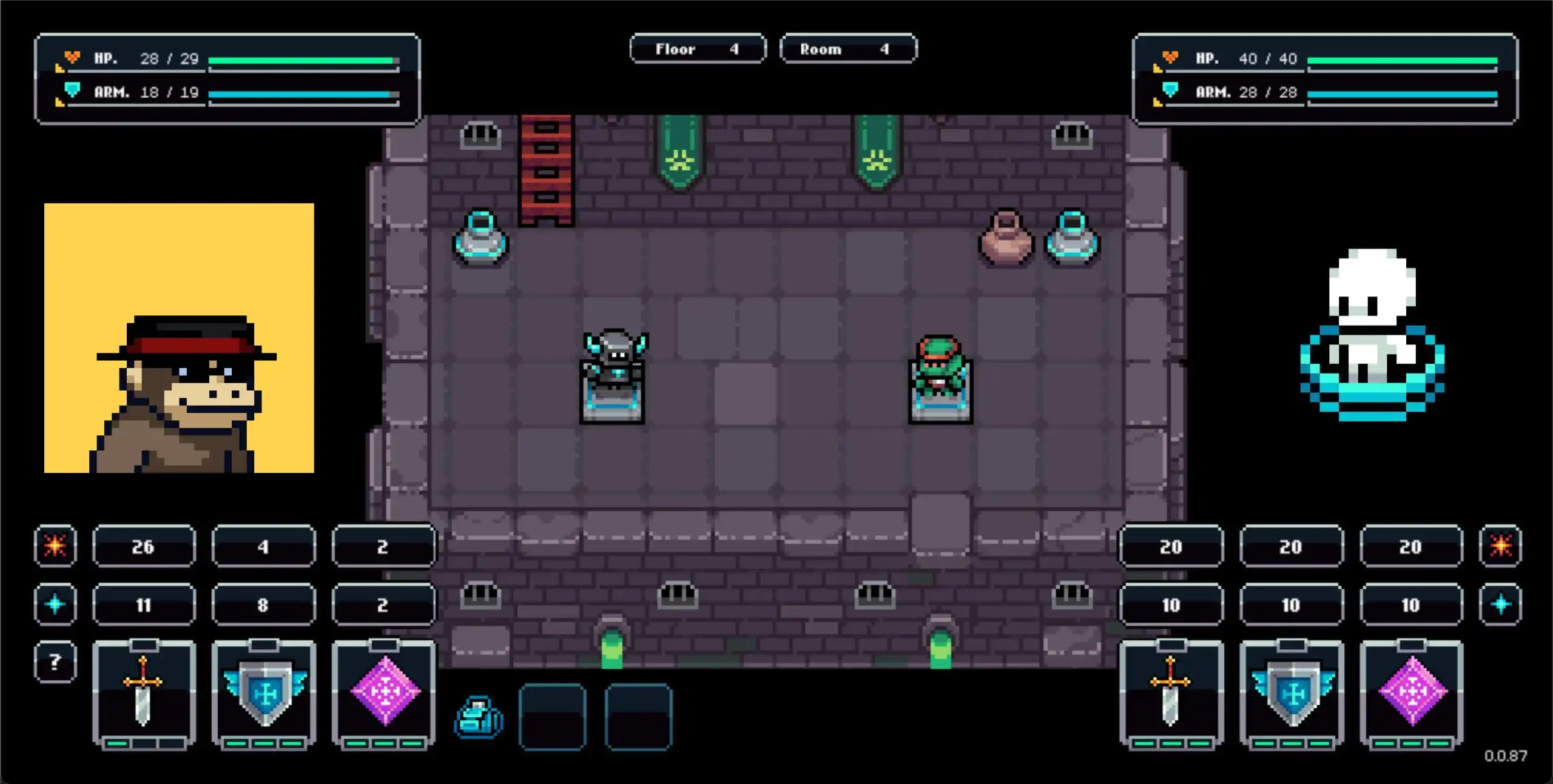
In-game screenshot by community player Fairu
The first game launched is Abstract’s on-chain RPG Gigaverse. Community testing received generally positive feedback, and Treasure’s token price rebounded accordingly—from a post-announcement low of $20 million market cap to $80 million today. Beyond expectations around NFT-to-AI technology, the idea of AI Agents playing GameFi may prove even more attractive. For GameFi projects, the problem of low engagement, and for players, the issue of unenjoyable gameplay, might be solved in the future by assetized AI Agents.
DeFAI
Almanak
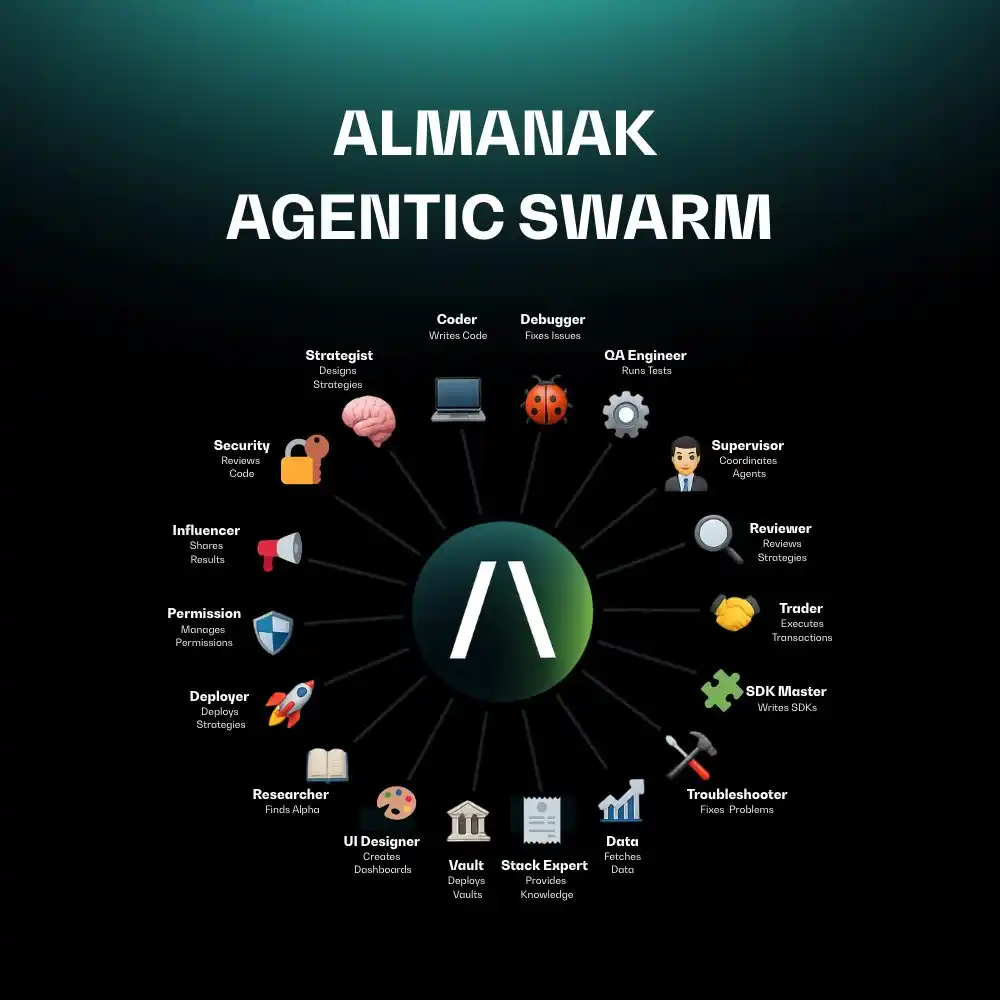
After 18 months of development, Almanak announced on April 17 that it will conduct its Token Generation Event (TGE) in 2025. Almanak is an end-to-end platform allowing users to create, optimize, and manage complex financial strategies via AI agents. Functions such as market data analysis, strategy formulation, optimization, and high-speed execution are all automated. The team has backing from top-tier VCs and advisors including RockawayX, Delphi Labs, Hashkey, AppWorks, Matrix Partners, and Bankless Ventures.
GambleFAI
Sportstensor
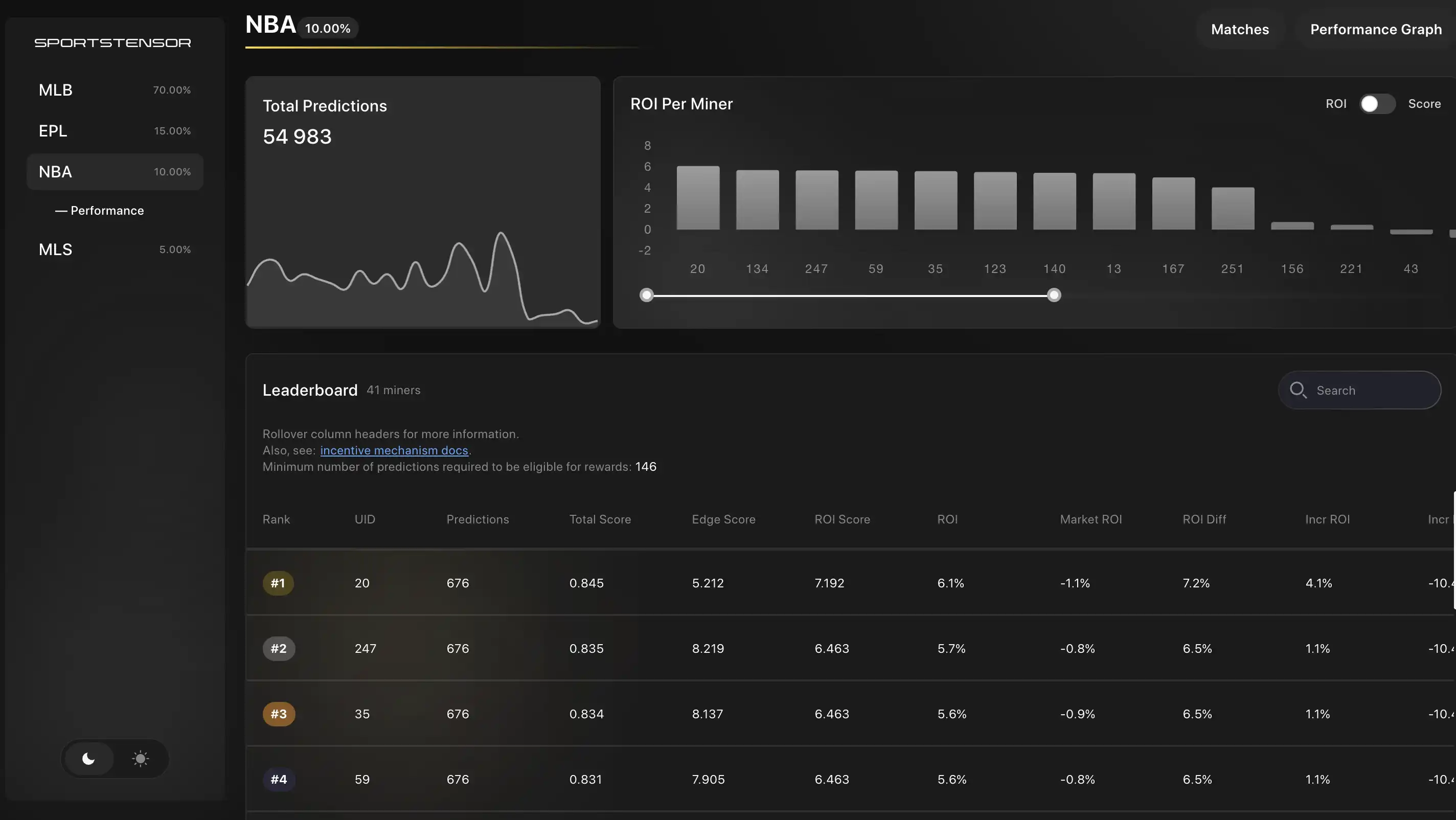
Sportstensor is SN41 on dTAO, an AI-powered sports prediction platform where participants (“miners and validators”) collaborate to develop and refine predictive models. Those with superior models and datasets profit by accurately predicting sports outcomes. Users can engage technically (by developing models) or non-technically (by using prediction results).
For example, in an NBA game between the Celtics and Magic with odds of 0.92:0.08, betting on the Celtics (the favorite) gives you roughly a 92% win rate. Yet despite such high probability, repeated betting usually leads to negative returns. While favorites win more often, they offer lower payouts—meaning even correct bets yield small profits. People tend to bet on their preferred teams, making underdog victories rare, but correctly predicting them yields substantial rewards.
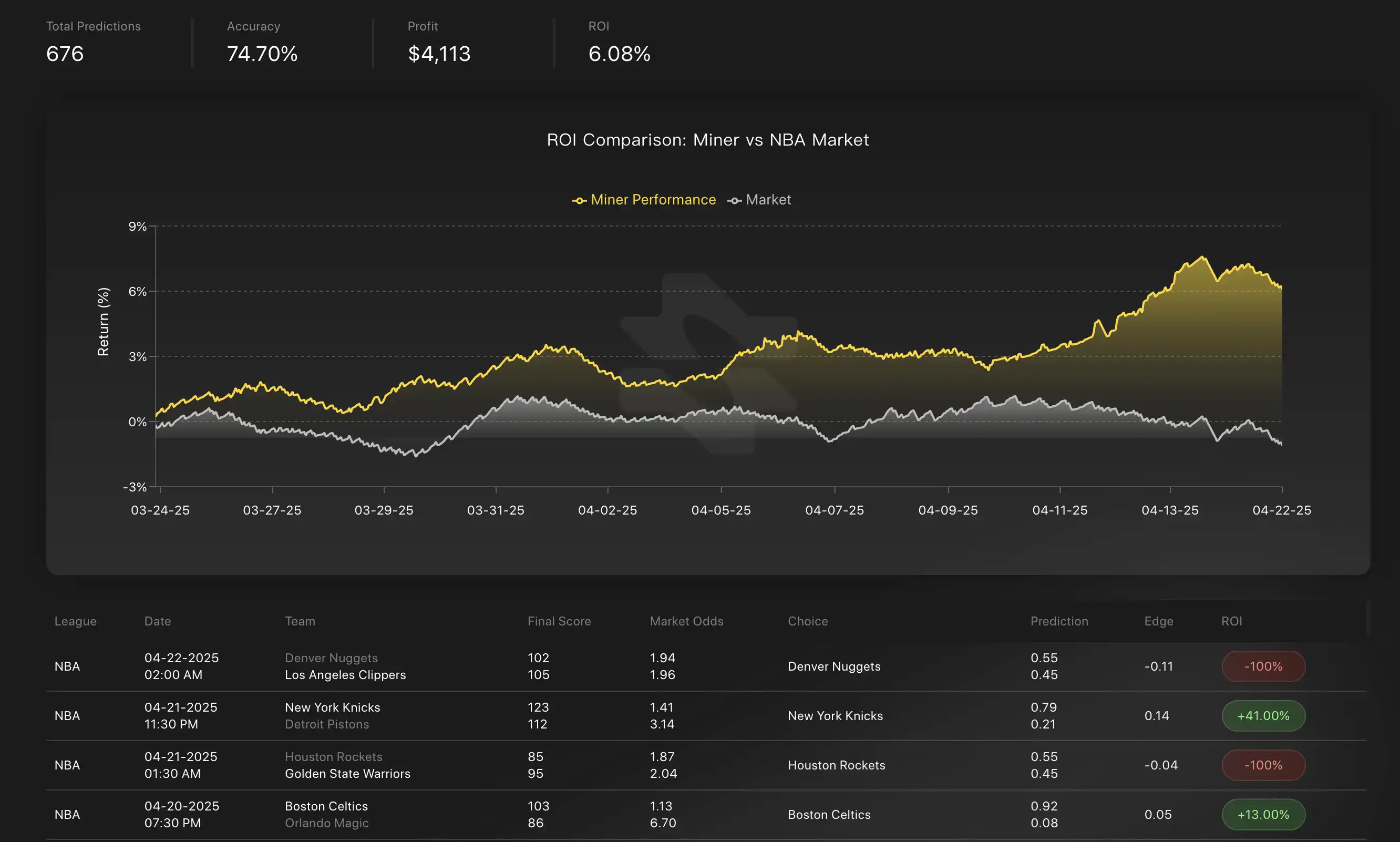
This is where Sportstensor shines: miners run machine learning models using their own data to achieve optimal results. Sportstensor takes the average or median of these predictions, creating an intelligent indicator identifying market inefficiencies. The difference between model-predicted odds and market odds represents the potential profit margin over time.

DeAI Infrastructure
This category represents one of the earliest fusion concepts between Crypto and AI, exemplified by projects like Grass. Countless similar attempts have emerged, few achieving longevity. The key challenge for decentralized compute lies in optimizing synchronized computation to undercut traditional providers on price. For decentralized training, the core hurdle is data transfer costs—difficult to overcome without mature infrastructure. Once solved, however, this presents a highly promising mass-market opportunity, drawing strong VC interest.
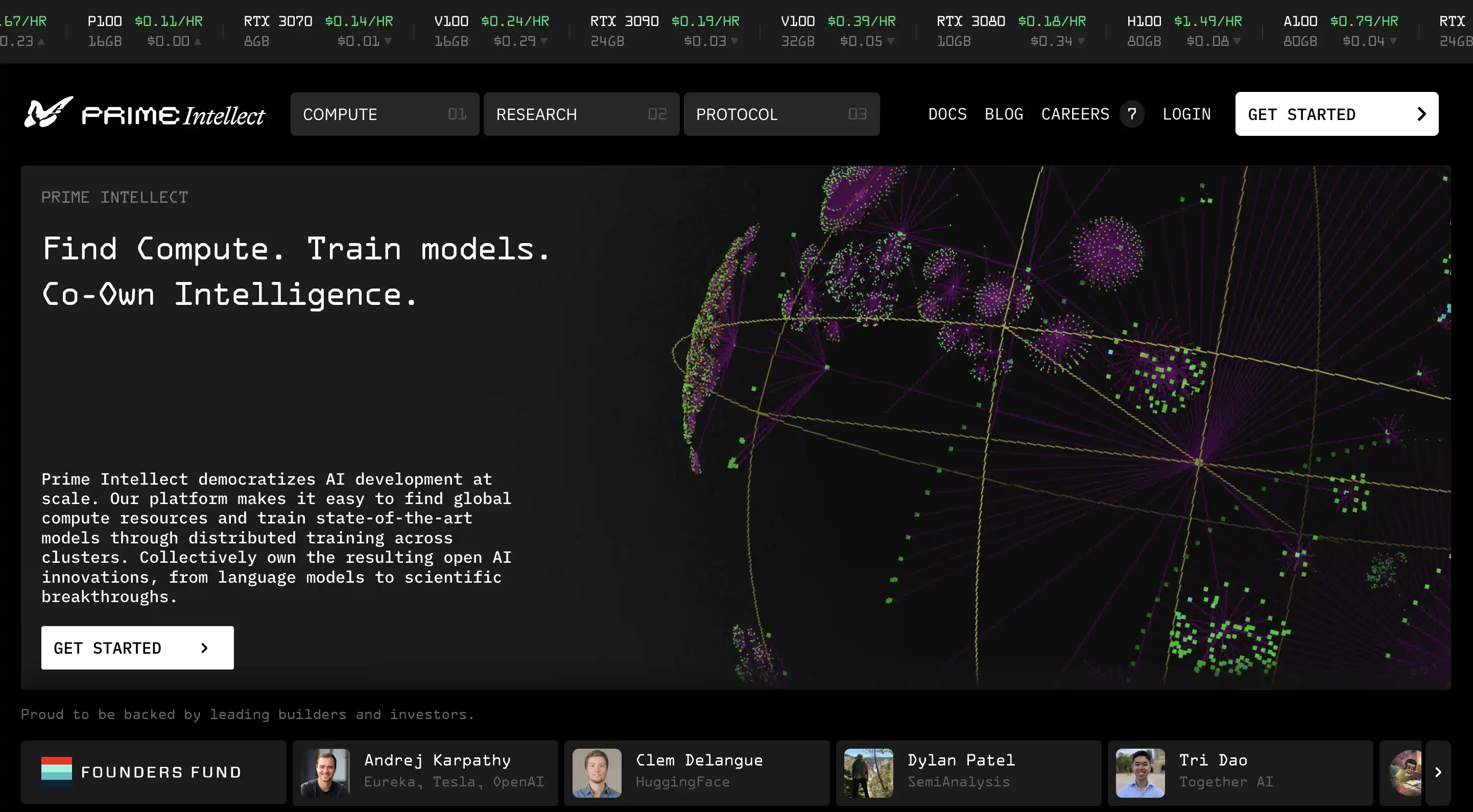
PrimeIntellect
Founded by Vincent Weisser and Johannes Hagemann—both formerly key members of leading DeSci project VitaDAO—PrimeIntellect is a platform that commoditizes computing power and AI models. Its funding rounds are impressive: a $5 million seed round led by CoinFund and Distributed Global, followed by a $15 million Series II led by Founders Fund. Individual investors include Polygon co-founder Sandeep Nailwal and prominent figures like former Coinbase CTO Balaji.
Recently, renowned OpenAI researcher Yaoshunyu published an article titled *The Second Half*, arguing we're currently midway through the AI era—with the second half about to begin. If the first half solved tasks like gaming and exam-solving, the second half will involve building intelligent, useful products that create companies worth billions or even trillions. Within this shift, opportunities surely exist for CryptoAI.
So stay tuned. Welcome to the second half.
Join TechFlow official community to stay tuned
Telegram:https://t.me/TechFlowDaily
X (Twitter):https://x.com/TechFlowPost
X (Twitter) EN:https://x.com/BlockFlow_News
 BlockBeats