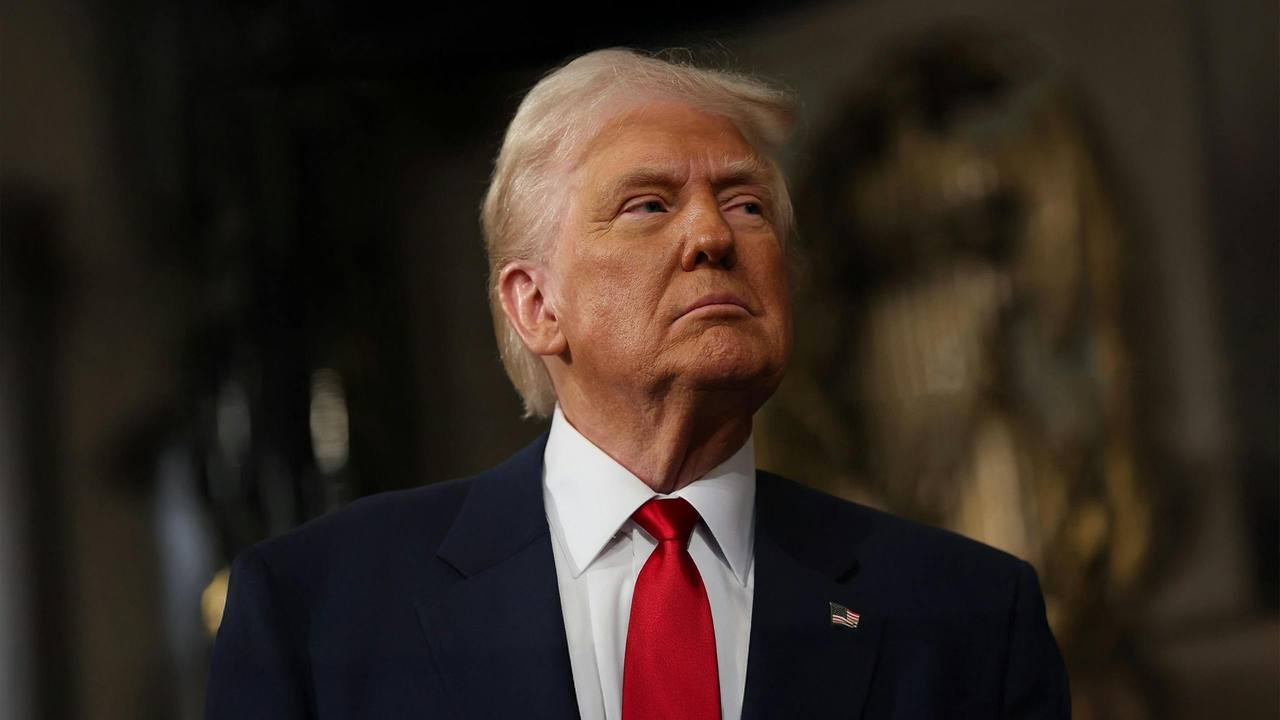
Why Did Trump Suddenly "Spare" Powell? Thanks to Bessent and Lutnick
TechFlow Selected TechFlow Selected
Why Did Trump Suddenly "Spare" Powell? Thanks to Bessent and Lutnick
Trump changed his mind in part because Treasury Secretary Besent and Commerce Secretary Lutnick privately warned him that removing Powell could trigger market turmoil and legal disputes.
 Navigating Web3 tides with focused insights
By Fang Jiayao, Wall Street Insights
Although Trump's criticism of Powell intensified last week, he publicly stated on Tuesday that he does not plan to fire Powell and accused the media of misrepresenting his intentions.
On April 23 Eastern Time, media citing sources said that the White House had taken seriously Trump’s public remarks criticizing Powell, with White House lawyers even privately studying legal options for removing Powell—specifically whether it could be done for "cause," since Federal Reserve governors can only be removed before their term ends for cause, which courts have typically interpreted as misconduct or dereliction of duty.
Trump’s change of heart is also linked to Treasury Secretary Bessent and Commerce Secretary Howard Lutnick. Sources said they warned Trump that firing Powell could trigger market turmoil and legal disputes. Lutnick told Trump that even if Powell were fired, interest rates wouldn’t necessarily change, as other Fed members might maintain a monetary policy similar to Powell’s.
Markets Vote with Their Feet, Trump Backs Down
The media noted that Trump’s statement indicating he has “no intention of firing Powell” shows he and his advisers are closely watching reactions from Wall Street and major corporations.
While Trump insists he is unaffected by market volatility, he and his team clearly notice resistance from financial markets to his aggressive trade and economic moves—and are gradually making concessions. As White House spokesperson Taylor Rogers once put it, presidential advisors offer counsel, but the president remains the final decision-maker.
Tesla CEO Musk said during Tuesday’s earnings call that he would advocate for lower tariffs in conversations with the president. “Whether he listens is up to him,” Musk added. Due to Tesla’s declining stock price, he plans to reduce time spent on DOGE-related work; Tesla’s global sales have also dropped amid concerns over Musk’s ties to the government.
During his first term, Trump frequently criticized Fed Chair Powell and tried to influence Fed decisions via social media, but with limited effect and no substantial impact on the Fed’s independence. This time, however, concerns about Fed independence have risen significantly, due to two main reasons.
First, Trump in his second term appears more inclined to challenge institutional and legal norms. The U.S. Department of Justice is attempting to overturn a 90-year-old legal precedent—one that protects Fed officials from being removed before their terms end. Many legal experts believe that overturning this precedent would severely threaten the Fed’s independence.
Second, Trump’s current tariff policies are larger in scale and broader in scope than during his first term, potentially worsening inflation this year. His tariff agenda undoubtedly makes the Fed’s balancing act between inflation and economic growth far more difficult.
Firing Powell Comes at High Cost With Little Gain
In reality, Trump faces significant obstacles in firing Powell.
On one hand, the Fed’s independence is viewed by bond investors as a cornerstone of the U.S. financial system. Many investors believe the Fed should remain free from government interference. If foreign investors fear the U.S. government may manipulate the Fed to tolerate higher inflation, they might reduce purchases of U.S. Treasuries, pushing interest rates higher.
Tim Mahedy, former senior adviser and chief economist at the San Francisco Fed, said last week that if Trump successfully forced out the Fed chair, the market reaction would be disastrous. The pain would come so fast and hard that the president would be forced to reverse course immediately—or face a systemic financial crisis.
On the other hand, many Wall Street analysts believe that even if Trump fires Powell, it won’t easily shift Fed monetary policy, as other Fed governors may not support rate cuts either. For instance, last month Trump promoted Bowman, a Fed governor he appointed during his first term, to Vice Chair for Supervision. Bowman is one of the Fed’s most outspoken officials and has warned against premature or overly rapid rate cuts.
Powell has consistently said he doesn’t believe the Fed’s independence is currently under threat. He argues that if a Fed chair were dismissed solely over policy disagreements, it would place immense pressure on future chairs and could compromise their decision-making freedom. To safeguard the ability of future Fed chairs to act without political pressure, Powell believes preparations must be made for such legal conflicts—even if it comes at personal cost.
Fed Independence Is Nothing New
Since the high inflation of the 1970s, the Fed has placed great emphasis on its independence. At that time, President Nixon pressured the Fed to loosen monetary policy, leading to severe inflation. That inflation was ultimately tamed only through the deep recession of the early 1980s.
Though the Fed’s independence isn’t explicitly codified in law, this historical lesson led to a broad consensus among the Fed, the president, and Congress: the Fed must have substantial independence to ensure low inflation and a healthy labor market.
By the 1990s, central banks in many other countries had also gained greater independence, allowing them to set interest rates free from government interference and better serve long-term economic development.
Join TechFlow official community to stay tuned
Telegram:https://t.me/TechFlowDaily
X (Twitter):https://x.com/TechFlowPost
X (Twitter) EN:https://x.com/BlockFlow_News