WSJ: Crypto Firms Rush to Apply for Banking Licenses, Knocking on the Door of the Banking Industry
TechFlow Selected TechFlow Selected
WSJ: Crypto Firms Rush to Apply for Banking Licenses, Knocking on the Door of the Banking Industry
Cryptocurrency is deeply integrating into the banking system.
 Navigating Web3 tides with focused insights
Authors: Gina Heeb & Vicky Ge Huang
Translation: TechFlow
After the collapse of FTX and the failure of two banks supportive of cryptocurrencies, regulators cracked down hard on crypto, prompting some traditional financial institutions to part ways with the industry about two years ago. However, President Trump’s pledge to make the U.S. a “Bitcoin superpower” is paving the way for deeper integration between cryptocurrency and the banking system.
A group of crypto firms, including Circle and BitGo, plan to apply for bank charters or licenses, according to people familiar with the matter. Other sources said that cryptocurrency exchange Coinbase Global and stablecoin firm Paxos are also considering similar moves.
Meanwhile, the Trump administration is pushing to bring cryptocurrencies into the mainstream financial system, and Congress is advancing two bills that would establish a regulatory framework for stablecoins—digital tokens that allow users to easily move in and out of more volatile cryptocurrencies. The legislation would require stablecoin issuers to obtain charters or licenses from regulators.
Some crypto companies are interested in national trust or industrial bank charters, which would allow them to operate more like traditional lenders—accepting deposits and making loans. Others are pursuing narrower licenses that would simply permit them to issue stablecoins.
Last month, “World Liberty Financial,” a crypto venture backed by the Trump family, unveiled plans to launch a stablecoin called USD1. The stablecoin’s reserves will be safeguarded by crypto custodian BitGo, which is close to filing an application for a bank charter, according to people familiar with the matter.
Any crypto company obtaining a bank charter would face heightened regulatory oversight.
To date, Anchorage Digital is the only crypto firm in the U.S. with a federal bank charter. The company said it has spent tens of millions of dollars to comply with regulations.
In 2022, a banking regulator issued a consent order against Anchorage, citing deficiencies in its anti-money-laundering controls.
"It's not easy," said Nathan McCauley, CEO of Anchorage, which received its charter in 2021. But he added, “all the regulatory and compliance obligations of being a bank can be reconciled with the crypto industry.”
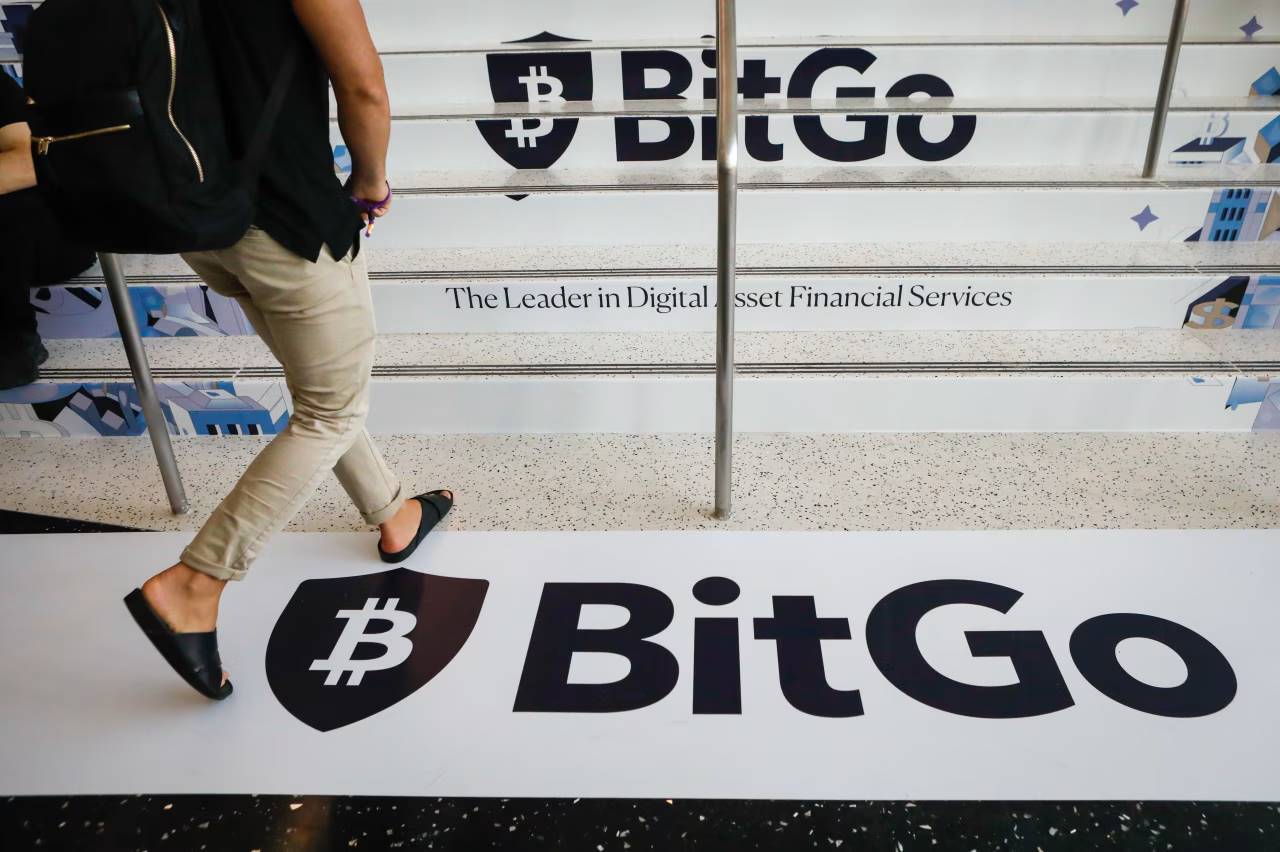
BitGo is one of the crypto firms planning to apply for a bank license
The San Francisco-based firm recently became one of the custodians for BlackRock’s iShares Bitcoin Trust, working alongside Coinbase. Anchorage also partners with Cantor Fitzgerald and crypto custodian Copper to support the firm’s $2 billion bitcoin-backed lending program. Tether is a major client of Cantor, which was previously led by Commerce Secretary Howard Lutnick.
Stablecoins are pegged to the U.S. dollar or other government-issued currencies and hold reserves in cash or cash-like assets such as Treasuries to maintain a one-to-one value ratio. Tether is the largest stablecoin by market capitalization at $145 billion, while Circle’s USD Coin is the second-largest, with around $61 billion worth of tokens in circulation.
Just a few years ago, after FTX collapsed, regulators cracked down on the industry, and major banks severed ties with crypto firms. After the failures of Silvergate Capital and Signature Bank, many industry founders struggled to find new banks willing to accept their deposits or extend credit.
Since Trump returned to the White House, regulators have removed rules requiring banks to obtain approval before engaging in crypto activities. Further guidance on how banks can participate in cryptocurrency is expected later this year, according to people familiar with the matter.
In the meantime, some banks are racing to catch up and reestablish connections with the industry.
In February, Bank of America CEO Brian Moynihan said the bank would issue its own stablecoin if a legal framework were established. U.S. Bancorp said this month it will relaunch its crypto custody services through a partnership with NYDIG, a bitcoin trading and banking firm.
Separately, a consortium of banks including Deutsche Bank and Standard Chartered has begun exploring how to expand crypto operations into the U.S., according to people familiar with the matter. A spokesperson for Deutsche Bank declined to comment. Standard Chartered did not respond to requests for comment.
Some banks remain cautious. KeyCorp CEO Chris Gorman said cryptocurrencies could increasingly become competitors to the industry. While his bank sees potential opportunities in the space, it wants to observe developments first.
He pointed to regulatory challenges related to anti-money-laundering compliance. Banks can watch where things are heading, he said, “but beyond that, it's difficult to track.”
Join TechFlow official community to stay tuned
Telegram:https://t.me/TechFlowDaily
X (Twitter):https://x.com/TechFlowPost
X (Twitter) EN:https://x.com/BlockFlow_News