








NFTs Are More Than Digital Art: Could Smart Agents Be the Next Big Thing?
TechFlow Selected TechFlow Selected
NFTs Are More Than Digital Art: Could Smart Agents Be the Next Big Thing?
An intelligent agent is like a digital assistant that remembers its interactions with users, perfectly demonstrating the three core characteristics of NFTs: exclusivity, upgradability, and ownership provenance.
 Navigating Web3 tides with focused insights
Original: Daniel Barabander, Variant
Translation: Yuliya, PANews
In today's digital age, NFTs (non-fungible tokens) have become a hot topic. To understand the value of NFTs, we can think of them as "special items" in the digital world—objects that possess characteristics similar to physical-world assets.
Let’s start with a common example: buying a house. When you purchase a home, you receive a title deed that proves the property’s ownership history (provenance). As the owner, you have exclusive rights to use the house and can prevent others from entering at will (exclusivity). Additionally, any renovations or improvements you make—such as remodeling or upgrades—remain part of the house (upgradability). Ordinary digital items lack these qualities, but NFTs can simulate all three core features.
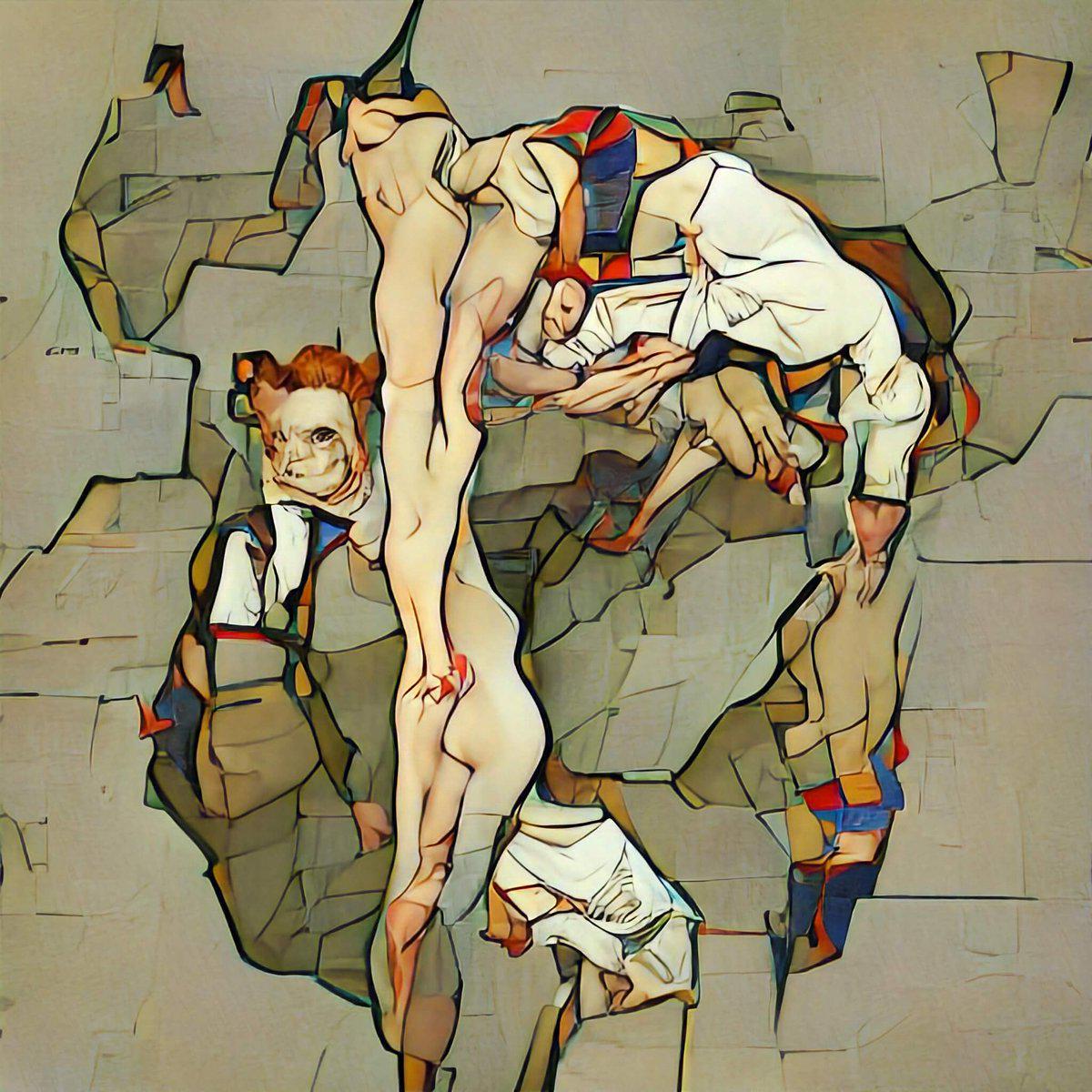
Currently, NFTs have achieved product-market fit primarily in the art space, yet they mostly leverage only two of these three properties: provenance and exclusivity. For instance, Botto’s artwork *Asymmetrical Liberation* uses NFTs to prove it was the first piece generated during Botto’s “genesis period,” and its owner holds exclusive control over it. However, like physical artworks, owners cannot modify the work itself. Exploration of “upgradability” in NFTs remains limited—the closest applications being game-related NFTs, such as characters that players level up during gameplay. Still, this feature is significantly underexplored.
A more innovative application involves using NFTs for smart agents. A smart agent is like a digital assistant that remembers its interactions with users, and it perfectly embodies the three core characteristics of NFTs:
-
Exclusivity: Only the NFT holder has access to the agent’s memory.
-
Upgradability: Each time the NFT holder uses the agent, its memory updates, accumulating personalized experience and retaining the user’s customizations.
-
Provenance: Since only the NFT holder uses the agent, the ownership history reflects its accumulated experience—essentially forming a “resume.”
For example, imagine if J.R.R. Tolkien had used a smart agent while writing *The Hobbit*. For an aspiring fantasy writer, this agent—imbued with Tolkien’s creative process—would hold unique value. It wouldn’t just be a tool; it would carry irreplaceable, non-replicable experience shaped by one of the greatest storytellers.
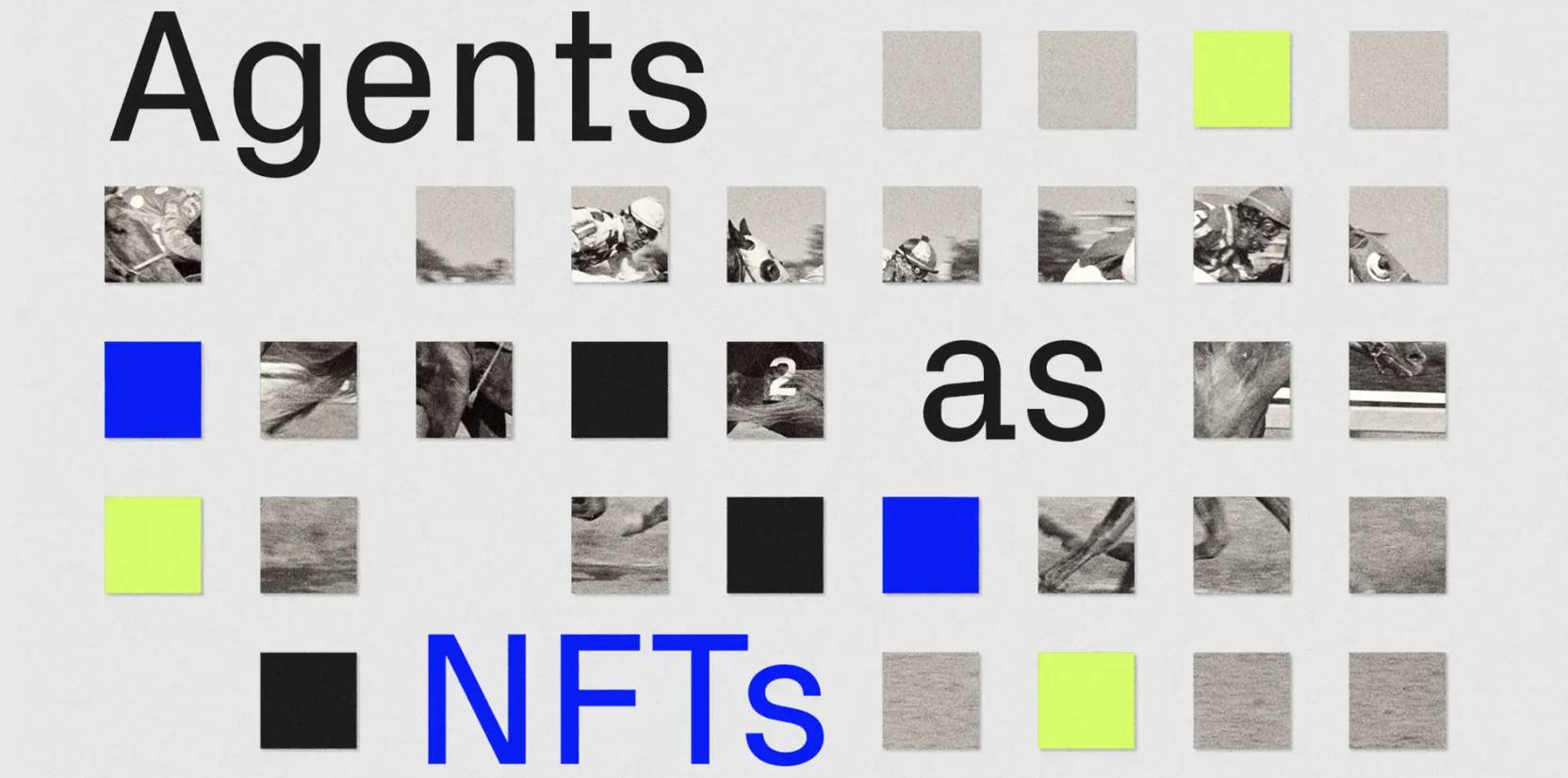
While most AI agents may be better suited as public API services—similar to SaaS products—smart agent NFTs are more like racehorses: their value stems from who trained them, their accumulated training persists over time, and only one person can own and use them at a time. Companies like Plastic Labs are already developing the underlying infrastructure to support such smart agent NFTs.
This innovative fusion of NFTs and smart agents not only expands the boundaries of digital assets but also introduces entirely new design paradigms for software development and artificial intelligence. As technology advances, we may soon see a wave of highly personalized, market-valuable intelligent agent applications emerge.
Join TechFlow official community to stay tuned
Telegram:https://t.me/TechFlowDaily
X (Twitter):https://x.com/TechFlowPost
X (Twitter) EN:https://x.com/BlockFlow_News
 Variant






