








Why Decentralization Matters: Three Reasons That Will Change Your Perspective
TechFlow Selected TechFlow Selected
Why Decentralization Matters: Three Reasons That Will Change Your Perspective
Decentralization enables direct transactions via blockchain, free from external interference, offering a new option for economic survival and inflation resistance.
 Navigating Web3 tides with focused insights
Author: Asira S
Translation: Baihua Blockchain
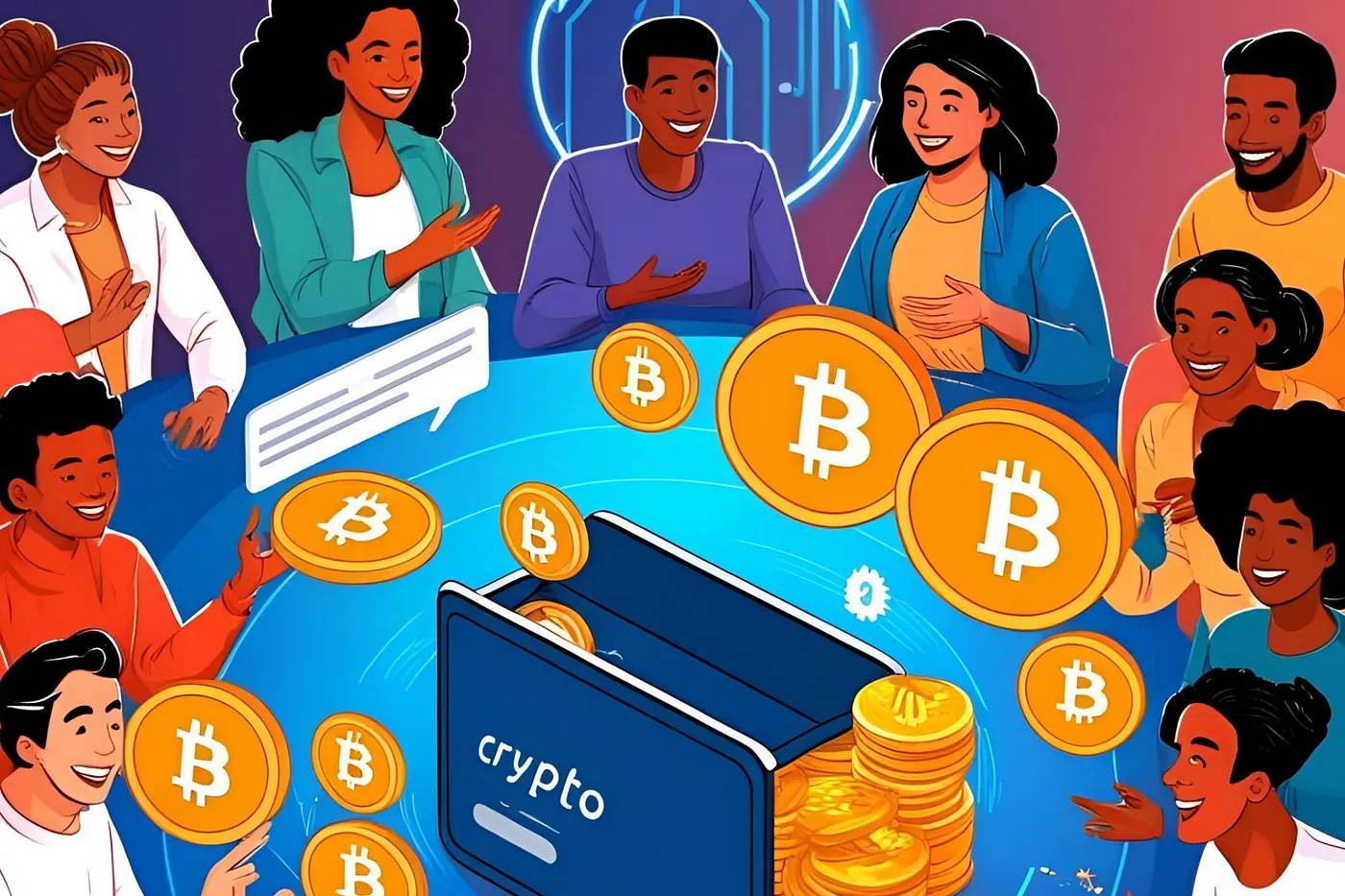
Cryptocurrency is attracting widespread attention globally. El Salvador has adopted it as legal tender, requiring merchants to accept it just like cash; meanwhile, blockchain summits in the United States are drawing billions of dollars in corporate investment pouring into the Web3 space.
Behind this surge, cryptocurrencies like Bitcoin and Ethereum mean far more than money itself—they are redefining how money works.
Yet, complex terminology and overwhelming information leave many confused, as if everyone assumes you already understand. In reality, many people are still struggling to grasp the true value and significance behind cryptocurrency.
01 So, what is decentralized currency?
Imagine if Venmo, PayPal, and your bank disappeared overnight—how would you send money?
This is already a reality for millions around the world.
But the problem goes beyond access to banking (though that’s a major issue). It's about who controls money itself.
Right now, when you make a transfer, you’re not actually transferring money yourself. You're requesting a bank or payment processor to do it for you. They act as intermediaries, charging multiple fees, deciding who can or cannot use their systems, and having the power to freeze or block transactions at any time.
Decentralized currency eliminates all of this. Simply put, you can directly send money to others via a digital wallet without going through multiple banks. A global network of computers—the blockchain—validates and records transactions using cryptography and code.
No company, no country, no CEO can interfere or stop it.
Unlike banks, decentralized currencies like Bitcoin, Ethereum, and other cryptocurrencies operate 24/7. There are no business hours. No waiting periods for "processing." Banks never close for weekends.
This isn’t just about speed—it’s about control.
02 Why is decentralized currency important?
For the first time in history, people can send, store, and control their funds without needing approval from banks or governments. If you live in a country with a stable banking system, this may seem insignificant. But for millions, decentralized currency means survival.
1. No one can freeze or block your funds
Nations and banks can—and do—freeze accounts whenever they deem it appropriate.
Take Canada in 2022, for example. During the trucker protests, the government froze bank accounts of protesters and donors without court orders. Or Nigeria in 2020, where authorities shut down bank accounts of activists supporting the #EndSARS movement (a protest against police brutality).
In both cases, governments justified these actions as necessary. But at what cost? When you take away someone’s money, you strip them of their ability to eat, pay rent, and survive.
With Bitcoin and decentralized currency, this cannot happen. If your assets are held in a self-custody wallet or traded through decentralized exchanges (DEXs), no bank, government, or corporation can freeze, block, or seize them. Suddenly, this is no longer just financial freedom—it becomes a basic human right.
2. Serving the unbanked
Consider this: 1.4 billion people worldwide lack bank accounts—not because they don’t want them, but because they live in areas without financial infrastructure, lack proper identification, or face government restrictions.
In El Salvador, over 70% of the population was unbanked before Bitcoin became legal tender. Now, people can send, receive, and save money without relying on banks.
For billions, decentralized currency isn't just an alternative—it's the only viable option.
Beyond basic banking services, decentralized finance (DeFi) is emerging as a powerful alternative to traditional financial systems.
3. Potential protection against inflation
Even if you have access to banking, inflation erodes your savings. Inflation means your money buys less over time.
Governments control traditional currencies, and when they print more money, its value decreases. This is exactly what happened in Venezuela, Zimbabwe, and Lebanon, where hyperinflation wiped out people's life savings.
Bitcoin has a fixed supply cap of 21 million coins. No government can print more, and no central bank can arbitrarily change the rules. That’s why some call it “digital gold.”
In the short term, prices are highly volatile. But in the long run, some believe its fixed supply makes it a strong store of value.
Bitcoin isn’t yet a perfect hedge against inflation. But it offers an alternative form of money outside government control. For many, that alone is reason enough to pay attention.
03 Decentralized currency changes everything
Bitcoin and decentralized currencies go far beyond finance. For some, they offer cheaper and faster ways to transfer money; for others, they represent potential inflation protection; and for millions globally, they provide the only accessible path to financial services.
Cryptocurrencies and the technology behind them aren’t perfect, and there are real risks involved. Yet they are pushing us to rethink how money operates. For the first time in human history, people can access a financial system that isn’t controlled by banks or governments.
No matter our stance on it, decentralized currency is already shaping the future.
Join TechFlow official community to stay tuned
Telegram:https://t.me/TechFlowDaily
X (Twitter):https://x.com/TechFlowPost
X (Twitter) EN:https://x.com/BlockFlow_News
 @thecapital_io









