How AI Enhances Web3 Marketing Efficiency: A Practical Guide from Design to Brand Positioning
TechFlow Selected TechFlow Selected
How AI Enhances Web3 Marketing Efficiency: A Practical Guide from Design to Brand Positioning
Marketing professionals who can skillfully leverage AI will stand out in this technological wave, becoming "super individuals" with extraordinary productivity.
 Navigating Web3 tides with focused insights
Authors: Jin.mm & Kevin
Translation & Compilation: TechFlow
Future marketers will only need two things: creativity and an AI-savvy mind. As the upstream of marketing, brand storytelling and design sit at the forefront of Web3 projects. Today, we share how Web3 marketing experts use AI tools to deliver a powerful "combo move"—tools included, feel free to adopt them directly.
Case 1: A Designer's AI Combo Move
Monad’s designer @kvncnls shared on X the process of creating the Monad testnet banner using a combination of AI design tools, showcasing how AI can turn creative ideas into professional visuals. For future marketers, this significantly boosts design efficiency.
AI Design Toolkit:
@figma, @jittervideo, @LottieFiles, @cursor_ai, @greensock
Case 2: Top Web3 Agency Hype Shares Brand Positioning Framework + GPT Model Link
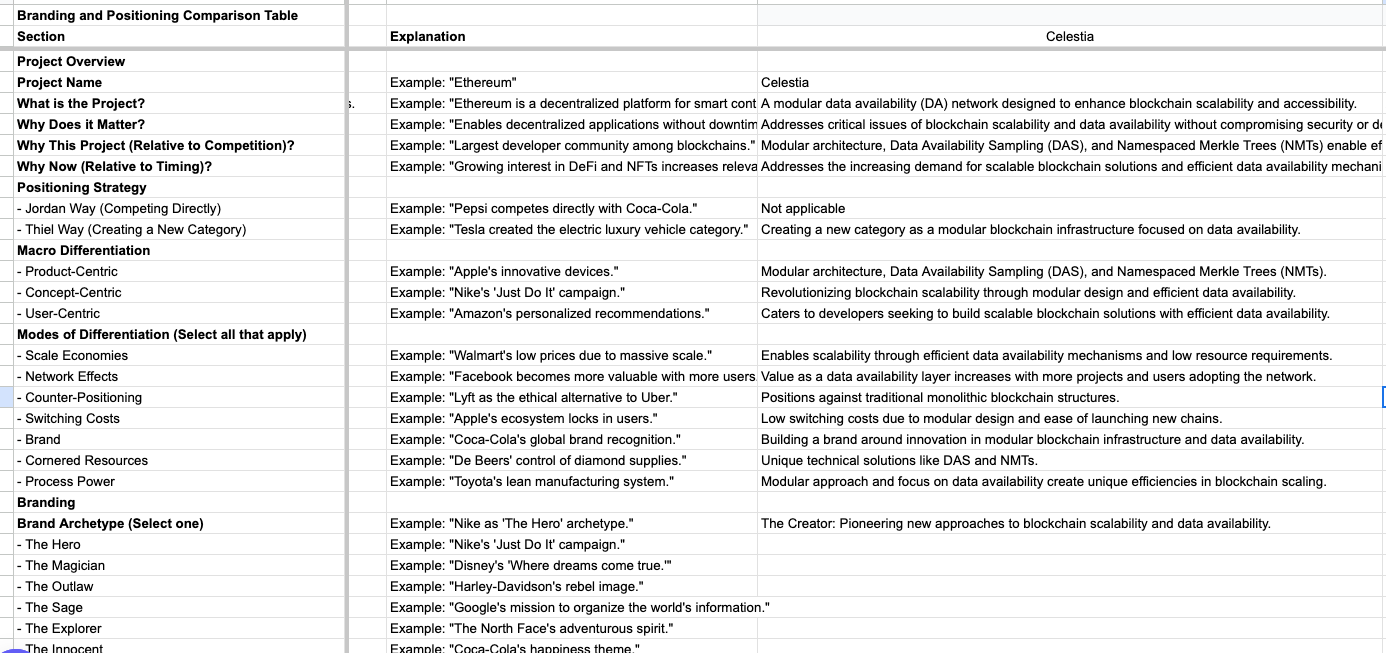
Web3 growth hacker @xkonjin compiled a conversation between @celestia’s branding strategist and @hypepartners’ chief marketer @emilyxlai, sharing a brand positioning methodology, a GPT model, and a comparative table analyzing the brand positioning of top Web3 projects—Celestia, EigenLayer, and Symbiotic.fi. Applying this GPT model with the brand positioning framework makes crafting brand strategies vastly more efficient. Take it and run!
GPT:
https://chatgpt.com/g/g-gGzxm4apv-crypto-branding-positioning-gpt
Table:
https://docs.google.com/spreadsheets/d/1FBB6CC6kGDAfTczTFXtwLntPUsFdso3k3fBHvt9vPdM/edit?gid=0#gid=0
Case 1: How to Use AI Tools to Design a Testnet Banner – The Monad Example
Designer @kvncnls recently shared on X how he used multiple AI design tools to create a unique banner page for the Monad testnet. He detailed his entire design workflow, including tool selection, creative inspiration, and implementation methods. Below is a practical step-by-step guide based on his insights.
-
Define Theme and Select Tools
@kvncnls chose an 80s retro gaming theme and selected the following AI tools accordingly:
Visual Electric: An AI-powered graphic generation tool tailored for designers, ideal for consistent visual assets.
Jitter: An animation tool for creating dynamic effects.
LottieFiles: Exports lightweight JSON-based animations.
Cursor: A code editor enabling rapid implementation of interactive features.
Figma: Used primarily for wireframing.
Greensock (GSAP): Enables complex web animations.
-
Generate Core Visuals Using Visual Electric
@kvncnls used Visual Electric to generate hero graphics inspired by 80s retro games via AI prompts. This tool helped rapidly produce visuals with a vintage cartridge aesthetic and retro interactivity. Pro tip: These advanced prompts aren’t beginner-friendly—save the templates.


-
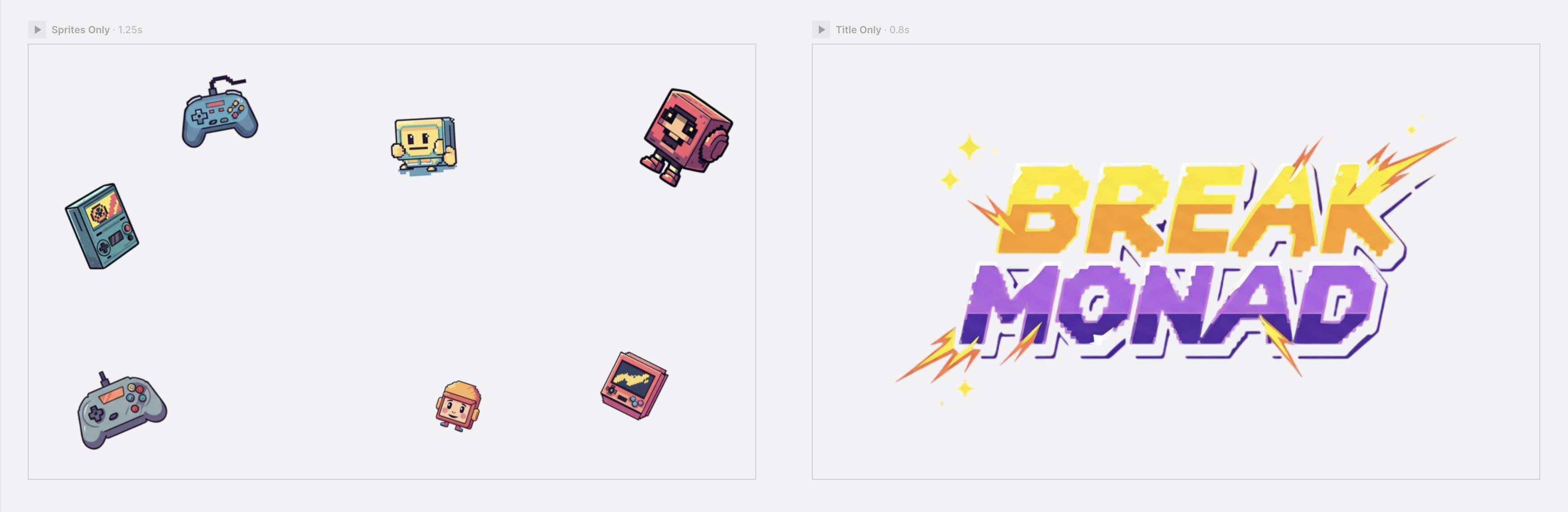
Character Sheet Design
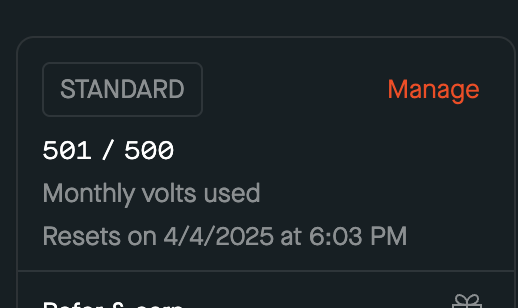
To enrich the page content, he used AI to generate character sheets—featuring various poses, angles, and expressions—mimicking an illustrator’s workflow. @kvncnls noted that this consumed all his available AI credits.

-
Title Design and Vectorization
The page title “BREAK MONAD” was also AI-generated. While not actually used, he suggested importing such images into vecticon.co to convert them into SVG format for easier adjustments.

-
Design Refinement and Background Removal
After initial designs were complete, he adjusted the assets from different angles and poses. Then, using Visual Electric’s built-in “remove background” feature, he cleaned up excess elements to obtain clean-cut visuals.
-
Create Animations
He imported refined assets into Jitter to create simple animations. Though the first draft was done, he aimed to add more complex interactive effects later.
-
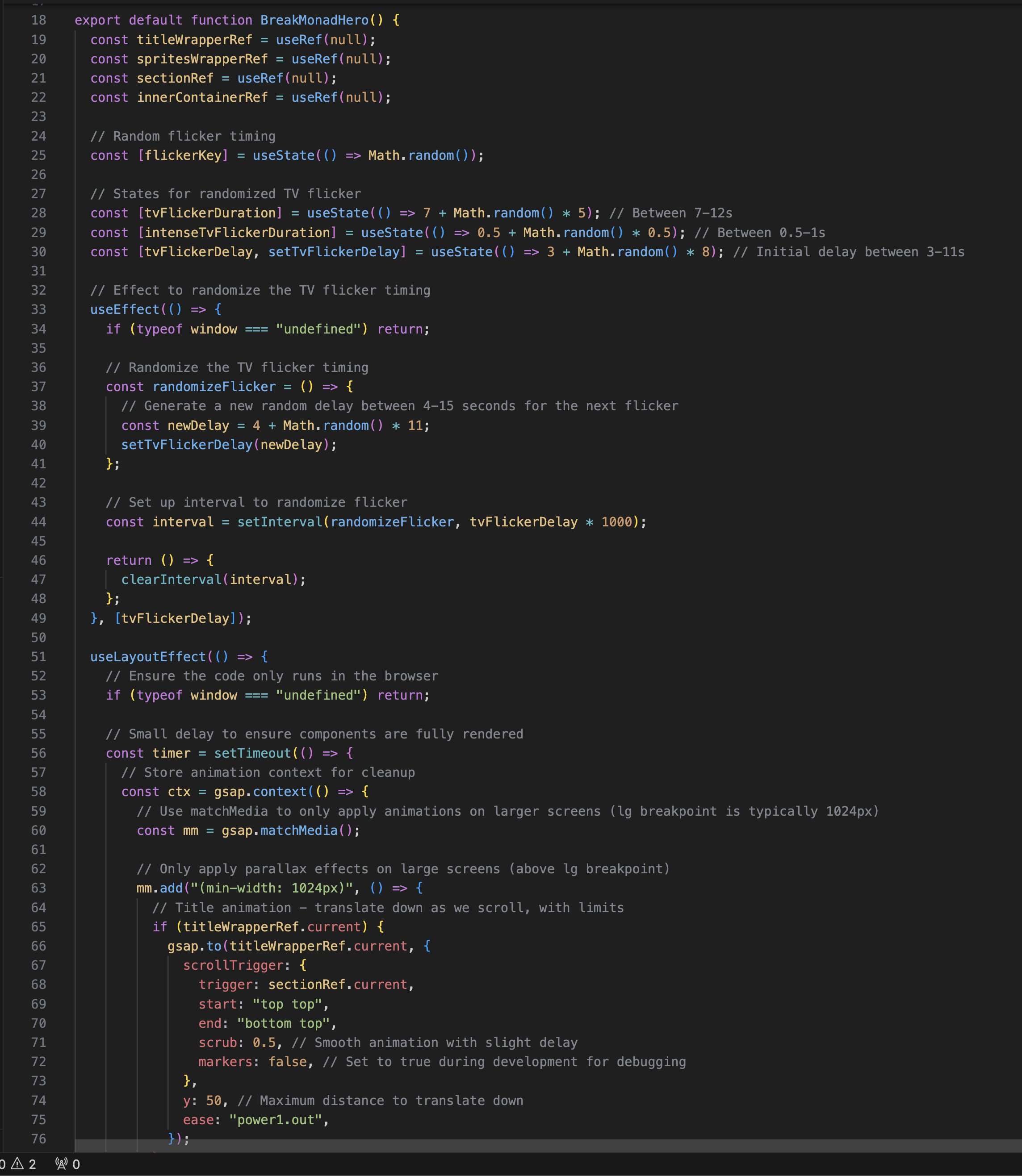
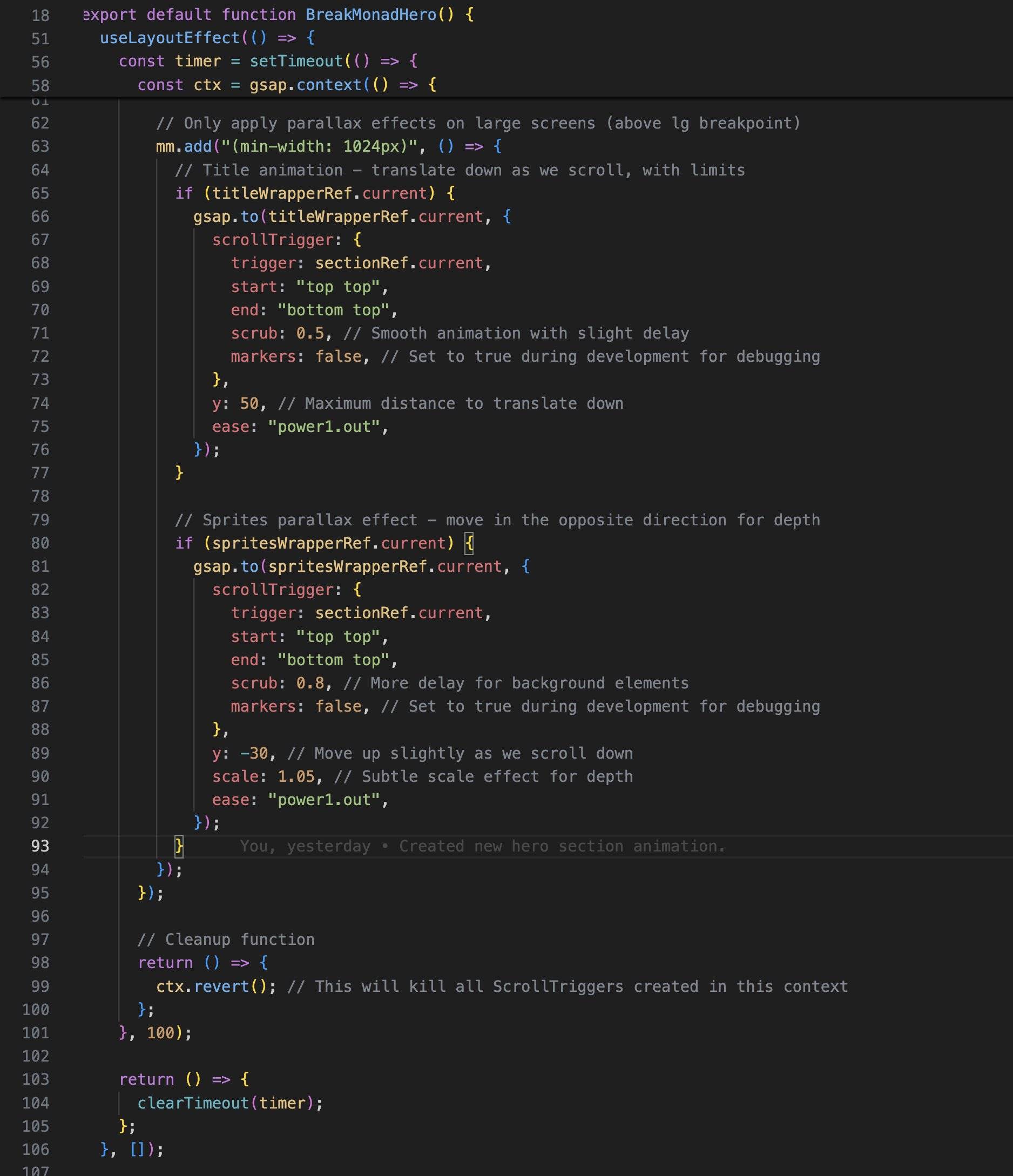
Implement Parallax Scrolling
To achieve parallax effects as users scroll, @kvncnls separated foreground and background animations into two distinct clips, exported them in LottieFiles format, then added scroll-triggered parallax effects in Cursor. For performance optimization, the effect was disabled on mobile devices.
-
Add Thematic Visual Effects
To match the “BREAK MONAD” title, he incorporated glitch-style screen effects, reinforcing the retro gaming atmosphere. See the original tweet at the end of the article for the video demo.
-
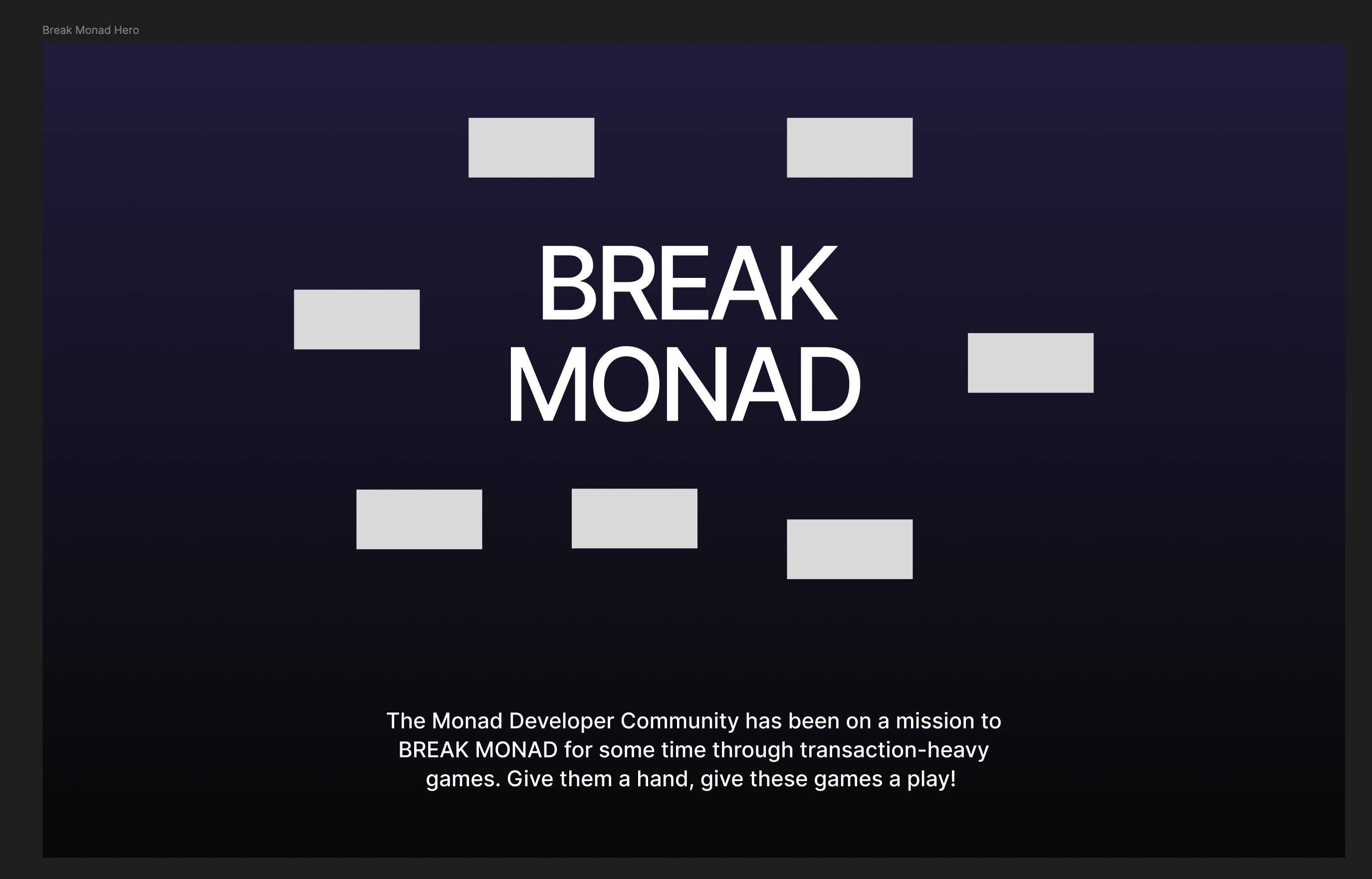
Insights on Tool Integration
Although Figma is his go-to design tool, @kvncnls mentioned using it minimally here, starting instead directly in Visual Electric. Jitter and Cursor played key roles in animation and interactivity.
-
Final Launch
After multiple rounds of refinement and optimization, @kvncnls successfully launched the Monad testnet banner—an immersive 80s retro experience.
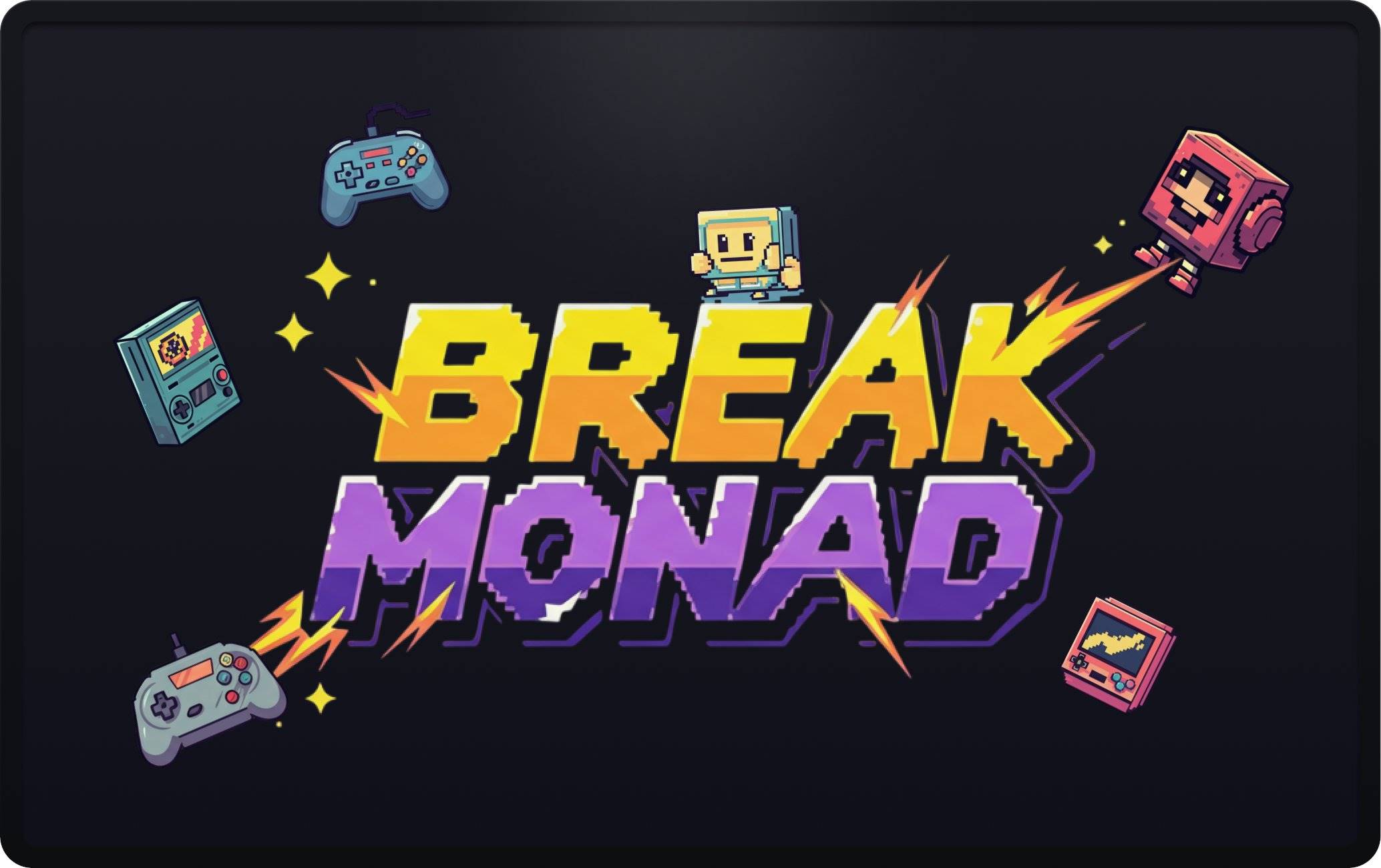
Through @kvncnls’s journey, we see the immense potential of AI tools in the design process—from visual generation to animation and interaction. Their integration makes design faster, more efficient, and highly creative.
Case 2: Branding and Positioning for Web3 Projects – How AI Helps
In the crypto and Web3 space, brand positioning is an especially challenging task, particularly in an increasingly competitive market. As Amazon founder Jeff Bezos said: “Your brand is what people say about you when you’re not in the room.” A strong brand not only helps a project stand out but also builds deep emotional connections, winning user and community support.
This case shares an article by Web3 growth hacker @xkonjin, who distilled a conversation between @ekrahm and @emilyxlai, detailing how AI tools can optimize brand positioning and narrative strategy for Web3 projects.
First, the tools:
GPT:
https://chatgpt.com/g/g-gGzxm4apv-crypto-branding-positioning-gpt
Table:
https://docs.google.com/spreadsheets/d/1FBB6CC6kGDAfTczTFXtwLntPUsFdso3k3fBHvt9vPdM/edit?gid=0#gid=0

Now, apply the following brand positioning theory:
-
Crypto Brand Positioning & Storytelling: Balancing Rationality and Emotion
“The most influential people in the world are the storytellers. The storytellers are the ones who are going to dream the next generation, define its values, and set its agenda.”
— Steve Jobs
In Web3, brand storytelling is especially critical. Unlike Web2, developing a narrative before product launch can profoundly shape market perception. This storytelling doesn’t just build brands—it drives crypto marketing trends.
There’s no existing playbook. Narratives must be native to the project, thought-provoking, and resonate on both emotional and rational levels. Through carefully crafted and consistently reinforced storytelling, brand and positioning shape audience perception, emotional connection, and ultimately, support.
Key Takeaways:
-
Positioning is rational; branding is emotional. Both are essential.
-
Start with positioning. If you don’t define yourself, others will.
-
Successful positioning acts like a “mind virus”—it spreads organically.
-
Your brand is what people say about you when you’re not around. Brands are earned, not created.
The Complementarity of Brand and Positioning: A Yin-Yang Balance
The relationship between brand and positioning can be described as “yin and yang”:

Positioning is “yang”—rational differentiation that clearly defines what the project is, why it matters, and why now.
Brand is “yin”—emotional connection that fosters identification and belonging.
They reinforce each other. Strong positioning provides logical grounding for the brand, while the brand’s emotional layer makes messaging more compelling. When balanced, they form a coherent system that prevents misunderstanding and enhances message spread.
In practice, this means making clear statements about the project while identifying emotional triggers and brand personality aligned with its positioning. As projects evolve, so should their positioning and brand. In crypto, where communities lean emotional, establishing a solid rational foundation is crucial for trust and clarity.
-
The Essence of Brand: Merging Emotion and Identity
The word “brand” originates from ranchers marking livestock. Modern brands establish identity by attracting target audiences and shaping market expectations. As Jeff Bezos said: “Your brand is what people say about you when you’re not in the room.”
Brand core includes:
-
Visual Identity: Name, logo, visual style, tone—conveying first impressions.
-
Brand Personality: Shaped through values, promises, stories, experiences, and associations.
-
Emotional Connection: Goes beyond functionality to build trust, belonging, or other emotional bonds.
In crypto, a brand isn’t just a company projection—it’s public perception. A strong brand uses impactful narratives and clear positioning to inspire loyalty and expand influence.
-
Brand Archetypes: Matching Roles with Emotion
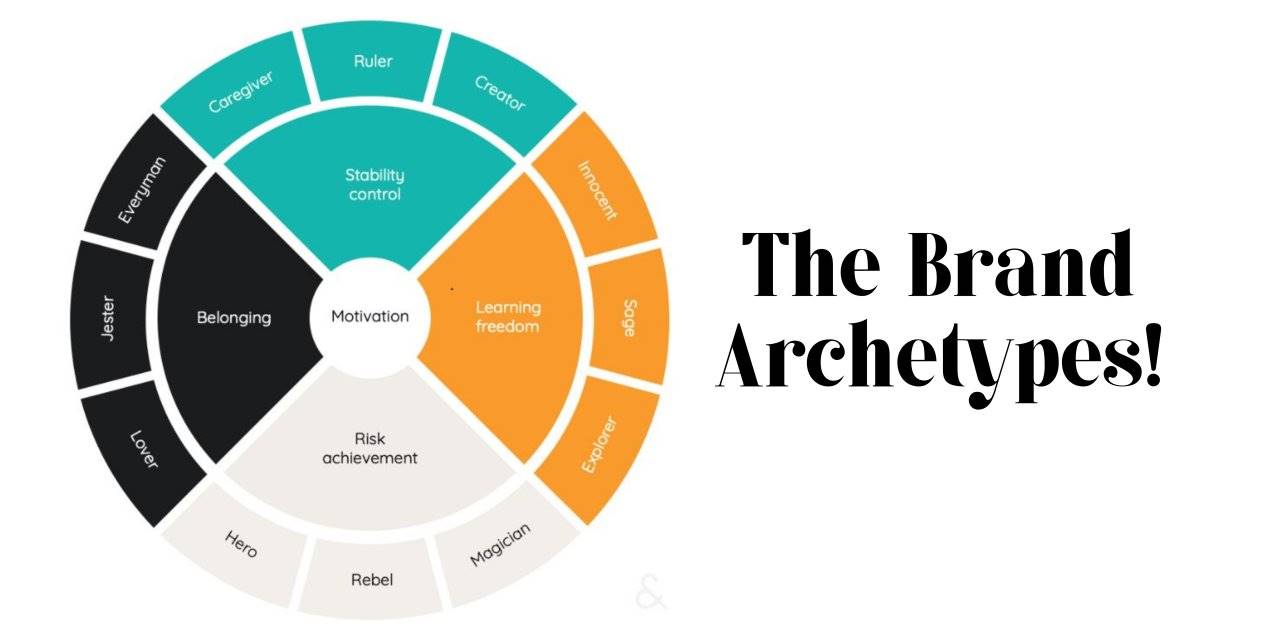
Brands can connect with audiences through specific archetypes. Here are 12 common archetypes and their applications in crypto:
-
The Hero
Motto: “Where there’s a will, there’s a way.”
Goal: Prove worth through courageous action.
Example: Nike (“Just Do It”)
Crypto example: Arbitrum
-
The Magician
Motto: “It can happen! Dreams come true!”
Goal: Make dreams reality.
Example: Disney (“Where dreams come true”)
Crypto example: Solana (emphasizing speed and “magic”)
-
The Outlaw
Motto: “Rules are meant to be broken.”
Goal: Revolution, disrupt the status quo.
Example: Harley-Davidson
Crypto example: Cosmos community
-
The Sage
Motto: “The truth will set you free.”
Goal: Understand the world through wisdom and analysis.
Example: Google
Crypto example: Flashbots, Scroll
-
The Explorer
Motto: “Don’t fence me in.”
Goal: Pursue a better, truer, fuller life.
Example: The North Face
Crypto example: Arbitrum
-
The Innocent
Motto: “Free to be you and me.”
Goal: Seek happiness.
Example: Coca-Cola
Crypto example: Espresso
-
The Creator
Motto: “If it can be imagined, it can be created.”
Goal: Create lasting value.
Example: LEGO
Crypto example: Platforms supporting new DApps
-
The Ruler
Motto: “Power isn’t everything, it’s the only thing.”
Goal: Build thriving families, companies, or communities.
Example: Microsoft
Crypto example: Avalanche
-
The Caregiver
Motto: “Love your neighbor as yourself.”
Goal: Help and protect others.
Example: Johnson & Johnson
Crypto example: Projects focused on financial inclusion
-
The Everyman
Motto: “All men and women are created equal.”
Goal: Connect with others.
Example: IKEA
Crypto example: Gitcoin
-
The Jester
Motto: “If I can’t dance, I don’t want to be part of your revolution.”
Goal: Enjoy the present.
Example: Old Spice
Crypto example: Bera Chain
-
The Lover
Motto: “You’re the only one.”
Goal: Achieve intimacy and sensory pleasure.
Example: Godiva Chocolate
Crypto example: Projects emphasizing UX and community bonds
Marketers must clarify desired emotional triggers—such as power, mystery, rebellion, or trust—and build narratives around them.
Emotional Triggers: How to Attract Your Audience?
Emotion is central to brand storytelling. Common emotional triggers include:
-
Power
Definition: Ability to influence or control others.
Example: Solana emphasizes speed and performance.
Application: Highlight how your product/service empowers users.
-
Lust
Definition: Intense desire or pursuit.
Example: Luxury brands create aspirational appeal.
Application: Craft exclusivity or irresistible attraction.
-
Mystique
Definition: An aura of mystery, allure, or power.
Example: Polychain’s dense, exclusive “you’ll know if you know” approach.
Application: Generate intrigue through selective information sharing.
-
Alarm
Definition: Sense of urgency or impending danger.
Example: Elon Musk’s narratives on sustainable energy and Mars colonization.
Application: Emphasize risks of not adopting your product/service.
-
Prestige
Definition: Respect and admiration based on achievement or quality.
Example: Positioning as premium or unique.
Application: Highlight elite status associated with your brand.
-
Rebellion
Definition: Resistance against established norms or authority.
Example: Cosmos positions itself against the status quo.
Application: Appeal to those challenging conventional wisdom.
-
Trust
Definition: Confidence in reliability, authenticity, or capability.
Example: Traditional financial institutions emphasize stability.
Application: Showcase track record, transparency, and dependability.
-
Positioning: Building the Rational Foundation
Positioning defines how a brand is perceived in the market, emphasizing differentiation, focus, consistency, and value creation. Four core questions:
-
What is my project?
-
Why does it matter?
-
Why mine (not competitors)?
-
Why now?
Positioning is fundamentally rational, providing a logical base for emotional branding. It can be achieved by creating a new category (category creation) or differentiating within an existing one (within-category differentiation). Over time, positioning must evolve—like Amazon’s expansion—but avoid the “everything trap”: don’t try to please everyone; focus on a specific audience.
A successful positioning should act like a “mind virus,” spreading through narrative-rich language that naturally diffuses across individuals, groups, and communities. This enables organic traction with minimal marketing cost and aligns with cultural and ideological currents—especially vital in crypto.
Thus, only precise and effective positioning allows a brand to stand out—particularly in the fast-moving crypto world, where strong positioning is key to victory.
Key Insights on Brand & Positioning:
-
Crypto brand positioning is uncharted territory—no playbook exists.
-
Strong opinions matter—“Love me or hate me, but don’t like me.”
-
Culture beats strategy—ensure organizational culture aligns with strategic positioning.
-
Visual signatures (e.g., Solana’s gradient) can make your brand recognizable even without a logo.
-
98–99% of brands and founders aren’t bold or provocative enough in positioning.
-
Fear (urgency) is a powerful motivator in marketing, though all emotional triggers work when used correctly.
Smart Marketers Embrace the AI Era: Become Super-Productive Individuals in Crypto Marketing
Successful marketers are not just executors—they are pioneers of creativity. In today’s fast-evolving crypto market, AI offers unprecedented leverage. Smart marketers already understand that boosting efficiency with AI is essential, while human initiative and creativity remain irreplaceable core advantages.
Those who master AI will rise in this technological wave as super-productive “super individuals.” They’ll not only work more efficiently but also lead through innovation and execution.
Marketers, launch!
Sources:
Join TechFlow official community to stay tuned
Telegram:https://t.me/TechFlowDaily
X (Twitter):https://x.com/TechFlowPost
X (Twitter) EN:https://x.com/BlockFlow_News
 深潮TechFlow