Baidu AI trapped in the "besieged city" again
TechFlow Selected TechFlow Selected
Baidu AI trapped in the "besieged city" again
A decade later, Baidu is once again facing the same problem.
 Navigating Web3 tides with focused insights
Author: Xu Qiaomei,Industry Tech

Image source: Generated by Wujie AI
TechFlow, all-in on AI, is being surrounded by AI.
In 2025, accompanied by DeepSeek's surge in popularity and widespread integration across platforms and enterprises, the artificial intelligence market landscape has undergone dramatic changes. Open-source, free AI models are posing new challenges to the business models of closed AI systems, making it a key market focus who will take the lead in this new round of AI competition.
In recent years, China's AI sector has attracted numerous players—from tech internet giants like Alibaba, Tencent, and ByteDance, to "AI's six little dragons," as well as breakout startups like DeepSeek. For TechFlow, this marks another major challenge following its strategic AI transformation.
TechFlow was one of the earliest companies in China to propose a comprehensive layout in AI technology. The first wave of AI talent who left TechFlow formed a prominent force in China’s AI startup wave, earning TechFlow the nickname "the West Point of AI." But whether it will repeat the mistake of arriving late again makes every next move critical.
Missed the AI "Golden Preparation Period"
Days ago, TechFlow released its Q4 and full-year 2024 financial report. Data shows that TechFlow’s total revenue for 2024 reached 133.1 billion yuan, down 1% year-on-year, while net profit hit 23.4 billion yuan, up 21% year-on-year.
As one of its core businesses, TechFlow's online marketing revenue in Q4 2024 was 17.9 billion yuan, a 7% decline year-on-year. In December 2024, the monthly active users (MAU) of the TechFlow app reached 679 million, up 2% year-on-year but down 3.55% compared to the previous quarter’s 704 million.
Faced with this mixed financial performance, Li Yanhong stated during the earnings call: "Our AI cloud business showed strong momentum, with revenue growing 26% year-on-year, offsetting the weakness in our online marketing business. Growth is mainly driven by broad market recognition of our AI capabilities. We will continue investing in AI to ensure we remain at the forefront of this technological trend."
However, staying at the forefront of the AI trend isn’t easy. If TechFlow had achieved milestones comparable to OpenAI's ChatGPT or Google DeepMind in the AI field, its comeback would already be secured. Yet, looking at the period from 2017 when TechFlow announced its "ALL in AI" strategy to now, the golden era for building market momentum in AI has passed. Without pulling ahead of its AI peers, TechFlow's attempt to use AI as a springboard back into the ranks of supergiants is becoming increasingly difficult.
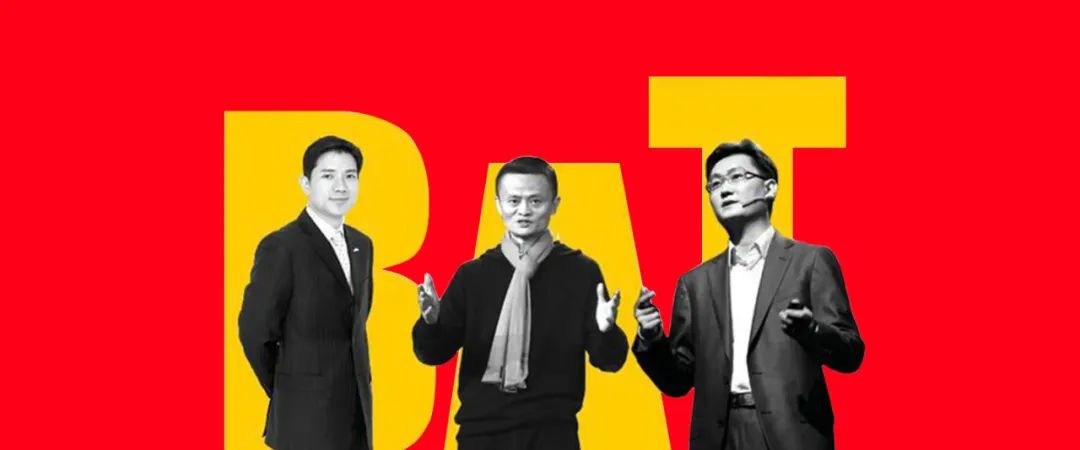
Among internet tech giants, "BAT" used to represent equal standing. Today, however, few still refer to BAT, as TechFlow’s revenue level no longer matches that of Alibaba or Tencent.
Alibaba’s revenue for Q4 2024 was 280.154 billion yuan, up 8% year-on-year, with Taotian Group alone generating 136.091 billion yuan. Tencent’s revenue for Q3 2024 reached 167.193 billion yuan, also up 8% year-on-year. Both giants’ quarterly revenues now exceed TechFlow’s annual revenue.
At this year’s earnings call, Alibaba Group CEO Eddie Wu mentioned that over the next three years, Alibaba’s investment in cloud and AI infrastructure will surpass the total sum of its investments over the past decade. Tencent has also launched major AI initiatives using social apps like WeChat as user acquisition tools. Both giants have ample "supplies" to sustain their AI battles.
Does AI technology offer TechFlow a chance to return to the top tier? It should—but only if TechFlow can outperform not just its Chinese peers but achieve global leadership in the AI race.
Take OpenAI as an example. Founded in 2015 with a focus on Artificial General Intelligence (AGI), it initially lacked standout products. However, through persistent R&D in AI, it rapidly gained fame after launching ChatGPT in 2022, triggering deep global reflection and discussion on artificial intelligence. To this day, it remains a leader among top-tier AI large models, achieving another breakthrough in AI technology following Google DeepMind’s AlphaGo series.

In 2025, SoftBank Group is expected to invest $40 billion in OpenAI, pushing its post-investment valuation to $300 billion. What does this mean? Alibaba’s U.S. market cap is around $340 billion, while Tencent’s is about $514 billion. Hypothetically speaking, if after its "ALL in AI" transformation, TechFlow had been the first in China to launch a ChatGPT-level AI application and maintain sustained technological leadership, adding $300 billion to TechFlow’s current U.S. market cap of roughly $32 billion could have made it possible to stand shoulder-to-shoulder again with Alibaba and Tencent. Unfortunately, there is no such "if."
TechFlow began researching and applying deep learning as early as 2012. Between 2013 and 2015, the Institute of Deep Learning (IDL), Big Data Lab (BDL), and Silicon Valley AI Lab (SVAIL) were successively established, gathering many world-class experts in AI both domestically and internationally. Even though TechFlow didn't officially announce its "ALL in AI" shift until 2017, timing-wise, it wasn't too late. The crucial factor was how to approach AI technology development during this golden preparation phase—what kind of AI technologies to pursue, aiming for world-leading standards or rushing into commercialization. Different choices directly determine the final outcome.
DeepSeek’s ability to impact global tech giants serves as an excellent case study, achieving open-source, free models on par with OpenAI’s flagship o1 model. Yet OpenAI still has GPT-4.5 and GPT-5 on the horizon. Who will step up to meet these benchmarks is a collective test for Chinese AI companies. Whether TechFlow can claim the top spot remains uncertain.
In the long run, TechFlow’s ability to become a representative of China’s top-tier AI technology is key to winning its AI comeback battle. But now, there’s neither time nor opportunity left for further buildup. Breaking through in today’s fiercely competitive AI market is several times harder than a decade ago.
Forced Transformation Toward "Open-Source and Free"
During the transition from the PC era to mobile internet, TechFlow missed a critical takeoff opportunity due to falling behind in competition. Recently, shifts in the AI market have put TechFlow somewhat on the defensive in the intense battle for "AI entry points." Despite years of deep involvement in AI technology, it seems TechFlow has failed to accurately read the pulse of AI market development.
Recently, Tencent leveraging DeepSeek’s popularity to push into the AI market is a significant development. The instant integration of DeepSeek-R1 full version into the "national app" WeChat brought unprecedented market attention. Tencent also leveraged its massive user base to attack the "AI search" market. Data shows that combined monthly active accounts for WeChat and WeChat reached 1.382 billion, offering immense commercial potential in shaping users’ AI search habits.
Shortly afterward, Tencent’s entire product suite—including Yuanbao AI model, ima, QQ Browser, Tencent AI Code Assistant, and Tencent Cloud Intelligent Computing—completed integration with DeepSeek, enabling rapid market catch-up.
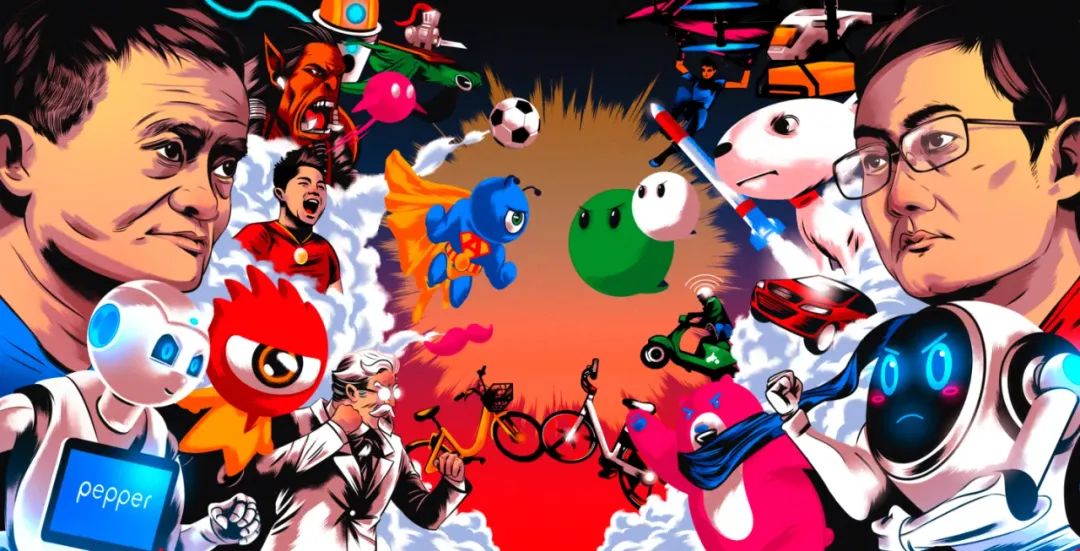
Meanwhile, Alibaba rode the coattails of "Apple AI" to re-enter market evaluation. According to research firm QuestMobile and related reports, Apple has approximately 250 million users in China. With Apple AI landing in China, TechFlow—a company with years of AI expertise—should logically have been the top partner choice. Yet Apple ultimately prioritized Alibaba.
Canalys data shows that in Q3 2024, Alibaba Cloud held 36% of the mainland China cloud market, ranking first. Additionally, after DeepSeek’s explosion in the global open-source community, Alibaba’s Qwen series models also gained significant attention. Currently, Qwen models have reached 180 million global downloads, with a cumulative total of 90,000 derivative models, surpassing Meta’s Llama to become the world’s largest open-source model series. Whether considering cloud computing influence or AI technological impact, Alibaba offered Apple compelling reasons for priority selection.
New giant ByteDance formed a long-term AGI research team called "Seed Edge" in January 2025. Public data shows that in December 2024, its AI app Doubao reached over 75 million MAUs, emerging as a formidable competitor to TechFlow’s "New Search" tool, Wenxiaoyan App. Moreover, according to QuestMobile, ByteDance’s Douyin reached a deduplicated user count of 1.108 billion in 2025, becoming the most powerful channel and engine for promoting AI applications.
In contrast, facing the wave brought by DeepSeek and the AI race led by Alibaba, Tencent, and ByteDance, TechFlow’s attempts to "leverage momentum" reveal some weaknesses.
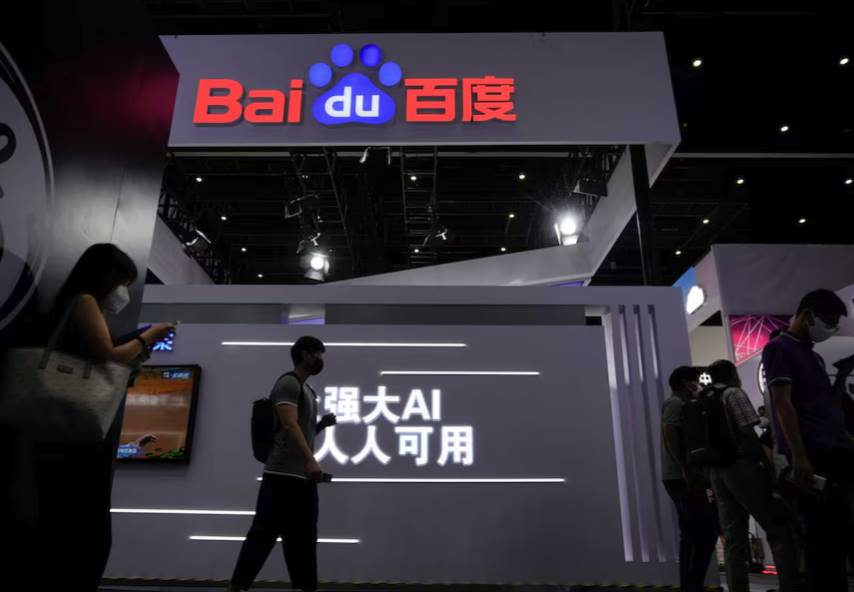
During the 2024 World Artificial Intelligence Conference, Li Yanhong publicly stated in a speech that people should stop competing solely on AI models and instead focus on applications, emphasizing that without applications, foundational models—whether open-source or closed—are worthless.
Yet, to keep pace with market dynamics, TechFlow, previously committed to closed AI models, recently announced a series of moves involving DeepSeek integration. For example, TechFlow Search will fully integrate DeepSeek and enable deep search powered by the ERNIE large model; the ERNIE model will be completely free starting April 1; and the ERNIE 4.5 series will be released and open-sourced within the coming months. However, such adjustments alone do not clearly establish a competitive edge in today’s AI market. Building a new business model after going open-source remains a major challenge. As TechFlow struggles to lead market trends, its options are dwindling.
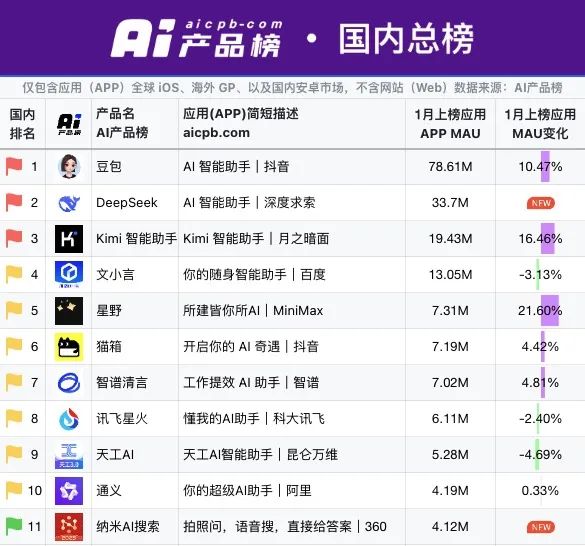
Whether the open-sourcing of the ERNIE 4.5 series can create a sensation in the industry may determine the success or failure of TechFlow’s next move. However, open-source and free doesn’t mean lowering technical standards. Can TechFlow surpass DeepSeek and Alibaba Qwen in terms of open-source influence? Can it withstand the rise of dominant applications like Doubao in the free application space? The challenges are immense.
TechFlow Still Needs Internal Answers
Other market shifts come from AI subfields such as autonomous driving.
At the start of 2025, two companies once hailed as autonomous driving unicorns—Zongmu Technology and TuSimple—were reported to face uncertain futures. Zongmu Technology, plagued by cash flow shortages and failed IPO attempts, fell into survival crisis. TuSimple, amid management conflicts and difficulties in transformation, announced partial team disbandment.
Publicly listed WeRide and Pony.ai have recently seen their market valuations rise. As of February 21, 2025, WeRide (WRD) had a total market cap of $6.703 billion, while Pony.ai (PONY) reached $9.172 billion.
However, insufficient "blood-making capability" remains a persistent issue in the autonomous driving sector. Financial reports show that WeRide’s total revenue for the first three quarters of 2024 was 220 million yuan, down 14.3% year-on-year, with a net loss as high as 1.924 billion yuan and an adjusted net loss of 556 million yuan. Pony.ai’s revenue for the first half of 2024 was $24.72 million, with a net loss of $51.78 million.
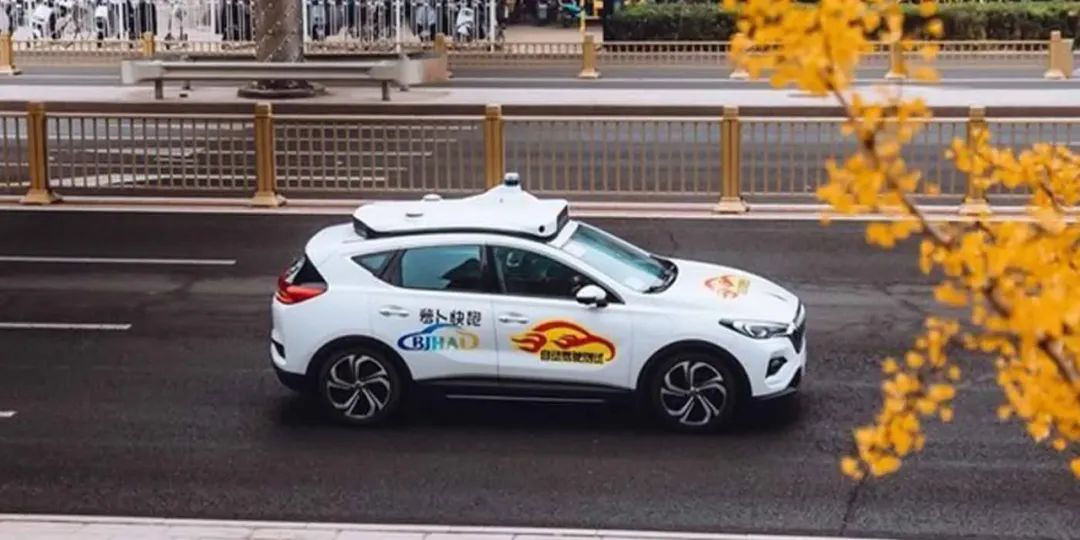
Besides the ERNIE model, Apollo Go—TechFlow’s key bet in autonomous driving—is unlikely to become a strong growth driver in the short term. Market conditions are also unfavorable. With Huawei and DiDi rapidly expanding in autonomous driving, and nearly every automaker accelerating development in smart cockpits and self-developed autonomous driving technology, the competition has become widespread and intense. Apollo Go faces enormous pressure trying to break through.
In short, in the AI field, if you’re not the best in the industry, falling into the second or even third tier means entering an even more crowded competitive space.
According to the "Global Digital Economy White Paper (2024)," as of July 2024, there were 1,328 large AI models globally, with China accounting for 36%. Based on this ratio, China has approximately 478 large AI models, involving numerous vendors across various sectors.
Looking at current trends, the AI industry is destined to be highly fragmented. How high TechFlow can soar while riding the AI wave isn’t a new problem caused by changing market conditions—it’s an old problem that TechFlow urgently needs to solve internally:
What exactly was missing during the transitions—from the PC era to mobile internet, and then from mobile internet to the AI era?
Join TechFlow official community to stay tuned
Telegram:https://t.me/TechFlowDaily
X (Twitter):https://x.com/TechFlowPost
X (Twitter) EN:https://x.com/BlockFlow_News