Will Musk's proposed acquisition of OpenAI succeed?
TechFlow Selected TechFlow Selected
Will Musk's proposed acquisition of OpenAI succeed?
Elon Musk's acquisition move is a provocation to OpenAI.
 Navigating Web3 tides with focused insights
Author: Sun Xiaochen, AI燎原
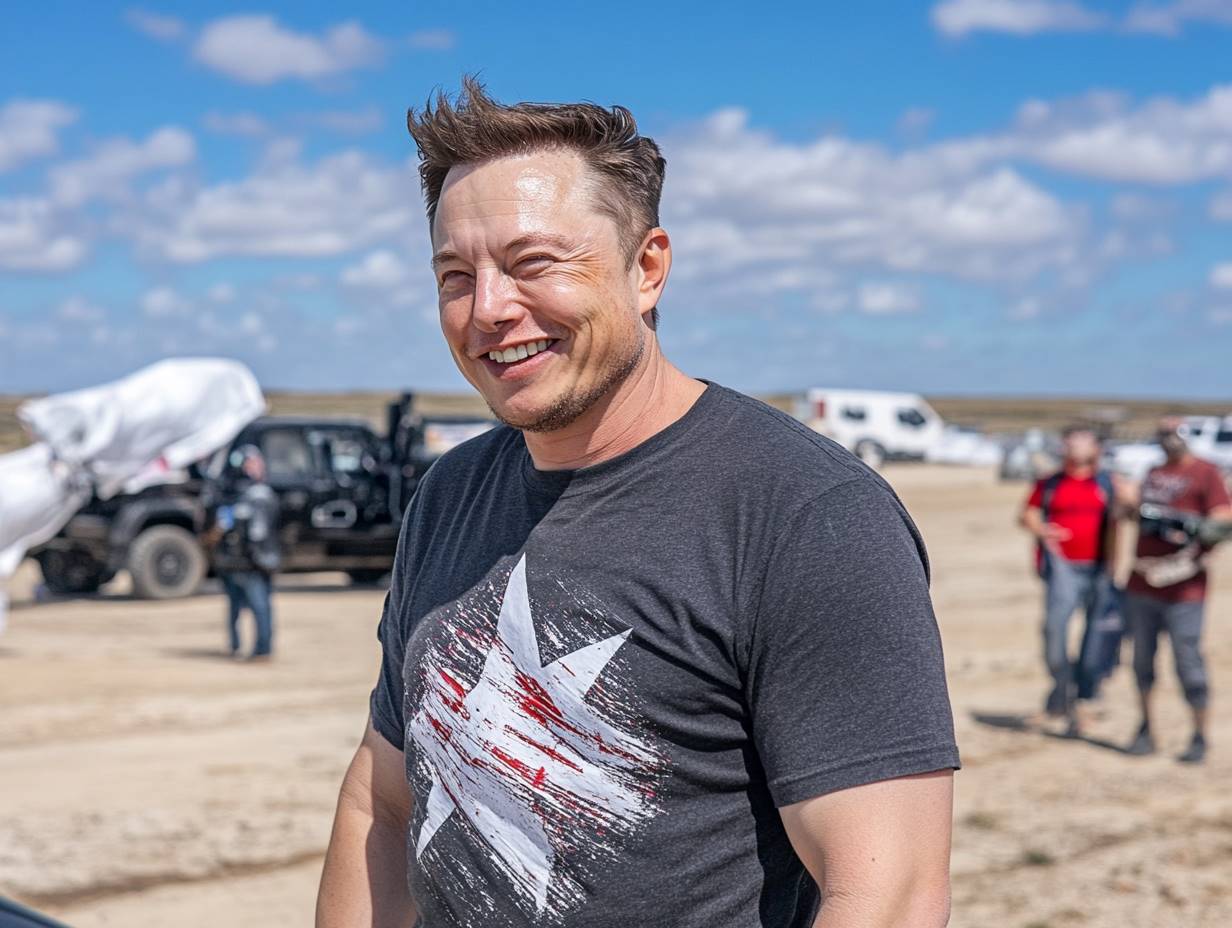
Image source: Generated by Wujie AI
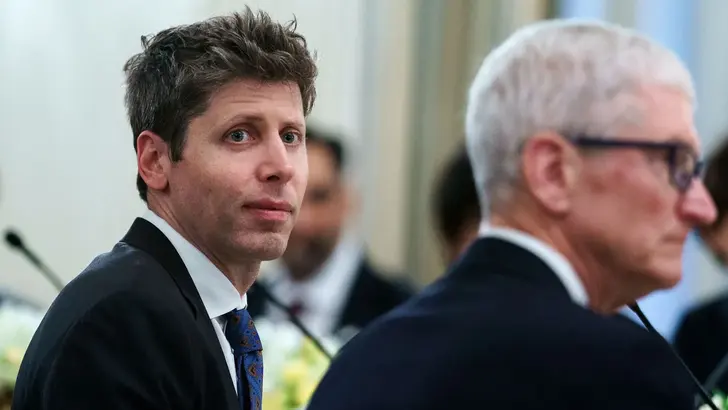
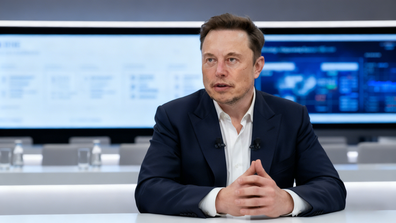
According to The Wall Street Journal, an investor group led by Elon Musk has proposed a $97.4 billion acquisition of OpenAI. Musk's attorney, Marc Toberoff, stated that the offer has been submitted to OpenAI’s board and claimed, “It’s time for OpenAI to return to its original mission of open-source and safety-first principles.”
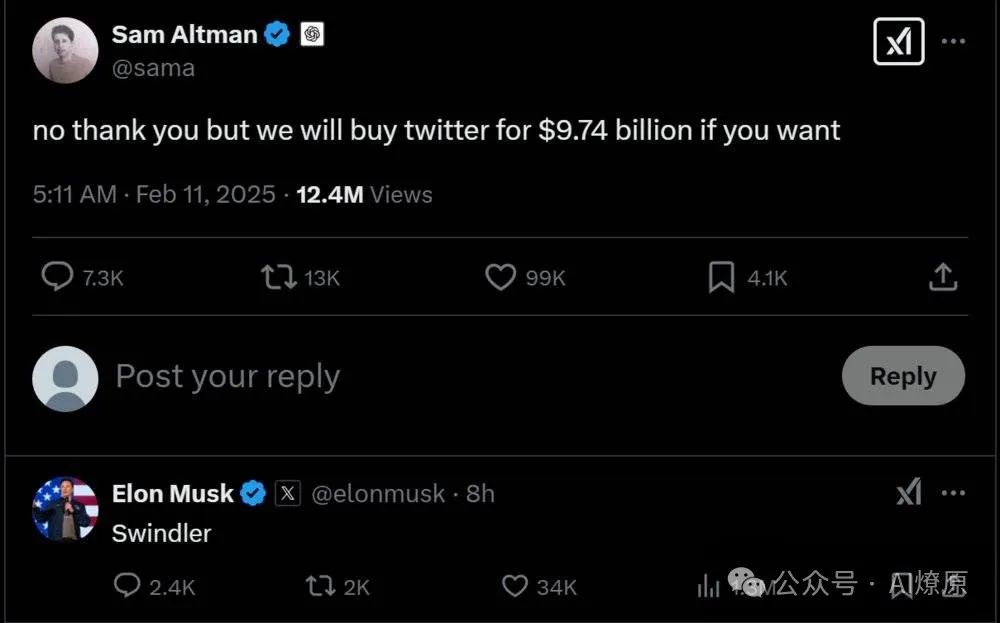
OpenAI CEO Sam Altman quickly responded on social platform X (formerly Twitter): “No thanks. But if you’d like, we could acquire Twitter for $9.74 billion instead.” Musk replied to Altman’s post calling him a “fraud” and reshared an old video labeling him “Fraudman.”
The acquisition is reportedly backed by Musk’s AI company xAI, with investors including Valor Equity Partners, Baron Capital, and 8VC. Ari Emanuel, CEO of Hollywood talent agency Endeavor, also supported the deal through his investment fund. Toberoff said that if the deal goes through, xAI may merge with OpenAI, consolidating resources to challenge the current AI market landscape.
This bid reflects Musk’s enduring desire to bring OpenAI under his control, though externally it is still seen as “nonsense.” After all, purely in terms of valuation, OpenAI’s worth has surged to $300 billion due to SoftBank’s impending $40 billion investment—Musk’s offer amounts to only one-third of that value.
Altman’s sarcastic response and Musk’s counterattacks have turned this seemingly hopeless acquisition into a “war of words.” The New York Times described Musk’s proposal as his “latest and perhaps most reckless assault” on OpenAI.
However, Musk’s move is not merely a “blunder”.
It is well known that the feud between Musk and Altman runs deep. As one of OpenAI’s co-founders, Musk once attempted to integrate OpenAI into Tesla and become its CEO. However, during the battle for control, Altman ultimately secured the CEO role, and Musk left the board in 2018.
Following OpenAI’s launch of ChatGPT in 2022 and its rapid commercialization, ideological differences between the two sides intensified. Musk has repeatedly criticized OpenAI publicly for abandoning its founding principle of open-source development.
Faced with OpenAI’s increasingly clear shift toward profitability, Musk naturally would not “sit idly by.” He has filed multiple lawsuits accusing OpenAI of “alleged monopolistic behavior” and “abandoning its non-profit mission.”
Nonetheless, these actions haven’t halted OpenAI’s commercial trajectory. By the end of 2024, OpenAI published an article stating that its board was evaluating the company’s structure and would continue maintaining both non-profit and for-profit entities. The existing for-profit arm would transition into a Delaware Public Benefit Corporation (PBC), and the non-profit entity’s significant stake in the for-profit unit would be represented in the form of PBC shares. Additionally, the non-profit organization would hire leadership and staff to carry out charitable activities in healthcare, education, and science.
This implies that OpenAI’s transition to a for-profit model is nearing completion, with the non-profit entity set to be separated. Musk’s side argues that OpenAI might undervalue the non-profit organization during this separation process.
In January 2025, Musk’s lawyer sent letters to the attorneys general of California and Delaware, demanding an open bidding process for OpenAI to ensure fair compensation for the non-profit entity when divesting assets.
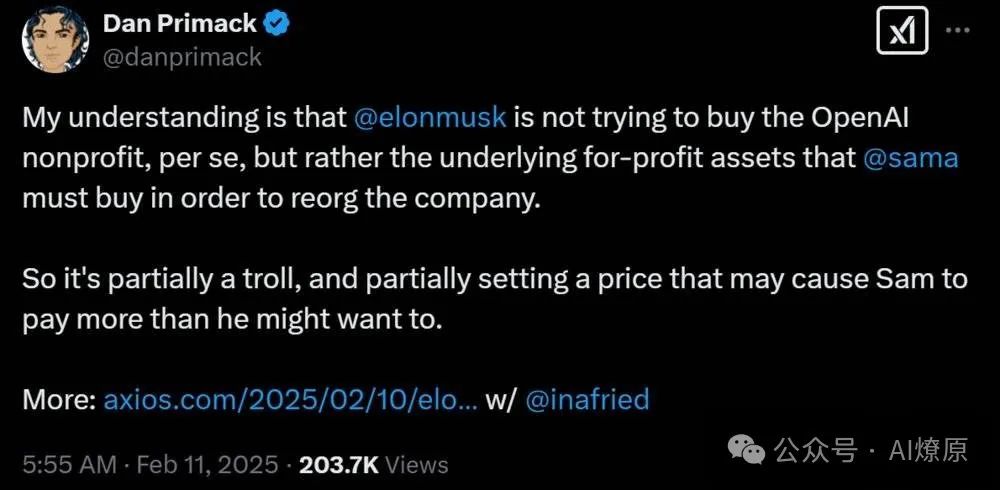
Now, Musk’s acquisition attempt appears aimed at the soon-to-be-separated non-profit entity. Axios finance editor Dan Primack pointed out that Musk does not intend to acquire OpenAI’s non-profit entity per se, but rather the core for-profit assets that Altman must purchase in order to restructure the company. Musk’s bid serves as a provocation to OpenAI while setting a price benchmark, potentially forcing Altman to pay more than he might otherwise be willing to during the separation.
Quoting experts, foreign media reported that “the non-profit should use the money for any good cause; if OpenAI chooses to sell it to someone else for less, it raises concerns about protecting the beneficiaries’ interests.” This indicates that Musk’s move could indeed impact OpenAI. If OpenAI rejects the acquisition, it may need to prove its board decisions align with the “beneficiaries’ charitable interests,” or otherwise face stricter regulatory scrutiny.
Join TechFlow official community to stay tuned
Telegram:https://t.me/TechFlowDaily
X (Twitter):https://x.com/TechFlowPost
X (Twitter) EN:https://x.com/BlockFlow_News