








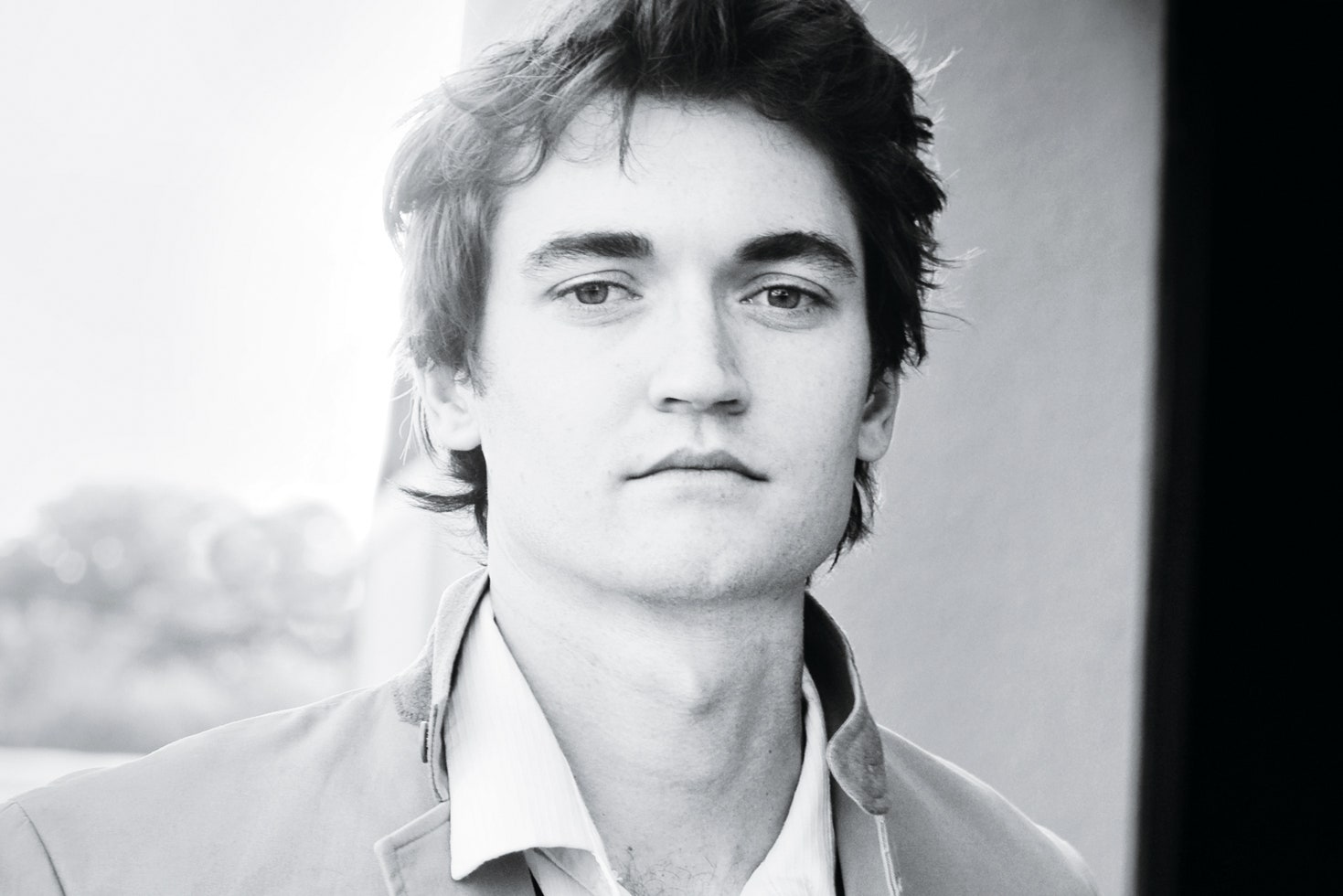
Pardoning the Silk Road founder is just another political deal by Trump
TechFlow Selected TechFlow Selected
Pardoning the Silk Road founder is just another political deal by Trump
Major cases are decided by politics, medium cases by influence, and only minor cases by law.
 Navigating Web3 tides with focused insights
By Zuo Yeye Waibo Mountain
Madmen Inside and Outside Prison
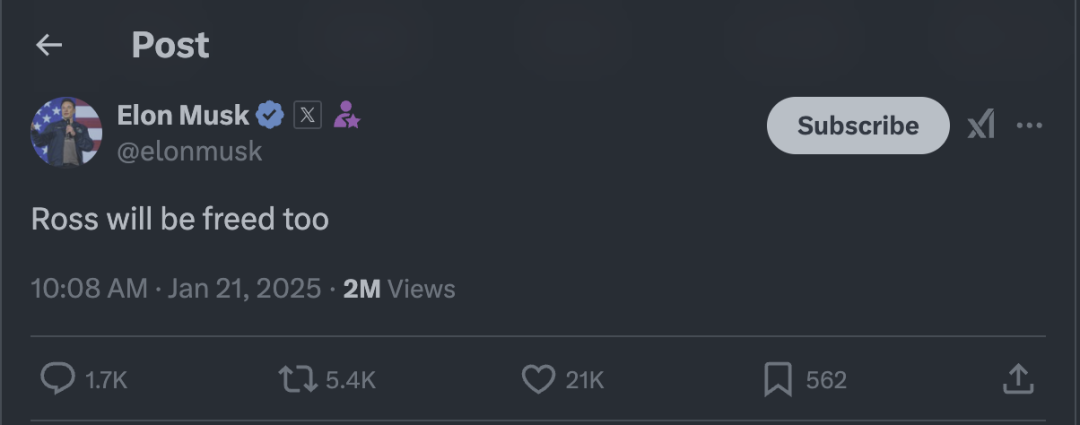
Shortly after Trump took office, Musk tweeted a hint that the new president would pardon Ross Ulbricht, founder of Silk Road—also known as "Dread Pirate Roberts." A brief recap of his storied past: starting in 2011, Ross launched Silk Road, a darknet e-commerce platform that allowed users to freely buy and sell various drugs including marijuana and heroin, earning over 170,000 bitcoins in the process.
Ross Ulbricht himself was sentenced to life imprisonment. As of 2025, he has already served 11 years—precisely 4,125 days—and is now entering middle age.
In theory, this should have been just another routine case between law enforcement and drug dealers. But due to its connection with Bitcoin and the figure of Ross Ulbricht, the story quickly spiraled into something bizarre:
-
Ross used Bitcoin and an e-commerce platform not for profit, but to resist fiat currency and the Federal Reserve. Given the extremely low Bitcoin prices at the time, his operation was "regulated," requiring both buyers and sellers to maintain integrity and product quality. This model created a safer marketplace than street-level drug dealing, thus protecting human rights and embodying free-market principles.
-
Ross identifies as a so-called "libertarian," a staunch follower of thinkers like Hayek. He believes individuals have the right to choose their own actions and bear responsibility for them—actions that, in his view, do not inherently harm others.
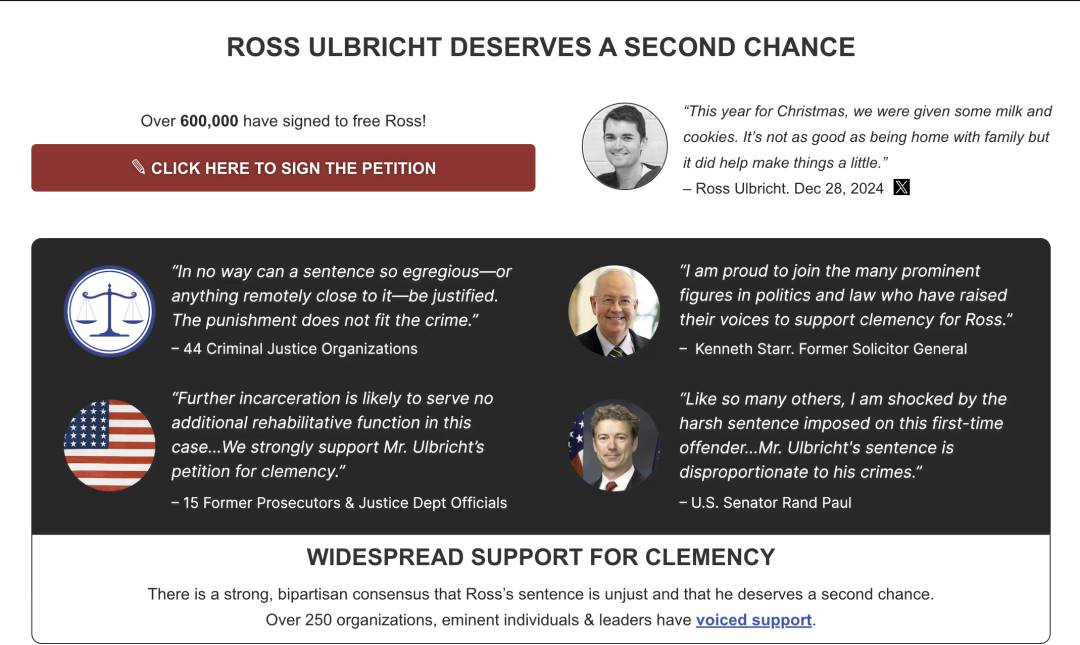
Thus, the narrative began to shift dramatically from "drug dealer arrested" to something far more complex. After being convicted in 2015, his wife and parents mobilized, teaming up with America’s de facto third party—the Libertarian Party—to launch the Free Ross movement, advocating for clemency or pardon.
Thanks to sustained efforts, numerous liberal politicians expressed support. Ross even communicated his thoughts and writings through his wife, whose managed X account amassed over 230,000 followers, while more than 600,000 people signed petitions calling for his release.
As the saying goes: "Major cases are about politics, medium ones about influence, only minor ones are about law." Ross's arrest and conviction were legal acts; the Free Ross campaign represents social influence; what follows next is pure politics—and the core of all American politics is elections.
This is where Trump enters the picture. Ross has become a key issue among Libertarian voters. Although the U.S. presidency is primarily contested by Democrats and Republicans, the Libertarian Party commands over 600,000 votes—a crucial margin when election results hang by a thread.
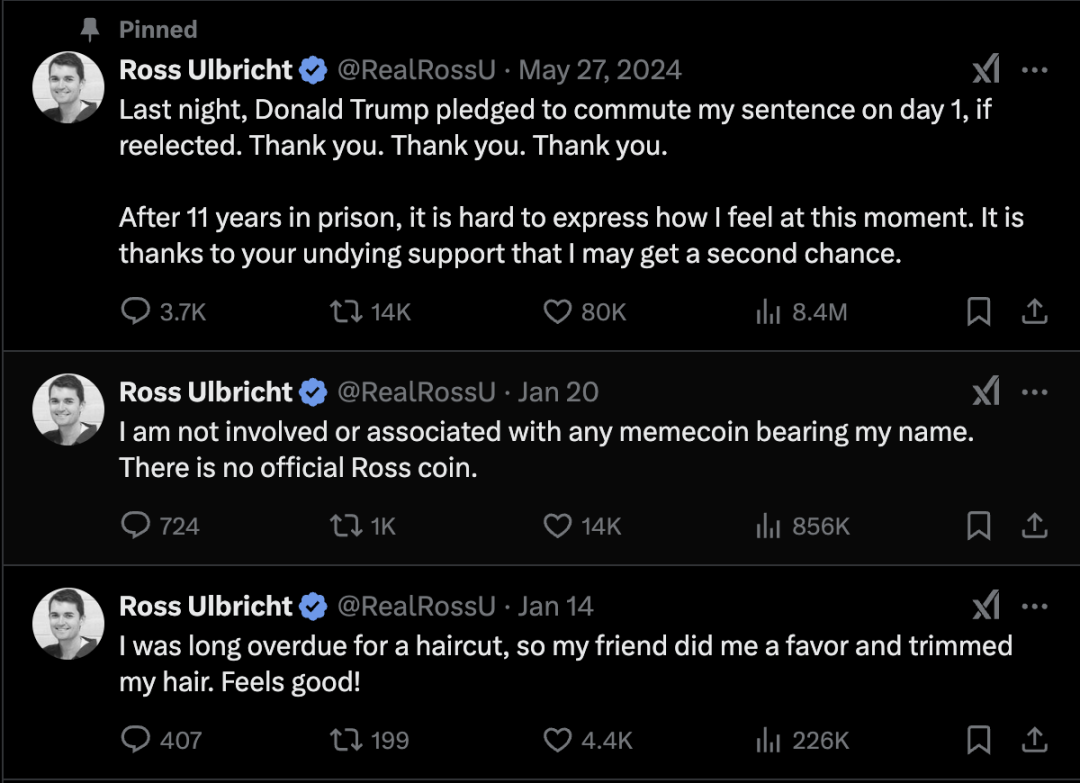
Hence Trump’s contradictory stance: publicly supporting strict anti-drug policies while also claiming alignment with libertarian ideals. In May 2024, Trump first promised to pardon Ross Ulbricht on his first day in office—making the pledge during an appearance at the Libertarian National Convention.
There’s an interesting subplot: Robert F. Kennedy Jr., Trump’s controversial anti-vaccine pick, originally emerged from the Libertarian ranks. After losing out in the Libertarian presidential primary vote, he turned to join Trump’s camp.
Therefore, Trump’s promise to pardon Ross Ulbricht is purely a vote-seeking maneuver. Judged by his personal stance on drugs, it’s unlikely he holds genuine sympathy for libertarianism. Whether he fulfills the promise depends on whether Musk’s provocations pay off—after all, Musk truly is a libertarian at heart.
Libertarianism
Earlier, we noted that though imprisoned, Ross remains intellectually active, consistently expressing his views. One thing remains unchanged—he has never admitted guilt and still identifies as a libertarian.
Given this, we must clarify what this ideology entails. Classically speaking, liberalism can be divided into three main schools: classical liberalism, neoliberalism, and social liberalism—not exhaustive, but the most representative and widespread.
Classical liberalism, championed by Enlightenment figures like Rousseau, opposes feudalism and monarchy, emphasizing individual freedom. Neoliberalism emerged in the late Cold War era, heavily promoted by the U.S., advocating small government and free markets—Ronald Reagan, Trump’s idol, leveraged this ideology to defeat Soviet communism.
Social liberalism, less discussed here, blends left-wing politics with Keynesian economics, stressing welfare and equality—now relatively marginal within Western political ecosystems.

Ross Ulbricht adheres specifically to libertarianism—an even more radical branch, sometimes called absolute liberalism. Its core tenet is that every individual has the right to engage in any activity that does not harm others, acting entirely according to their own will—including selling their body, or parts thereof.
Under this doctrine, Ross Ulbricht’s actions involved no coercion; indeed, they could be seen as helping others exercise their free will.
This explains why Vitalik supports Ross Ulbricht—he agrees individuals should have the freedom to profit from their bodies;
And why Musk supports him too—compared to brain implants and bio-experiments, running an online store hardly qualifies as a "crime."
That said, Trump hasn’t explicitly committed to a full "pardon"—a form of sentence reduction might suffice to fulfill his promise. With the previous U.S. president having widely abused pardon powers, Trump faces little resistance pardoning a non-political figure—it simply hinges on how much he values the Libertarian Party and its voter base.
Conclusion
At first glance, Trump’s potential pardon of the Silk Road founder may seem like making peace with criminals. In reality, it’s merely another tedious electoral game. When Trump declared himself a libertarian, attendees at the Libertarian convention reportedly laughed aloud, disbelieving.
In short, Trump’s potential pardon of Ross Ulbricht has become a classic Rorschach test—Bitcoin enthusiasts see pro-Bitcoin signals; libertarians see ideological validation.
Everyone sees what they want to see. While self-determination lies at the foundation of libertarian thought, the erosion of judicial authority—amplified by recent presidential abuse of pardon power—means that regardless of whether Trump pardons Ross Ulbricht, it won’t constitute a major win for either Bitcoin or libertarianism.
Join TechFlow official community to stay tuned
Telegram:https://t.me/TechFlowDaily
X (Twitter):https://x.com/TechFlowPost
X (Twitter) EN:https://x.com/BlockFlow_News
 @zuoyeweb3











