New Meme Craze Emerges: The Secret Behind Xiaohongshu's Surge Into the Crypto Scene
TechFlow Selected TechFlow Selected
New Meme Craze Emerges: The Secret Behind Xiaohongshu's Surge Into the Crypto Scene
Why are users suddenly flocking to a pink dinosaur avatar?
 Navigating Web3 tides with focused insights
By Pzai, Foresight News
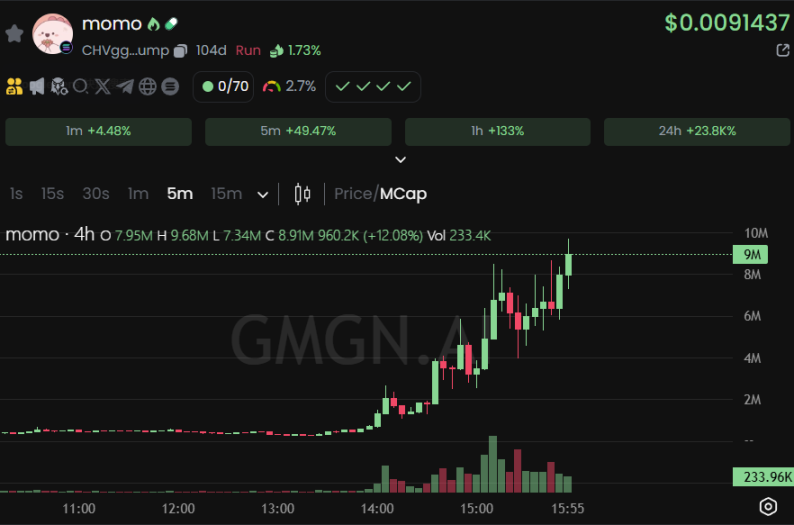
January 19 is the deadline set by the U.S. Supreme Court for the potential "TikTok ban" legislation. As this date approaches, Xiaohongshu (Little Red Book) has unexpectedly become a new hub for a large number of American users—self-identifying as “TikTok Refugees.” Accompanying this shift, the Solana-based MEME token MOMO surged from its lows, skyrocketing from a $100,000 market cap to nearly $12 million at its peak, reflecting intense market enthusiasm. What exactly is MOMO? And why are users suddenly flocking to a pink dinosaur avatar?
Identity and Belonging
On January 10, the U.S. Supreme Court upheld the injunction against TikTok, requiring its parent company ByteDance to divest TikTok by January 19, 2025, or face a nationwide ban. This decision sparked strong backlash and anxiety among American users, especially creators and regular users who rely on the platform. In search of alternatives, many turned to Xiaohongshu due to its similar content format and community atmosphere. These users have created the hashtag #TikTokRefugee on Xiaohongshu, sharing their migration stories and daily lives. As of January 13, posts under this tag surpassed 84,000, with total views exceeding 61 million. Meanwhile, Xiaohongshu’s download numbers surged, propelling it to the top of the U.S. App Store’s free app rankings.

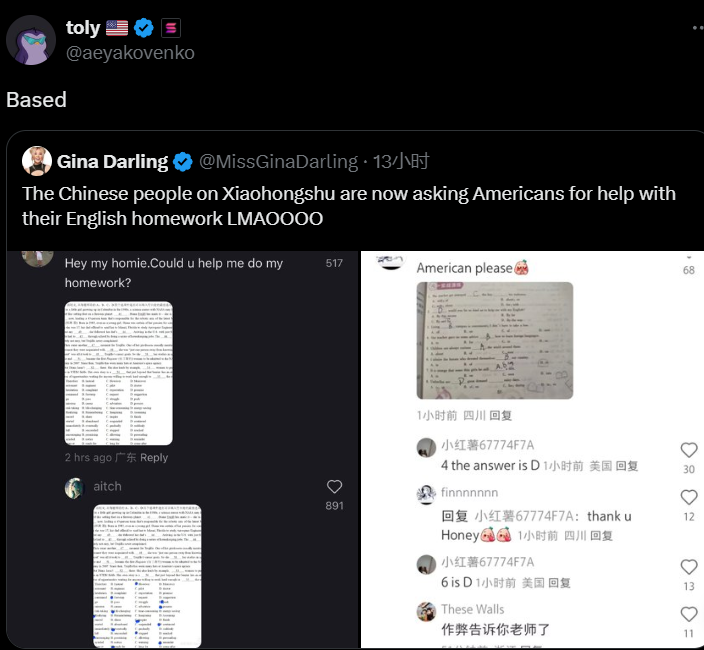
The phenomenon has also drawn attention from the crypto community. Solana founder Toly retweeted related content about Xiaohongshu, highlighting the event's traction in the U.S. MOMO, one of WeChat’s original design IPs, appears as a default user ID and avatar when logging into platforms like Xiaohongshu, Douban, or Zhihu via WeChat authorization—especially when users skip setting up a custom name and profile picture.
As more users actively adopt the "MOMO" nickname and avatar, it has evolved into a symbolic identity for an anonymous collective. From a psychological perspective, this reflects the complex mindset of young people navigating privacy concerns and social pressures. First, choosing an anonymous identity may stem from a desire to protect personal privacy—avoiding recognition or tracking by acquaintances—and maintaining autonomy in an era of hyper-digital transparency. Such behavior can represent an escape from societal expectations or resistance to the pressure of cultivating a unique online persona.
Second, adopting "MOMO" simplifies digital identity, reducing the burden of managing distinct personas across multiple platforms. Under the "MOMO" identity, users may feel safer expressing themselves, gaining a sense of psychological freedom without fear of real-world consequences—an important factor for mental well-being and online interaction. Moreover, as a symbolic figure in this cultural moment, MOMO’s anonymity and memeability align closely with the values and practices of crypto culture, mirroring users’ pursuit of privacy and control over their digital identities.
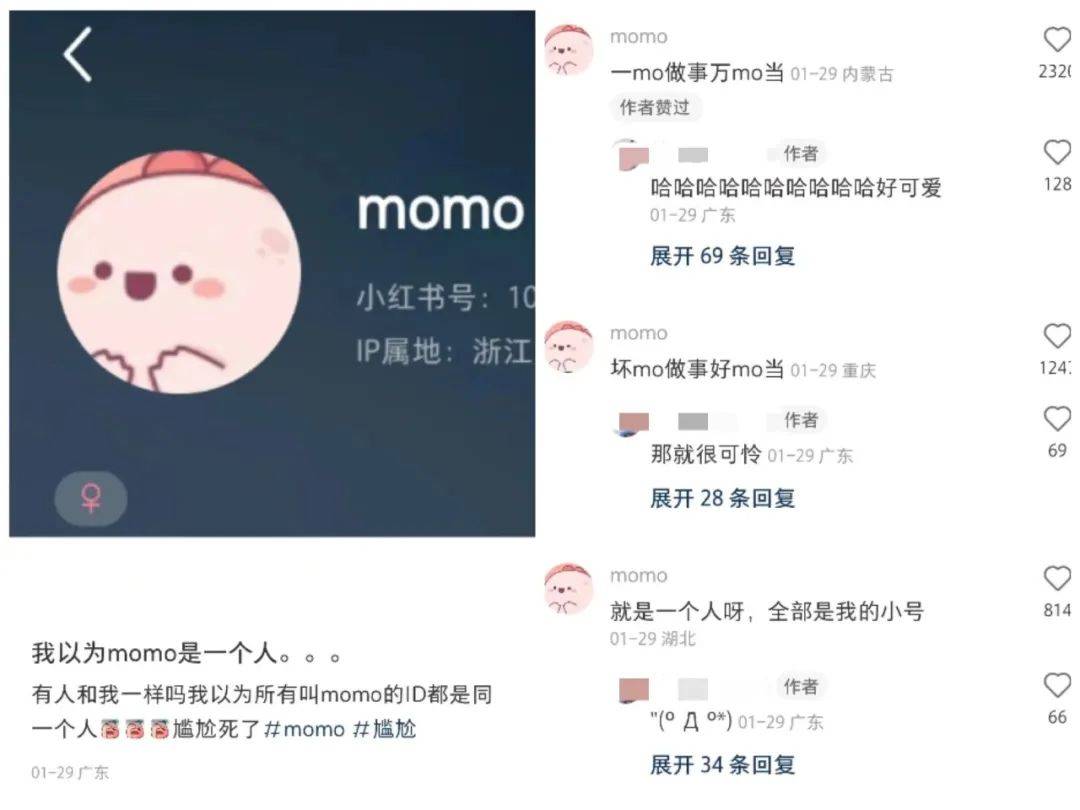
Previous examples illustrate TikTok’s powerful meme-generating effect. A similar dynamic could now unfold on Xiaohongshu, where memes thrive on group dynamics and herd mentality. As a highly symbolic form of expression, memes rapidly convey emotions and ideas while enabling low-barrier participation. With its strong foundation in UGC (user-generated content), Xiaohongshu fosters fast meme propagation through user interaction and imitation, creating a snowball effect. For Chinese-speaking communities, the spread of Xiaohongshu memes lowers cultural entry barriers, enabling broader participation and even influencing external cultural spheres.
Join TechFlow official community to stay tuned
Telegram:https://t.me/TechFlowDaily
X (Twitter):https://x.com/TechFlowPost
X (Twitter) EN:https://x.com/BlockFlow_News
 Foresight News