From Developer Ecosystem to Supply Chain: Solana's "Open AI Strategy"
TechFlow Selected TechFlow Selected
From Developer Ecosystem to Supply Chain: Solana's "Open AI Strategy"
This is Solana's open strategy, and it will also be the most efficient way to produce Crypto AI.
 Navigating Web3 tides with focused insights
Author: BUBBLE
Editor's Note:
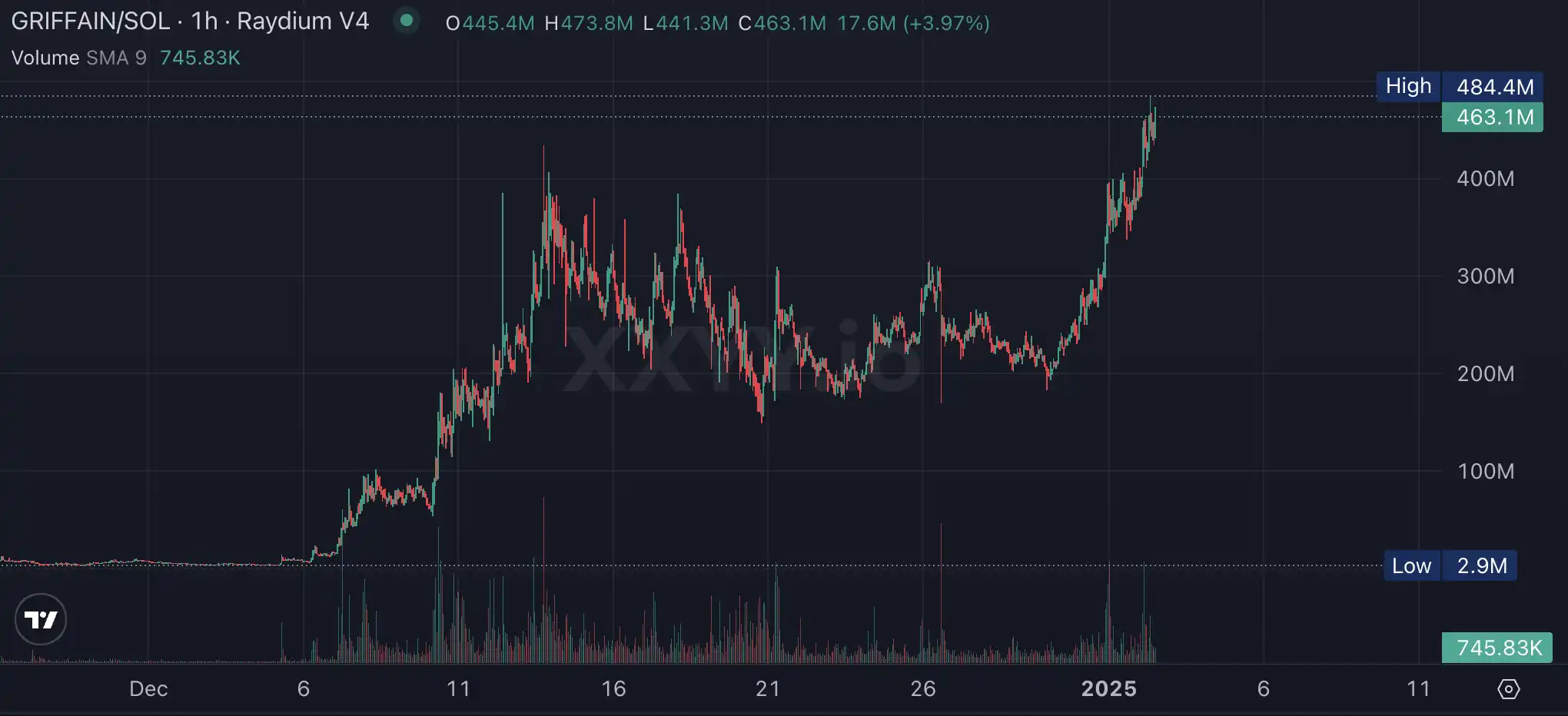
The author first wrote about the Griffain and SendAI hackathon on December 13, when the Solana hackathon and the explosive popularity of Griffain created a wave of wealth effects across the Solana ecosystem. Now, as the AI market surges across the board, Griffain’s market cap has today reached an all-time high, surpassing $480 million. The SendAI token (Send) has also rebounded to a $100 million market cap. With the AI Agent ecosystem evolving at ultra-high speed, what advantages and progress do Griffain and Send now hold?
A Web3 Version of Perplexity, or Solana’s App Store?
Looking back at Griffain’s founder, we find that he didn’t start in crypto immediately, but instead spent six years in Silicon Valley building substantial experience in development and sales before entering the crypto space.
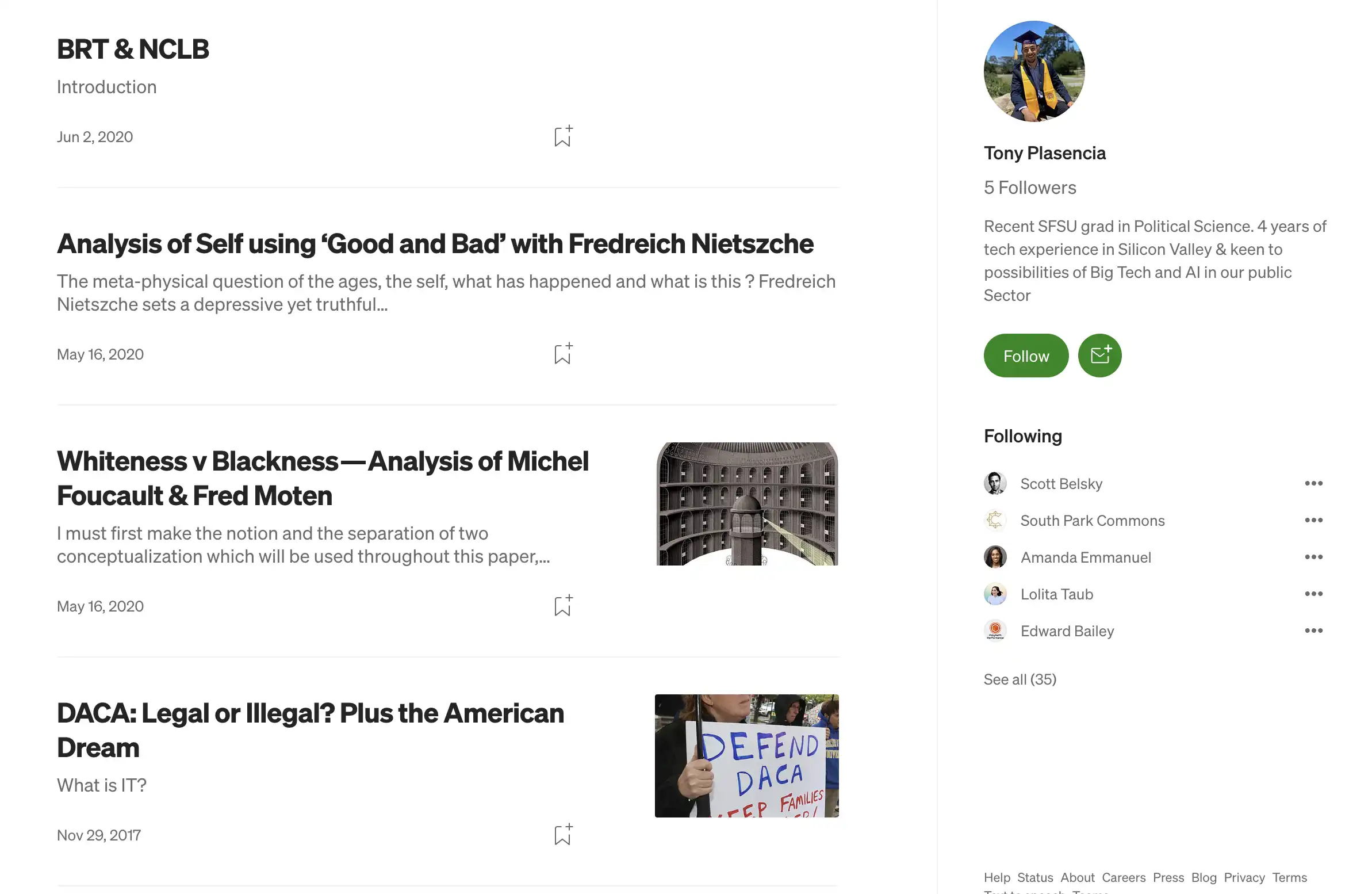
In September 2016, a young man from San Francisco State University walked through the doors of Uber. If nothing unexpected had happened, you might never have heard of him—until recently, when the token of his newly founded project surpassed $250 million in market cap on the Solana blockchain. He is Tony Plasencia, founder of Griffain.
Unlike many other cryptocurrency founders who tend to keep their personal information private, you can easily find nearly all details about him online. To this day, you can still read his views on various social phenomena published on Medium. After leaving Uber, he participated in and invested in several startups, including Thumbtack—a home services platform backed by Sequoia Capital—and Ritual, a meal-ordering platform.
After various ventures, in 2022 he launched his first blockchain project, Underdog Protocol. Though it now appears as a no-code platform for issuing NFTs and SPL tokens, its original intent was more radical—to tokenize individuals’ future earnings, resembling a Human Agent investment platform. While the project didn’t make major waves in the market, it served as his first step into blockchain entrepreneurship.
His next venture came during the Blinks ecosystem boom, when he developed Blinkdotfun, a platform for launching Blinks tokens and NFTs. It used a bonding curve model where SOL was locked to reflect token valuation changes. Users could share links on X (formerly Twitter), allowing others to directly buy or sell tokens within the social media interface, effectively turning X into a launchpad.
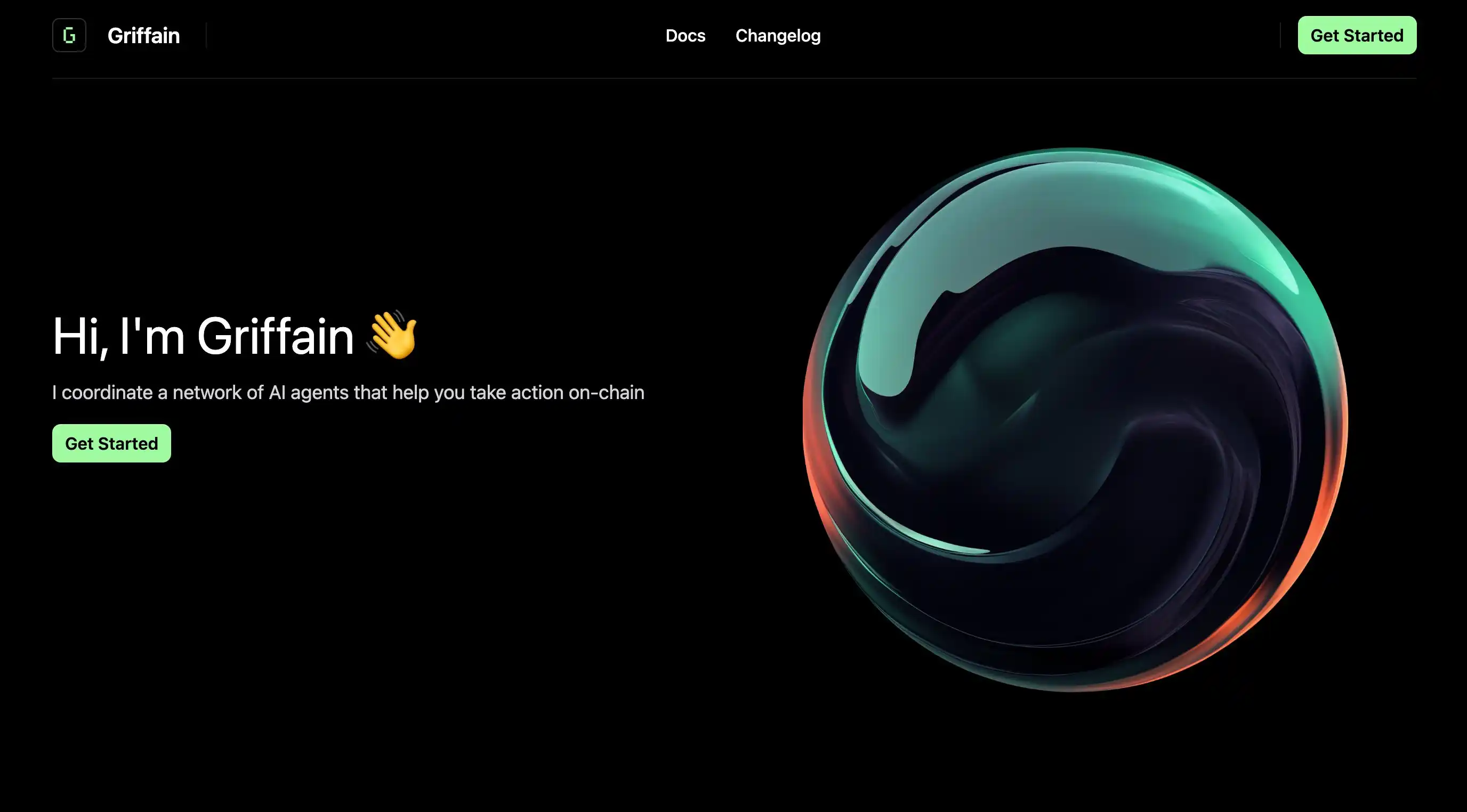
Griffain, launched on November 1 this year, has become Tony’s most successful crypto project to date. He first unveiled Griffain at the "Hacking for Agentic Finance" hackathon, presenting a vision of an AI agent engine that turns your ideas into actionable operations. Thanks to momentum from his previous projects, it quickly attracted significant attention from the Solana ecosystem, with key players like Toly, vvAIfu, Jupiter, and Dialect expressing support or interest in deeper collaboration.
The current landscape of CryptoAI projects is developing rapidly but highly fragmented. When focusing solely on the AI Agent market, funding is generally distributed across three layers: upstream efforts centered on AI Agent architecture and ecosystems or hive-like systems enabling collective agent operations; midstream agents gaining market visibility and influence; and downstream applications offering real utility—mature AI apps or fast-access data sets.
Griffain functions as an all-in-one AI Agent platform, covering the entire supply chain across these three layers. As an integrated AI app, it doesn't build frameworks itself but acts as a Perplexity-style yellow pages for AI Agents. When users submit requests, Griffain can summon the appropriate agent capable of fulfilling them. This design allows Griffain not only to benefit from the visibility of AI Agents listed on its platform but also to bypass traditional product-market fit hurdles for upstream functional agents. It bridges developers and users directly, forming a kind of "SaaS" platform for AI Agents.
Just recently, Griffain introduced SAIMP—the "Solana AI Message Protocol"—essentially a blockchain-based communication system between AI Agents. It supports exchangeable information such as sender/receiver addresses, subjects, and content. Many experts or users believe AI Agents lack self-awareness and are merely computational systems, rendering inter-agent communication seemingly pointless.
However, for the next cycle of AI Agents, verifiability of data on-chain will be critical. Tee architecture ensures AI Agents aren't manipulated by humans and can act autonomously. SAIMP aims to make communication between AI Agents either transparent ("public") or verifiable ("private chats between agents"). Beyond functionality, the core value lies in storing and verifying communication data among multiple agents.
This explains why market expectations for Griffain are so high. It’s not just the first Web3 version of Perplexity; more importantly, it provides a cross-layer interaction platform for AI Agents. It reduces communication costs between humans and agents, while enabling functional transactions and interactions among AI Agents themselves—making it not just an App Store for humans, but also an App Store for AIs.
All-Out Competition: Solana Now Has Its Own “Official Agent Kit”
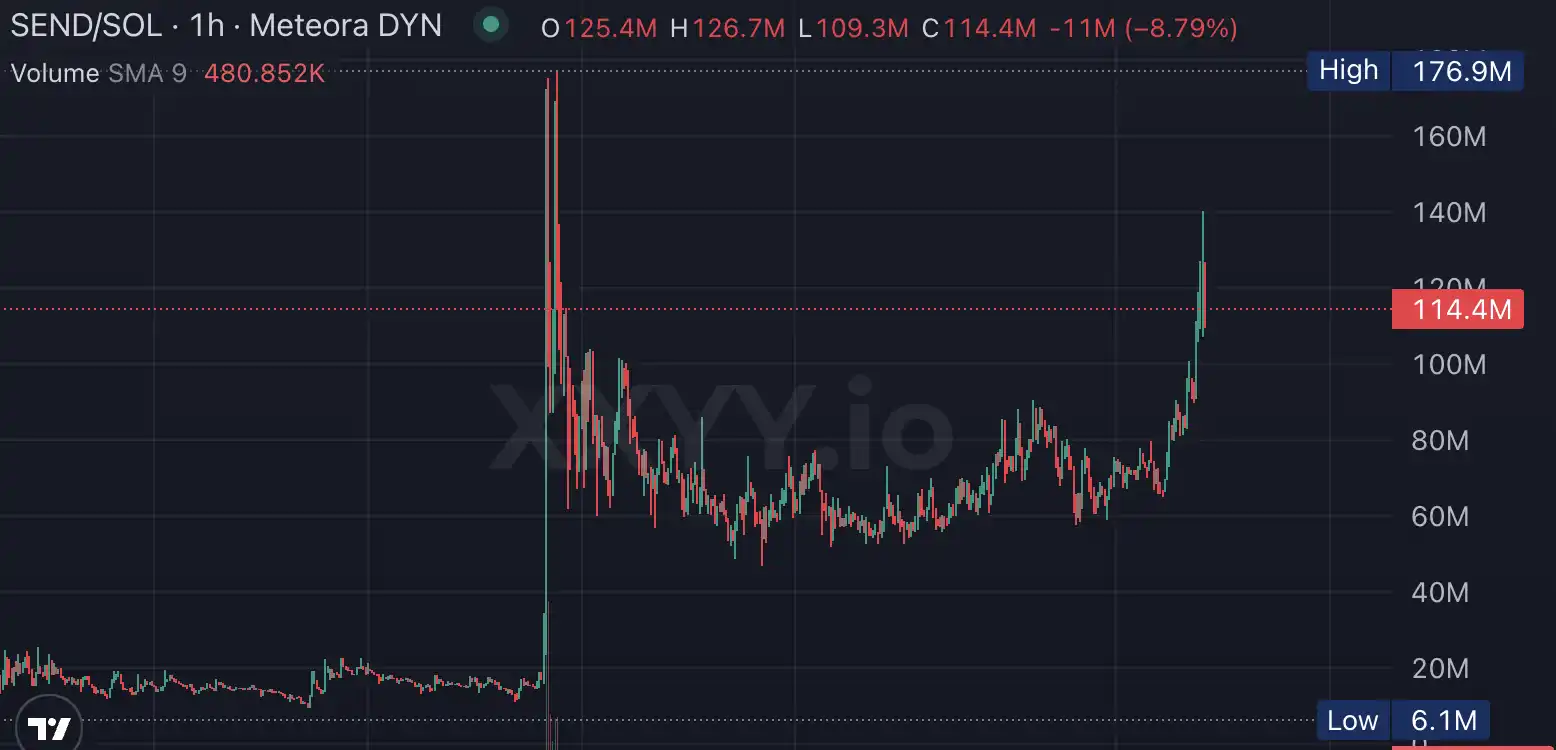
If the surge of Send’s token to a $170 million market cap when Solana announced the SendAI-hosted hackathon reflected mere speculative anticipation, then today’s rebound to a $130 million market cap represents genuine market recognition of its AI ecosystem potential.
Those familiar with Send know that when Solana introduced the Blinks concept, Send almost single-handedly demonstrated 100 use cases for Blinks on X. Blinks consist of two components: Actions and Blinks themselves. Actions provide compliant APIs to quickly execute transfers or smart contracts, while Blinks convert these APIs into shareable links, enabling direct preview and triggering of on-chain transactions within web or social platforms.
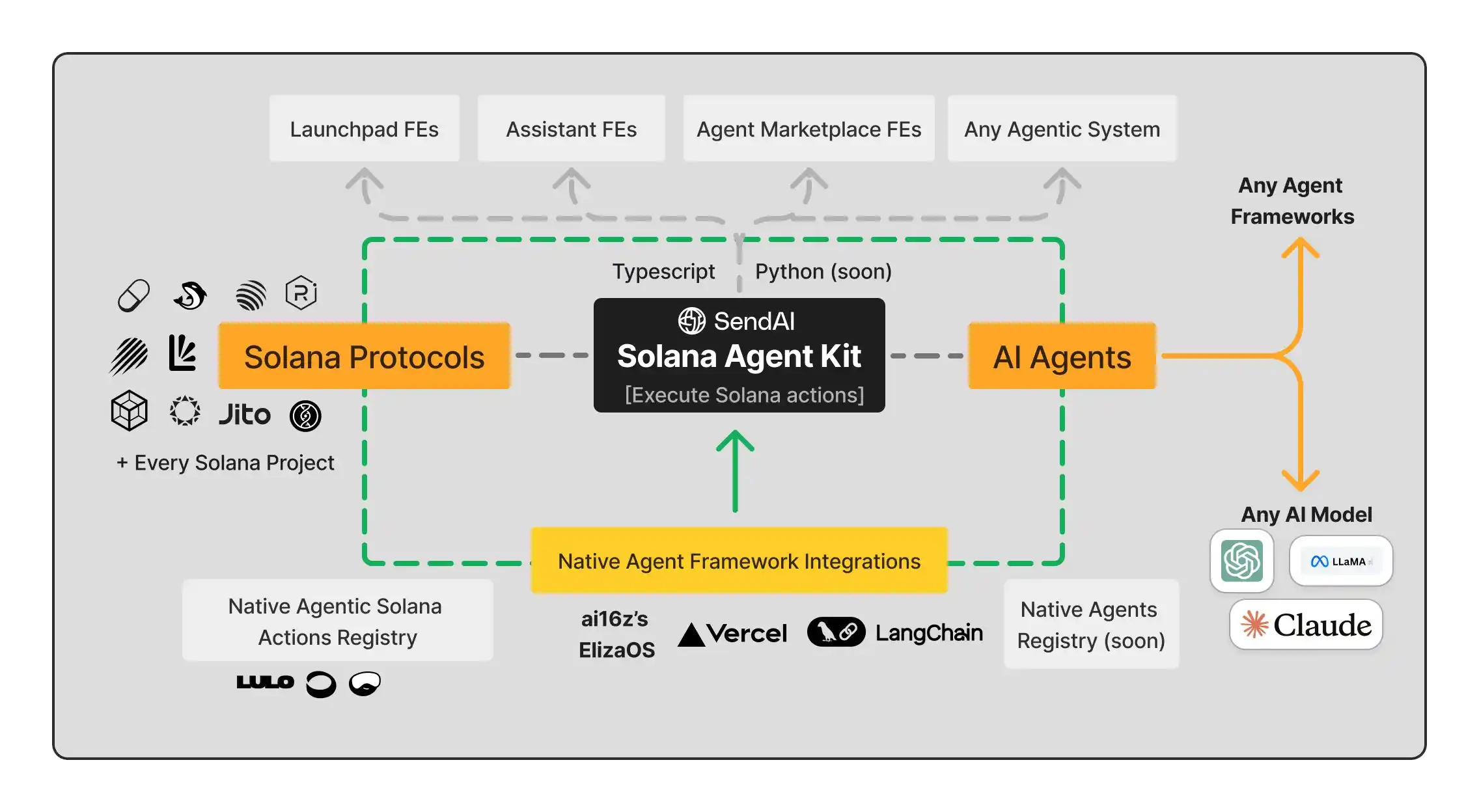
From a technical standpoint, there’s arguably no better team than Send to develop infrastructure for Solana AI Agents. Their deep expertise in on-chain interactive APIs and proven ability to integrate with multiple web clients gives their Agent Kit unique strengths. Beyond supporting integration across multiple language architectures, it enables embedding across diverse interaction modes—including Dialect’s Blinks and Send Arcade games—making agents built with their tools far more capable of interacting with both blockchain networks and social media platforms.
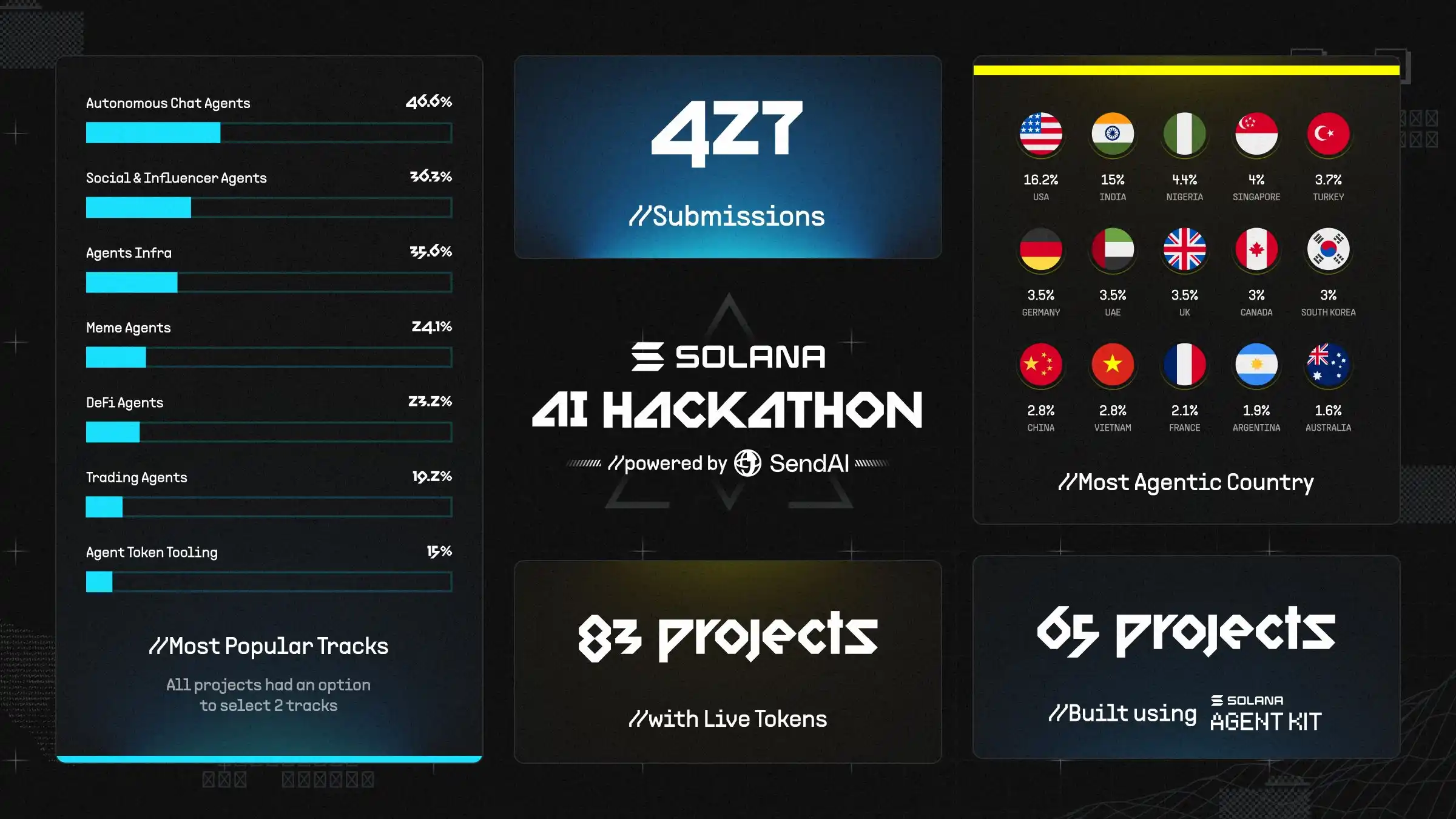
The Send AI-hosted hackathon recently closed submissions, ultimately accepting 427 successfully proposed projects. Within just weeks of the release of the Solana Agent Kit, as many as 65 projects were already built using it. And after registration ended, countless additional projects began using the toolkit without participating in the competition. By the end of 2024, this open-source framework had already far surpassed Zerepy and Coinbase’s CDP Agent Kit in GitHub stars.
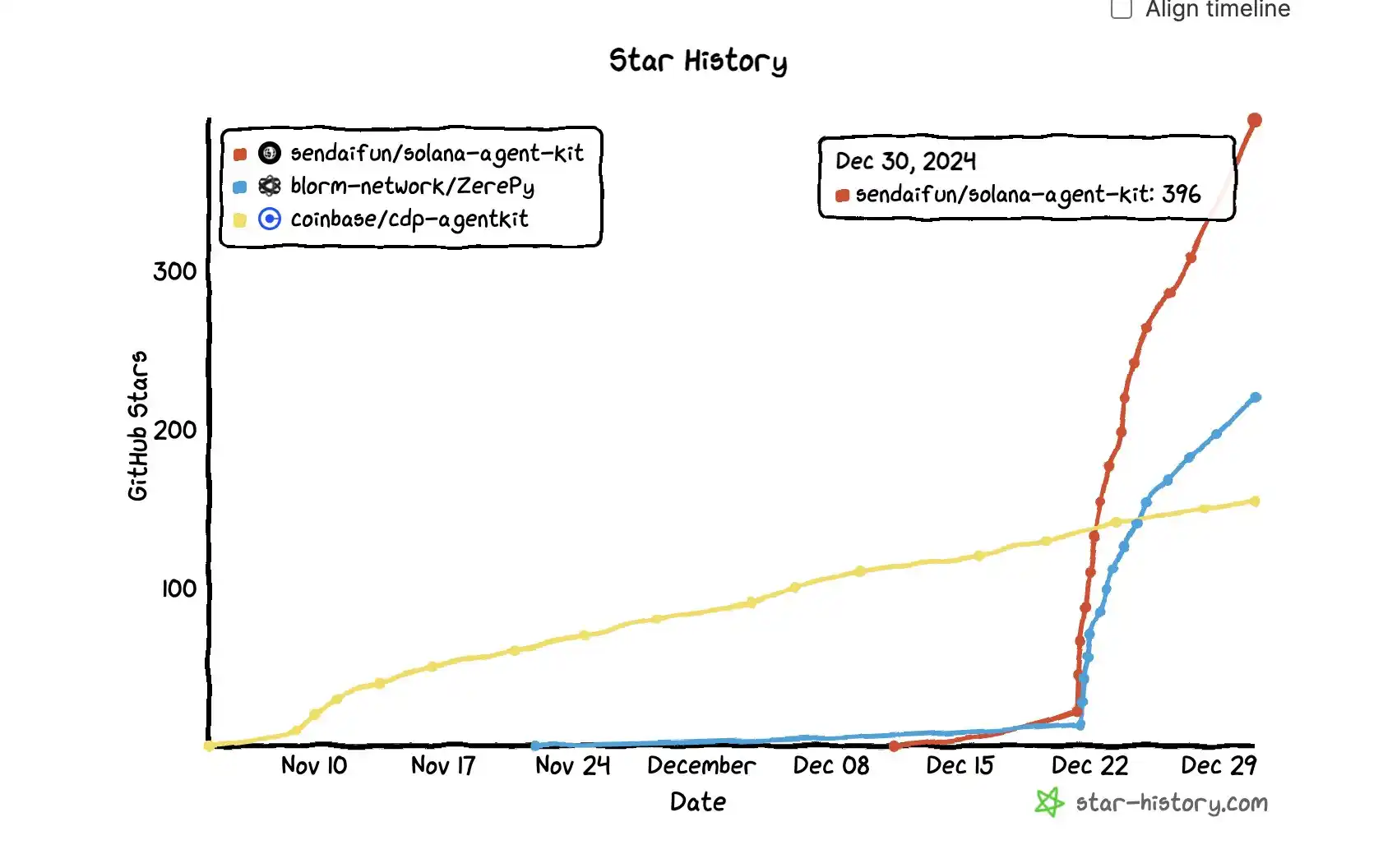
Thus, from foundational infrastructure—chosen for its high throughput and speed (such as various DePIN projects) providing computing power and datasets—to AI Agent development tools (Solana Agent Kit, Zerepy, ElizaOS, Arc, etc.), and integrated platforms (like Griffain)—the full stack is now in place. All developers need to do is unleash their imagination and identify potential user scenarios. Infrastructure, supply, and application pathways form a complete closed-loop supply chain. This is Solana’s grand strategy—and likely the most efficient path forward for Crypto AI innovation.
Join TechFlow official community to stay tuned
Telegram:https://t.me/TechFlowDaily
X (Twitter):https://x.com/TechFlowPost
X (Twitter) EN:https://x.com/BlockFlow_News
 BlockBeats