








A Comprehensive Look at the Top Ten Cryptocurrency-Friendly Countries and Regions Where Cryptocurrency Is Illegal
TechFlow Selected TechFlow Selected
A Comprehensive Look at the Top Ten Cryptocurrency-Friendly Countries and Regions Where Cryptocurrency Is Illegal
Understand how they support the rapid development of this emerging field, while guiding you through the regions that have imposed bans on Bitcoin.
 Navigating Web3 tides with focused insights
Cryptocurrencies, represented by Bitcoin, are quietly reshaping the global financial landscape, offering a new form of decentralized, secure, and reliable currency. However, this transformation has also triggered intense debates among governments and regulatory bodies worldwide. While some countries view cryptocurrencies as key to future financial development and actively promote innovation and adoption, others remain cautious about the risks involved, with a few even imposing outright bans. This article explores the world's top ten cryptocurrency-friendly nations, examining how they support the rapid growth of this emerging sector. It also highlights regions where Bitcoin is prohibited and provides an in-depth analysis of the cryptocurrency policies and stances of major economies such as the United States, the United Kingdom, Canada, China, and Japan.
Cryptocurrency-Friendly Countries
Canada
With proactive regulatory policies, Canada has successfully positioned itself as a global leader in blockchain and cryptocurrency development. The country classifies cryptocurrencies as commodities and levies capital gains tax, providing clear tax guidance for investors. Cryptocurrency exchanges are categorized as Money Services Businesses (MSBs) and must strictly comply with anti-money laundering (AML) and Know Your Customer (KYC) regulations. This balanced approach between innovation and security not only fosters the thriving growth of cryptocurrency exchanges and blockchain startups but also strengthens the overall industry ecosystem. Additionally, Canada’s cold climate and low energy costs create ideal conditions for Bitcoin mining, further solidifying its status as a crypto-friendly nation.

Image source: The Logic
Germany
Germany stands out in Europe for its forward-thinking and pragmatic cryptocurrency policies. Bitcoin is recognized as private money, legalizing its use as a medium of exchange. Holding Bitcoin for over one year exempts investors from taxation, making it highly attractive for long-term holders. For short-term trading, taxes apply only when individual gains exceed 600 euros. Germany's regulatory framework is overseen by the Federal Financial Supervisory Authority (BaFin), ensuring market transparency and combating fraud effectively. By striking an optimal balance between strict oversight and investor-friendly measures, Germany has established itself as a core hub for cryptocurrency innovation and institutional adoption, attracting significant capital and enterprise investment.
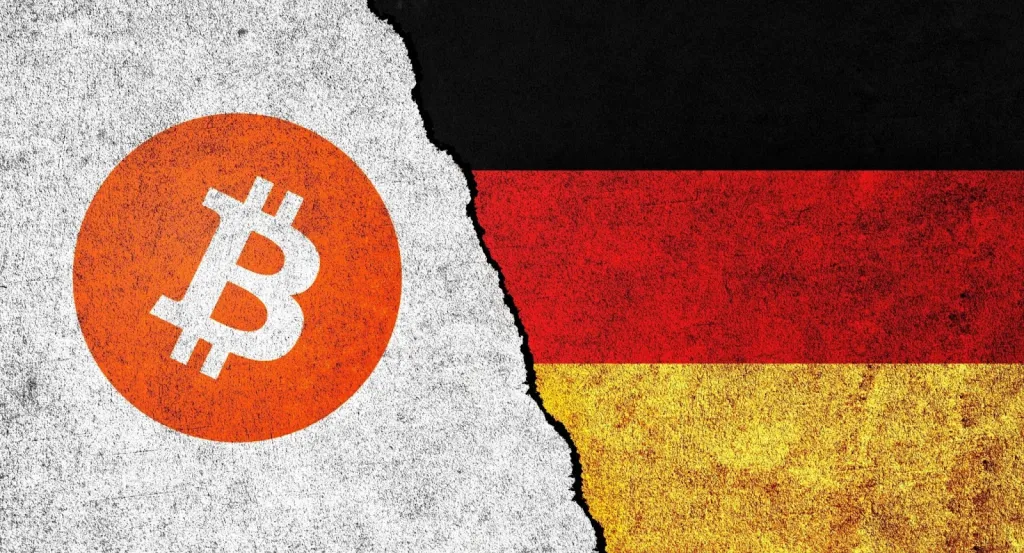
Image source: Unchained Crypto
Singapore
Singapore has emerged as one of the most crypto-friendly nations globally, thanks to its forward-looking regulatory environment. The Payment Services Act provides a clear regulatory framework for digital payment tokens, ensuring transaction safety and compliance for users and businesses alike. Moreover, Singapore enhances its appeal through favorable tax policies—long-term holding of cryptocurrencies is exempt from capital gains tax. However, profits generated from cryptocurrency trading by businesses must be declared and taxed accordingly. The government actively promotes blockchain technology, nurturing a vibrant ecosystem that includes prominent platforms like KuCoin and Phemex. With continuous support for innovation and a robust legal framework, Singapore has become a preferred destination for global investors and blockchain entrepreneurs.
Image source: The Cryptonomist
Switzerland
Switzerland’s “Crypto Valley” in Zug has become a pivotal center for global blockchain innovation and cryptocurrency advancement. The country offers regionally flexible tax policies, with certain cantons providing tax exemptions for long-term cryptocurrency holdings, attracting numerous investors and companies. The Swiss Financial Market Supervisory Authority (FINMA) ensures legal certainty through transparent rules and high compliance standards. Fueled by supportive policies, startup dynamism, institutional backing, and active investor participation, Switzerland leads globally in integrating blockchain technology and cryptocurrencies into mainstream finance.

Image source: IFLR
Portugal
Portugal has become a haven for crypto entrepreneurs and investors due to its favorable tax treatment of cryptocurrencies. Individuals trading Bitcoin are exempt from both value-added tax and capital gains tax, making it especially appealing for long-term investors. The Portuguese government also strongly supports blockchain development by establishing clear regulatory frameworks to ensure sustainable growth of the digital asset industry. Lisbon, the capital, has evolved into a key hub thanks to its vibrant startup culture and policy incentives, drawing numerous blockchain startups and cryptocurrency exchanges. This not only boosts Portugal’s influence in the sector but also reinforces its leadership in global cryptocurrency application and technological innovation.
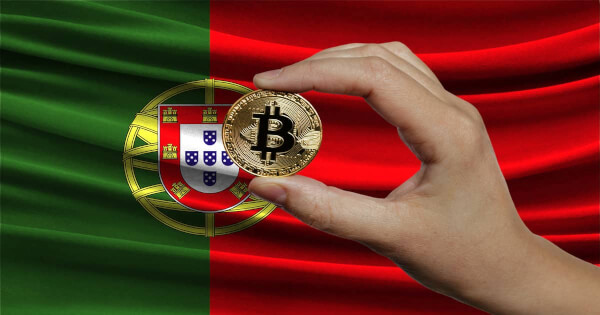
Image source: Blockchain News
Malta
Known as the "Blockchain Island," Malta has become a prime destination for blockchain and cryptocurrency enterprises worldwide. Its Virtual Financial Assets Act (VFA) provides a comprehensive and transparent legal framework, enabling businesses to operate securely and compliantly. Alongside, Malta offers attractive tax incentives, demonstrating strong support for the crypto industry and drawing many startups and international investors. Companies benefit from tax reductions and other fiscal advantages that encourage reinvestment and business expansion. Furthermore, Malta has signed over 70 double taxation avoidance agreements, offering crypto investors and entrepreneurs seeking a stable and innovative regulatory environment an ideal base, further cementing its leading role in the global crypto space.

Image source: ComplyAdvantage
Estonia
Estonia remains at the forefront of digital innovation, leveraging its advanced e-governance system to drive widespread adoption of blockchain and cryptocurrencies. Its e-Residency program enables global entrepreneurs to remotely register companies without physical presence, creating a truly borderless digital economy. Estonia’s tax regime is highly favorable toward crypto activities, offering tax relief on certain digital transactions while providing clear legal protections for investors and businesses. Additionally, strict AML and KYC regulations have enhanced Estonia’s international reputation for security and transparency, making it a top choice for cryptocurrency firms.
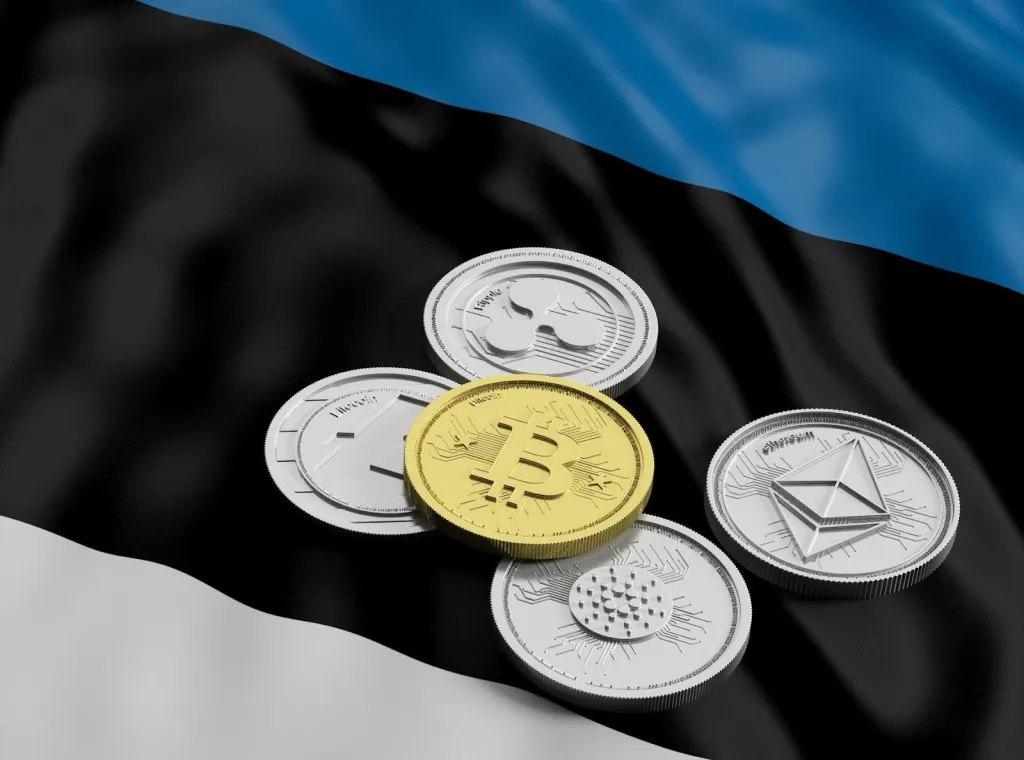
Image source: Law&Trust International
Gibraltar
Gibraltar actively embraces blockchain and cryptocurrency technologies, leveraging its secure and stable environment along with strong regulation to attract numerous digital asset businesses. Oversight is managed by the Gibraltar Financial Services Commission (GFSC), which upholds high standards in compliance and investor protection. Gibraltar also offers compelling tax benefits, including exemption from capital gains tax on Bitcoin transactions and low corporate tax rates. This unique combination of rigorous regulation and tax incentives makes Gibraltar an ideal location for both startups and established firms seeking stability and transparency.

Image source: CryptoSlate
Luxembourg
Luxembourg is renowned for its exceptional financial stability—a strength that extends into the blockchain and cryptocurrency sectors. The country offers investors and businesses a clear and secure regulatory environment, allowing them to operate confidently under legal protection. In Luxembourg, individuals enjoy capital gains tax exemptions on Bitcoin transactions, while blockchain enterprises benefit from innovation-supportive tax policies. Thanks to its strategic central location in Europe and advanced financial infrastructure, Luxembourg has attracted many companies aiming to expand their cryptocurrency operations, becoming an ideal base for international growth in this field.
Image source: Freeman Law
Slovenia
Slovenia has seamlessly integrated Bitcoin into everyday life, with over 1,000 locations nationwide accepting cryptocurrency payments. Combined with flexible financial regulations that empower blockchain innovation, the country has drawn both local and international startups. Occasional crypto transactions by individual investors are tax-exempt, making Slovenia an ideal choice for those looking to engage in crypto trading without burdensome regulatory hurdles. Through this forward-looking strategy, Slovenia has cultivated a dynamic and supportive ecosystem for blockchain development.
Image source: quverse.io
Countries Where Cryptocurrency Is Illegal
Despite Bitcoin’s global popularity, some countries have imposed restrictions or outright bans due to concerns over price volatility, decentralized control, and potential misuse.
-
China
China has completely banned Bitcoin mining and trading, citing concerns over financial risks and environmental impact. At the same time, the Chinese government is actively advancing its central bank digital currency (CBDC)—the digital yuan—as a state-controlled alternative designed to replace decentralized cryptocurrency systems.
-
Saudi Arabia
Saudi Arabia imposes strict limitations on Bitcoin usage, prohibiting financial institutions from engaging in related transactions. While individuals may hold Bitcoin, the lack of institutional support significantly limits its adoption.
-
Pakistan
Pakistan has fully banned cryptocurrency trading and mining under stringent anti-money laundering (AML) policies aimed at preventing illicit fund flows. Nevertheless, underground crypto markets remain active, highlighting ongoing challenges in enforcement.
-
Bolivia
Bolivia has enforced a complete ban on cryptocurrency transactions since 2014, primarily to protect consumers from scams and extreme market volatility. The government emphasizes that risks associated with unregulated digital assets cannot be overlooked.
-
Tunisia
Tunisia prohibits Bitcoin transactions to maintain control over its monetary system. However, unclear regulatory guidelines have hindered the promotion and acceptance of cryptocurrencies within the country.
These prohibitions reflect governmental concerns about economic stability and potential abuse, underscoring the stark divergence in attitudes toward embracing innovation versus resisting decentralization.
Cryptocurrency Policies in Major Countries
United States
The U.S. adopts a multi-layered, multifaceted approach to cryptocurrency regulation, with varying policies across federal and state levels. The Internal Revenue Service (IRS) classifies Bitcoin as property, subjecting it to capital gains tax; individuals and businesses must report income from Bitcoin transactions or sales. Federal agencies such as the Securities and Exchange Commission (SEC) regulate initial coin offerings (ICOs), while the Commodity Futures Trading Commission (CFTC) oversees Bitcoin futures trading. Meanwhile, state-level initiatives—such as Wyoming’s crypto-friendly legislation—create favorable environments for blockchain enterprises. Despite the complexity of the regulatory landscape, the U.S. remains a critical hub for global cryptocurrency innovation and investment.
United Kingdom
The UK offers a clear and practical regulatory framework for cryptocurrencies. Under the 2023 Financial Services and Markets Act, Bitcoin is classified as an asset, with transaction profits subject to capital gains tax. Businesses engaged in crypto-related activities must meet tax and reporting obligations. The Financial Conduct Authority (FCA) regulates cryptocurrency exchanges to safeguard consumer rights and enhance industry transparency. The UK also addresses environmental concerns linked to Bitcoin mining, promoting sustainable practices. With sound regulation and reasonable tax policies, the UK provides a secure and welcoming environment for crypto investors and businesses.
Canada
Canada employs an advanced regulatory model in the cryptocurrency space, treating Bitcoin as a commodity. Transactions involving Bitcoin are subject to capital gains tax, and the Canada Revenue Agency (CRA) offers detailed guidance to simplify tax filing for investors. Cryptocurrency exchanges operating in Canada are classified as Money Services Businesses (MSBs) and must register with the Financial Transactions and Reports Analysis Centre of Canada (FINTRAC), complying strictly with AML and KYC requirements. This proactive regulatory stance achieves a strong balance between fostering innovation and ensuring security, creating a thriving ecosystem for exchanges and blockchain startups. Moreover, Canada’s cold climate and affordable energy make it an ideal destination for Bitcoin mining.
China
China enforces extremely strict regulations on cryptocurrencies, including a full ban on Bitcoin mining, trading, and initial coin offerings (ICOs). Authorities cite concerns over financial stability, speculative risks, and the potential misuse of decentralized digital currencies in illegal activities. Instead, China focuses on developing its own central bank digital currency (CBDC)—the digital yuan—to strengthen monetary control and offer a state-backed alternative. Despite tight restrictions on cryptocurrencies, China maintains significant influence in the global blockchain arena through technological innovation and policy-driven research and development.
Japan
Japan has been a pioneer in cryptocurrency regulation, among the first countries globally to legalize Bitcoin and incorporate it into a formal regulatory framework via the Payment Services Act (PSA). Under this law, cryptocurrency exchanges must register with the Financial Services Agency (FSA) and adhere strictly to compliance requirements to protect consumers and ensure market stability. Despite stringent regulations, Bitcoin enjoys high acceptance in Japan, with many merchants supporting Bitcoin payments—an indication of Japan’s proactive vision and long-term commitment to integrating cryptocurrencies into its financial system.
Conclusion
Across the globe, attitudes toward cryptocurrencies vary widely, resulting in vastly different regulatory landscapes. Crypto-friendly nations such as Malta, Germany, and Singapore have built thriving ecosystems conducive to Bitcoin and blockchain innovation through robust regulations and supportive policies. In contrast, regions including China and Saudi Arabia remain cautious or impose strict restrictions.
For investors and enterprises, understanding these regulatory differences is crucial. Platforms like XT.com, which prioritize security and compliance, empower users to trade with confidence in the fast-evolving crypto market.
As Bitcoin continues to reshape the global financial order, countries that embrace its potential are poised to lead in the next wave of technological and economic transformation. Whether seasoned investors or newcomers, all should closely monitor regional policy developments to fully unlock the potential of cryptocurrency platforms and digital assets.
Join TechFlow official community to stay tuned
Telegram:https://t.me/TechFlowDaily
X (Twitter):https://x.com/TechFlowPost
X (Twitter) EN:https://x.com/BlockFlow_News
 @XTexchange











