Grayscale Q1 2025 Select: 20 Tokens with High Growth Potential
TechFlow Selected TechFlow Selected
Grayscale Q1 2025 Select: 20 Tokens with High Growth Potential
The assets added in Q1 2025 include HYPE, ENA, VIRTUAL, JUP, JTO, and GRASS.
 Navigating Web3 tides with focused insights
Author: Grayscale Research
Translation: Golem, Odaily Planet Daily
Summary:
-
The crypto market surged significantly in Q4 2024, with the FTSE/Grayscale Crypto Sectors Index demonstrating strong performance. Much of the rally reflected positive market sentiment toward the outcome of the U.S. elections.
-
Competition in the smart contract platform sector remains intense. Ethereum, the sector leader, underperformed Solana—the second-largest competitor by market cap—while investor attention has also grown for other Layer 1 networks such as Sui and The Open Network (TON).
-
Grayscale Research has updated its Top 20 Tokens list. This list represents a diversified set of digital assets across the cryptocurrency industry that may offer high potential in the coming quarter. Assets newly added to the Q1 2025 list include HYPE, ENA, VIRTUAL, JUP, JTO, and GRASS. All assets on the Top 20 list are highly volatile and should be considered high-risk investments.
Grayscale Crypto Sectors Index
Grayscale Crypto Sectors provides a comprehensive framework for understanding the scope of investable digital assets and their relationship to underlying technologies. In collaboration with FTSE Russell, Grayscale has developed the FTSE Grayscale Crypto Sectors Index series based on this framework to measure and monitor crypto assets (Figure 1). Grayscale Research incorporates this index into its analysis of the digital asset market.
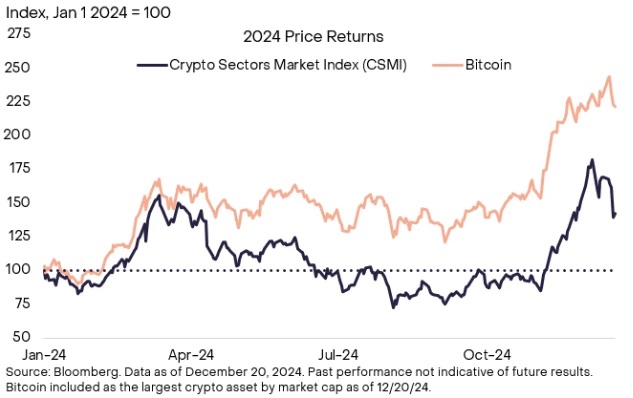
Chart 1: Positive Returns for the Grayscale Crypto Sectors Index in 2024
Crypto valuations surged in the fourth quarter of 2024, primarily driven by positive market reactions to the U.S. election results. According to the Crypto Sector Market Index (CSMI), the industry’s total market capitalization increased from $1 trillion to $3 trillion during the quarter. Figure 2 below compares the total crypto market cap with various traditional public and private market asset classes. For example, today’s digital asset market cap is roughly equivalent to that of the global inflation-linked bond market—more than twice the size of the U.S. high-yield bond market—but still far smaller than the global hedge fund industry or the Japanese equity market.
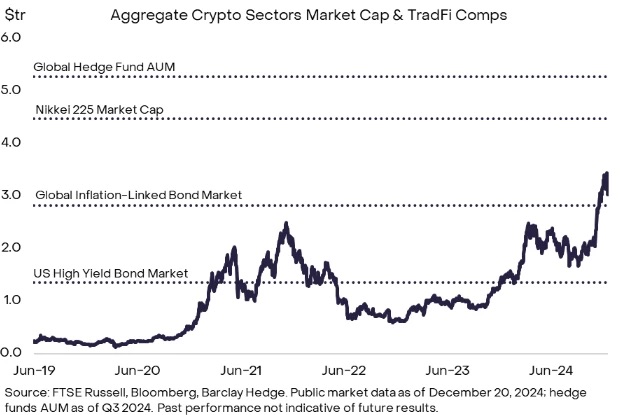
Figure 2: Crypto Market Cap Increased by $1 Trillion in Q4 2024
Due to rising valuations, many new tokens met the inclusion criteria for Grayscale’s Crypto Sectors framework (which generally requires a minimum market cap of $100 million for most tokens). In this quarterly rebalance, Grayscale added 63 new assets to the index series, bringing the total to 283 tokens. The Consumer and Culture segment saw the largest number of new additions, reflecting the continued strong returns of meme coins and the appreciation of various assets tied to gaming and social media.
The largest new addition by market cap in the Crypto Sectors is Mantle, an Ethereum Layer 2 protocol that has now met minimum liquidity requirements (for more details on Grayscale index inclusion criteria, see here).
Smart Contract Platform Competition
The smart contract platform sector is likely the most competitive segment within the digital asset industry. While 2024 was a landmark year for Ethereum—the sector leader—with approval of a U.S. spot exchange-traded product (ETP) and major network upgrades—ETH underperformed certain competitors like Solana, the second-largest asset by market cap in this space. Investors have also turned attention to other L1 networks, including high-performance blockchains such as Sui and TON, which is integrated with the Telegram platform.
When building infrastructure for application developers, architects of smart contract blockchains face numerous design trade-offs. These choices affect the three components of the so-called “blockchain trilemma”: scalability, security, and decentralization. For instance, prioritizing scalability often results in high transaction throughput and low fees (e.g., Solana), while emphasizing decentralization and security may lead to lower throughput and higher fees (e.g., Ethereum). These architectural decisions result in varying block times, transaction throughput, and average transaction costs (Figure 3).
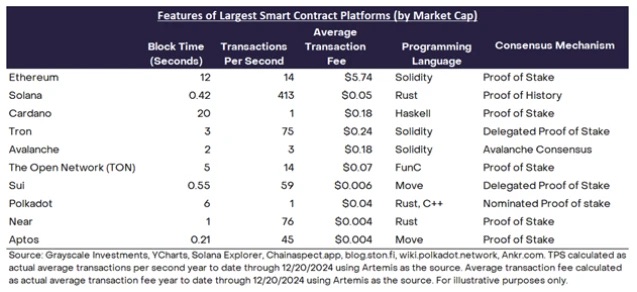
Chart 3: Smart Contract Platforms Exhibit Different Technical Characteristics
Regardless of design choices and each network’s strengths and weaknesses, smart contract platforms derive value through the fee revenue they generate. While other metrics (such as total TVL) are also important, fee income can be viewed as the primary driver of token value accrual within this market segment (see related reading: The Battle for Value in Smart Contract Platforms).
As shown in Figure 4, there is a statistical relationship between fee revenue and market capitalization among smart contract platforms. The stronger a network’s ability to generate fee revenue, the greater its capacity to return value to participants via mechanisms such as token burning or staking rewards. This quarter, Grayscale Research’s Top 20 Tokens list includes several smart contract platform tokens: ETH, SOL, SUI, and OP.
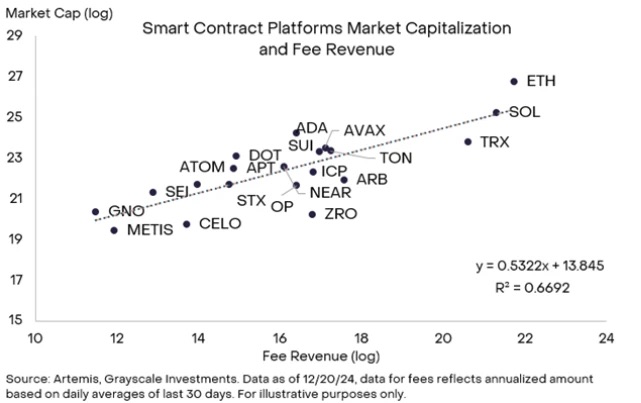
Figure 4: All Smart Contract Platforms Are Competing for Fee Revenue
Grayscale Research Top 20 Tokens List
Each quarter, the Grayscale Research team analyzes hundreds of digital assets to inform the rebalancing process of the FTSE/Grayscale Crypto Sectors Index series. Following this review, Grayscale Research publishes a list of the top 20 assets within the Crypto Sectors framework. The Top 20 represents a diversified set of assets across sectors that may offer significant potential in the coming quarter (Figure 5). The selection process considers multiple factors, including network growth/adoption, upcoming catalysts, fundamental sustainability, token valuation, supply inflation, and potential tail risks.
In Q1 2025, Grayscale will focus on tokens tied to at least one of the following three core market themes:
-
The U.S. elections and their potential regulatory implications for the industry, particularly in decentralized finance (DeFi) and staking;
-
Ongoing breakthroughs in decentralized AI technologies and the use of AI agents on blockchains;
-
Growth in the Solana ecosystem.
Based on these themes, the following six assets have been added to the Q1 2025 Top 20 list:
-
Hyperliquid (HYPE): Hyperliquid is a Layer 1 blockchain designed to support on-chain financial applications. Its primary application is a decentralized exchange (DEX) for perpetual futures, featuring a fully on-chain order book.
-
Ethena (ENA): The Ethena protocol has evolved into a novel stablecoin, USDe, primarily backed by hedged positions in Bitcoin and Ethereum. Specifically, the protocol holds long positions in BTC and ETH, offset by short positions in perpetual futures contracts for the same assets. The staking version of the token earns yield from the basis spread between spot and futures prices.
-
Virtual Protocol (VIRTUAL): Virtual Protocol is a platform built on Base, an Ethereum L2, for creating AI agents. These AI agents aim to mimic human decision-making and autonomously perform tasks. The platform enables the creation and co-ownership of tokenized AI agents that can interact with their environment and other users.
-
Jupiter (JUP): Jupiter is the leading DEX aggregator on Solana, holding the highest TVL on the network. As retail traders increasingly enter the crypto market via Solana, and speculation around Solana-based memecoins and AI agent tokens intensifies, we believe Jupiter is well-positioned to capture growth in this expanding market.
-
Jito (JTO): Jito is a liquid staking protocol on Solana. Adoption of Jito has grown dramatically over the past year, and it boasts one of the strongest financial profiles in crypto, generating over $550 million in fee revenue in 2024.
-
Grass (GRASS): Grass is a decentralized data network that rewards users for sharing unused internet bandwidth via a Chrome extension. This bandwidth is used to scrape online data, which is then sold to AI companies and developers for training machine learning models—effectively enabling web scraping while compensating users.
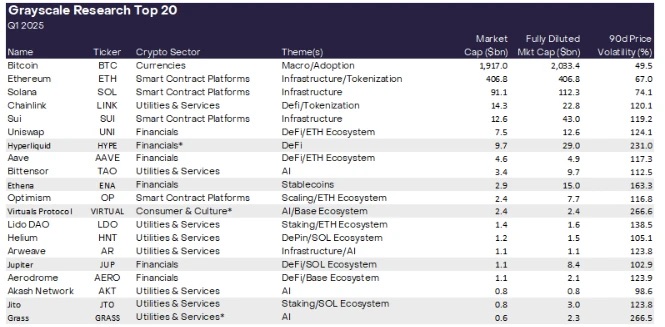
Figure 5: Top 20 Additions Include DeFi Applications, AI Agents, and Solana Ecosystem Plays
Note: Shaded areas indicate new additions for the upcoming quarter (Q1 2025). “*” denotes relevant sector assets not included in the Crypto Sectors Index. Source: Artemis, Grayscale Investments. Data as of December 20, 2024. For informational purposes only. Assets are subject to change. Grayscale and its affiliates and clients may hold positions in the digital assets discussed herein. All Top 20 assets are highly volatile and should be considered high-risk investments.
In addition to the newly emphasized themes above, Grayscale continues to express conviction in prior-quarter themes such as Ethereum scaling solutions, tokenization, and decentralized physical infrastructure (DePIN). These themes remain represented through returning protocols in the Top 20, including Optimism, Chainlink, and Helium.
This quarter, Celo was removed from the Top 20 list. Grayscale Research maintains a positive outlook on these projects and believes they remain important components of the crypto ecosystem. However, the revised Top 20 list may offer more attractive risk-return profiles in the coming quarter.
Investing in the digital asset class involves risks, some of which are unique to crypto assets, including smart contract vulnerabilities and regulatory uncertainty. Additionally, all assets on the Top 20 list are highly volatile and should be considered high-risk, making them unsuitable for all investors. Given the inherent risks, any investment in digital assets should be considered within the context of an overall portfolio and aligned with an investor’s financial goals.
Join TechFlow official community to stay tuned
Telegram:https://t.me/TechFlowDaily
X (Twitter):https://x.com/TechFlowPost
X (Twitter) EN:https://x.com/BlockFlow_News
 @Grayscale