Will the FTX founder be released from prison early due to a presidential pardon?
TechFlow Selected TechFlow Selected
Will the FTX founder be released from prison early due to a presidential pardon?
Elon Musk and others' tweets suggest that this possibility is quite high.
 Navigating Web3 tides with focused insights
Source: beincrypto
Translation: Blockchain Knight
BeInCrypto previously reported that former FTX founder Sam Bankman-Fried has attracted significant attention regarding early release from prison.
Tweets from figures like Musk suggest this possibility is quite real.
How likely is it for the FTX founder to leave prison less than a year after conviction?
In 2020, at the peak of FTX's success, Sam Bankman-Fried donated $5.2 million to Biden-supporting super political action committees. He was the second-largest individual donor to the Democratic Party, behind only Michael Bloomberg.
Historically, political donors and their affiliates have held substantial advantages when it comes to convictions and pardons.
Take Marc Rich, the "notorious" oil trader who evaded at least $50 million in taxes as early as 2001. Yet, Rich received a pardon on Clinton’s final day in office.
The pardon drew controversy because Rich’s ex-wife Denise was a major Democratic donor, contributing heavily to Clinton’s presidential library and the Democratic National Committee.
Likewise, Paul Pogue, another convicted tax defrauder, was pardoned by Trump in 2020—reportedly because Pogue’s family had donated over $200,000 to Trump’s campaign.
Kalshi, a prediction market figure, posted on X: "Sam Bankman-Fried used millions stolen from customers to fund political activities."
"SBF donated almost all of it to Democrats (98%), making him the party’s second-largest donor. Now Biden’s chance of pardoning him stands at 12%."
Given historical precedents where political donors are more likely to receive leniency, speculation about Sam Bankman-Fried potentially being pardoned by Biden is understandable.
Moreover, Biden recently granted clemency to Michael Conahan last week.
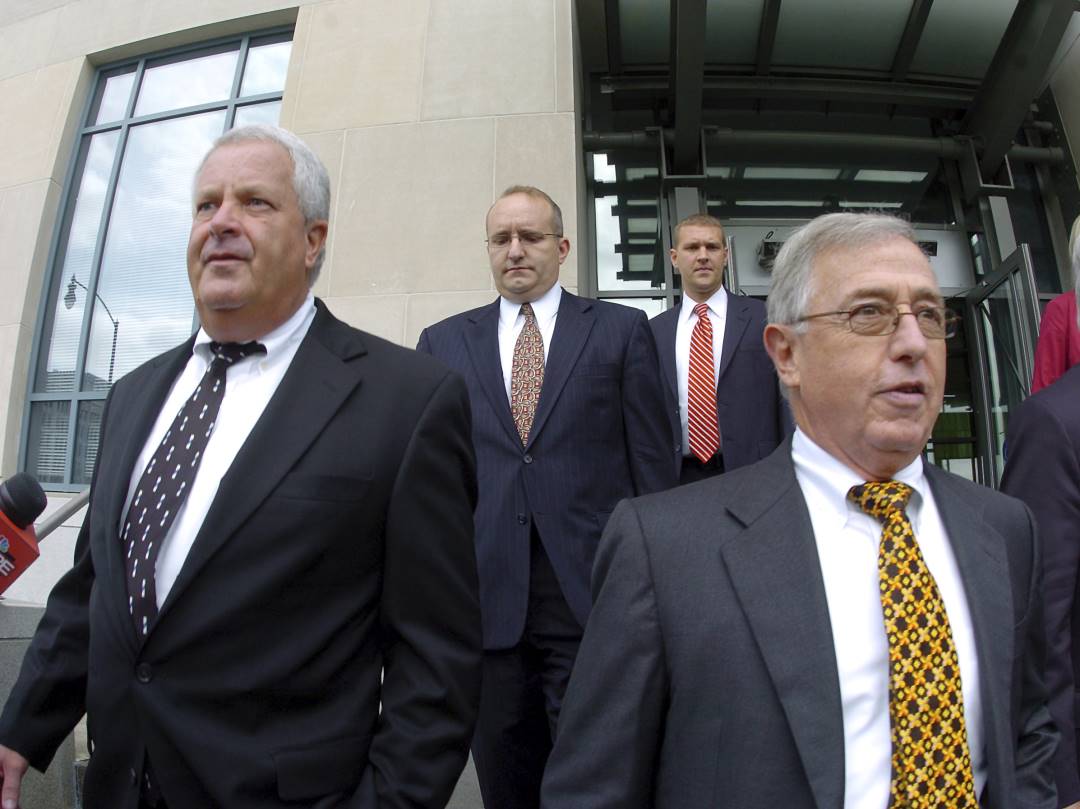
Conahan was sentenced to 17 years in prison due to the "kids for cash" scandal. He accepted bribes from private youth detention centers, routinely sending children there on minor charges.
This serves as concrete evidence that Biden may not shy away from pardoning serious offenders.
One of the most controversial aspects of Bankman-Fried’s trial was the government dropping charges related to campaign finances.
Initially, Bankman-Fried faced eight criminal counts, including conspiracy to defraud the United States and violations of campaign finance laws.
However, the campaign finance charge was dismissed in July 2023.
The charge was initially dropped due to a treaty obligation with the Bahamas. Essentially, the Bahamian government objected to that specific charge being included in the extradition request.
Prosecutors claimed they would pursue a separate trial on those charges.
The retrial aimed to address the dismissed campaign finance allegations, along with some charges related to bribery and unlicensed money transmitting operations.
Yet, in December 2023, prosecutors announced they would not proceed with a second trial, stating the evidence would largely duplicate what had already been presented in the first trial.
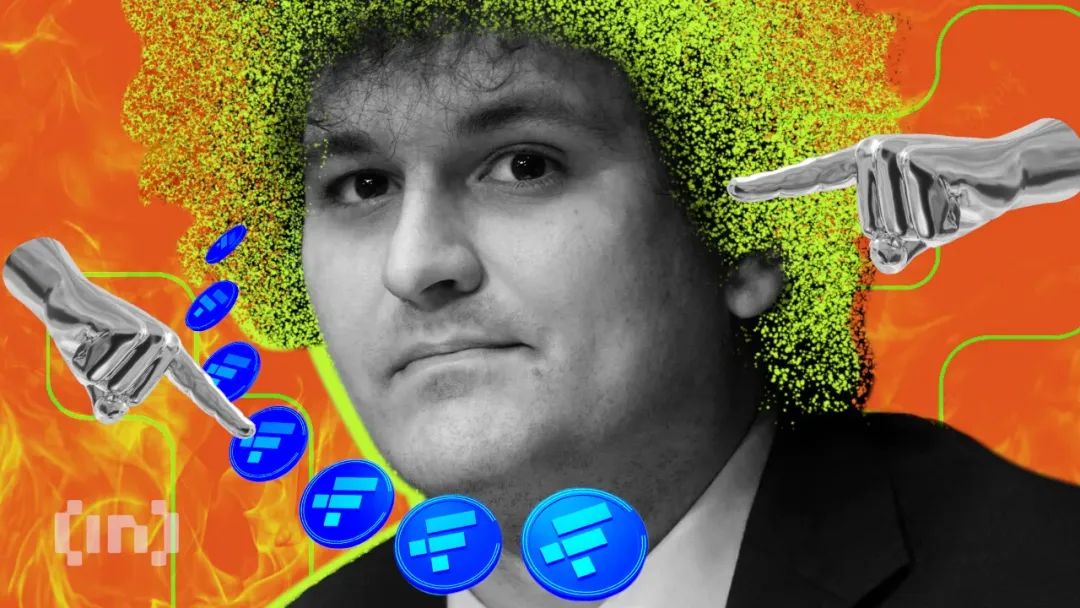
Earlier this year, Sam Bankman-Fried was sentenced to 25 years in prison on multiple counts of wire fraud and other charges.
However, given the scale and impact of his crimes, many consider the sentence too lenient.
The collapse of FTX cost customers and creditors over $16 billion, while the crypto winter triggered over $100 billion in market losses. As one of the largest financial scandals in U.S. history, many view this sentence as unusually light.
Prominent lawyer Richard W. Painter wrote: "Sam Bankman-Fried and his associates seek pardons or sentence reductions in exchange for returning the campaign donations they stole from FTX investors. Any president who agrees should be impeached for bribery."
Prosecutors originally sought a 50-year sentence, describing Sam Bankman-Fried’s crimes as "historic" in scope and severity.
They emphasized the massive financial losses suffered by FTX customers and the erosion of public trust in the cryptocurrency market.
In contrast, Caroline Ellison, who actively transferred customer funds out of FTX and Bankman-Friend, received only a two-year sentence for cooperating with prosecutors.
Most surprisingly, Gary Wang, the programmer who wrote backdoor code granting Alameda unlimited credit, completely avoided prison time.
Given these facts—and widespread criticism that the sentence was too light—the crypto industry clearly anticipates Sam Bankman-Fried may receive further leniency.
Still, it's important to note that links between donations and pardons aren't always consistent.
Presidents may grant pardons for various reasons, and it's difficult to definitively prove donations were the sole or primary motivating factor.
Nevertheless, given documented cases of wealthy individuals using political contributions to escape legal consequences, such possibilities inevitably raise ethical concerns.
Join TechFlow official community to stay tuned
Telegram:https://t.me/TechFlowDaily
X (Twitter):https://x.com/TechFlowPost
X (Twitter) EN:https://x.com/BlockFlow_News
 @beincrypto