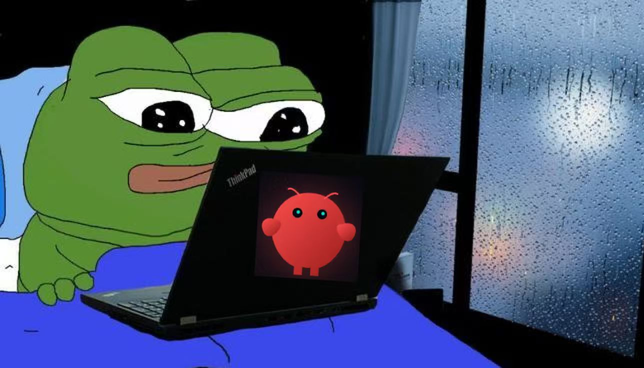
HTX Growth Academy | In-Depth Research Report on the MEME Coin Ecosystem: Super Cycles, Project Innovations, and Future Opportunities
TechFlow Selected TechFlow Selected
HTX Growth Academy | In-Depth Research Report on the MEME Coin Ecosystem: Super Cycles, Project Innovations, and Future Opportunities
This article will conduct a comprehensive analysis of meme coins from five major aspects: origin, development, current market ecosystem, investment opportunities and risks, and future trends.
 Navigating Web3 tides with focused insights
Introduction
The world of cryptocurrency never lacks hot topics, but when it comes to the most entertaining, viral, and controversial asset class, meme coins undoubtedly stand out. From Dogecoin's creation in 2013, to the supercycle of meme coins led by Shiba Inu in 2021, to the wave of innovative new projects emerging in 2024, meme coins have not only consistently captured investors' and KOLs' attention, but are also actively exploring integration with trending technologies such as DeFi, NFTs, and Layer 2 scaling.
Meme coins are more than just a reflection of market speculation—they represent a unique cultural phenomenon. They combine internet meme culture, community-driven governance, and blockchain technology into a multidimensional ecosystem. This article offers a comprehensive analysis across five key areas: the origin and evolution of meme coins, current market landscape, investment opportunities and risks, and future trends—aiming to clarify the core value and potential of this sector and provide readers with deep insights.
Part One: The Origin and Evolution of Meme Coins
1.1 Concept and Origins of Meme Coins
The concept of meme coins stems from the cultural phenomenon known as "meme." The term was first introduced by biologist Richard Dawkins in his 1976 book *The Selfish Gene*, describing a unit of cultural transmission that spreads through imitation within human societies. With the rise of the internet era, memes evolved into viral cultural symbols—including image macros, internet slang, and short videos. Meme coins are the product of merging this digital culture with cryptocurrency technology.
Dogecoin marked the beginning of meme coins. In 2013, after Bitcoin’s initial surge attracted global attention, some early Bitcoin enthusiasts sought to create a token that contrasted sharply with Bitcoin’s serious financial attributes. Billy Markus and Jackson Palmer developed Dogecoin under this context, adopting the Shiba Inu “Doge” meme as its logo and designing a high-supply, user-friendly distribution model.
Though originally created for fun, Dogecoin quickly attracted a passionate community. Its decentralized nature and accessibility made it popular for online tipping and charitable initiatives. Dogecoin’s success not only defined the early characteristics of meme coins but also set the tone for future meme-based projects.
1.2 Development Stages of Meme Coins
The evolution of meme coins can be divided into three main phases, each driven by market trends and technological advancements:
1. Early Stage (2013–2017): Community Experiments Focused on Fun
In this phase, meme coins were characterized by simplicity, strong entertainment value, and a lack of real-world use cases. Dogecoin was the only mainstream project; others like Mooncoin and FedoraCoin emerged briefly before fading away. As the market was still immature, meme coin valuations remained low, and participation was largely motivated by curiosity and experimentation.
2. Expansion Phase (2018–2020): Rise of New Projects and Spread of Meme Culture
After 2018, maturing blockchain infrastructure provided fertile ground for meme coin growth. The launch of Shiba Inu (SHIB) marked the start of this phase. SHIB leveraged innovative tokenomics and community-driven strategies to compete with Dogecoin. At the same time, meme culture began blending with broader internet trends, amplifying the reach and virality of meme coins.
3. Explosion Phase (2021–Present): Supercycle and Cross-Domain Integration
The 2021 bull market created ideal conditions for meme coin breakout success. With endorsements from figures like Elon Musk, Dogecoin reached all-time highs. Meanwhile, newcomers such as Pepe and Floki Inu surged in popularity, further diversifying the market. Meme coins now extend beyond pure entertainment, integrating with DeFi, NFTs, and cross-chain technologies to significantly expand their utility.
Part Two: Current Meme Coin Market Ecosystem
2.1 Core Characteristics of Meme Coins
As a subcategory of crypto assets, meme coins possess distinct traits—traits that fuel both their market appeal and controversy among traditional investors:
Viral Spread: Meme coins leverage internet culture’s organic sharing mechanisms to rapidly reach large audiences at minimal cost. Social media platforms like Twitter and Reddit serve as breeding grounds for their popularity.
Community-Driven: The success of a meme coin heavily depends on community engagement and cohesion. Many decisions are made via community consensus, embodying decentralization principles.
Extreme Volatility: Lacking fundamental value anchors, meme coin prices are highly sensitive to sentiment and speculative capital, resulting in dramatic price swings.
Low Barrier to Entry and High Entertainment Value: With simple mechanics and low technical barriers, meme coins attract everyday users. Their playful nature lowers the entry threshold to crypto.
2.2 Analysis of Major Meme Coin Ecosystems
Today’s meme coin landscape features a multi-layered ecosystem. Below is an in-depth look at leading projects:
Dogecoin: The Classic with Sustained Growth
Dogecoin remains the flagship of the meme coin market. It has transitioned from a "joke currency" to a community-powered payment tool, deeply integrated with charity and sports sponsorships. Despite limited tech innovation, its strong community base and celebrity backing keep it dominant.
Shiba Inu: A Multidimensional Ecosystem Centered on DeFi and NFTs
Shiba Inu has evolved from a single token into a full-fledged ecosystem, complete with the Shibarium Layer 2 network and NFT marketplace. Its complex tokenomics include three tokens—SHIB, LEASH, and BONE—offering diverse utilities and use cases.
Pepe: Symbol of Internet Culture
Pepe’s success lies in its iconic meme imagery and savvy community marketing. Though lacking technical breakthroughs, Pepe achieved rapid visibility through efficient, meme-driven outreach, making it a hallmark of next-gen meme coins.
Floki Inu: Branding and Cross-Sector Collaboration
Floki Inu stands out for its cross-industry partnerships and philanthropy. Strategically focused on education and brand licensing, it extends meme culture into broader domains to add real-world value to the project.
Part Three: The Supercycle and Market Evolution of Meme Coins
3.1 Origins and Definition of the Supercycle
The meme coin supercycle is no accident—it results from market development, technological progress, and cultural shifts. A supercycle refers to a prolonged period of rising demand, rapid innovation, and sustained price appreciation within an asset class. The meme coin supercycle originated from its deep ties to internet culture, evident in several ways:
Cultural Catalysts
Meme coins trace back to the viral spread of internet memes—like “Doge” evolving from an online joke into a crypto project. The inherent virality of internet culture provides meme coins with a ready-made user base, enabling rapid mainstream adoption.
Maturity of the Technical Environment
The emergence of smart contract platforms like Ethereum and Tron lowered barriers to launching meme coins. This technical support allows developers to deploy new projects quickly while reducing user entry hurdles.
Market Demand and Risk Appetite
Crypto investors often exhibit high risk tolerance. Meme coins—with their extreme volatility and high return potential—align perfectly with this appetite. Especially when major assets like Bitcoin and Ethereum stagnate, investors increasingly turn to high-risk alternatives.
3.2 Drivers of the Supercycle
Multiple forces drive the meme coin supercycle, each critical to its formation and sustainability:
1. Technological Innovation
Technology powers the expansion of the meme coin ecosystem. For example, Layer 2 solutions like Shibarium greatly improve transaction speed and reduce gas fees, enhancing user experience. Tools like cross-chain bridges also facilitate multi-chain deployment of meme coins.
2. Community Culture
The uniqueness of meme coins lies in their strong community identity. Successful projects typically boast active, tightly-knit communities where holders act not only as investors but also as promoters and ecosystem builders. Initiatives like Shiba Inu’s “SHIB Burn” (token burning) exemplify this culture.
3. Media and Celebrity Influence
Media coverage and celebrity endorsements play pivotal roles. Elon Musk’s frequent mentions of Dogecoin have triggered multiple price surges. Social media amplifies visibility, helping new projects gain traction almost overnight.
4. Market Sentiment and Capital Flows
Meme coin performance is highly sensitive to investor sentiment. During periods of high demand for outsized returns, meme coins often outperform. Conversely, in bear markets, they are especially vulnerable to panic selling and sharp declines.
3.3 Challenges Within the Supercycle
While the supercycle presents significant opportunities, it also poses challenges that could threaten long-term viability:
1. Bubble Risk
The speculative nature and high volatility of meme coins make them prone to bubbles. When sentiment reverses or celebrity interest fades, prices may collapse suddenly, causing severe losses.
2. Regulatory Uncertainty
As meme coins grow in prominence, regulators may intensify scrutiny. For instance, the U.S. SEC has begun investigating whether certain meme coins qualify as securities—an uncertainty that could undermine market confidence.
3. Uneven Project Quality
Low issuance barriers mean the market is flooded with projects lacking real value. Some are outright scams, threatening the reputation of the entire meme coin space.
4. Technical and Security Risks
Meme coin projects often have weak technical foundations, making them vulnerable to hacks and smart contract flaws. Deficiencies in cross-chain bridges or liquidity pools have already led to user fund losses in some cases.
3.4 Future Outlook of the Supercycle
Despite these challenges, the meme coin supercycle is likely to continue, with future developments including:
1. Evolution Toward Diversified Ecosystems
Meme coins will move beyond pure speculation toward broader applications—such as payments, metaverse interactions, and community governance—strengthening intrinsic value and long-term appeal.
2. Integration with Emerging Technologies
By combining with AI, IoT, and interoperability protocols, meme coins can unlock new use cases. For example, AI-powered governance tools could enhance efficiency and innovation within meme coin projects.
3. Mature Market Mechanisms
Future meme coin markets may adopt more transparent governance models, such as DAO-based self-regulation. These systems can reduce fraud and build greater user trust.
4. Globalization and Cultural Export
As crypto becomes more global, meme coin cultural symbols will spread across regions. This cultural export will help attract non-English-speaking users and investors, expanding market reach.
Part Four: Integration of Meme Coins with Emerging Technologies
4.1 Meme Coins and DeFi
Decentralized Finance (DeFi) is one of the most impactful blockchain applications in recent years, and the inclusion of meme coins has brought fresh energy. By incorporating DeFi features, many meme coin projects have broadened their utility and increased token value. Examples include:
Liquidity Mining and Staking
Many meme coins allow holders to stake tokens or provide liquidity to earn rewards. This strengthens holding incentives, improves price stability, and supports ecosystem growth. For instance, Shiba Inu’s BONE token plays a central role in liquidity mining on ShibaSwap, becoming a key component of its DeFi ecosystem.
Meme-DeFi Cross-Chain Bridges
Advances in cross-chain bridge technology enable meme coins to operate across multiple blockchains. Floki Inu, for example, integrates with BNB Chain and Ethereum, offering multi-chain support that enhances flexibility and user access.
Decentralized Autonomous Organizations (DAOs) and Governance
Some meme coins implement DAO mechanisms, allowing community members to participate in governance. Governance tokens increase autonomy and offer additional incentives. BONE is used for voting in ShibaDAO, while other projects like Akita Inu are building similar governance frameworks.
4.2 Meme Coins and NFTs
NFTs (non-fungible tokens) represent another major extension of the meme coin ecosystem. By integrating with NFTs, meme coins reinforce their cultural and entertainment aspects while offering new ways for users to capture value:
NFT-Powered Community Engagement
Meme coin projects often use NFTs as engagement tools. Shiba Inu, for example, issued limited-edition “Shiboshis” NFTs to enrich user experiences within its ecosystem. Floki Inu has launched NFT collections based on its brand for charity auctions and community events.
GameFi and Meme Coins
Meme coin ecosystems are expanding into GameFi (gaming + DeFi). Some projects adopt P2E (Play-to-Earn) models, launching games powered by meme coins. Floki Inu’s Valhalla metaverse game integrates meme coins and NFTs, delivering both entertainment and earning opportunities.
NFT Marketplaces Using Meme Coins
Some meme coins are accepted as payment on NFT platforms, boosting their utility and circulation. For example, Pepe is widely used on select NFT marketplaces to purchase digital art inspired by meme culture.
4.3 Meme Coins and Layer 2 Scaling Solutions
With Ethereum’s congestion and high gas fees, Layer 2 scaling has become a strategic priority for meme coin projects. Deploying on Layer 2 networks reduces transaction costs and improves user experience. Examples include:
Shibarium: A Dedicated Layer 2 Network
Shiba Inu’s Shibarium is a custom Layer 2 solution designed to accelerate transactions and cut fees. It supports high-frequency trading and provides robust infrastructure for DeFi and NFT functions within the meme coin ecosystem.
Use of Optimistic Rollups and Arbitrum
Some meme coin projects deploy on established Layer 2 networks like Arbitrum and Optimism for greater scalability. BabyDoge, for example, integrated Arbitrum to dramatically improve transaction efficiency and user experience.
Part Five: Risks and Opportunities in Meme Coin Investing
5.1 Key Investment Opportunities
As an emerging asset class, meme coins offer unique investment prospects unmatched by other crypto assets:
High Return Potential
Extreme volatility offers early investors substantial gains. Several new meme coins have grown from valuations of just thousands of dollars to hundreds of times higher in short periods—such as Shiba Inu in 2021 and Pepe in 2023.
Community-Driven Value Appreciation
A meme coin’s growth is closely tied to its community vitality. A strong, engaged community drives viral expansion and attracts more capital and users into the ecosystem.
Cross-Domain Innovation Opportunities
Integration with DeFi, NFTs, and the metaverse is expanding the use cases of meme coins. Investors can profit not only from price increases but also from ecosystem activities like staking and NFT trading.
5.2 Major Investment Risks
Despite their high return potential, meme coins come with significant risks:
High Volatility and Sentiment Dependence
Meme coin prices are extremely sensitive to market sentiment, especially during celebrity hype or speculative frenzies. Investors must remain vigilant about bubble risks and prepare for sharp corrections.
Inconsistent Project Quality
The meme coin space contains many projects without real value, often designed solely for short-term speculation—or even fraud. Investors should carefully evaluate team credibility, community activity, and tokenomics before investing.
Regulatory Uncertainty
As the market grows, governments may impose stricter regulations. The SEC’s investigation into whether some meme coins constitute unregistered securities could impact investor holdings and market confidence.
Part Six: Future Trends and Opportunities
6.1 Continuation of the Supercycle
The meme coin supercycle is expected to persist in the coming years, driven by:
Evolution of Internet Culture
As internet meme culture continues to evolve, new meme coin projects will keep emerging, injecting fresh momentum into the market.
Integration with AI Technology
Some meme coin projects are exploring synergies between AI and token economies—such as creating smart NFTs or AI-driven community tools—which could significantly boost technological sophistication and market value.
Adoption of Layer 3 Networks
The rise of Layer 3 networks offers meme coins even more efficient and cost-effective scaling options. These advances will further optimize user experience and accelerate adoption across diverse applications.
6.2 Broader Use Cases
In the future, meme coins will go beyond entertainment and speculation, showing promise in areas like payments, charity, and education. For example, Floki Inu has partnered with educational institutions to develop blockchain courses, promoting wider understanding of the technology.
Conclusion
Meme coins, as a unique branch of the cryptocurrency space, blend internet culture with blockchain innovation, demonstrating strong market appeal and developmental potential. However, while investors enjoy their high-return potential, they must also remain alert to associated risks. As technology advances and markets mature, meme coins will evolve beyond mere speculation into a diversified, innovative, and resilient ecosystem.
Join TechFlow official community to stay tuned
Telegram:https://t.me/TechFlowDaily
X (Twitter):https://x.com/TechFlowPost
X (Twitter) EN:https://x.com/BlockFlow_News
 @HTXAcademy