








Court sides with SEC: Green United crypto mining machine scam exposed, mining machine sales deemed securities
TechFlow Selected TechFlow Selected
Court sides with SEC: Green United crypto mining machine scam exposed, mining machine sales deemed securities
In the Green United case, the central issue was whether the SEC adequately alleged a "common enterprise."
 Navigating Web3 tides with focused insights
Source: Bloomberg
Translation: BitpushNews
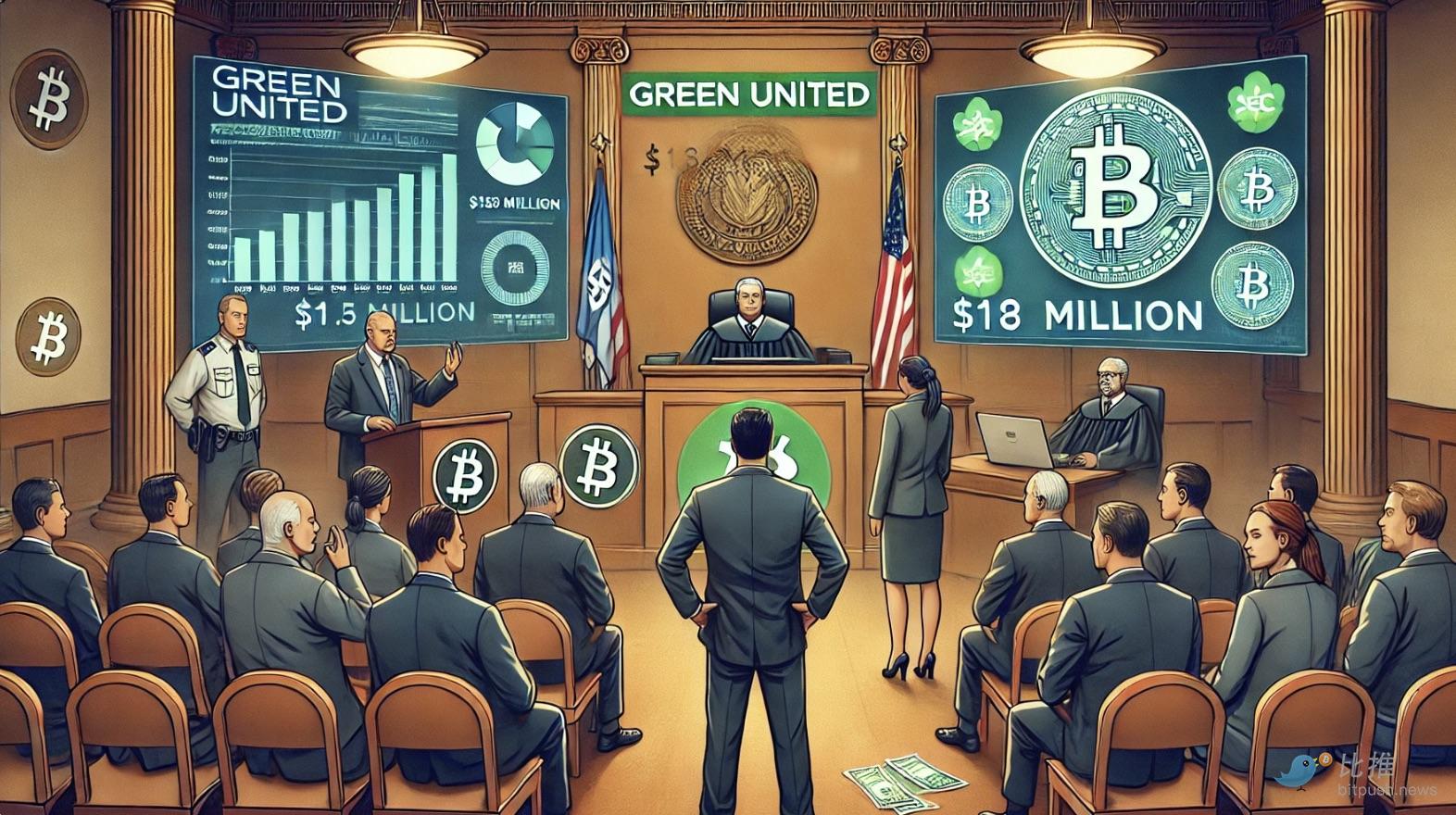
Green United LLC failed to convince a federal court to dismiss a civil fraud lawsuit brought by the U.S. Securities and Exchange Commission (SEC), arguing that customers who purchased cryptocurrency mining "Boxes" or hardware were not participating in a securities transaction, according to Bloomberg Law.
"The SEC has sufficiently alleged a securities transaction in the form of Green Boxes—computer hardware—combined with托管 agreements used to operate the Green Boxes," said U.S. District Judge Ann Marie McIff Allen of the District of Utah.
The case differs from inquiries into whether digital assets and related transactions meet the definition of an investment contract established in the U.S. Supreme Court's 1946 ruling in SEC v. W.J. Howey Co.
The SEC alleges that Green United’s mining equipment and software did not mine digital tokens as promised. Instead, investors funneled $18 million into the company. The SEC also claims that Green United faked successful mining operations by purchasing unmined tokens and distributing them to investor accounts.
The SEC stated that Green United's cryptocurrency—"GREEN"—"has no real value because it is not traded on any secondary market."
This lawsuit is one of several recent enforcement actions by the SEC against crypto-related companies that explicitly allege fraud.
At the time of the enforcement action, Green United issued a statement via email denying the allegations, saying the complaint "contains no allegations of victims or investors losing money."
In addition, Green United claimed, "They are attempting to change the law by classifying hosted mining as a security, an activity already carried out by multiple publicly traded companies."
The court rejected Green United's attempt to dismiss the case on grounds that no securities transaction occurred. The Howey case defines an "investment contract"—a type of security—as "an investment of money in a common enterprise with a reasonable expectation of profits to be derived solely from the efforts of the promoter or a third party," Allen explained.
In the Green United litigation, the key issue was whether the SEC adequately alleged a "common enterprise." Allen found that the SEC had met this threshold.
Allen noted that the complaint alleges investors could buy a Green Box for $3,000 and receive monthly returns of $100, yielding annual returns between "40% and 50%," or "over 100% return on investment," achieved through mining a cryptocurrency called "GREEN." She added that Green United executives promoted a托管 agreement stating the company would "‘do all the work’" to achieve the promised returns.
These allegations, Allen concluded, "are sufficient to satisfy all elements of an investment contract, including a common enterprise."
Furthermore, Allen dismissed arguments that the SEC failed to adequately allege fraud or that the lawsuit raises constitutional issues.
Join TechFlow official community to stay tuned
Telegram:https://t.me/TechFlowDaily
X (Twitter):https://x.com/TechFlowPost
X (Twitter) EN:https://x.com/BlockFlow_News
 @Bloomberg






