








President joins the fray, entire nation "trading coins," building a Bitcoin City, making volcanoes "erupt" Bitcoin
TechFlow Selected TechFlow Selected
President joins the fray, entire nation "trading coins," building a Bitcoin City, making volcanoes "erupt" Bitcoin
"Either a scam or a failure"?
 Navigating Web3 tides with focused insights
Author: Hao Lihai
Editor: Shen Zhihan
Source: Guokr
In August this year, a country planned to train 80,000 civil servants nationwide in Bitcoin, and even considered paying their salaries in Bitcoin.
The training covers basic knowledge of Bitcoin, legal issues, public policy impacts, and lasts 160 hours. The goal is to promote and accelerate the adoption of Bitcoin in daily life.
If not for such an unusual story, I might never have heard of El Salvador, a small Central American nation.
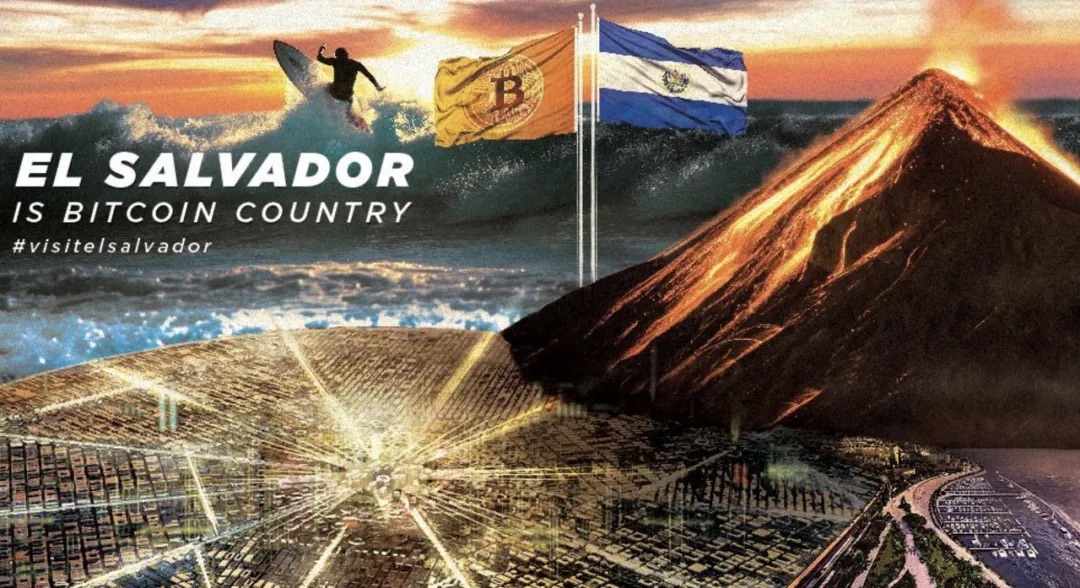
Poster for "Bitcoin City"丨El Salvador official Twitter
In 2021, El Salvador became the first country in the world to adopt Bitcoin as legal tender. President Bukele announced plans to build a "Bitcoin City," allocating land next to the beach at La Unión (Playa Zonzales), at the foot of a volcano. The plan includes constructing housing, commercial zones, restaurants, ports, and other modern urban infrastructure—everything you'd expect in a city—where Bitcoin can be used to purchase daily necessities from food to real estate.
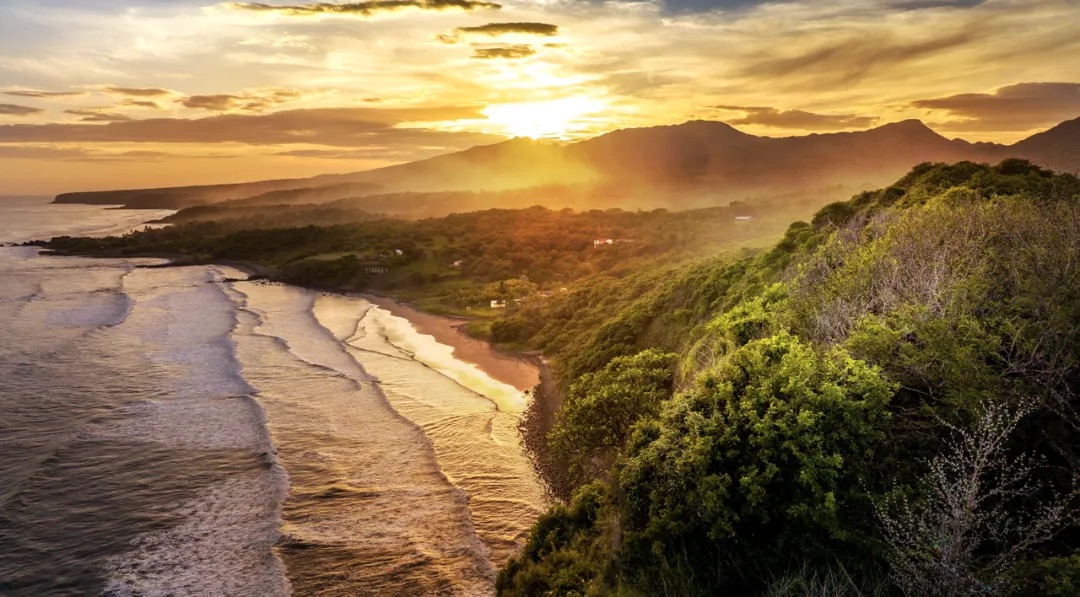
Scenery of El Salvador丨El Salvador Bitcoin Office Twitter
"Either the biggest failure or the biggest scam"—that’s how some media outlets described El Salvador's "Bitcoin experiment" at the time.
Opening my cryptocurrency wallet, I see Ethereum (compared to when I bought it in November 2022) has risen 125%. Yet the truth is, I’ve never actually used Bitcoin or any cryptocurrency in the “real world.”
In industry terms, Bitcoin is backed by “consensus.” What does “consensus” mean? It means a group of people firmly believe it represents the future—that belief forms the foundation of its value.
For example, trying to buy a jianbing from a street vendor with Bitcoin: without consensus, the vendor might as well think you're offering them gaming tokens.
A nationwide experiment in “everyone using Bitcoin” is taking place in a small country of 6 million people, covering over 20,000 square kilometers (larger than Beijing’s 16,000 sq km).
Using Bitcoin to Buy Bread: Overkill Like Slaughtering a Chicken with an Ox-Cleaver
The Salvadoran government encourages citizens to use Bitcoin, much like how mobile payments were promoted in China during their early days.
But here, the driving force is the government itself. El Salvador developed a payment app called Chivo. QR code stickers are posted at stores—from family-run shops to large supermarkets. Once users register, they receive a $30 Bitcoin bonus (more than double the local minimum daily wage of $13).
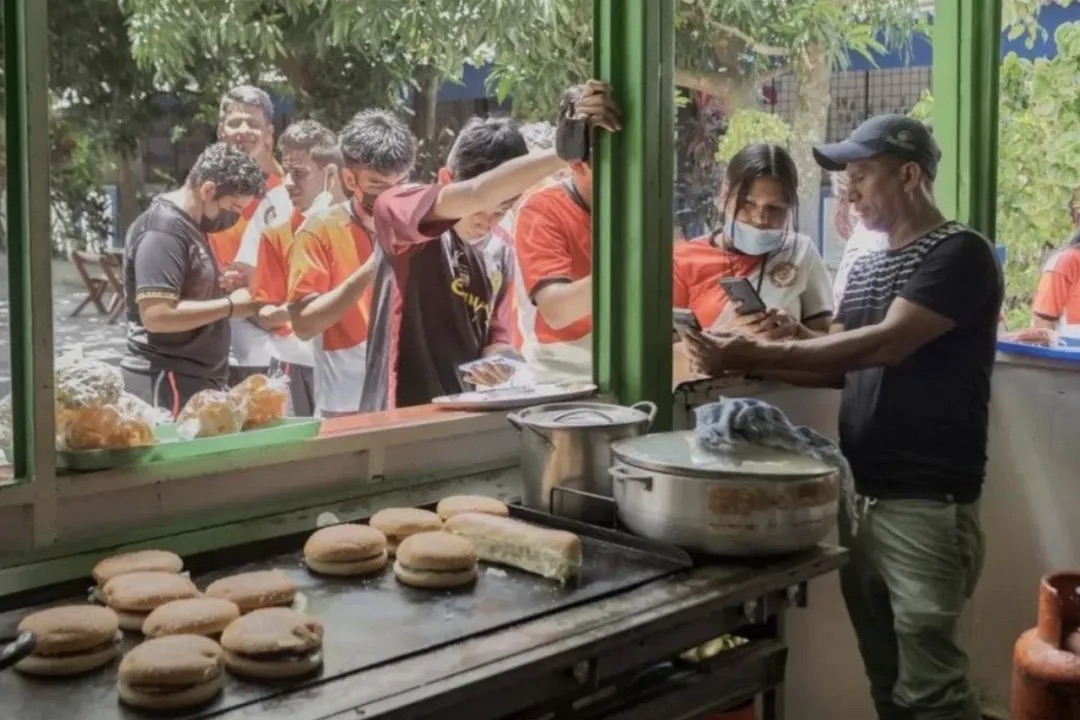
Students using Bitcoin to buy lunch丨Barron's
Users scan each other’s QR codes to transfer Bitcoin. Students buy grilled bread on the street, tourists pay at McDonald's or Walmart with Bitcoin (a Coke costs about $1, or 0.000017 BTC), and fuel at gas stations.
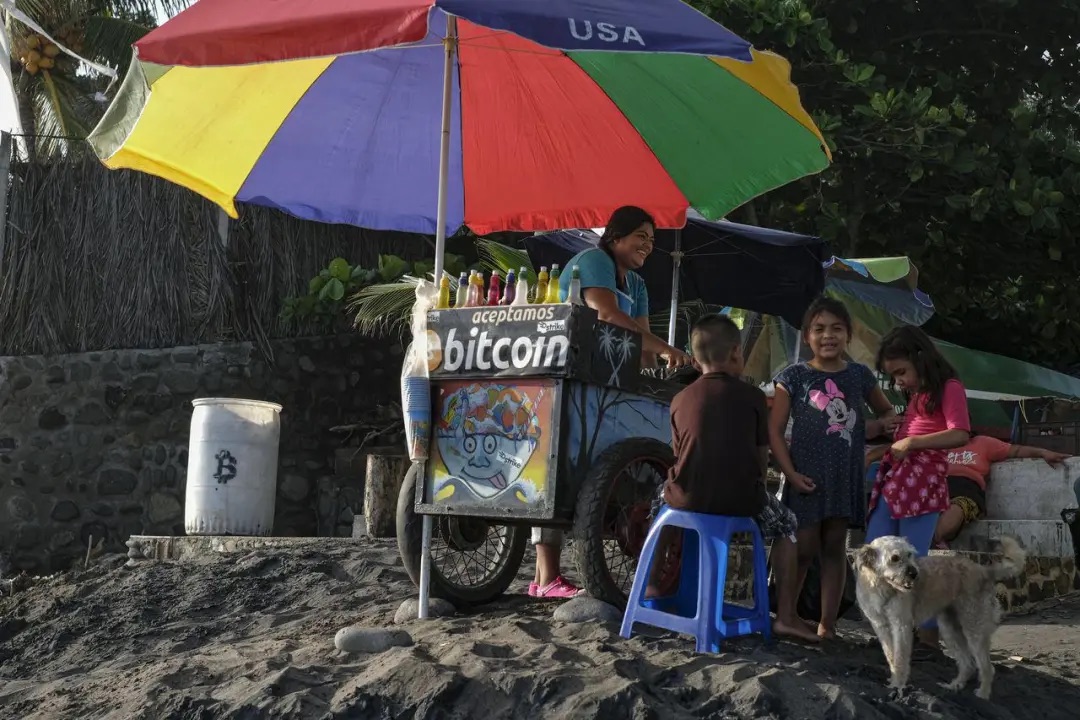
A stall in El Salvador accepting Bitcoin payments丨Wall Street Journal
The government installed 200 ATMs with Bitcoin exchange capabilities, allowing fee-free conversion between dollars and Bitcoin, subsidized by the state. Local banks accept Bitcoin for loan repayments.
The Ministry of Education introduced Bitcoin education “from childhood,” integrating it into public school curricula.
Many people joined out of curiosity and for the incentives. In the first year, over 20,000 individuals and more than 30 businesses along the coast conducted Bitcoin transactions, averaging over 1,000 transactions per day.
But over time, problems emerged.
Merchants reported digital wallets being hacked, accounts locked, funds inaccessible; others experienced wallet crashes or extremely slow transaction speeds. ATMs frequently malfunctioned, sparking protests in the capital with thousands taking to the streets.
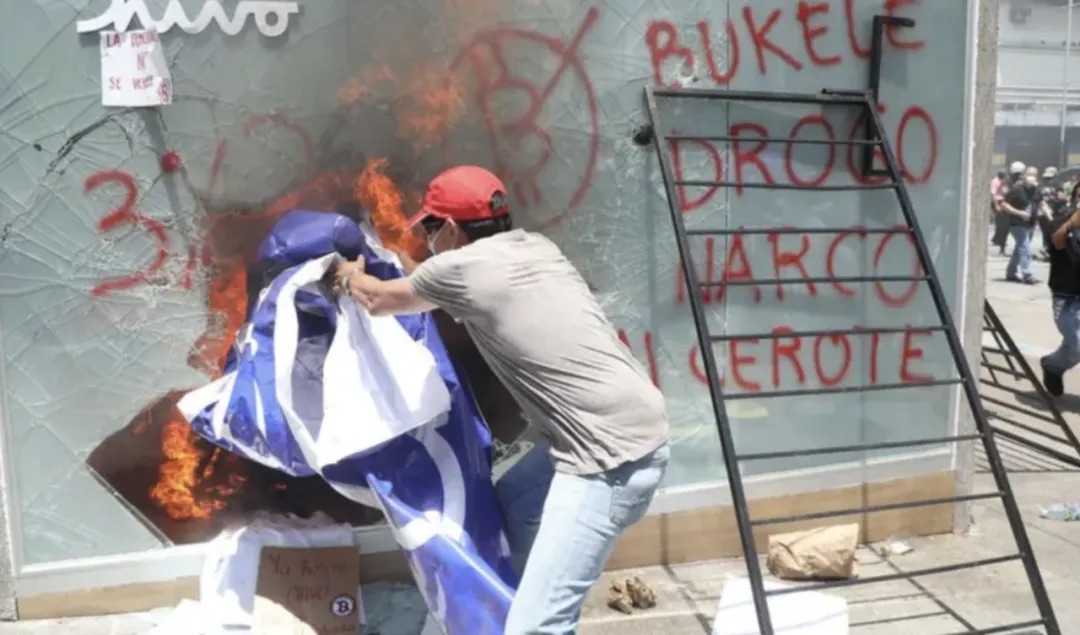
Residents of El Salvador destroying a Bitcoin ATM丨BBC
In El Salvador, 70% of the population lacks traditional bank accounts, and 36.4% live below the poverty line—going from zero financial experience directly to forced adoption of digital currency and e-wallets meant people couldn’t afford or accept the risks of malicious attacks on Bitcoin systems.
There was no prior mobile payment infrastructure, few locals owned smartphones, and cash remained the preferred method for most.
Bitcoin’s high volatility (fiat currencies derive stability from government backing, national economic strength, and tangible assets, but Bitcoin has no asset support—it’s algorithmically generated and highly price-volatile) makes it impractical for daily transactions. One day tomatoes cost $3 per pound, the next they’re $30.
According to BBC reports, one year later, only 20% of locals continued using the Chivo app, and nearly 92% of merchants said, “Bitcoin isn’t important to us.”
By 2023, a survey by the University Institute of Public Opinion at Central American University found that 88% of Salvadorans no longer used Bitcoin, and only 1% of remittances were sent via Bitcoin.
President Bukele’s experiment proved that ordinary people neither got rich nor found life more convenient through Bitcoin.
A Turning Point—or a Haven for Speculators?
After legalizing Bitcoin, El Salvador attracted many crypto holders drawn by novelty, boosting tourism revenue by 30%. Locals complained that the influx of foreigners drove up prices.
According to Triple data, global cryptocurrency user numbers grew 34% in 2023, rising from 432 million to 580 million, mostly in Asia, followed by North America, Africa, and South America.
The location of "Bitcoin City" was carefully chosen. It lies between the cities of La Unión and Conchagua, in a poor fishing village near Playa Zonzales. The area has many volcanoes, and the government plans to build a power plant there to supply energy both for the city and for Bitcoin mining operations.
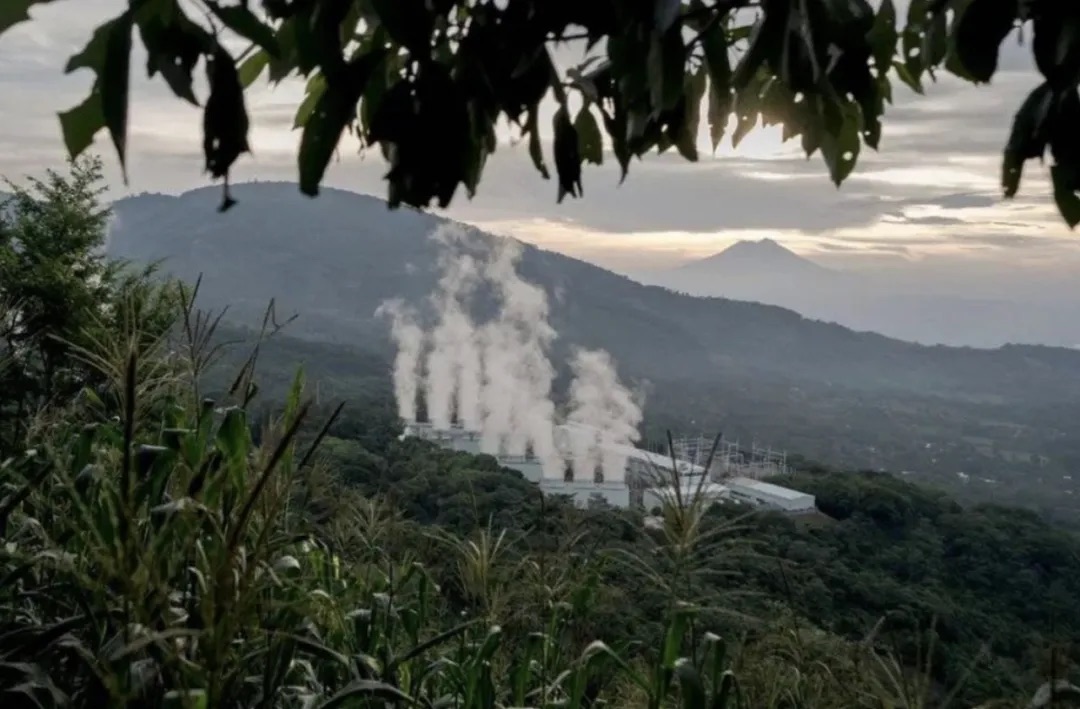
Cryptocurrency mining farm in tropical forest丨Barron's
President Bukele aims to turn this into a tax haven for Bitcoin investors. "Bitcoin City" will impose only a 10% capital gains tax, with no income tax, property tax, or sales tax.
To fund construction, the government issued "Bitcoin Bonds," with half the proceeds going toward building the city and half to buying Bitcoin.
Unexpectedly, shortly after announcing the project, Bitcoin coincidentally crashed. The "Bitcoin Bond" failed to raise funds, and city construction stalled. But this didn’t shake the president’s faith. Starting November 18, 2022, he began buying one Bitcoin every day—"mining" it, so to speak—and holding regardless of price fluctuations. (If this too was part of the plan, then this may be the only progress made.)
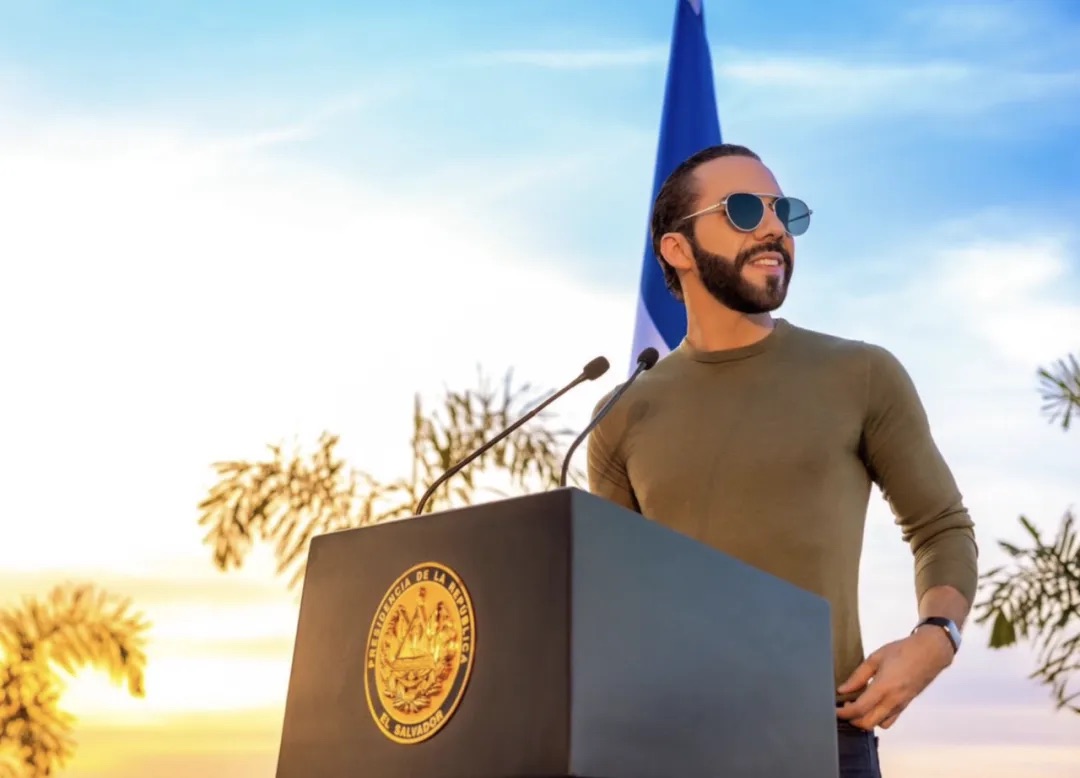
Nayib Bukele, El Salvador’s millennial president丨El Salvador Bitcoin Office Twitter
In August this year, the country secured a $1.6 billion investment from Turkey’s Yilport Holding. Yilport, a major international port and container terminal operator, will jointly upgrade two Salvadoran ports—one located within "Bitcoin City." After years of silence, "Bitcoin City" finally sees a glimmer of hope.
Bukele originally hoped Bitcoin would improve remittance efficiency. In 2020, remittances accounted for 25% of El Salvador’s GDP, mostly from Salvadorans working in the U.S. Using Bitcoin could save $400 million annually in transfer fees, reduce dependence on the U.S. dollar, advance monetary dualization, strengthen financial infrastructure, enable citizens to store assets, and hedge against economic risks posed by dollar dominance.
Yet rather than building domestic financial infrastructure, Bitcoin first brought ancillary benefits—or publicity—in tourism and investment.
Just as the Netherlands has legal red-light districts and Las Vegas relies on gambling, perhaps Bitcoin can become El Salvador’s unique hallmark. But complete decentralization and libertarianism may also serve as shields for illicit activities, bringing great economic uncertainty to the nation.
Join TechFlow official community to stay tuned
Telegram:https://t.me/TechFlowDaily
X (Twitter):https://x.com/TechFlowPost
X (Twitter) EN:https://x.com/BlockFlow_News


