The Future of Prediction Markets: Challenges and Innovations
TechFlow Selected TechFlow Selected
The Future of Prediction Markets: Challenges and Innovations
Web3 prediction markets are revolutionizing the way reality is forecasted by leveraging blockchain to gather and aggregate information from diverse participants.
 Navigating Web3 tides with focused insights
Author: IOSG Ventures
Acknowledgments: Special thanks to Wang Chao from Metropolis DAO for valuable feedback and suggestions on this article.
Web3 prediction markets are revolutionizing how we forecast reality by leveraging blockchain to gather and aggregate information from diverse participants. These platforms embody the principle of "the wisdom of the crowd," creating efficient markets where participants express their beliefs through betting and actively engage in the process.
The growth of these platforms is remarkable. Leading the charge, Polymarket saw its trading volume surge to $360 million in July 2024—fifty times its average in 2023. This spike was directly tied to U.S. presidential election events, with over 99% of bets focused on predicting election outcomes. Beyond political fervor, however, you’ll also find markets predicting which memecoin featuring a cat will first hit a $1 billion market cap, or the next viral TikTok trend.
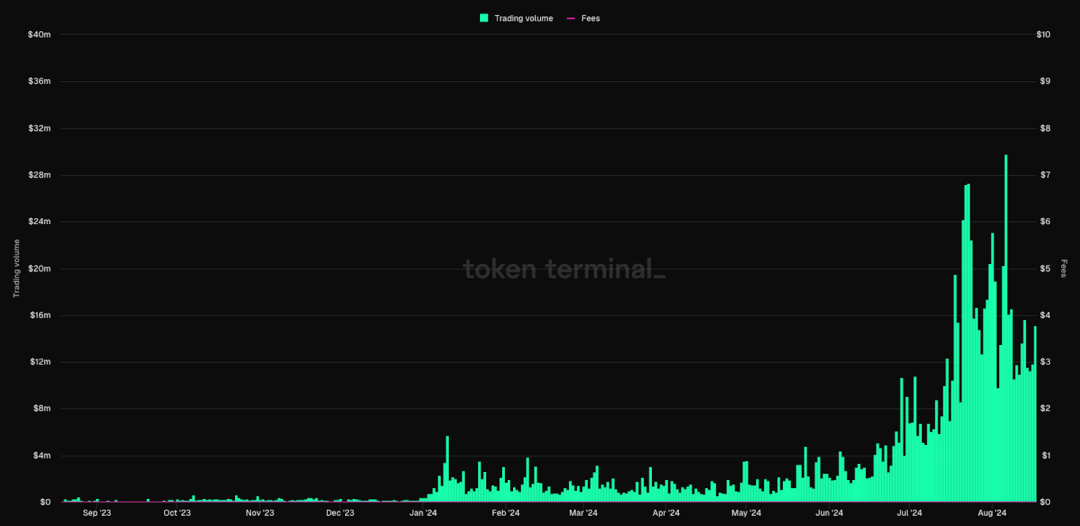
Source: Token Terminal
As these markets mature and innovation accelerates, their immense growth potential raises an important question: What will the next generation of prediction markets look like? Whether through technological advances, improved user experiences, or expansion into new use cases, the future of Web3 prediction markets promises to refine and transform how we collectively anticipate and respond to emerging trends.
1. Challenges Facing Prediction Markets
1.1 Liquidity and Market-Making Challenges
1.1.1 The Long-Tail Event Dilemma
Pricing rare events—such as a market predicting when a habitable exoplanet will be discovered—represents a classic long-tail problem. Due to high uncertainty and speculative nature, such events suffer from low liquidity. In prediction markets, niche topics often struggle to attract participants, resulting in thin order books and limited trading activity. This lack of liquidity makes it difficult for traders to place orders, ultimately undermining market efficiency and causing potentially high-interest but slow-resolving markets to be overlooked.
1.1.2 Impermanent Loss for Liquidity Providers
Liquidity providers (LPs)—participants who supply assets to a market’s liquidity pool to facilitate trading—face significant risks from impermanent loss. For example, in a prediction market on whether a candidate will win an election, as the outcome becomes clearer, the price of related tokens tends toward zero or one. Early LPs may end up holding an excess of tokens representing the “losing” outcome, which will eventually go to zero, leading to substantial impermanent losses.
1.2 User Engagement and Market Appeal
1.2.1 Limited Upside Potential
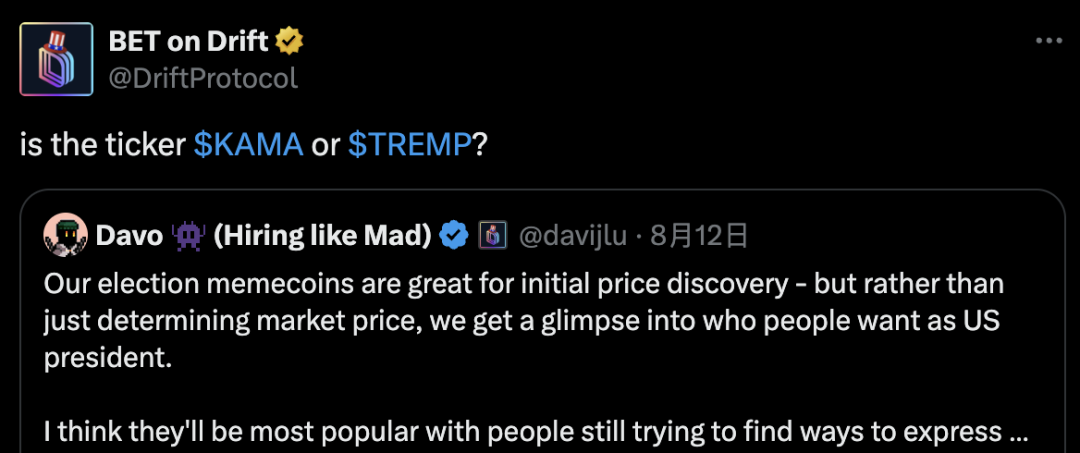
In the crypto world, everyone chases the next 100x opportunity, making prediction markets seem relatively mundane by comparison. Rather than betting on Trump vs. Kamala Harris in a prediction market, many might prefer investing in memecoins like $TREMP or $KAMA, which offer unlimited upside and more adrenaline. To compete, prediction markets could introduce gamification elements—such as dynamic event-specific markets, reward systems, loyalty programs, or tiered incentives—to boost user engagement and make the pursuit of truth as thrilling as speculating on memecoins.
1.2.2 Market Diversity and Longevity
Prediction markets need to diversify beyond politics to sustain long-term user engagement. While sports and entertainment already have established niches, opportunities lie in creating specialized markets catering to specific interests—such as predicting when ChatGPT-5 will launch. A common critique, however, is that even within broader themes, users may only focus on select topics, rendering these markets highly seasonal.
Moreover, markets that run for extended periods with uncertain outcomes can deter participation. Many topics take a long time to resolve without clear win/loss criteria, making it hard to maintain sustained user interest. To address these challenges, prediction platforms should focus on rapidly launching and closing niche markets aligned with current user interests, balancing engagement needs with market feasibility.

1.3 Regulatory Hurdles
Regulation remains a major barrier to the development of prediction markets. In 2022, the U.S. Commodity Futures Trading Commission (CFTC) fined Polymarket $1.4 million, highlighting the risks of operating an unregistered platform. As part of the settlement, Polymarket blocked U.S. users from accessing its services. However, the challenges are far from over—recent developments have brought election-related prediction markets under even greater scrutiny.
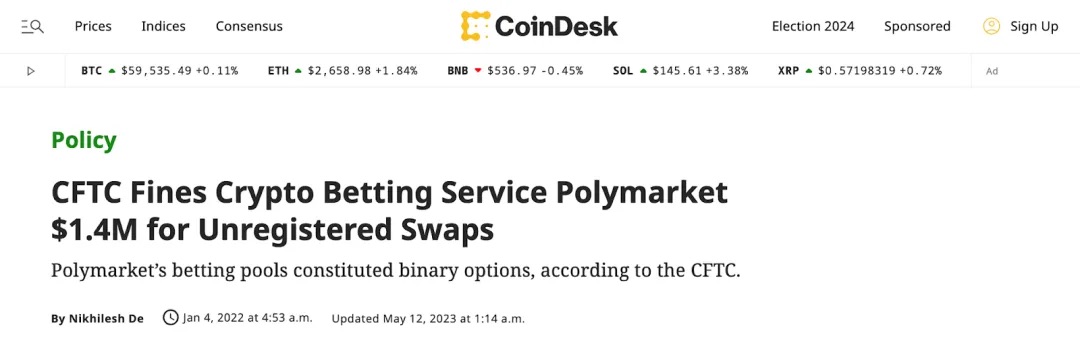
Source: CoinDesk
In 2024, the CFTC proposed a rule banning derivatives trading on U.S. elections, citing concerns that such markets could potentially influence election outcomes. This proposed ban would severely impact platforms reliant on political betting markets, including Polymarket, PredictIt, and Kalshi. Senator Elizabeth Warren has also publicly urged the CFTC to shut down election prediction markets entirely, arguing they could disrupt democratic processes. These platforms are currently engaged in legal battles to resist these regulatory measures.
This situation underscores the delicate balance prediction markets must strike between innovation and compliance. As the regulatory environment grows more complex, platforms will need to adapt—or risk significant operational constraints that could stifle the growth and diversification of this emerging industry.
2. The Next Generation of Prediction Markets
Despite the numerous challenges facing today’s prediction markets, a new wave of innovation is on the horizon. The next generation of prediction markets is being purpose-built to overcome these obstacles, incorporating advanced technologies, enhanced market mechanisms, and user-centric features. These upcoming platforms aim to tackle issues of liquidity, user engagement, and regulatory limitations—potentially reshaping the landscape of prediction markets and paving the way for a stronger, more dynamic future.
2.1 Advanced Market Mechanisms
2.1.1 Dedicated Liquidity Solutions
Dedicated market makers can unlock vast collective knowledge by providing liquidity for complex outcomes. An innovative example in this space is the pool-based liquidity model adopted by projects like Azuro. This model aggregates capital into a single counterparty to meet trader demand across the platform, ensuring even niche markets have sufficient liquidity to function effectively. Such systems support a broader range of prediction markets, making it easier to maintain liquidity in long-tail events.
This approach is particularly useful for markets predicting rare or highly specific events—such as the impact of a technological breakthrough. By pooling liquidity from various participants, this model spreads risk across multiple markets, reduces the likelihood of liquidity shortages, and enhances the overall robustness of the platform.
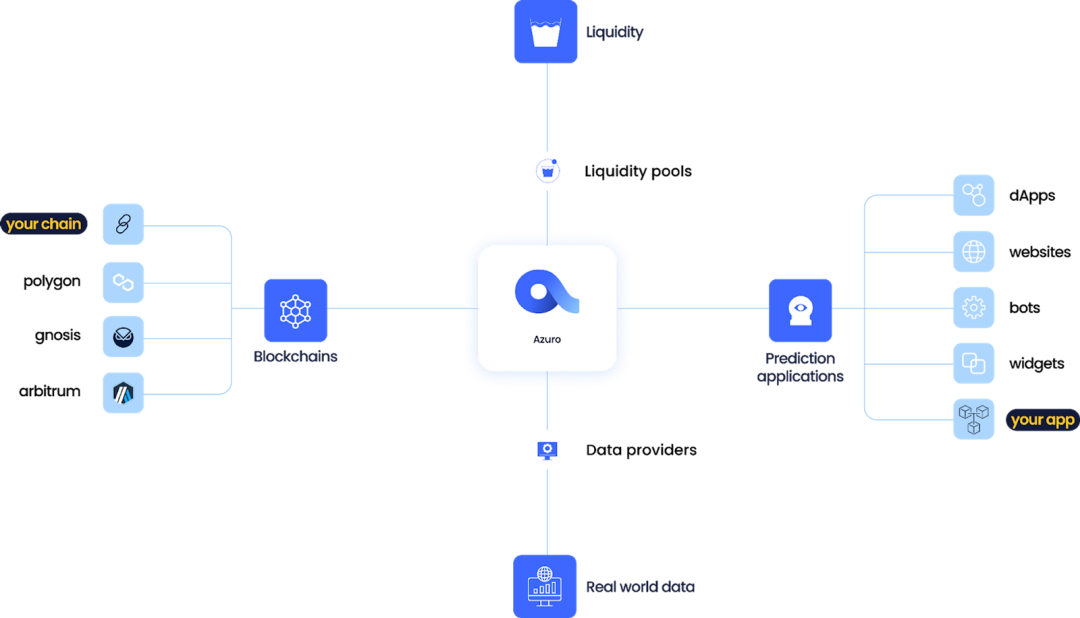
Source: Azuro
2.1.2 Leverage and Parlay Betting
The ability to win in more varied ways is especially appealing to prediction market participants—this is where advanced strategies like leveraged and parlay betting come into play. Leveraged betting allows participants to increase potential returns by raising their stake, a feature particularly attractive in high-risk markets like political forecasting.

Source: CT
Parlay betting combines multiple predictions into a single bet, offering higher potential payouts. For instance, users could place a parlay bet on correlated economic events within a quarter, such as interest rate changes and inflation data. The interdependence of these events increases potential returns—but also comes with higher risk.
The social aspect of parlay betting adds another layer of excitement. Participants can share their parlay slips on social media, potentially going viral when someone hits a big win. This can drive greater participation, especially within the crypto community. However, managing large payouts, associated payment risks, and setting accurate odds remain ongoing challenges.
SX Bet, a Web3 sports betting platform, implements a peer-to-peer parlay system that allows users to create customized bets, with liquidity provided by automated market makers. This innovation brings a more dynamic and engaging outlook to prediction markets across domains.

Source: SX Bet
2.1.3 Permissionless Market Creation
User-created, permissionless markets have the potential to vastly expand the scope of predictable events. By allowing anyone to create markets, platforms can tap into predictive power in unexpected areas. Niche audiences, for example, might create markets to predict the success of a particular meme or the outcome of a specific local event—topics often ignored by larger platforms.
Swaye is innovating in this space by enabling users to create markets tied to event outcomes, with participants even able to mint and trade meme coins linked to those outcomes. Users frustrated by high opportunity costs and the inability to create markets on traditional platforms can turn to Swaye, where they can generate markets and earn fees. For example, a user might create a market predicting whether monkeypox will be declared a pandemic by a certain date. Outcome tokens like $MPOX and $NOPOX would represent possible results—the losing token going to zero, while the winning one could become a permanent memecoin.

Source: Swaye App
2.2 Enhanced User Experience and Engagement
2.2.1 Mobile-First and Real-Time Prediction
Mobile optimization is crucial for capturing real-time insights. Imagine a mobile-first prediction market experience where users can interact and bet during live events—such as sports games or political debates. Notifications and real-time updates keep users continuously engaged, enabling them to make predictions anytime, anywhere, and see results instantly.
2.2.2 Integration with Social Networks
Leveraging existing social media channels is an effective way to attract more users and boost engagement in prediction markets. By integrating with platforms like Farcaster and Solana’s Blink, prediction markets can tap into established networks for distribution and user interaction. Projects like Swaye and Bookie are already moving in this direction, allowing users to share their predictions directly in social feeds, creating viral moments and driving participation.

Source: /swaye on Farcaster
This integration makes prediction markets more accessible and appeals to a broader audience, as users can seamlessly engage with predictions shared within their social circles.
2.2.3 Gamification and Social Dynamics
Gamifying prediction markets can further enhance their appeal, transforming them from mundane activities into engaging competitions. Features like leaderboards, achievement systems, and competitive leagues can significantly boost user engagement. Imagine users participating in a social prediction league, earning badges and climbing ranks based on accuracy. Predictions led by KOLs add another social layer—when influencers share their bets, they encourage followers to join and compete, deepening community involvement and interaction.
2.3 AI Integration
AI holds the potential to revolutionize prediction markets, solving longstanding challenges and unlocking new possibilities. As Ethereum co-founder Vitalik Buterin suggested, the convergence of AI and cryptocurrency—especially in prediction markets—could be the "holy grail of cognitive technology."
2.3.1 Content Creation and Event Selection
AI can greatly enhance the process of creating events within prediction markets. By analyzing trends in news, social media, and financial data, AI can quickly identify relevant topics and capture public interest in real time. For example, AI could detect emerging global issues—such as sudden geopolitical conflicts or technological breakthroughs—and propose them as prediction market topics, ensuring markets remain dynamic and timely.
2.3.2 Market Making and Liquidity
AI-driven liquidity management is gaining increasing attention in prediction markets. While implementations are still evolving, AI could eventually play a key role in dynamically adjusting liquidity depth and pricing in real time. By monitoring market activity and sentiment, AI can optimize liquidity provision, reduce slippage, and enhance market stability—particularly valuable in markets where liquidity demands fluctuate rapidly.
2.3.3 Information Aggregation and Analysis
AI systems may soon process vast amounts of data to deliver comprehensive forecasts, turning prediction markets into go-to sources for informed decision-making. By aggregating data from various sources—economic indicators, public sentiment, historical trends—AI can provide highly accurate predictions, making markets more reliable and insightful.
For example, Polymarket’s recent integration with Perplexity enables the aggregation of search engine and social media sentiment, generating news summaries and visual data to help users make better-informed decisions.
2.3.4 AI as a Market Participant
The role of AI as an active participant in prediction markets is poised for significant expansion. Platforms like OmenETH have already demonstrated how AI bots can trade alongside humans, improving market depth and prediction accuracy. These AI agents excel at identifying and exploiting pricing inefficiencies, helping maintain market consistency and efficiency.

Source: Gate.io
AI’s potential extends beyond trading. By participating in niche and long-tail markets—such as predicting the outcome of a specific scientific breakthrough or the impact of new regulations on a niche industry—AI can make previously illiquid markets more viable. With their ability to process massive datasets and react swiftly to new information, AI systems can ensure these specialized markets remain active and attractive to participants. One project dedicated to enabling the creation of such AI agents is Autonolas.
Additionally, AI could revolutionize dispute resolution in prediction markets. AI-powered systems could provide fair and efficient rulings in contested outcomes—such as close elections—reducing the time and cost associated with traditional human arbitration.
2.4 ZK Keeps Predictions Private
In prediction markets, privacy isn’t just about keeping bets secret—it’s essential for ensuring proper market function. If everyone can see each other’s predictions, there’s a risk of copying the most successful predictors, which could erode opinion diversity in these markets.
To address this, platforms can use privacy-preserving techniques to keep predictions confidential until outcomes are revealed. For example, a method called “commit-reveal” allows participants to submit predictions in a way that keeps them hidden until the result is known. This process is akin to sealing your prediction in an envelope that only the blockchain can open at the right time.
Platforms can also implement advanced cryptographic techniques like zero-knowledge proofs (ZKPs) to offer stronger privacy guarantees. These methods ensure predictions remain anonymous without sacrificing market transparency or security. While powerful, these technologies come with trade-offs—such as increased computational costs—that platforms must carefully weigh.
3. Conclusion
As the 2024 election cycle concludes, the future of prediction markets stands at a critical crossroads. The optimistic view holds that these platforms will expand into diverse fields such as finance, technology, and science, driven by innovations like AI integration and advanced market mechanisms. This evolution could transform prediction markets into vital decision-making tools, where collective intelligence shapes the future.
Yet, the pessimistic view highlights significant challenges. Prediction markets often face limited demand, insufficient passive capital inflows from savers, and under-participation from key players—such as sharp traders. Coupled with competition from traditional financial instruments and regulatory pressure, these factors could constrain growth.
During major political events, trading volume concentrates in a few key markets, raising questions about long-term sustainability. After the 2024 elections, user engagement may plummet. This could make it difficult for prediction markets to maintain momentum and expand their utility beyond speculation.
Despite these challenges, the potential of prediction markets to redefine how we forecast and shape the future is undeniable. The road ahead is uncertain—but if these platforms can overcome their hurdles, they may become cornerstones of a new era, where collective wisdom is not just a tool for speculation, but a force that drives history forward.
Join TechFlow official community to stay tuned
Telegram:https://t.me/TechFlowDaily
X (Twitter):https://x.com/TechFlowPost
X (Twitter) EN:https://x.com/BlockFlow_News
 IOSG Ventures